
Christmas Trifle: How to Build It, Layer by Layer
Trifle is the dessert that saves Christmas Day. It is made the day before, it needs no oven, it feeds a crowd, and on a hot Australian afternoon a cold bowl of fruit, custard and cream is exactly right.
The difference between a good trifle and a soggy one is in how it is built. Here is how to do each layer.
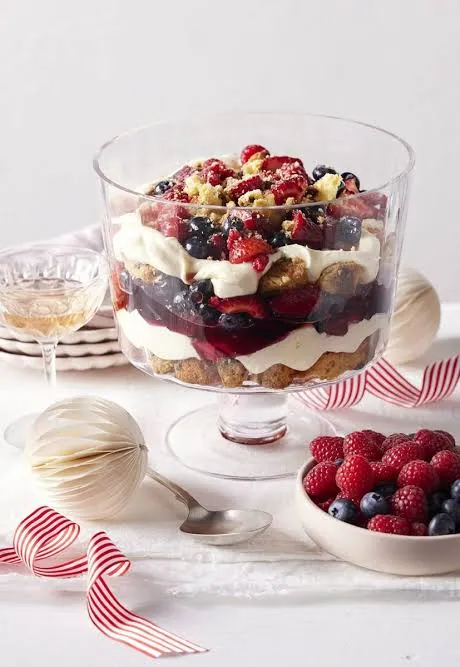
The layers of a trifle
From the bottom up:
- The base. Something cake-like to soak up juice and a splash of something.
- The fruit. Berries, stone fruit or jam.
- The custard. Thick and cold.
- The cream. Softly whipped.
- The top. Something with crunch.
Some families add a jelly layer between the fruit and the custard. It is optional, but if you do, let it set fully before the custard goes on.
The base: better than sponge
Sponge fingers are traditional, but they turn to mush quickly. A base with more structure holds its shape and adds flavour.
- Melting moments. Buttery and crumbly, and they soften without collapsing. Our Christmas trifle with melting moments uses a 300g pack of Jens Traditional Melting Moments to line the bowl.
- Panettone. Already full of butter, citrus peel and vanilla, so it seasons the whole dessert. See our panettone trifle.
- Shortbread or Swiss roll. Both work. Shortbread gives a firmer, sandier base.
The soak
The base needs moisture, but not too much. About 80ml is enough for a large trifle. Sweet sherry is the classic. Marsala, a berry liqueur or orange juice all work, and orange juice keeps it family-friendly. Spoon it over evenly rather than pouring it in one spot.
The fruit
Mixed berries are the Christmas favourite, tossed with a little sugar and left for 15 minutes to release their juice. Mango, peaches and cherries make it very Australian. A few spoonfuls of good jam or conserve, such as TRCC Officers' Mess Strawberry Conserve, warmed with a splash of hot water, add colour and hold the fruit layer together.
The custard
Use thick custard, and use it cold. Warm or thin custard sinks into the base and the layers blur. Shop-bought thick vanilla custard is completely fine. If you make your own, chill it overnight before assembling.
The cream
Whip thickened cream with a little icing sugar and vanilla to soft peaks. Stop before it turns stiff and grainy. Spread it gently right to the edge of the bowl so it seals the custard in.
The top
Add the crunch just before serving, so it stays crisp: toasted flaked almonds, chopped macadamias, crushed biscuits, fresh berries or grated chocolate.
Why trifle is best made the day before
Trifle needs at least 4 hours in the fridge, and it is better after a night. The base softens, the juices settle and the layers firm up so it scoops cleanly. Assemble it the day before Christmas, cover it, and add the topping when you bring it to the table.
A 3 litre glass bowl serves 8 to 10. Glass matters: half the pleasure of a trifle is seeing the layers.
Five trifle variations
- Black Forest: chocolate cake, cherries, kirsch, custard and cream with grated chocolate.
- Tropical: mango, passionfruit and coconut with a sponge base.
- Chocolate: chocolate melting moments, raspberries and chocolate custard.
- Raspberry: raspberry melting moments with fresh raspberries.
- Panettone and cherry: torn Ottolenghi Classic Panettone with cherries and a splash of marsala.
For more of the Christmas table, see our easy Christmas desserts, our guide to Australian Christmas desserts, what panettone is, and the full Christmas range.
More from the blog.
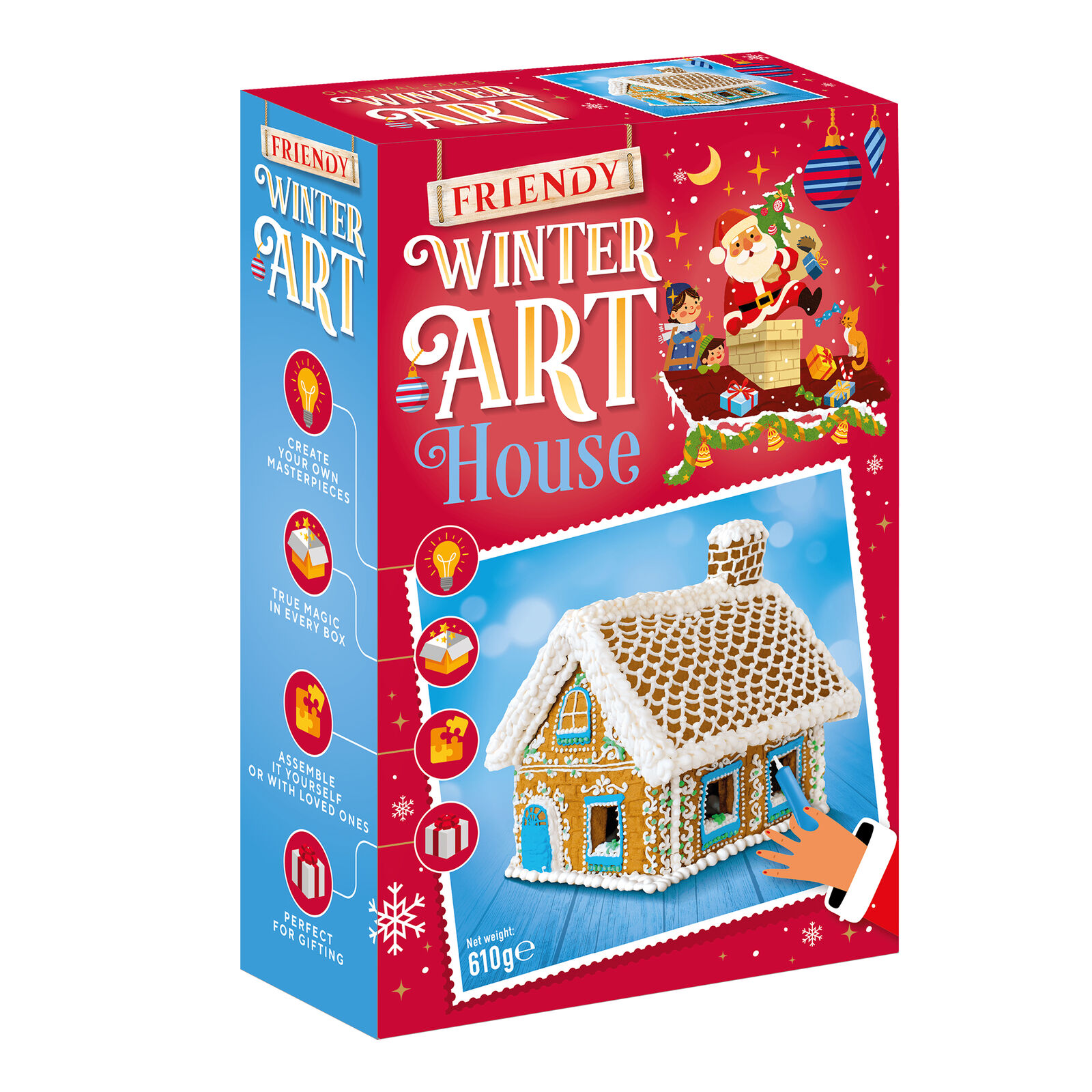
Gingerbread Biscuits and Gingerbread Spice: A Christmas Guide
The spice mix behind gingerbread, a blend you can make tonight, why some biscuits snap and others stay soft, and the gingerbread worth buying when you would rat
Read now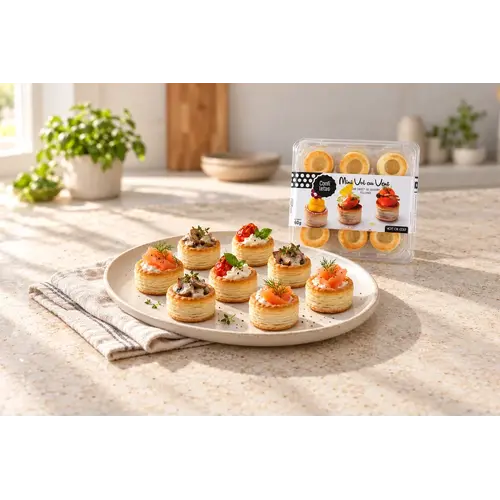
Vol au Vent Fillings: 12 Ideas for Christmas
Classic chicken and mushroom, curried egg, prawn, smoked salmon and a few sweet ones. Twelve vol au vent fillings, how many to make per guest, and how to stop t
Read nowChristmas Shortbread: Types, Tins and Millionaire's Shortbread
Butter, sugar and flour, and very little else. Why shortbread belongs at Christmas, how to tell a good one, the tins worth giving, and how to make millionaire&#
Read now