
What Is Panettone? The Italian Christmas Cake, Explained
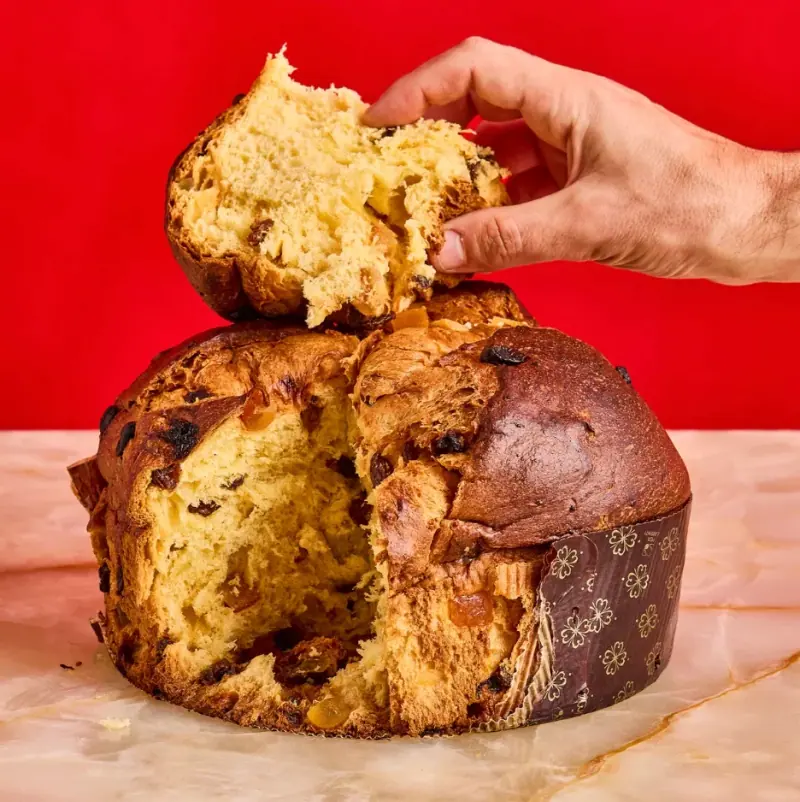
Panettone is the tall, domed sweet bread Italians eat at Christmas. It comes from Milan, it is studded with candied peel and sultanas in its traditional form, and it is made over roughly three days using a living sourdough starter rather than commercial yeast.
That last part is the whole story. It explains the texture, the price, and why two panettone sitting side by side on a shelf can be entirely different things.
How panettone is actually made
A proper panettone starts with lievito madre, a stiff sourdough mother that has to be fed and refreshed several times a day, every day, to stay alive. Some Milanese bakeries have kept the same starter going for decades.
The dough is built in stages over two nights. Flour, water, sugar, egg yolks and a great deal of butter go in across several additions, with long rests between each one. The finished dough is so slack and enriched that it can take 30 hours or more to rise.
Then comes the part that looks strange if you have not seen it. The baked loaves are skewered and hung upside down to cool for several hours. Panettone has so little structure of its own that if it cooled the right way up, it would collapse under its own weight.
The result is that distinctive pull-apart crumb: open, feathery, faintly tangy from the starter, and shot through with strands rather than crumbs. Bread made with commercial yeast in four hours cannot do that, which is why cheap panettone tends to be dense, uniformly sweet and a bit cakey.
Why the good ones cost what they do
Three days of labour, a starter that needs feeding whether or not anyone is baking, high proportions of butter and egg yolk, and a short selling season. A large artisan panettone is genuinely expensive to make.
You can taste where the money went. Look for real butter rather than vegetable fat, whole candied peel rather than mixed peel paste, and a stated slow fermentation. An ingredients list that opens with flour, butter and egg yolks is a better sign than one that opens with sugar and palm oil.
The varieties worth knowing
Traditional Milanese is the original: candied orange and citron peel with sultanas. If you are buying panettone for the first time, start here, because everything else is a variation on it. The Ottolenghi Classic Panettone is a good place to begin: light and airy, with raisins and candied fruit.
Chocolate swaps the fruit for chocolate, either as chips through the crumb or as a chocolate cream filling. The Borgo de Medici Chocolate Panettone is filled with chocolate cream, and the Ottolenghi Chocolate Panettone is soft and rich with chocolate throughout. The reliable choice for anyone in the house who picks candied peel out and leaves it on the side of the plate.
Pistachio usually pairs the nut with white chocolate or a pistachio cream filling. Rich, and the one most likely to disappear first. Try the Borgo de Medici Pistachio Cream Filled Panettone.
Limoncello and other cream-filled panettone are split and piped with flavoured cream after baking. More dessert than bread, and best served in small wedges. The Borgo de Medici Limoncello Cream Filled Panettone is the one to try.
Cherry and custard cream is a newer pairing. The Ottolenghi Cherry and Cream Panettone sets tart cherry against smooth custard cream, and comes from the festive collection of chef and cookbook author Yotam Ottolenghi.
Mini panettone are the same thing at roughly 100g. Useful for a table setting, a stocking, or a hamper where a 750g loaf would not fit.
You can see the current range in our panettone collection.
Panettone or pandoro?
They turn up side by side every December and they are not the same. Pandoro comes from Verona, is baked in an eight-pointed star tin, and contains no fruit or peel at all. It is softer, more buttery, closer to a very good sponge, and it arrives with a sachet of icing sugar to shake over it.
Panettone is the one with the dome and the fruit. If you are feeding people who are divided on candied peel, pandoro is the safer table.
How to serve it
Cut it in wedges from the top like a cake, not in slices from the side. Room temperature, always: cold panettone tastes of very little, so bring it out of a cool cupboard an hour before you want it.
A few minutes under the grill or in a dry pan transforms a slice, crisping the outside and melting the butter back through the crumb. Serve it with mascarpone, softly whipped cream, or a scoop of vanilla ice cream.
To drink, something sweet and sparkling works best. Moscato d'Asti is the traditional match. Prosecco, a late-harvest dessert wine or strong black coffee all do the job.
Storing it, and what to do with the last of it
Keep it in its bag, sealed, at room temperature. Never in the fridge, which dries it out and makes it stale faster. Unopened, a panettone keeps for months, which is why it is made in autumn and sold at Christmas. Once cut, you have about three or four days before it starts to dry.
Drying out is not a problem, though. Slightly stale panettone is better than fresh for everything below, because it holds its shape instead of turning to paste when it meets custard or egg.
- Panettone French toast, which takes about fifteen minutes and is the best breakfast of the year.
- Panettone trifle, made the night before and assembled in layers.
- Panettone bread and butter pudding, where the candied peel does the work you would otherwise get from marmalade.
You can also cube it, toast it and use it in place of sponge in any dessert that calls for one. For more of the Christmas table, see our Australian Christmas desserts guide and the rest of the Christmas range.
More from the blog.
What Is Panettone?
A tall, domed Italian Christmas bread made over three days with a living sourdough starter. Here is what separates a good panettone from a cheap one.
Read now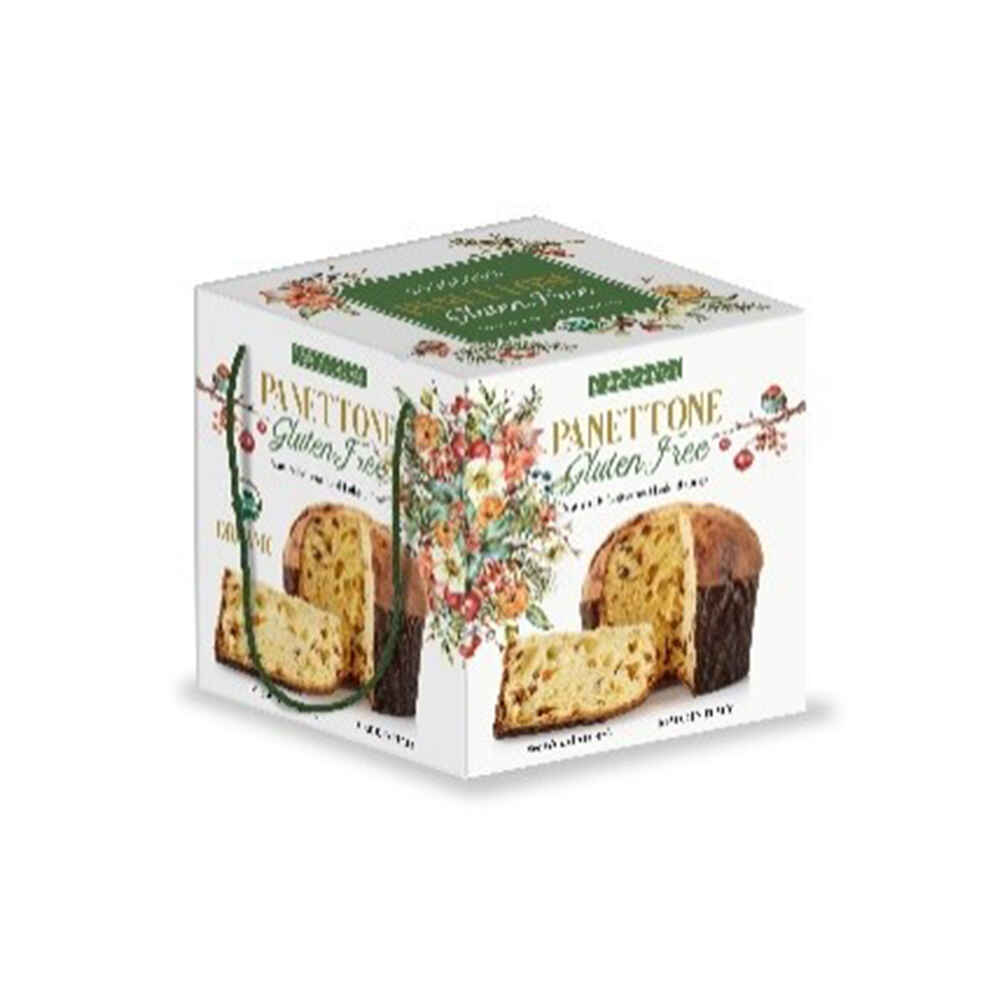
Gluten-Free Panettone in Australia
Gluten-free panettone is one of the hardest things in baking to get right. Here is why, what separates a good one from a dry one, and how to serve it.
Read now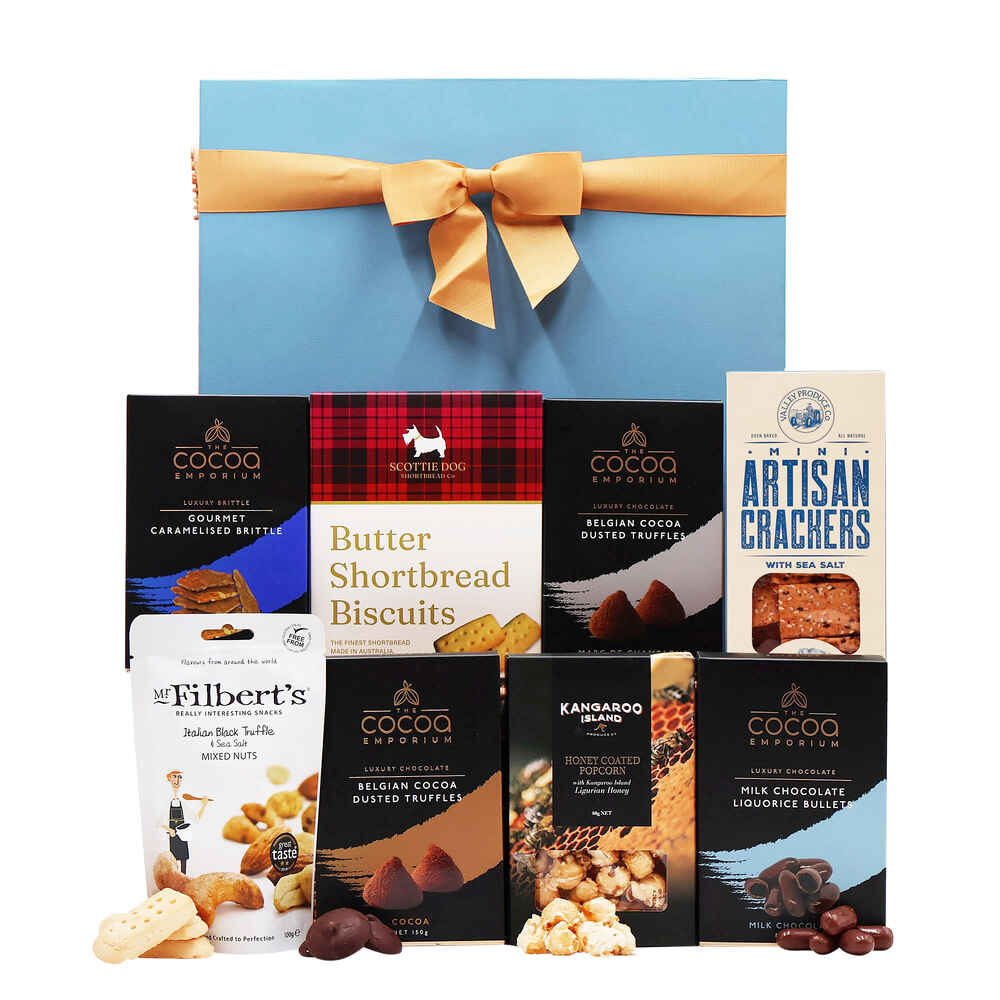
The Foodies Hamper: Eight Items, and What a Cook Does With Each
Eight packets, six of them sweet, and not a jar of anything in sight. What is actually in the box, and what somebody who cooks can do with each item once the ri
Read now