
Gluten-Free Panettone in Australia
Panettone is a difficult thing to make gluten free, and most people who have tried a bad one know it. The loaf that arrives dense, dry and crumbling has failed for a specific and interesting reason, and it is worth understanding before you buy.
Why it is so hard to get right
Everything that makes panettone what it is depends on gluten. The dough has to hold an enormous amount of butter and egg yolk in suspension, stretch through 30 hours of slow fermentation without tearing, and then support its own weight as a tall dome. Gluten is the elastic web that makes all of that possible.
Take it away and the structure has to be rebuilt from scratch using rice flour, maize starch, psyllium or other binders. Get the balance wrong and you land in one of two places: a loaf too fragile to rise, or one so tightly bound it bakes into a brick.
This is also why gluten-free panettone costs close to what the traditional version does despite using cheaper flour. The work and the failure rate are higher.
What separates a good one
The crumb should still pull apart in strands rather than crumble into sand. It should smell buttery rather than starchy. And it should be genuinely moist, because gluten-free bakes dry out faster than wheat ones and a loaf that starts dry has nowhere to go.
On the label, look for a stated slow fermentation and real butter high in the ingredients list. Be wary of anything relying heavily on vegetable fat, which is often used to paper over a dry crumb.
One practical point: gluten-free panettone has a shorter window than traditional panettone once opened. Plan to eat it within two or three days, or to cook with the rest.
What we stock
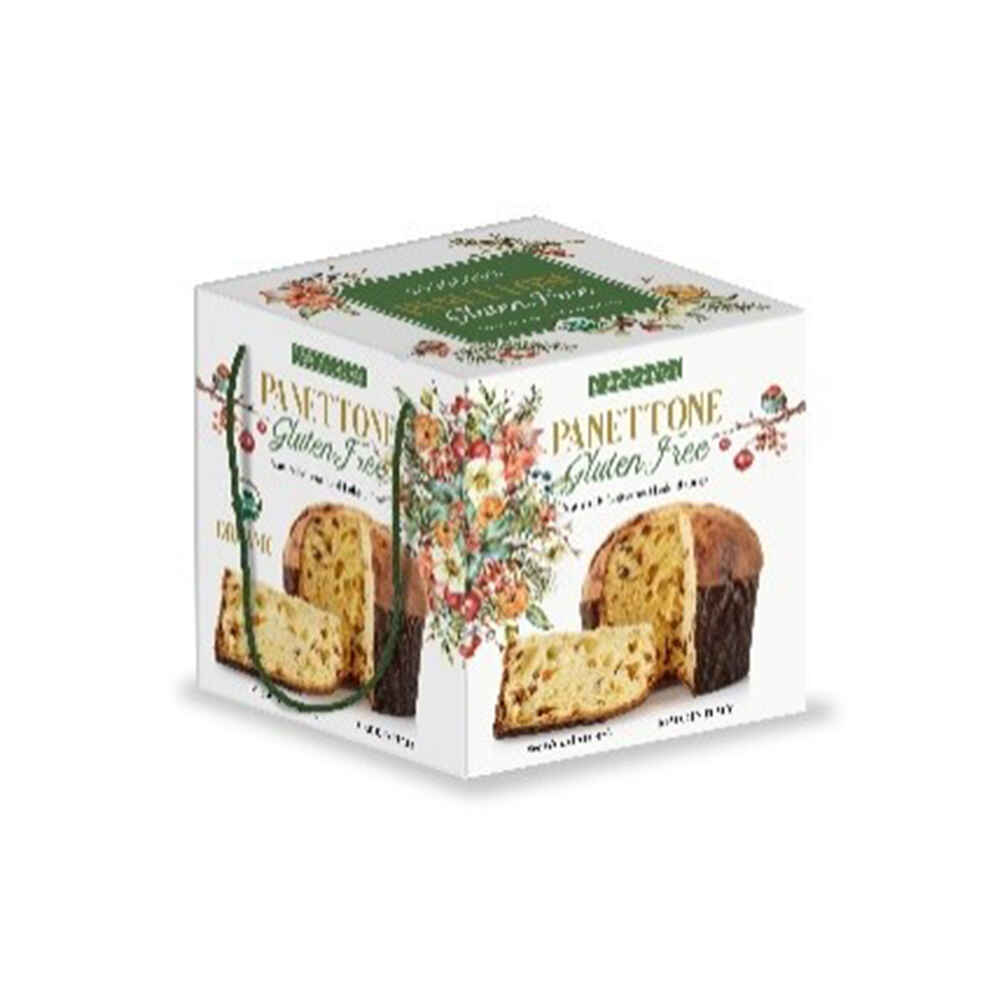
Our gluten-free panettone comes from Borgo de Medici. The Borgo de Medici Organic Gluten Free Panettone is a 600g loaf, baked using traditional methods adapted for gluten-free ingredients, and it is the one to start with if you want something close to the original for the Christmas table.
The mini gluten-free panettone is the same idea at 100g. Useful for a single serve, a place setting, or slipping into a hamper for the one guest who cannot eat wheat.
Gluten-free panettone sells through quickly in the lead-up to Christmas, so check what is currently available in the panettone collection. The wider gluten-free range covers the rest of the table.
Serving it at a mixed table
If some of your guests eat gluten and some do not, the simplest approach is to serve only the gluten-free panettone and say nothing about it. A good one does not read as a substitute, and it saves the person who cannot eat wheat from being handed a separate smaller plate, which is the part most people would rather avoid.
If you are putting out both, keep them on separate boards with separate knives. Crumbs travel, and a shared board undoes the point of buying it.
Getting the most out of it
Serve it at room temperature, cut in wedges from the top. Never refrigerate it, which accelerates staling in any bread and does so faster in a gluten-free one.
Warming it helps more than it does with traditional panettone. Thirty seconds a side in a dry pan, or a minute under a low grill, softens the crumb and brings the butter back. Serve with mascarpone or softly whipped cream.
Moscato d'Asti is the traditional pairing. Prosecco or a cup of strong coffee work just as well.
Using the last of it
Gluten-free panettone dries out quickly, which makes it ideal for exactly the recipes that want dry panettone. All three of these work without any adjustment:
- Panettone French toast. Handle the slices gently when you lift them out of the custard, as gluten-free crumb is more fragile when wet.
- Panettone bread and butter pudding, which is arguably better made with gluten-free panettone because the drier crumb drinks more custard.
- Panettone trifle. Tear rather than cut it, and assemble no more than a day ahead.
For the background on how panettone is made and what the varieties mean, read what panettone is. The rest of the season is in our Christmas range.
More from the blog.
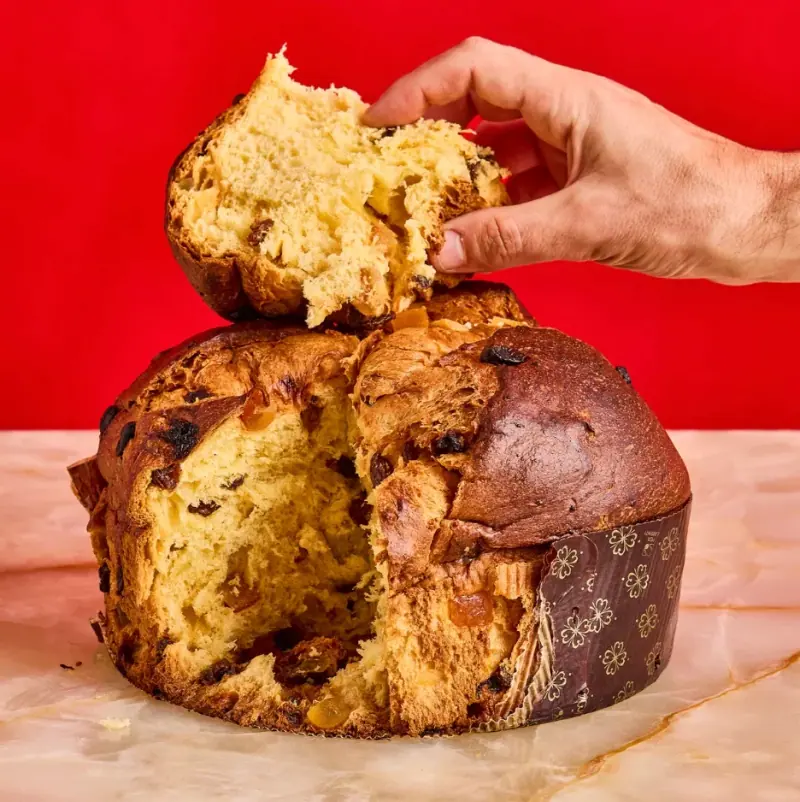
What Is Panettone?
A tall, domed Italian Christmas bread made over three days with a living sourdough starter. Here is what separates a good panettone from a cheap one.
Read now
Gluten-Free Panettone in Australia
Gluten-free panettone is one of the hardest things in baking to get right. Here is why, what separates a good one from a dry one, and how to serve it.
Read now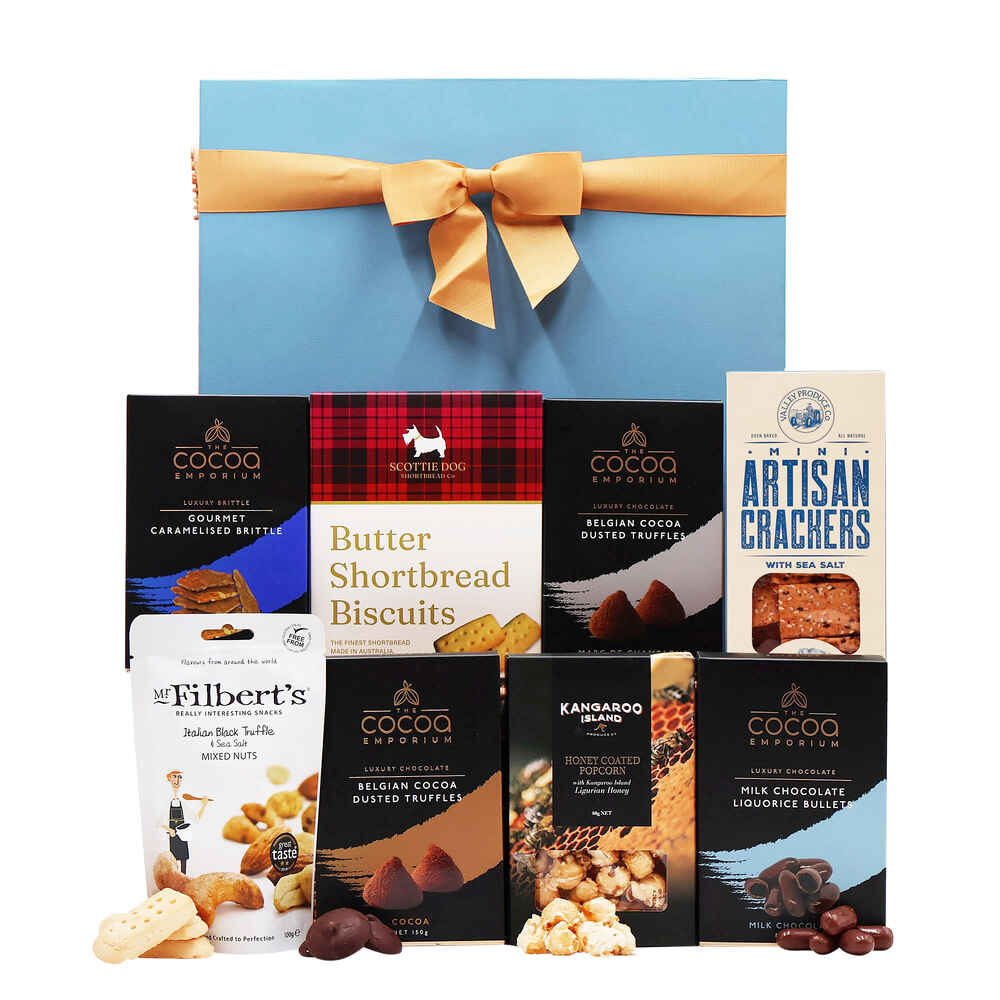
The Foodies Hamper: Eight Items, and What a Cook Does With Each
Eight packets, six of them sweet, and not a jar of anything in sight. What is actually in the box, and what somebody who cooks can do with each item once the ri
Read now