
What Is Aleppo Pepper? Taste, Heat and How to Use It
If you cook from Ottolenghi books, you will have met Aleppo pepper. It turns up on eggs, on yoghurt, on roast vegetables and in butter for basting. Once you have a jar, you reach for it more than the plain chilli flakes.

What is Aleppo pepper?
Aleppo pepper is a coarse, dark red chilli flake named after the city of Aleppo in northern Syria. It is also called Halaby pepper, from Halab, the Arabic name for the city. Much of what is sold today is grown just across the border in southern Turkey, where a near-identical pepper is known as pul biber.
The peppers are dried, partly seeded and crushed, often with a little salt and oil. That is why good Aleppo pepper looks slightly moist and clumps in the jar rather than pouring like dust.
What does Aleppo pepper taste like?
Fruity first, with notes that remind people of sun-dried tomato and raisin. Then a gentle, building warmth, a hint of salt and a little cumin-like earthiness. It tastes of the pepper, not just of heat.
How hot is Aleppo pepper?
Moderate. It is usually put at around 10,000 Scoville heat units, which is hotter than paprika, milder than standard crushed chilli flakes, and much milder than cayenne. The heat arrives slowly and fades cleanly. You can use it by the teaspoon, which is the point.
How to use Aleppo pepper
- Eggs. Scattered over fried or scrambled eggs. Or melt butter until foaming, stir in a teaspoon of Aleppo pepper, and spoon it over poached eggs on garlicky yoghurt. That is Turkish eggs, and it is the best possible introduction.
- Dips. Over hummus, labneh or whipped feta, with a pool of olive oil.
- Roast vegetables. Toss through pumpkin, cauliflower or carrots in the last 10 minutes so it does not scorch.
- Meat and fish. Rub onto lamb, chicken thighs or salmon with garlic, lemon and olive oil.
- Butter. Beat it into soft butter with garlic for garlic bread, or melt it over a steak.
- Avocado toast and pizza. Anywhere you would normally use chilli flakes.
One rule: add it towards the end of cooking, or over the finished dish. The sugars in the pepper burn easily over high heat and turn bitter.
Ottolenghi Aleppo and Other Chillies
Ottolenghi Aleppo & Other Chillies is a blend built around Aleppo chilli, balanced for heat, smoke and fruitiness. Ottolenghi describe it as an everything chilli blend, and you can use it anywhere you would use chilli flakes or Aleppo pepper: on avocado and eggs, mixed into butter, or stirred into olive oil as a quick chilli oil.
It sits well alongside the Ottolenghi Citrus & Spice tin. For more ideas, see three Ottolenghi spice tins and what to put them on.
Aleppo pepper substitutes
If you are out, these get you close:
- Sweet paprika and chilli flakes. Four parts paprika to one part chilli flakes, with a pinch of salt. The closest easy match.
- Urfa or Marash pepper. Turkish cousins. Urfa is darker and smokier, Marash a little hotter.
- Gochugaru. Korean chilli flakes. Similar heat and fruitiness, slightly sweeter.
- Plain chilli flakes. Hotter and less fruity. Use about half as much.
How to store it
Keep it airtight, out of the light and away from the stove. Because Aleppo pepper contains a little oil, it fades faster than most dried spices. Buy small and use it within six months for the best colour and flavour. Our guide to how long spices last explains why.
More Ottolenghi to cook with
If you like Aleppo pepper, try Ottolenghi Green Harissa for something fresher and greener, or the Shawarma Marinade for a barbecue. Our post on green chilli shatta covers another Ottolenghi favourite, and Ottolenghi SIMPLE is a good place to start cooking his food at home.
See the full Ottolenghi range and our specialty ingredients.
More from the blog.
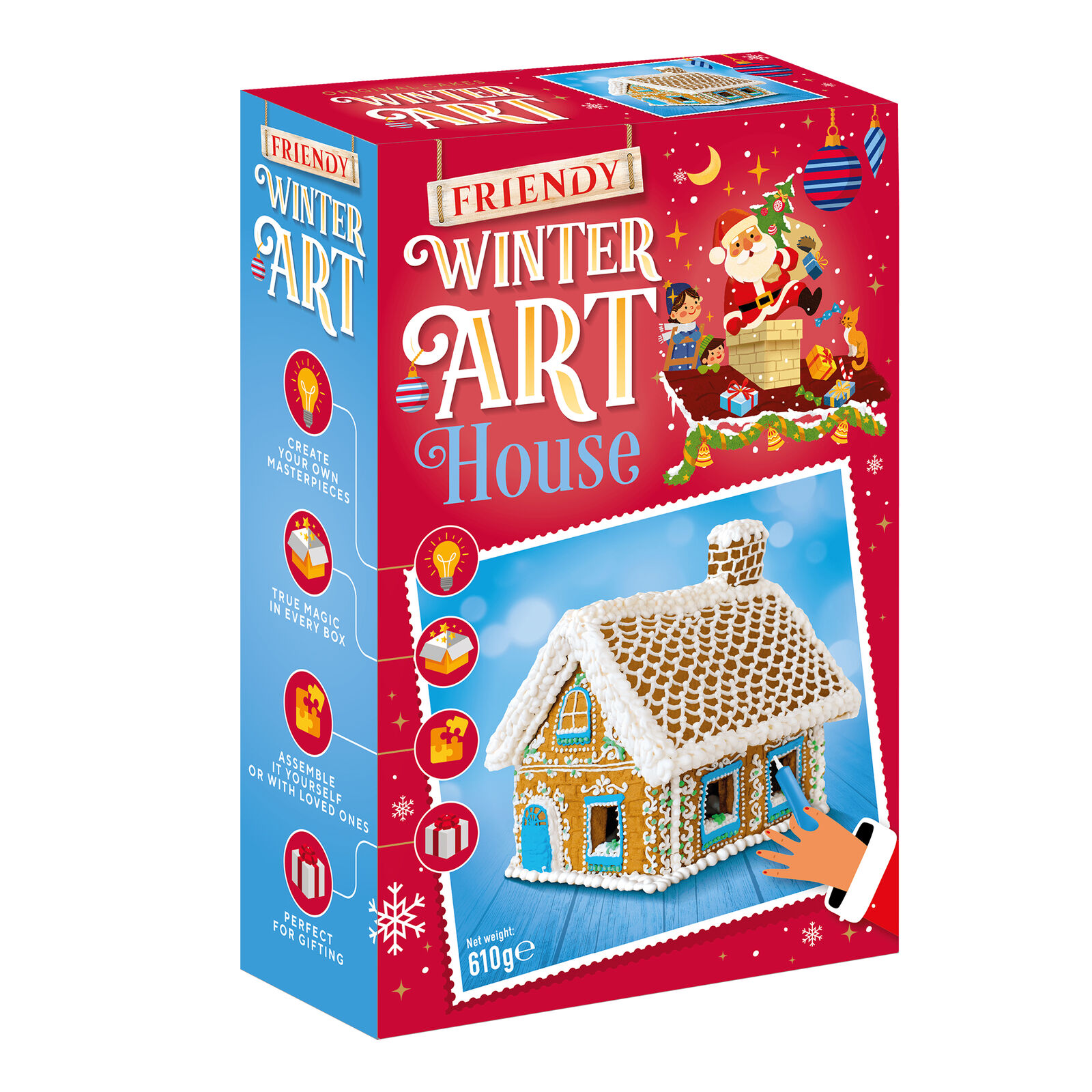
Gingerbread Biscuits and Gingerbread Spice: A Christmas Guide
The spice mix behind gingerbread, a blend you can make tonight, why some biscuits snap and others stay soft, and the gingerbread worth buying when you would rat
Read now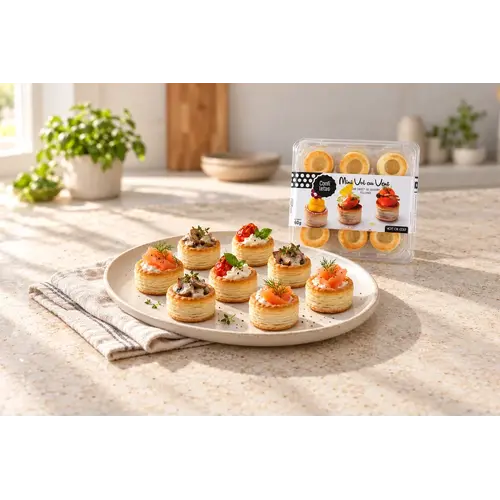
Vol au Vent Fillings: 12 Ideas for Christmas
Classic chicken and mushroom, curried egg, prawn, smoked salmon and a few sweet ones. Twelve vol au vent fillings, how many to make per guest, and how to stop t
Read nowChristmas Shortbread: Types, Tins and Millionaire's Shortbread
Butter, sugar and flour, and very little else. Why shortbread belongs at Christmas, how to tell a good one, the tins worth giving, and how to make millionaire&#
Read now