
Shatta: The Green Chilli Jar That Goes on Almost Everything
By Jodie Smith, Product & Hamper Manager at The Gourmet Pantry.
Shatta is a Levantine chilli condiment: chopped chillies in oil, salted and sharpened with something sour, spooned on at the end rather than cooked into a dish. Green shatta is made with green chillies, so it reads grassy and bright. Half a teaspoon is a serve.
Ottolenghi Green Chilli Shatta is 170g at $16.95, and it is the jar in the Ottolenghi range that is easiest to buy by mistake. Two chilli jars sit at the same 170g size within a dollar of each other, and on a grid of thumbnails they read as the same idea twice. The difference has almost nothing to do with heat. It is about when the spoon goes in.

A condiment, not a cooking sauce
The word shatta comes from the Arabic for chilli, and versions of it turn up across Levantine kitchens under different spellings and recipes. The common thread is the method: chillies chopped rather than blended smooth, salted, and held under oil with lemon juice or vinegar to keep them sharp. What comes out of the jar is loose and spoonable with real texture in it, closer to a chopped relish than to a paste.
That texture is the instruction. A blended paste is built to go into the pan: warm it in oil, stir it through a braise, rub it into meat before it roasts. Shatta is built for the plate. Spoon it over food that is already cooked and it stays green, sharp and fresh tasting. Cook it hard and you lose the raw top note, which is the part you paid for.
On a weeknight the split is simple. A paste changes a dish. Shatta finishes one. If dinner is made and tastes flat, this is the jar that fixes it in ten seconds. If you are starting a stew, reach past it.
Which chilli jar you actually want
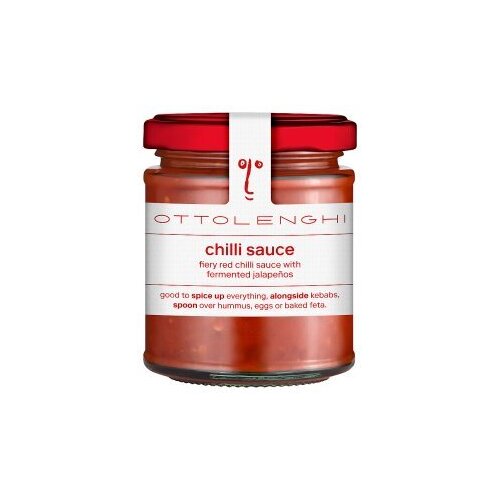
The names are doing more work than they look. A sauce is made to spread, pour or stir through, so the heat reaches every mouthful evenly. Shatta is a style of condiment: chopped chilli you spoon in small amounts, so some mouthfuls get it and some do not. Both are useful. They are just not substitutes, and buying the wrong one is how a jar ends up unopened at the back of the fridge.
| Jar | Size and price | What kind of thing it is | Reach for it when |
|---|---|---|---|
| Green Chilli Shatta | 170g, $16.95 | Chopped green chilli condiment | The food is cooked and needs lifting: eggs, prawns, roast vegetables, bread |
| Chilli Sauce | 170g, $15.95 | A sauce, made to spread and stir | You want even heat right across a plate, or a dipping sauce at the table |
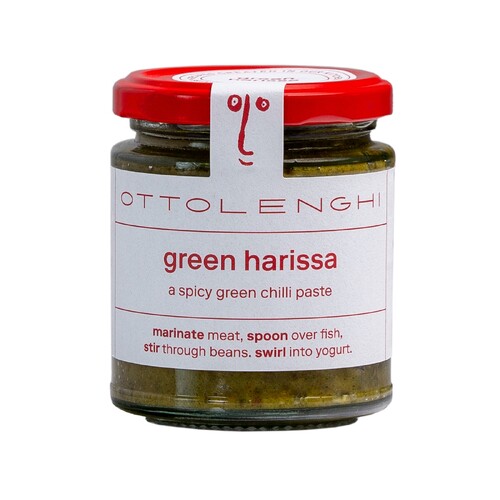
| Green Harissa | 170g, $15.95 | A green, herb led paste for cooking | Marinades, dressings and traybakes, where it goes in before the heat |
| Pilpelchuma | 180g, $15.95 | Garlic first, chilli behind | Potatoes, chicken, mince and beans, anywhere you would crush garlic anyway |
If one of these is already open in your fridge, start there. We have written up what pilpelchuma is and how to use it in the same detail, and the black garlic and scotch bonnet marinade covers the sweeter end of the range. If chilli is not the flavour you want at all, ten ways with miso pesto is the gentlest jar on the shelf.
Eight places a spoonful lands
Three rules cover almost all of it. Add it after the heat. Give it fat or dairy to land on, because chilli in oil tastes raw against plain vegetables and rounds out next to yoghurt, cheese or a good olive oil. And measure in half teaspoons the first few times, since it is easier to add a second spoon than to rescue a plate. Quantities below feed four.
- Fried eggs. Half a teaspoon spooned around the yolk, not stirred through. The oil runs into the white and the chilli pieces stay where you put them. This is the use that converts people.
- Yoghurt or labneh, as a dip. One teaspoon stirred into 250g of plain yoghurt with salt and a little olive oil. Two minutes of work and you have the sauce for flatbread, rice, roast pumpkin or a bowl of chickpeas.
- Barbecued prawns. Off the heat, then half a teaspoon per person with a squeeze of lemon. Green chilli and seafood belong together, and it saves a December lunch from being three kinds of mayonnaise.
- Roast potatoes and cauliflower. Two teaspoons over the hot tray, tossed so the oil loosens and coats everything. Never before roasting, or the fresh chilli flavour goes dull in the oven.
- A cheese board. Half a teaspoon on the plate beside a fresh goat's curd, a young pecorino or a washed rind. Sharper than a fruit paste, which is what a salty cheese wants beside it.
- Cold roast meat in a sandwich. A thin layer on one side only, with butter on the other. It does the job of both mustard and pickle, and it is the best thing to happen to leftovers on 26 December.
- Lentils, beans and rice. One teaspoon stirred through at the end with lemon and parsley. A pot of brown lentils becomes a dish rather than a side.
- A dressing for tomatoes. One teaspoon whisked into three tablespoons of olive oil with a little lemon juice and salt, over sliced tomatoes, cucumber or shaved fennel. Ten minutes in the fridge and the oil carries the chilli right through the bowl.
One habit keeps the jar honest: a clean dry spoon, every single time. Crumbs and wet spoons are what spoil a preserve.
New jars, as they land.
Christmas ordering reminders and new arrivals, one email when it matters. Unsubscribe any time.
Shatta questions we get asked
Is shatta the same as harissa?
No, and the difference is method rather than heat. Harissa is blended to a paste and built for cooking, so it goes in at the start and holds up to a hot pan. Shatta is chopped chilli held in oil and built for the plate, so it goes on at the end. Harissa can be pressed into service as a condiment at a pinch. Using shatta as a cooking paste wastes it, because the fresh green note is the first thing to cook away. Green harissa and green chilli shatta are both 170g and a dollar apart, which is exactly why the two get confused.
How hot is green chilli shatta?
Hot enough to notice at half a teaspoon, and comfortable at that dose. Nobody can give you a trustworthy number for a jar of chopped chilli, and anyone quoting one is guessing. Green chillies read sharper and more herbal than dried red ones, so the heat arrives quickly and then clears rather than building through a meal. Start with half a teaspoon, taste, and put the jar on the table so people can add their own. Yoghurt or plain bread pulls it back for anyone who goes too far.
What do you eat shatta with?
Eggs, first and always. After that: flatbread and yoghurt, grilled prawns and fish, roast potatoes and cauliflower, cold meat sandwiches, lentils and beans, a cheese board, and whisked into an olive oil dressing for tomatoes. As a rule, it belongs on anything cooked and a little rich that would be better for a sharp green edge.
How long does shatta keep in the fridge?
Go by the best before date and any after opening instruction printed on the jar, since that is the only guidance specific to what you are holding. Beyond that, treat it as you would any chilli under oil: refrigerate once open, clean dry spoon every time, oil kept over the top of the chilli. Cold thickens the oil, so it will look set when it comes out. Ten minutes on the bench and it loosens again.
Where to start
Start with eggs on a Saturday morning, and by the second jar you will stop measuring. Ottolenghi Green Chilli Shatta is $16.95 for 170g and sits with the rest of our gourmet condiments, alongside the other chilli jars in the Ottolenghi range. If it is a gift rather than a Tuesday, our Ottolenghi hampers are built from the same shelf and sit with the wider Christmas hampers. Everything we range gets tasted before it goes on the shelf, orders placed before 12pm on a weekday are dispatched the same day from our Corio, VIC warehouse, tracked with Australia Post, and shipping is free Australia-wide on orders over $100.
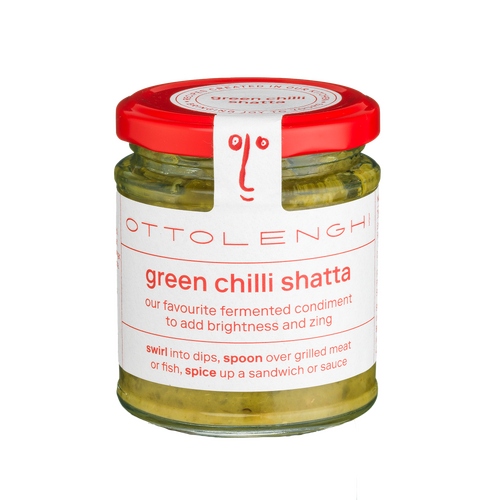
Ottolenghi Green Chilli Shatta (170g)
$16.95
Hand-packed and dispatched from our Corio, Victoria warehouse, with free delivery Australia-wide on orders over $100.
More from the blog.

Gingerbread Biscuits and Gingerbread Spice: A Christmas Guide
The spice mix behind gingerbread, a blend you can make tonight, why some biscuits snap and others stay soft, and the gingerbread worth buying when you would rat
Read now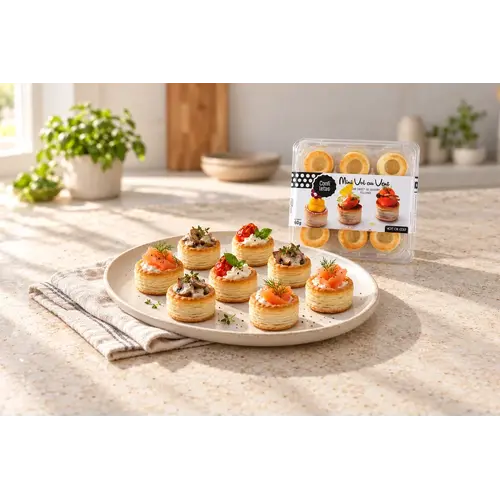
Vol au Vent Fillings: 12 Ideas for Christmas
Classic chicken and mushroom, curried egg, prawn, smoked salmon and a few sweet ones. Twelve vol au vent fillings, how many to make per guest, and how to stop t
Read nowChristmas Shortbread: Types, Tins and Millionaire's Shortbread
Butter, sugar and flour, and very little else. Why shortbread belongs at Christmas, how to tell a good one, the tins worth giving, and how to make millionaire&#
Read now