
Ottolenghi Pilpelchuma: What It Is and How to Use It
By Jodie Smith, Product & Hamper Manager at The Gourmet Pantry.
Pilpelchuma is a Libyan garlic and chilli paste, and the garlic leads. Use about a teaspoon per person. Warm it in oil for 20 seconds to soften the raw garlic, or loosen it with lemon juice and olive oil, then spoon it over roast potatoes, chicken, eggs, beans or warm bread.
It is a cooking paste rather than a table sauce, so a jar goes further than the size suggests. Ottolenghi Pilpelchuma is 180g at $15.95, and one spoonful covers the garlic, the chilli, the paprika and the caraway you would otherwise measure out one at a time.
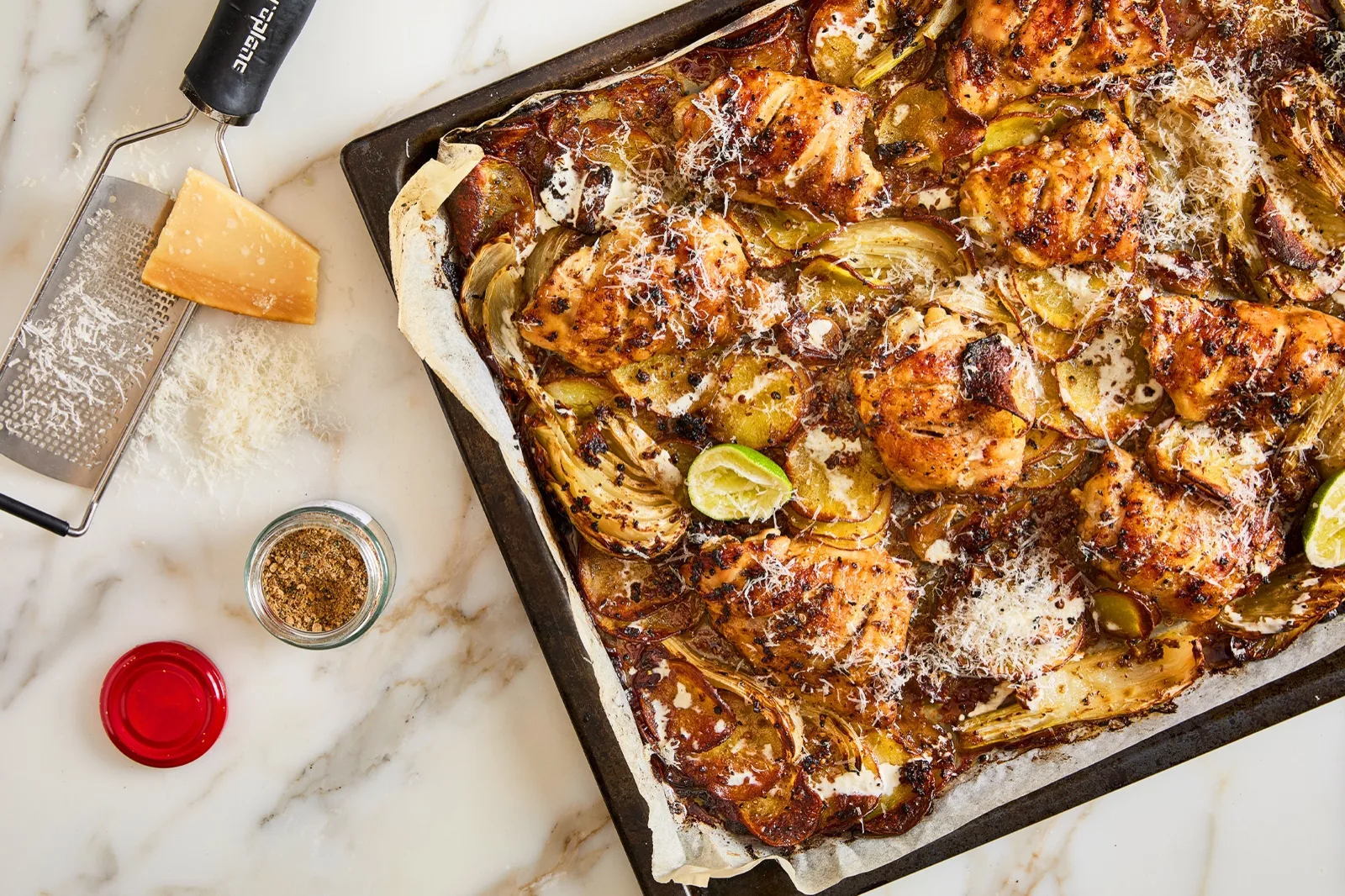
Pilpel is chilli, chuma is garlic
The name is the recipe. In the Judeo-Arabic of Libya, pilpel is chilli and chuma is garlic, so the label tells you what is in the jar before you open it. The paste comes out of Libyan Jewish cooking, carried from Tripoli into Israeli kitchens, and it sits on the shelf beside harissa and shatta doing a job neither of them does.
The traditional build is a lot of garlic, ground dried red chilli, sweet paprika, caraway and cumin, salt, and enough oil to hold it together. The ratio is the point. Harissa is chilli led with spice behind it. Pilpelchuma is garlic led, so it behaves like a spiced garlic paste that happens to be hot, not a hot sauce that happens to contain garlic.
How hot it is
Garlic arrives first, then a steady heat that builds instead of biting. It is properly spicy, but the burn is level and it fades, which puts it well below a fermented chilli sauce on the scale of unpleasant surprises. If someone at the table is heat shy, cook with it rather than spooning it on raw, and put a bowl of yoghurt out.
Straight from the jar the garlic tastes raw and forward, which is fine on a sandwich and less good in a finished sauce.
Where to put it, and how much
These are the doses we keep coming back to. A 180g jar holds around 30 teaspoons, which is a dozen dinners out of one lid.
| What you are cooking | How much | The move |
|---|---|---|
| Roast potatoes | 1 tbsp per 1kg | Parboil, roast hard, then toss the hot potatoes in the tray with the paste loosened in olive oil. |
| Chicken thighs and drumsticks | 2 tbsp per 1kg | Rub it in with lemon wedges and sliced onion, roast at 200°C for about 40 minutes. Marinade, rub and pan sauce in one. |
| Eggs | a smear, up to 1 tsp | Under a fried egg, or stirred into the tomatoes for shakshuka. The use most people land on first. |
| Lamb or beef mince | 3 tbsp per 400g | Kofte, meatballs or burger patties, with grated onion, coriander and a little breadcrumb to keep them tender. |
| Chickpeas and white beans | 1 tsp per tin | Stir it through off the heat at the end of cooking, then add lemon and either tahini or crumbled feta. |
| Butter for bread | 1 tsp per 100g | Beat into softened butter, spread on split flatbread or a baguette and bake until the edges catch. |
| Yoghurt or mayonnaise | 1 tsp per 200g | A dip for chips and raw vegetables, or the sauce in a boiled egg sandwich. |
Keep the jar in the fridge once it is open and use a clean dry spoon, because water is what turns a garlic paste dull. Oil rising to the top is normal, so stir it back through.
The one technique worth learning
Twenty seconds in warm oil changes the paste. The raw garlic edge drops away, the paprika turns sweet, and the oil carries the flavour into whatever goes in next. Do it before the onions, before the rice, before the tomatoes for shakshuka. On meat, ten minutes of sitting before it hits the heat does the same job.
The opposite move works too. Cut the paste with something cold and creamy and the heat spreads out instead of spiking. Yoghurt, tahini, mayonnaise and softened butter all take a teaspoon happily, and all four turn the paste into a sauce for food that is already cooked.
The recipe that shows it off
Our lamb kofte with pilpelchuma pine nut oil uses the jar twice, which is the clearest lesson in how it behaves. Three tablespoons go into 400g of lamb mince with grated onion, coriander, panko and an egg, and cook through inside the kofte. Another one and a half tablespoons go into hot oil with toasted pine nuts, off the heat, and get spooned over at the end. One dose seasons the meat from the inside, the other lands on top while it is still fragrant.
Pilpelchuma, harissa and shatta do different jobs
They live on the same shelf and they are not interchangeable. Harissa is built on red chilli with cumin, coriander seed and caraway, and the better jars add something that is not heat at all. The rose, pomegranate and preserved lemon harissa is the brightest of ours at $15.95, and it suits lamb, tomato and long cooking. Our guide to cooking with harissa paste sets out the doses.
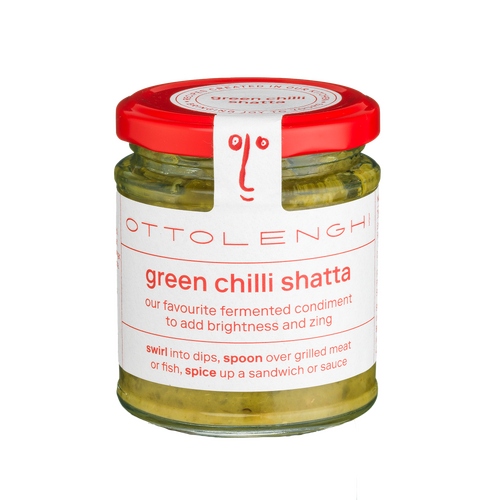
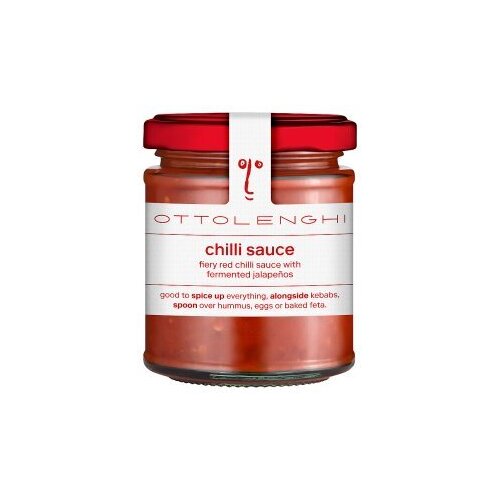
Ottolenghi chilli sauce is a different animal. Fermented red chillies make it sharp, acidic and pourable, so it goes on after cooking, over hummus or eggs or a kebab. Green chilli shatta is the fermented green version, sour and zingy, and it belongs on finished food rather than in the pan.
Pilpelchuma sits apart from all three because of the garlic. Reach for it where you would otherwise be crushing cloves: potatoes, chicken, mince, beans, bread. Across the Ottolenghi range the chilli pastes and sauces run from $12.95 to $16.95, so the choice is about what you cook rather than what you spend. If chilli is not the flavour you are after at all, ten ways with miso pesto is the gentlest way onto the same shelf.
Pilpelchuma questions we get asked
What is pilpelchuma?
A Libyan Jewish chilli and garlic paste, traditionally made with crushed garlic, ground dried red chilli, sweet paprika, caraway and cumin, bound with oil. The name says it plainly: in Libyan Judeo-Arabic, pilpel is chilli and chuma is garlic. It works as both a cooking paste and a condiment, much the way harissa does.
How spicy is pilpelchuma?
Warm rather than fierce. The garlic hits first and the chilli follows as a steady heat that builds and then fades, easier to eat than the sharp burn of a fermented hot sauce. Start with a teaspoon per person, cook it in oil rather than spooning it on raw if you want it gentler, and serve yoghurt or tahini alongside.
What can I use pilpelchuma in?
Roast potatoes and root vegetables, chicken traybakes, lamb kofte and meatballs, fried eggs and shakshuka, chickpeas and white beans, roast cauliflower, garlic butter for bread, and yoghurt or mayonnaise as a dip. As a rule it belongs anywhere a recipe asks for garlic plus chilli plus paprika.
Is pilpelchuma the same as harissa?
No. Both are red chilli pastes with North African roots and both are made for cooking, but the balance is reversed. Harissa leads with chilli and warm spice, and it is at its best with lamb, tomato and slow cooking. Pilpelchuma leads with garlic, so it belongs where garlic is the flavour you want and the chilli is support.
Where to start
Start with the potatoes, then the eggs, and by the third use you will stop measuring. Ottolenghi Pilpelchuma is $15.95 for 180g and sits with the rest of our gourmet condiments. We taste everything we range before it goes on the shelf, orders placed before 12pm on a weekday are dispatched the same day, and shipping is free Australia-wide on orders over $100.
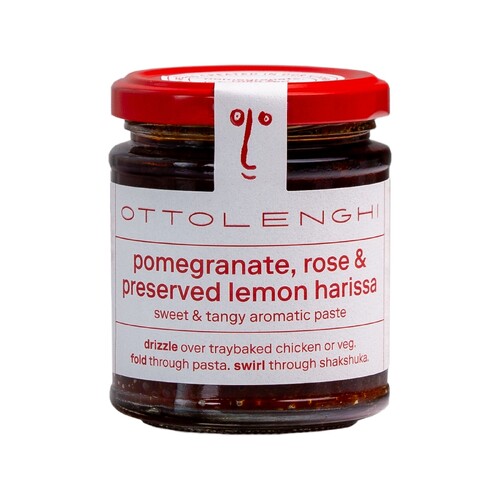
Ottolenghi Rose, Pomegranate and Preserved Lemon Harissa (170g)
$15.95
Hand-packed and dispatched from our Corio, Victoria warehouse, with free delivery Australia-wide on orders over $100.
More from the blog.
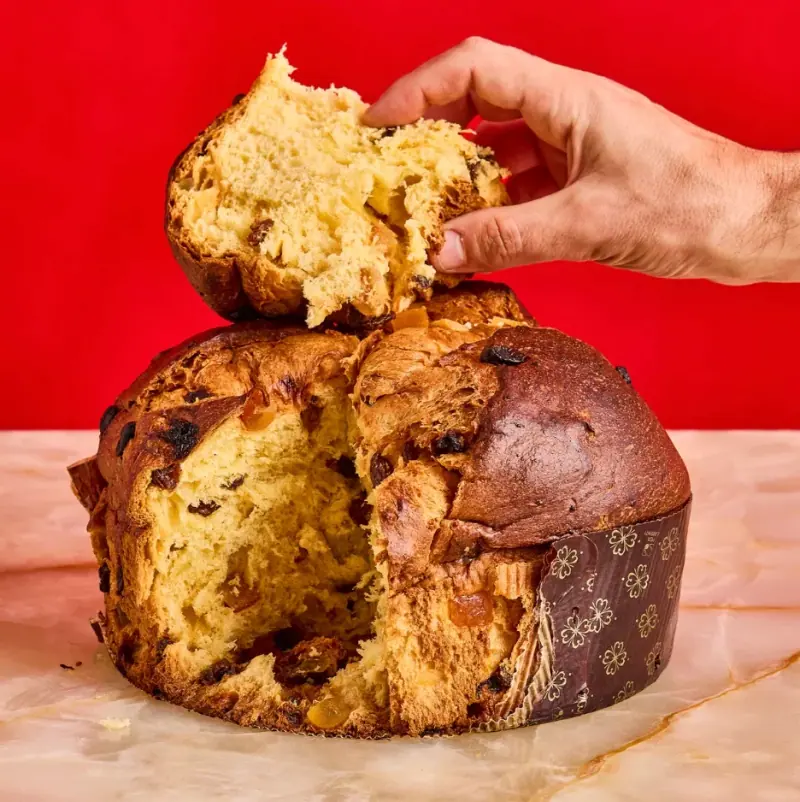
What Is Panettone?
A tall, domed Italian Christmas bread made over three days with a living sourdough starter. Here is what separates a good panettone from a cheap one.
Read now
Gluten-Free Panettone in Australia
Gluten-free panettone is one of the hardest things in baking to get right. Here is why, what separates a good one from a dry one, and how to serve it.
Read now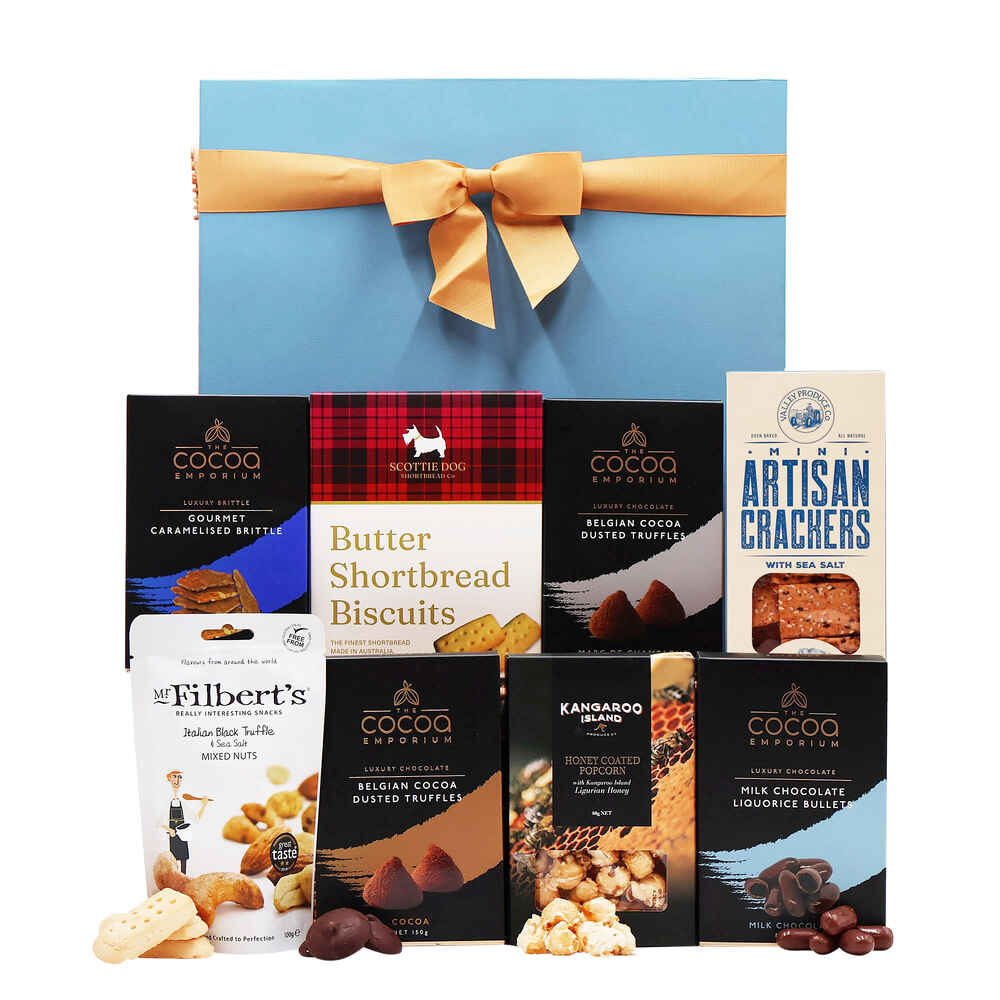
The Foodies Hamper: Eight Items, and What a Cook Does With Each
Eight packets, six of them sweet, and not a jar of anything in sight. What is actually in the box, and what somebody who cooks can do with each item once the ri
Read now