
Nine Ways to Use Ottolenghi Black Garlic and Scotch Bonnet Marinade
By Jodie Smith, Product & Hamper Manager at The Gourmet Pantry.
Brush it onto chicken thighs, aubergine, pork ribs and prawns, or stir a spoonful through warm chickpeas. Ottolenghi Black Garlic and Scotch Bonnet Marinade is sweet first and hot second, so it suits almost anything you grill, roast or barbecue. Nine ways to use the jar are below, with an honest note on how hot it really is.
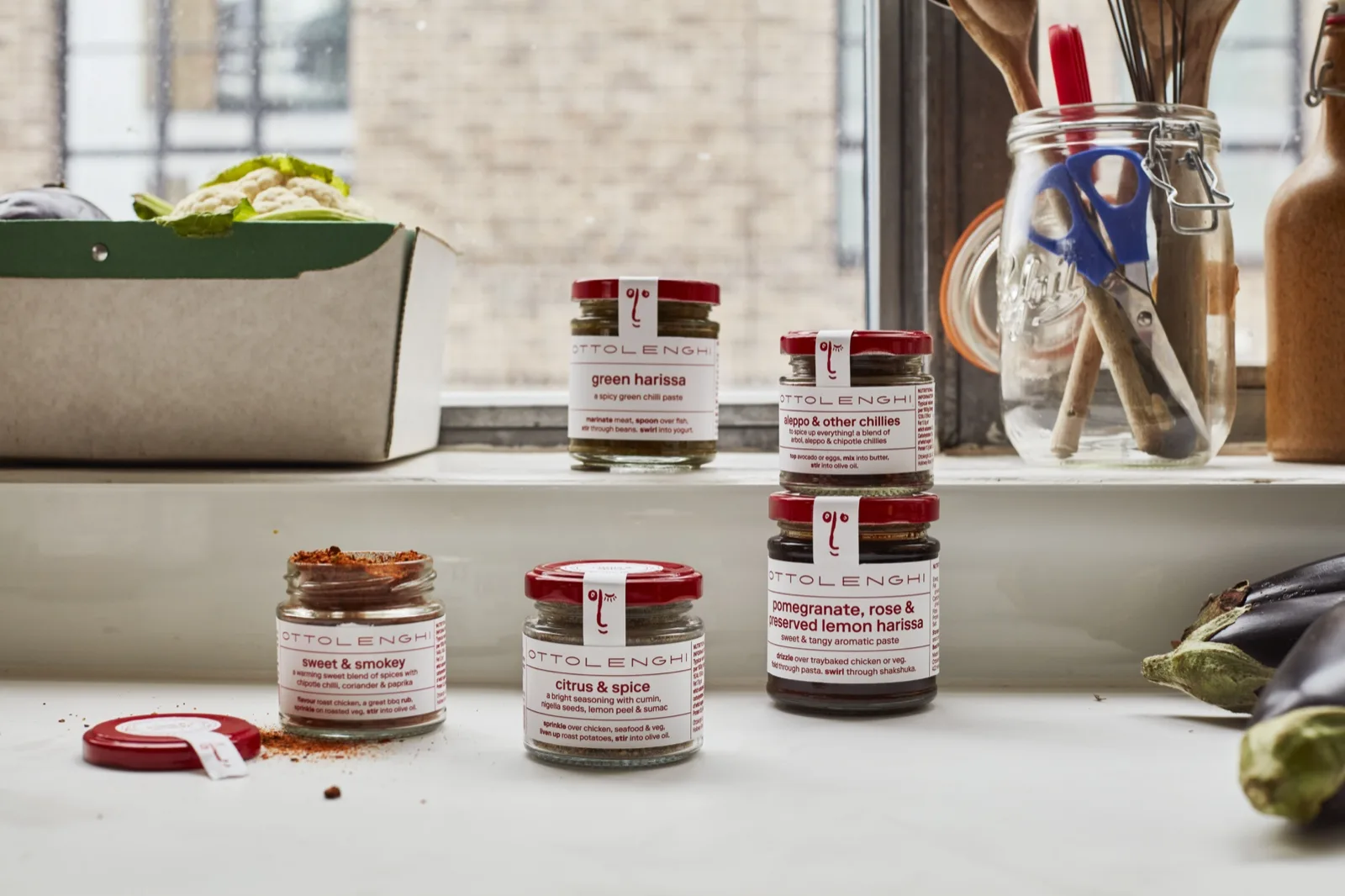
Ottolenghi Black Garlic and Scotch Bonnet Marinade is a 270g jar at $22.95, thick and dark and closer to a paste than a pourable marinade. Two names on the label, two very different jobs: aged garlic brings the sweetness, a Caribbean chilli brings the heat.
Black garlic is not garlic as you know it
It starts as ordinary garlic. Whole bulbs are held for weeks at low heat and high humidity until the cloves turn soft, sticky and black. It is usually described as fermented, though what is really happening is slow browning, the same reaction that turns onions sweet in a pan, stretched over weeks instead of an hour.
What comes out tastes almost nothing like what went in. No raw bite, no harsh finish. It reads dark and sweet instead: balsamic, tamarind, dried figs, with a savoury hum underneath that tells you it is still garlic. That sweetness is why the jar works on vegetables as readily as on meat, and why it caramelises so willingly under heat.
How hot it is, and how to soften it
Scotch bonnets are Caribbean chillies from the habanero family, squat and lantern shaped, fruity as well as fierce. On the Scoville scale they run well north of 100,000 units against a jalapeño's few thousand. That is a genuinely hot chilli, and it is worth knowing before you brush a whole jar over dinner.
In this jar the black garlic buffers it. The sweetness lands first and the chilli arrives a beat later, then builds. Warm rather than fierce is the fair description, but the heat is real and it accumulates over a plateful. Taste it off a teaspoon before you commit it to a meal for small children or for anyone who eats chilli reluctantly.
Three ways to take the edge off, best first. Stir it into yoghurt or coconut cream, because fat carries capsaicin away and you keep all the flavour. Loosen it with olive oil and lime juice, which spreads the same heat further across the dish. Or use less and put a spoonful of honey alongside. What does not help is more salt or a longer cook. Chilli heat does not burn off.
Nine ways to use it
- Aubergine, the way the jar was designed. Halve, score the cut face in a diamond, brush generously and roast at 200°C for 30 to 35 minutes until collapsing. Ottolenghi's own suggestion, and the dish that shows off the sweetness best.
- Chicken thighs, skin on. Coat them and leave 2 hours or overnight, then roast at 200°C for 35 to 40 minutes. The skin goes dark and glossy at the edges.
- Pork ribs. Cook them covered at 160°C until the meat gives, then brush and finish over the barbecue or under a hot grill for the last 10 minutes. Brushing early only burns it.
- Prawns. Fifteen minutes in the marinade is plenty. Grill them hot and fast, then finish with lime.
- Halloumi and firm tofu. Brush both sides, grill until striped. The salt of the halloumi meets the chilli halfway and the sugars catch beautifully.
- Roast cauliflower or pumpkin. Roast plain until the edges take colour, then toss with a spoonful off the heat so nothing scorches.
- A tin of chickpeas. Warm them through with a tablespoon of marinade and a splash of their liquid, then pile onto flatbread with yoghurt. Ten minutes, one pan, dinner.
- A finishing butter. Mash a teaspoon into softened butter and let it melt over corn on the cob, a steak, or barbecued lamb.
- Cold cuts the day after. Stirred into mayonnaise it becomes the sauce for a cold roast meat sandwich, and it beats any chutney on a Boxing Day roll.
Where it catches you out
Two things go wrong, and both are avoidable. The first is sugar. Black garlic is sweet, sugar burns, and the heat that suits a plain oil marinade takes this one past caramel and into bitter. Roast at 200°C rather than 220°C, line the tray with baking paper, and on the barbecue keep the food over indirect heat and brush it on near the end rather than the start. Watch the colour, not the clock. Deep glossy brown is where you stop.
The second is the bowl. Spoon out whatever you want for serving before raw chicken or prawns go anywhere near it. Marinade that has touched raw protein goes in the bin unless you boil it hard for a couple of minutes.
Which Ottolenghi marinade for which dinner
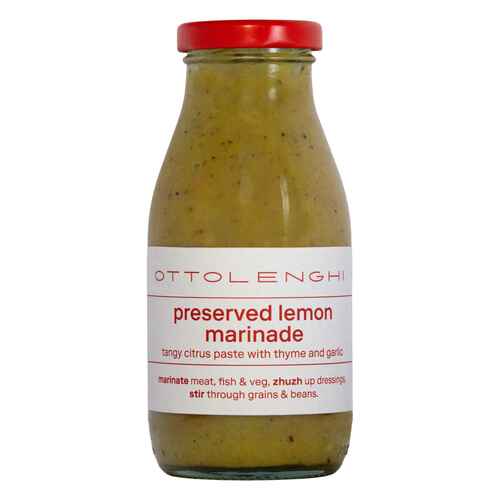
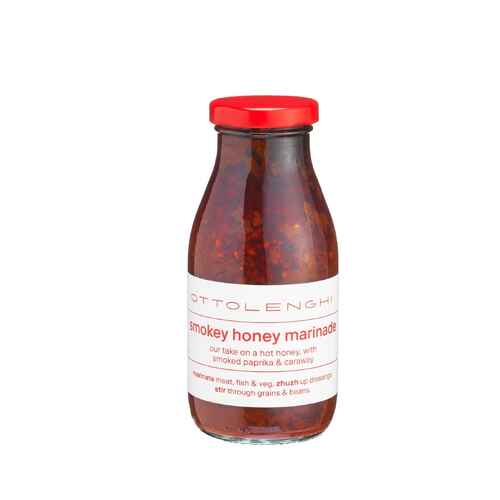
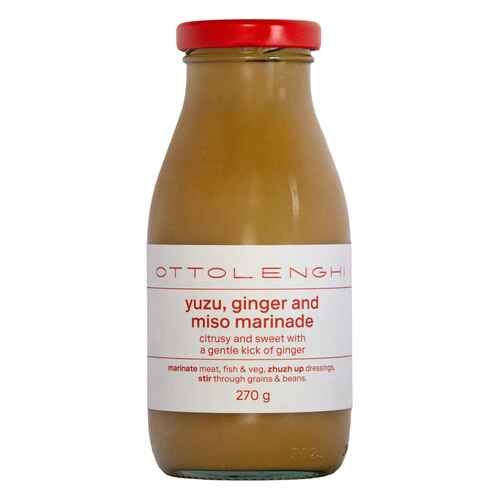
Four big jars share the shelf at $22.95 and they barely overlap. This is the sweet and hot one, for aubergine, chicken thighs and anything headed for the grill. Smokey Honey is caraway, chipotle and smoked paprika over a hot honey base, the classic char for roast chicken, root vegetables and halloumi. Yuzu, Ginger and Miso goes the other way, citrus sharp and savoury, for salmon, prawns and green beans. Preserved Lemon is the salty, herb led jar for fish and roast cauliflower, and the one for a table where nobody wants heat at all.
If it is heat you are chasing rather than a marinade, Ottolenghi Pilpelchuma is the Libyan garlic and chilli paste, garlic in front with the heat behind. We have also put three marinades on the barbecue side by side, and the rest of the range sits under sauces and mixes and across the Ottolenghi range.
Questions we get asked
How hot is a scotch bonnet marinade?
Hot, but buffered. Scotch bonnets belong to the habanero family and run well over 100,000 Scoville units, so the chilli itself is fierce. Here it is carried by a lot of sweet black garlic, so the heat arrives after the sweetness and builds rather than hits. Anyone who enjoys a hot curry will be comfortable. Taste it on a spoon first if you are cooking for children.
What does black garlic taste like?
Sweet and dark rather than sharp. Garlic aged for weeks under gentle heat loses its raw bite completely and picks up balsamic, tamarind and dried fig notes, with a soft savoury weight underneath. The texture turns sticky, almost jammy. If you are bracing for garlic breath, there is none of it here.
What meat suits black garlic and scotch bonnet?
Chicken thighs and pork take it best. Both carry enough fat to hold the sweetness and enough oven time to caramelise it, so ribs, pork belly and thigh fillets are the obvious picks. Lamb works, prawns are good in short bursts, and aubergine handles it as well as any meat. Skip delicate white fish, where the chilli buries it.
Can you use it without cooking it?
Yes. It is ready to eat straight from the jar, so it doubles as a dressing or a dip. Thin two tablespoons with a tablespoon of olive oil and a squeeze of lime, or stir a teaspoon through yoghurt. Only the batch that has touched raw meat or seafood has to be cooked or thrown out.
Where to start
Start with chicken thighs on a Wednesday, then aubergine on the weekend when there is time to let it collapse properly. By the bottom of the jar you will reach for it the way you reach for chilli oil.
Australian Christmas cooking happens on the barbecue more than in the oven, which is the season this jar was built for. Pick up the black garlic and scotch bonnet marinade on its own, browse the barbecue and grilling sets if you are buying for someone who lives at the grill, and the food gifts we build around jars like this one sit under Christmas hampers. Shipping is free Australia wide on orders over $100, and if there is cold roast meat left afterwards, we have what to do with leftover Christmas ham written up too.
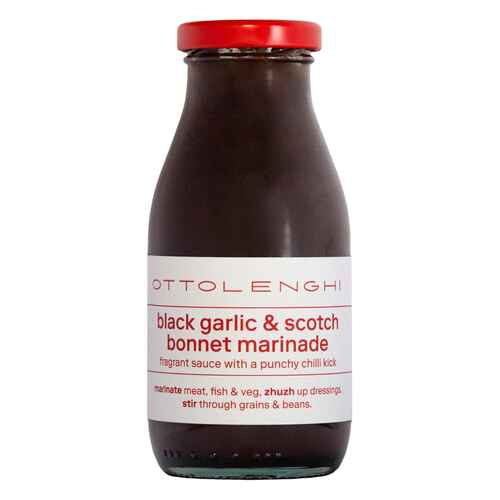
Ottolenghi Black Garlic and Scotch Bonnet Marinade (270g)
$22.95
Hand-packed and dispatched from our Corio, Victoria warehouse, with free delivery Australia-wide on orders over $100.
More from the blog.
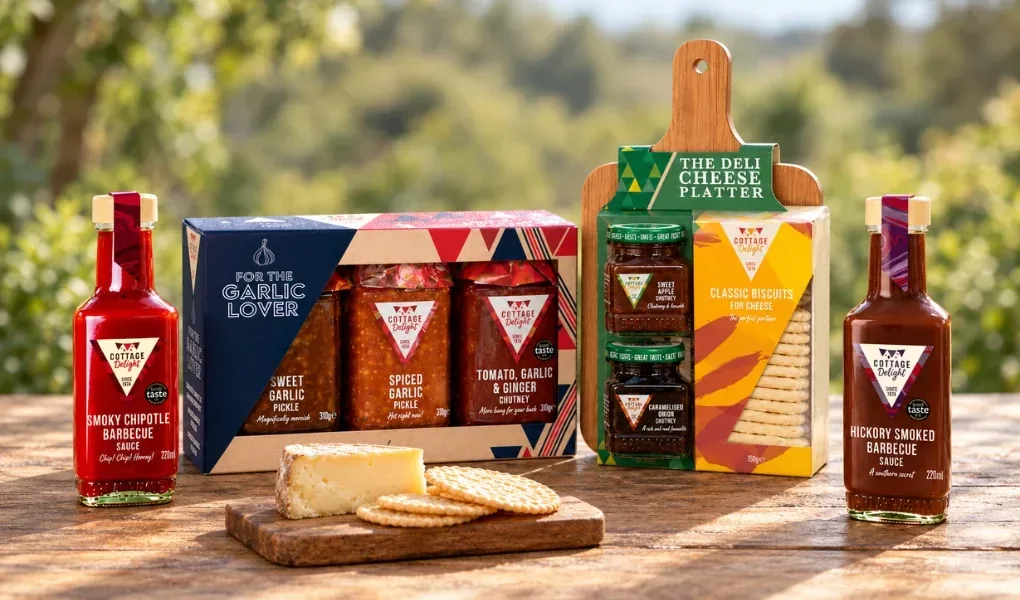
Christmas Gifts for the Dad Who Loves to Eat: 2026 Gift Guide
Seven Cottage Delight gift packs for the dad who loves to eat, from $29.95 stocking fillers to a six-jar Cheese Tree, with what is inside each one.
Read now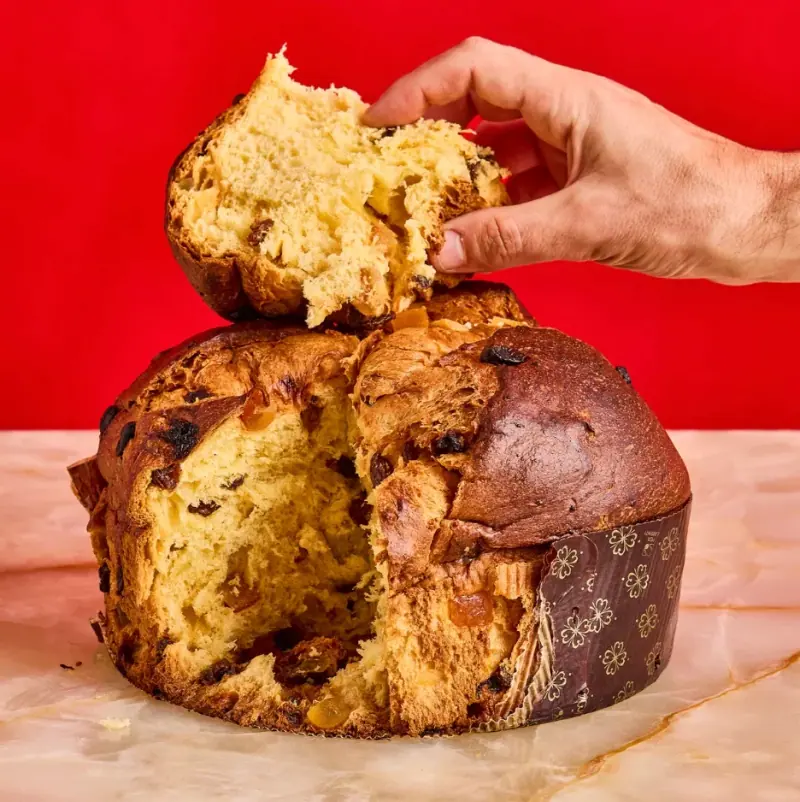
What Is Panettone?
A tall, domed Italian Christmas bread made over three days with a living sourdough starter. Here is what separates a good panettone from a cheap one.
Read now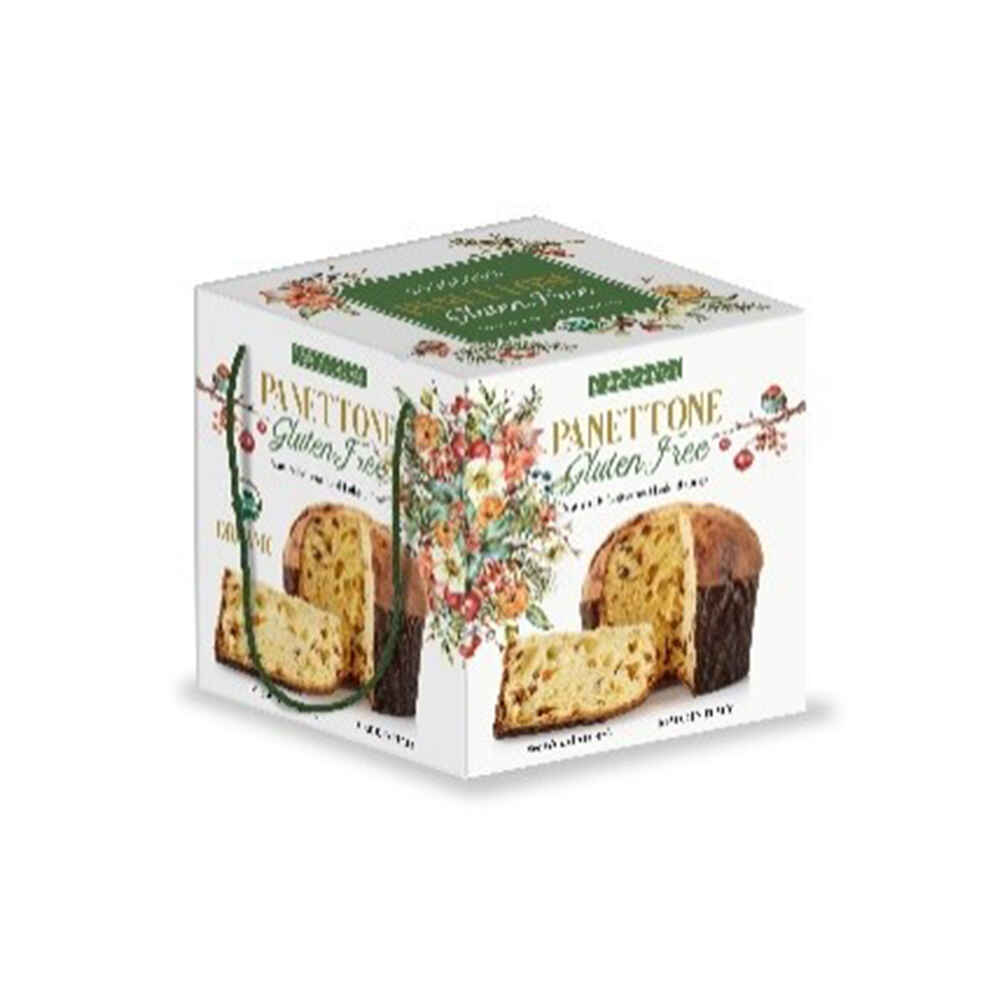
Gluten-Free Panettone in Australia
Gluten-free panettone is one of the hardest things in baking to get right. Here is why, what separates a good one from a dry one, and how to serve it.
Read now