
Christmas Charcuterie Board, Built From the Pantry
VPC Valley Seed Crisps Fig and Olive 150g
$6.95
Hand-packed and dispatched from our Corio, Victoria warehouse, with free delivery Australia-wide on orders over $100.
A Christmas charcuterie board is cured meat, cheese and everything that goes beside them, laid out on one board so people can graze while lunch finishes cooking. For eight guests, allow about 400g of meat, 500g of cheese and eight crackers each. Buy the pantry half now and the meat and cheese two days out.
The pantry half is the part worth planning, because it is the part that sells out in December and the only part you can safely buy in September. Crackers, olives, chutney, nuts and fruit paste keep in a cupboard for months. They are also what stops a board looking like a plate of meat with some cheese on it. The easiest way to build one is in pieces: a jar here, a packet of crisps there, over a few weeks, rather than in a single trolley dash on Christmas Eve.
The crisps and crackers below come from our crackers built for a board range, and the bon bons, sauces and pastry cases that finish the rest of the table sit in festive entertaining essentials. The meat and cheese come from your deli, because that is where they belong: fresh, sliced to order, eaten within the week.
Serves 8 as a pre-lunch graze | Prep 25 minutes | No cooking
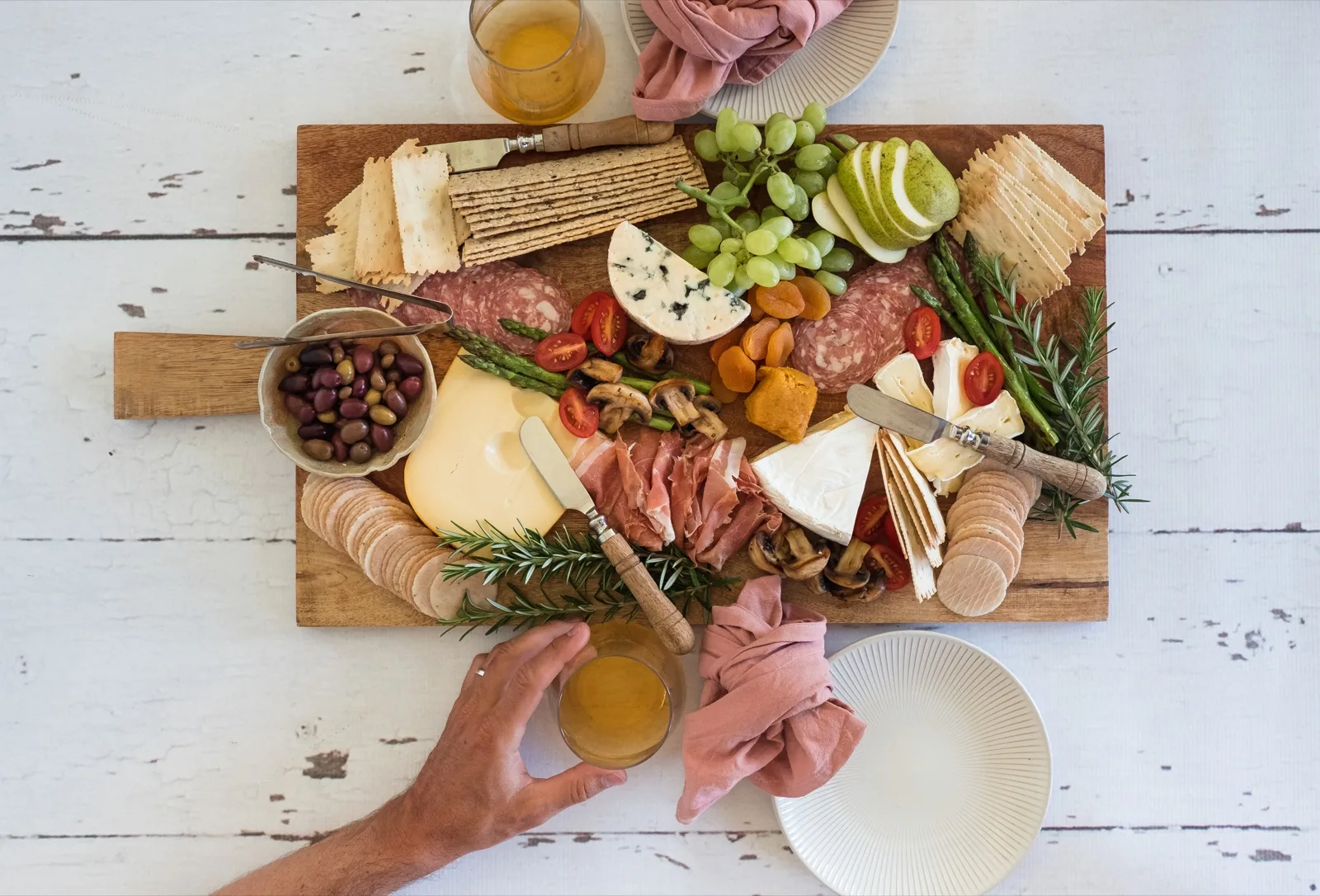
What goes on a Christmas charcuterie board
Five jobs. Every item on the board does one of them, and a board that misses one feels flat no matter how much you spend.
- Salt. Three cured meats with different textures: something silky like prosciutto, something firm like a mild salami, something with pepper or fennel in it.
- Cheese. Three, and no more, or nobody remembers any of them. A soft one, a hard one, a blue.
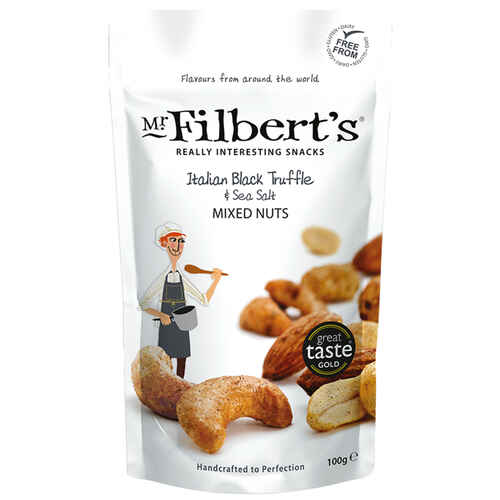
- Crunch. Two or three crackers of different shapes, plus a bowl of nuts.
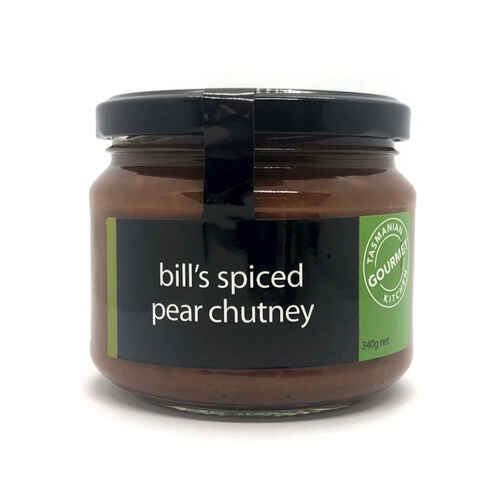
- Sweet. Chutney or fruit paste, and fresh fruit cut at the last minute.
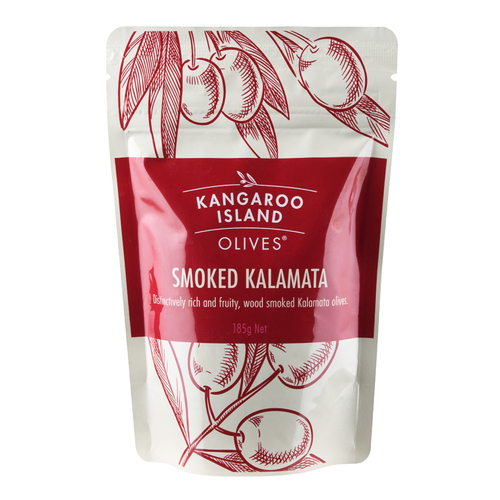
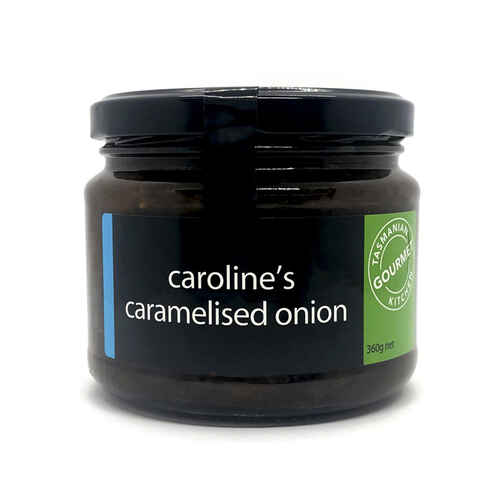
- Sharp. Olives, caramelised onions or cornichons, to cut through the fat.
Method
How to build it
Take the cheese out of the fridge 45 minutes before people arrive. Cold cheese tastes of almost nothing, and in a hot room it will soften on the board anyway.
Choose a board bigger than you think you need, then put three small bowls on it before anything else: olives in one, pear chutney in another, caramelised onions in the third. Everything is arranged around them.
Place the three cheeses well apart, and cut each one differently. Wedge the hard cheese, leave the soft one whole with the top scored, crumble the blue. Different shapes read as different cheeses from across the room.
Fold the cured meat rather than laying it flat. Ribbon the prosciutto loosely so air runs through it, fold the salami slices in half twice into little fans, and let each meat run in a river between two cheeses.
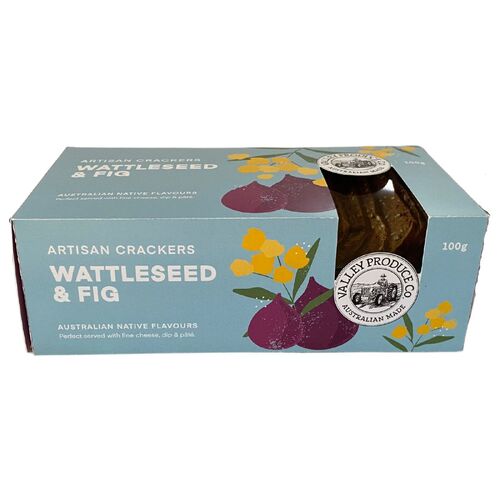
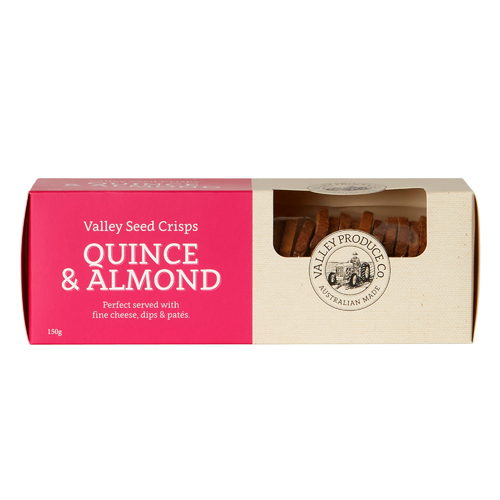
Fan the crackers along one edge and stand a few upright against the bowls. Keep the seed crisps in one block so they stay whole, and refill from the packet rather than piling them all on at the start.
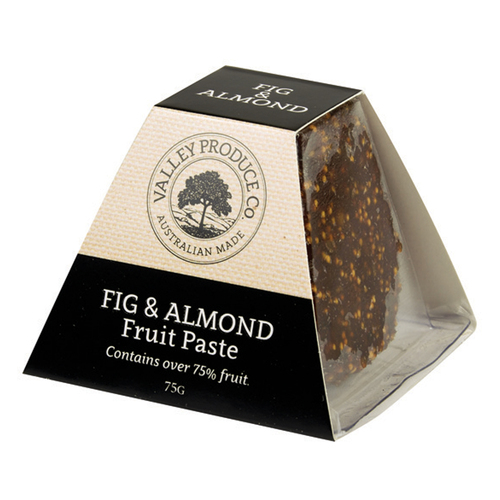
Slice the fruit paste into thin fingers and lay them next to the blue cheese. Sweet and salty next to each other saves people working out what goes with what.
Fill every remaining gap with the truffle nuts, grape clusters and rosemary sprigs. A board looks generous when you cannot see the wood, so keep going until the surface is covered.
Slice the pears or figs last, just before the board goes out, so the cut edges stay bright. Put out two small knives and stand back.
Questions we get asked
What do you put on a charcuterie board in Australia?
Charcuterie means the meat, so start there: three cured meats of different textures. Then three cheeses, two or three crackers, something sweet like chutney or fruit paste, something sharp like olives, and fresh fruit. For an Australian December, favour hard cheese over very soft, keep the board out of the sun, and cut fruit at the last minute so it does not weep.
How much charcuterie per person?
As a graze before lunch, allow 50g of cured meat and 60g of cheese a head, plus eight or so crackers. If the board is the meal, roughly double it to 100g of meat and 120g of cheese. Too big beats too small, and the leftovers become very good sandwiches on Boxing Day.
How far ahead can you make a charcuterie board?
Buy the pantry items weeks ahead and build the board about 40 minutes before guests arrive. You can lay out the dry parts an hour or two early, crackers, nuts, fruit paste and the empty bowls, and cover them with a clean tea towel. Add meat, cheese and cut fruit last so nothing sweats or dries at the edges.
What is the difference between a charcuterie board and a cheese board?
A cheese board leads with cheese and treats everything else as support. A charcuterie board leads with cured meat, and cheese is one of several things sitting alongside it. Most Australian Christmas boards are honestly both, which is fine. If you want the cheese-first version, we set that out step by step in our cheese board method.
Buy the pantry half once
We hand-pack hampers in Corio, Victoria, and a board follows the same rule we use there: nothing goes in that we have not tasted. Order the jars, crackers, nuts and fruit paste in one go and they will keep happily until Christmas, with free Australia-wide shipping on orders over $100. Add the bon bons and the rest of the table from festive entertaining essentials while you are there, or if you would rather we did the packing, the same things turn up inside our Christmas hampers.
Products in this recipe
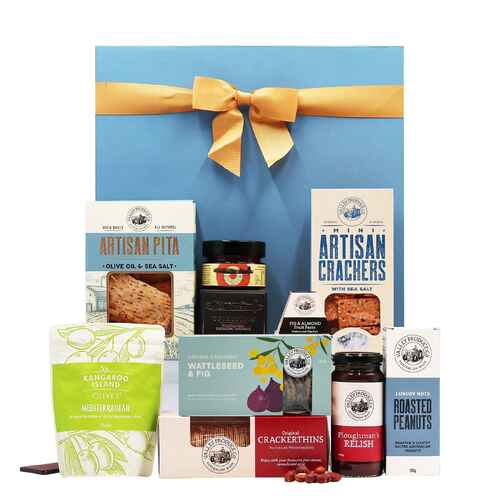
$84.95
More recipes.
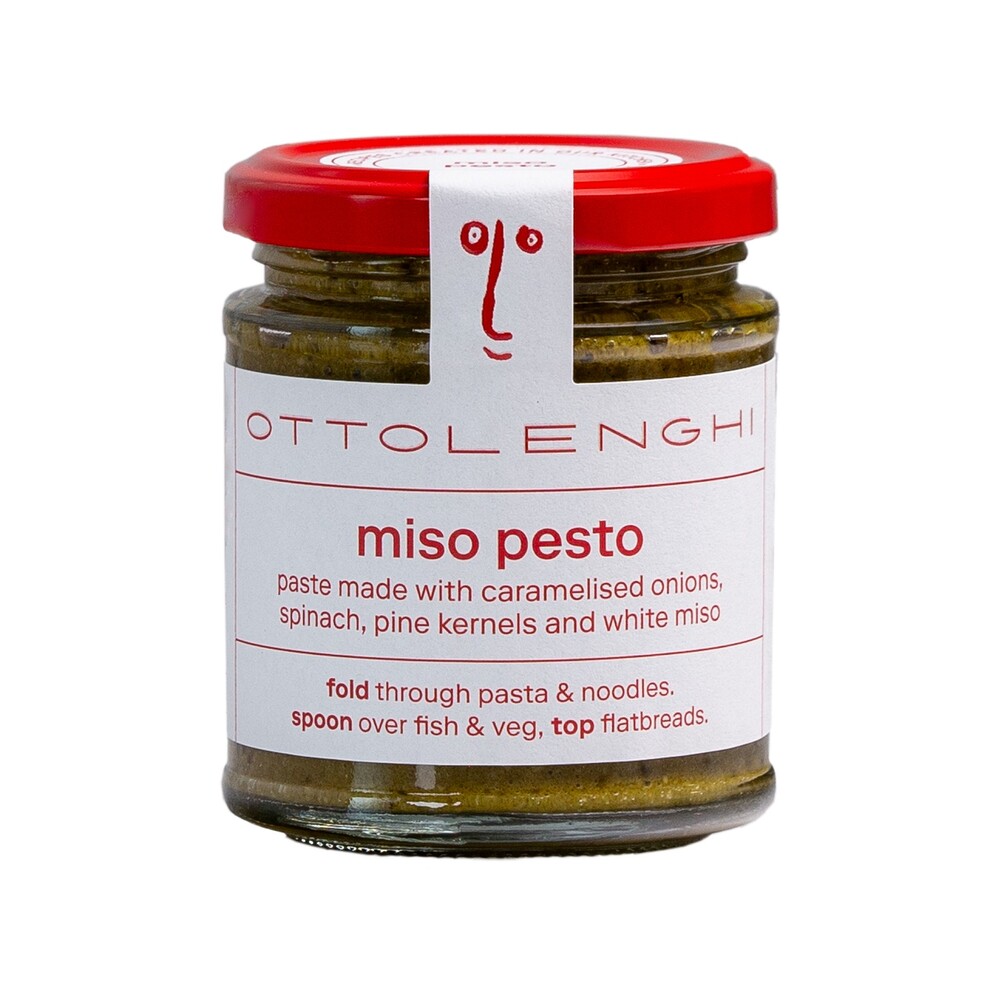
Miso Pesto Potato Salad With Crushed Roast Potatoes
Miso pesto potato salad is small potatoes roasted whole, crushed flat so the broken edges catch, then turned in
View recipe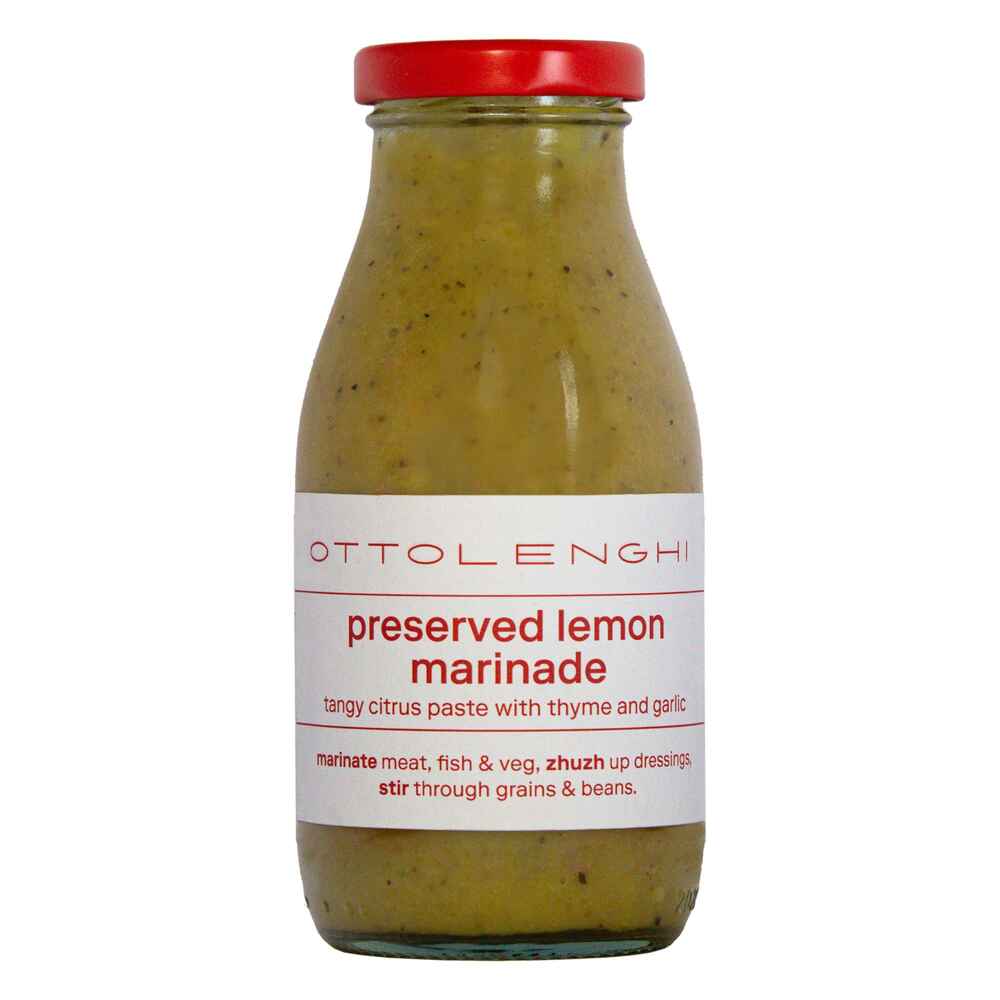
Preserved Lemon Prawn Skewers
Preserved lemon prawn skewers are peeled green prawns threaded three or four to a stick, given 15 minutes in
View recipe
Citrus and Spice Roasted Almonds
Citrus and spice roasted almonds are raw almonds roasted plain, then tossed while still hot with olive oil and
View recipeNew recipes, first.
Recipes, new arrivals and gourmet gifting ideas from The Gourmet Pantry. No spam, unsubscribe any time.