
Extra Virgin Olive Oil: How to Choose, Cook With and Store It
Extra virgin olive oil is the one bottle almost every kitchen has, and the one people know least about. A good one tastes of fresh grass, green apple and pepper. A tired one tastes of very little. Here is how to tell the difference, and how to get the most from it.
What makes olive oil extra virgin?
Extra virgin is the top grade of olive oil. It is pressed from olives by mechanical means only, without heat or chemical solvents, and it has to pass both a laboratory test for low acidity and a tasting panel for flavour and freedom from faults.
- Extra virgin. The best grade. Fresh, fruity flavour and no defects.
- Virgin. Also mechanically pressed, but with minor flaws in flavour.
- Olive oil, or "light" olive oil. Refined oil blended with a little virgin oil. "Light" means light in flavour, not in fat or kilojoules.
How to read the label
- Look for a harvest date. Olive oil is a fresh product. Use it within about 18 months of harvest.
- Check where the olives were grown. A single region or estate usually means more care.
- Choose dark glass or a tin. Light is olive oil's enemy.
- "First cold pressed" tells you the oil was pressed without added heat, which protects flavour.
Early harvest and late harvest
Olives picked early, while still green, give less oil, but it is greener, more bitter and more peppery, and it catches at the back of your throat. That catch is a sign of freshness. Olives picked later and riper give a softer, more buttery oil.
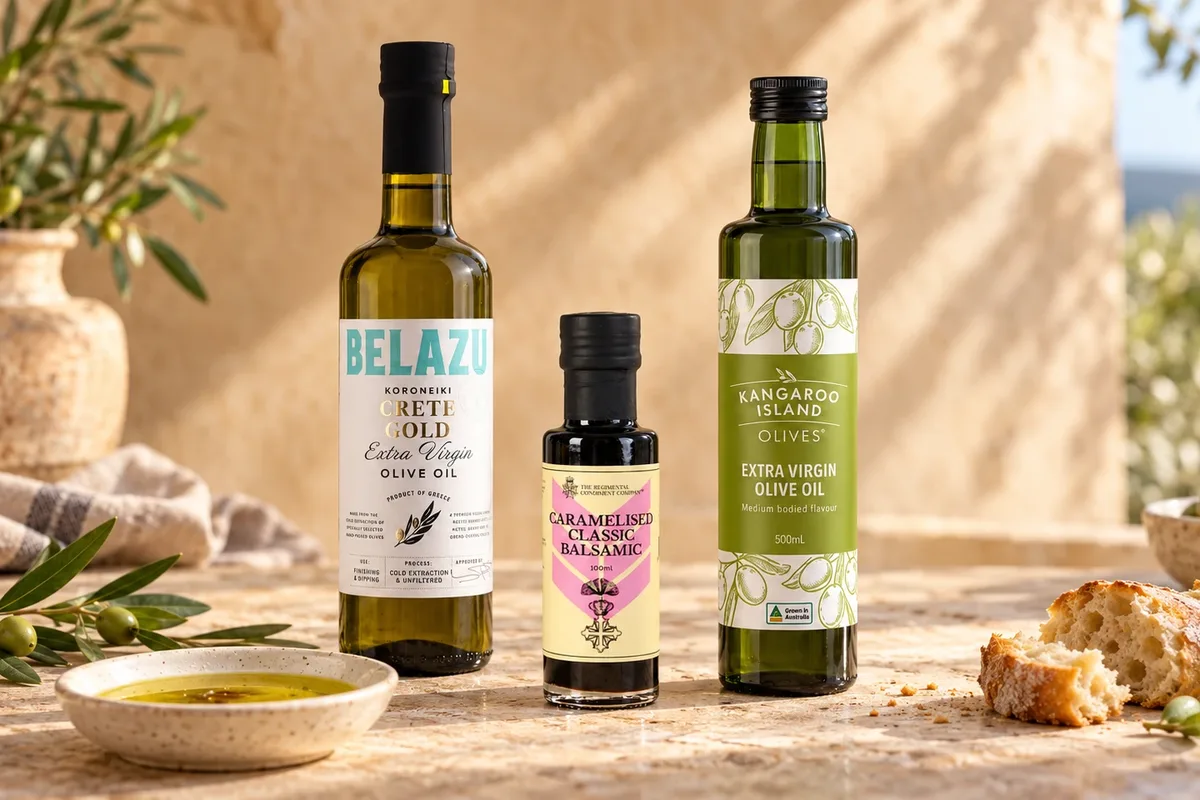
Belazu Early Harvest Extra Virgin Olive Oil is the characterful kind, with notes of grass, pepper, almond and banana. Use it to dip and drizzle. Belazu Crete Gold is made from Koroneiki olives grown on the west of Crete, and is a good all-rounder.
Australian extra virgin olive oil
Australia produces excellent olive oil, and buying local means a shorter trip from press to pantry. Kangaroo Island Extra Virgin Olive Oil is first cold pressed, and comes in a 500ml bottle too. See the full Kangaroo Island Olives range.
Can you cook with extra virgin olive oil?
Yes. Good extra virgin olive oil is stable enough for everyday frying, roasting and sautéing, and it adds flavour that a neutral oil does not. For deep frying at very high heat, a cheaper oil makes more sense.
A practical approach is to keep two bottles: an everyday extra virgin for cooking, and a special one for finishing, where you can taste it.
Where a good olive oil shines
- Bread and oil. A shallow plate of oil, a little salt, and good bread. Add a few drops of balsamic if you like; our balsamic guide explains which.
- Over burrata or tomatoes, with salt and basil.
- On soups and stews, drizzled at the table.
- In dressings, three parts oil to one part vinegar or lemon.
- On grilled fish and vegetables, straight off the barbecue.
How to store olive oil
Keep it cool, dark and sealed: in a cupboard, away from the stove and out of the sun. Do not refrigerate it, as it will go cloudy and solid. Once opened, use it within two to three months for the best flavour. If it smells like crayons or stale nuts, it has gone rancid.
Olive oil as a gift
A bottle of good olive oil is a gift almost anyone will use. Pair it with a jar of tapenade and some crackers for a small hamper. Shop all our olive oil and vinegars, our olives and tapenade, and the full Belazu range.
More from the blog.
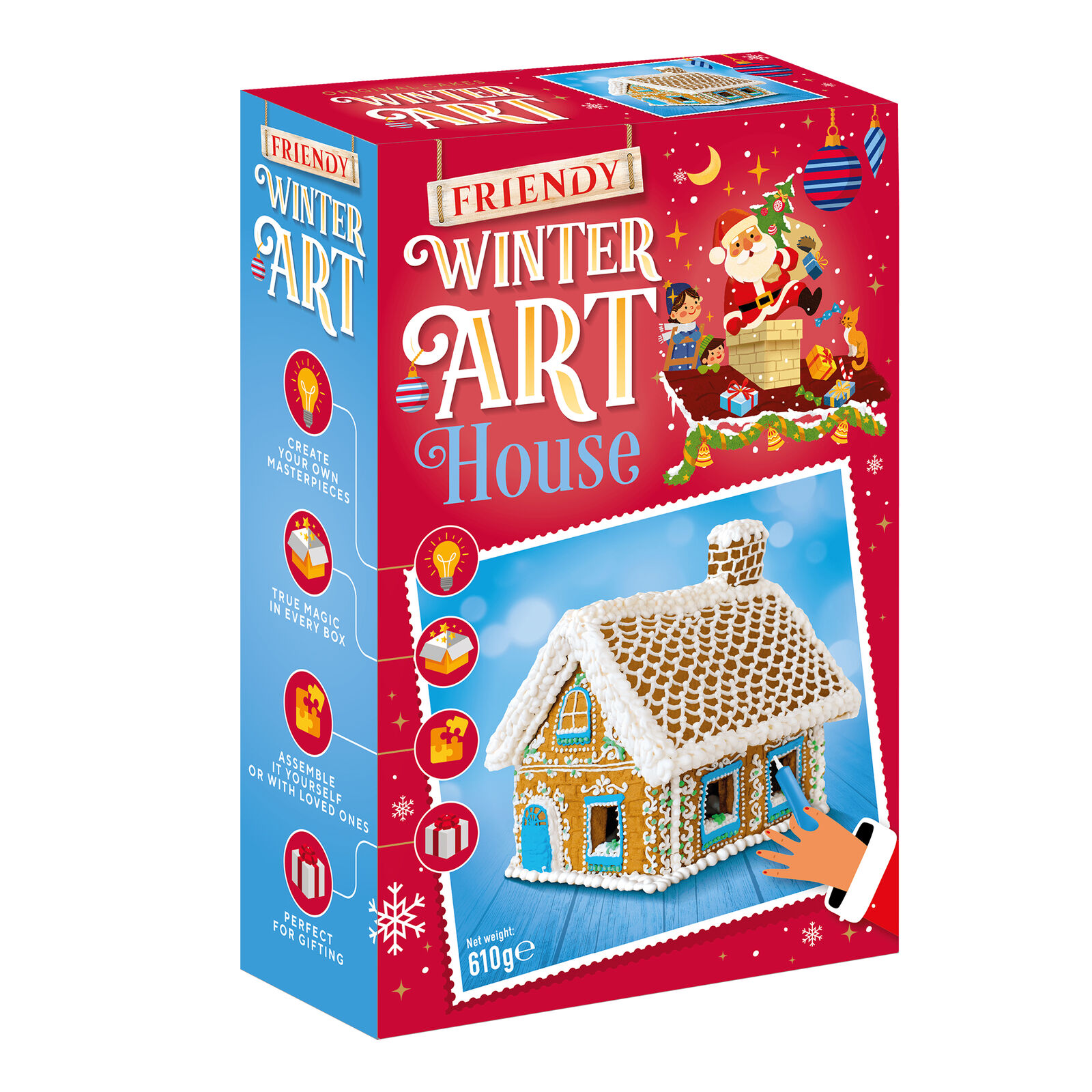
Gingerbread Biscuits and Gingerbread Spice: A Christmas Guide
The spice mix behind gingerbread, a blend you can make tonight, why some biscuits snap and others stay soft, and the gingerbread worth buying when you would rat
Read now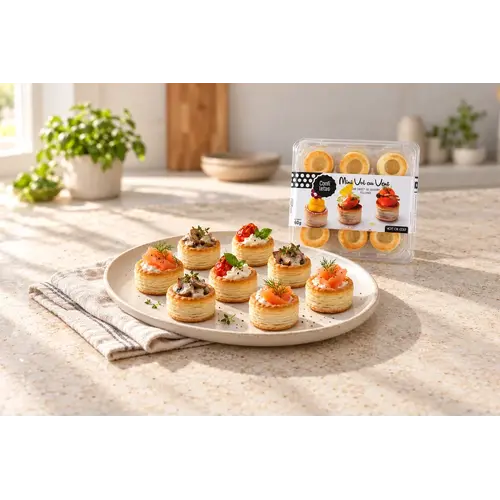
Vol au Vent Fillings: 12 Ideas for Christmas
Classic chicken and mushroom, curried egg, prawn, smoked salmon and a few sweet ones. Twelve vol au vent fillings, how many to make per guest, and how to stop t
Read nowChristmas Shortbread: Types, Tins and Millionaire's Shortbread
Butter, sugar and flour, and very little else. Why shortbread belongs at Christmas, how to tell a good one, the tins worth giving, and how to make millionaire&#
Read now