
How Long Christmas Food Can Sit Out in an Australian Summer
By Arthur Hodgson, Hamper Packing Manager at The Gourmet Pantry.
Food that needs refrigeration can sit between 5°C and 60°C for under two hours and still go back in the fridge. Between two and four hours, eat it but do not put it back. Past four hours, throw it out. That is the 2 hour and 4 hour rule from Food Standards Australia New Zealand.

The rule is the simple part. The harder question is which things on the table it applies to, because a good spread is only half made of food that needs a fridge. We pack hampers in Corio and send them across Australia through summer, so our list is already split along that line: sealed jars, crackers, olives and nuts go in the box, chilled things never do. A table built mostly from the first list holds outside for hours, and most of that list sits in the pantry range.
The 2 hour and 4 hour rule, in plain English
The rule counts the time food spends between 5°C and 60°C, the range where food poisoning bacteria grow. Three bands, three answers.
| Total time between 5°C and 60°C | What to do with the food |
|---|---|
| Under 2 hours | Use it, or put it back in the fridge for later |
| 2 to 4 hours | Use it now. It cannot go back in the fridge |
| 4 hours or more | Throw it out |
Two details do the work. The time is cumulative, so add up every stretch the food has been out, including preparation and transport. And the clock starts when the food leaves the fridge, not when the first guest arrives. A platter assembled at eleven and carried outside at one is already two hours into its four.
Our guide to how much food per person covers quantities. This page is about timing.
What is on the clock, and what is not
Food Standards Australia New Zealand sorts food into two groups for temperature control. The second is the one worth memorising.
On the clock. Raw and cooked meat and anything made with it, dairy such as milk, custard and cream desserts, seafood, processed fruit and vegetables including salads, cooked rice and pasta, protein rich foods such as quiche and soy products, and composite foods like sandwiches. That is most of a Christmas lunch. We do not sell the ham or the prawns, and those are the two worth watching.
Not on the clock. Canned and bottled food, dried fruit, salted and fermented dried meats, hard cheeses, spreads, dried pasta, bread and dried foods. Crackers, an unopened jar of olives, a bag of nuts, a block of fruit paste and a wedge of aged cheddar are all in this group. They go stale eventually, but they are not what makes anyone ill.
Once a jar is open the label takes over, because shelf life is a manufacturer's number rather than a general rule. Most condiments ask to be refrigerated after opening and give a window in weeks.
How to keep food cold outside on a hot day
None of this is clever. It is the handful of habits that get a packing bench through a December afternoon.
- Start cold. Food carried straight from the fridge has the full two hours ahead of it. Food that sat on the bench while you arranged it has already spent some.
- Put out half. Half the chilled food goes on the table, the rest waits in the fridge. The second wave arrives with a clock of its own, which is why this works.
- Sit the platter on ice. A shallow tray of ice with a tea towel over it and the platter on top beats an esky nobody opens. Our guide to cold seafood entrees lays a prawn platter out the same way.
- Swap plates, never top them up. Once fresh food joins food that has been out for three hours you cannot tell the two apart, so the whole plate takes the older time. A clean plate from the fridge resets it.
- Write the time down. We put times on things in the packing room because memory gets unreliable at the busy end of a day. A strip of masking tape under the board settles it.
Shade does as much as ice, and the shade that counts is the one you will still have in mid afternoon. Cover anything sweet, because the flies find it first.
The half of the table that does not need a fridge
This is the half we can help with, and the half that holds. Built properly it reads as most of the food while asking nothing of you.
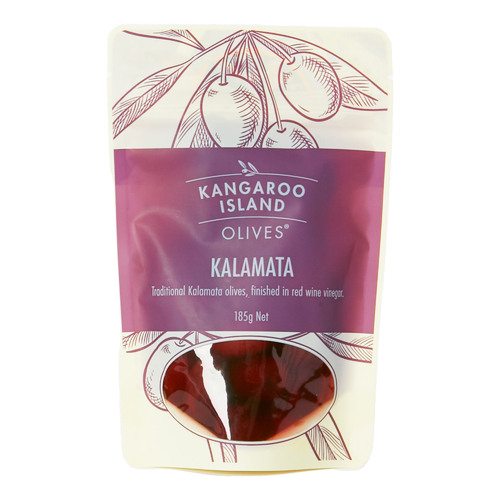
Crackerthins at $3.49 are the plain base everything else sits on, thin enough to carry a topping rather than argue with it. Kangaroo Island kalamata olives at $7.95 go from the jar into a bowl and stay good for hours, though they want draining or the brine runs into the crackers. Sea salt mixed nuts at $9.95 fill the gaps and cannot wilt.
Chocolate is the exception worth naming. It is a texture question rather than a safety one, so keep it inside until people sit down. Soft cheese is the opposite case: it runs on the same clock as everything chilled, but stops being pleasant well before that clock runs out.
The rest of the shelf stable list lives in gourmet condiments and festive entertaining essentials. For the long version, a grazing table that survives the heat has the quantities and the running order.
Questions about food left out at Christmas
How long can food sit out at a Christmas party?
Two hours is the point where chilled food can no longer go back in the fridge, and four hours is where it should be thrown away. The count includes time on the bench while you plated it, not only time on the table.
How long can cheese be left out on a hot day?
Hard cheeses such as cheddar and parmesan sit on the food authority's list of foods that do not need temperature control, so they will see out a long lunch. Soft and fresh cheeses are treated as dairy and follow the two hour and four hour rule.
Do opened jars need to go in the fridge?
Read the label, because it changes by product and the pack is the only accurate source. In practice an opened jar spends the party in a bowl and goes back in the fridge afterwards, which is what most labels ask for.
How do I keep a grazing board cold outside?
Sit the board on a shallow tray of ice with a tea towel between the two, build it in shade you will still have in mid afternoon, and hold half the chilled items back to swap in later. Swap the whole plate rather than topping it up.
Is it safe to eat leftovers that sat out during lunch?
Under two hours out, it can go back in the fridge and be eaten later in the week. Between two and four hours, eat it that afternoon rather than saving it. Past four hours it goes in the bin however good it looks, because the bacteria that matter do not change how food smells or tastes.
The dependable half of a Christmas table is the half you can order now and forget. The pantry range holds the crackers, olives, nuts and jars that need neither a fridge nor a plan. Orders placed before 12pm on a weekday are dispatched the same day from our Corio, VIC warehouse, tracked with Australia Post, and shipping is free Australia-wide over $100. Our Christmas hampers are packed from the same list, and our guide to Christmas food in Australia covers the rest of the day.
Christmas timing, before the rush.
Christmas ordering reminders and new arrivals, one email when it matters. Unsubscribe any time.
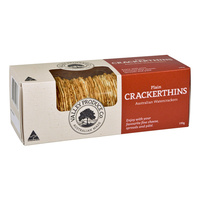
VPC Crackerthins Plain 100g
$3.49
Hand-packed and dispatched from our Corio, Victoria warehouse, with free delivery Australia-wide on orders over $100.

More from the blog.
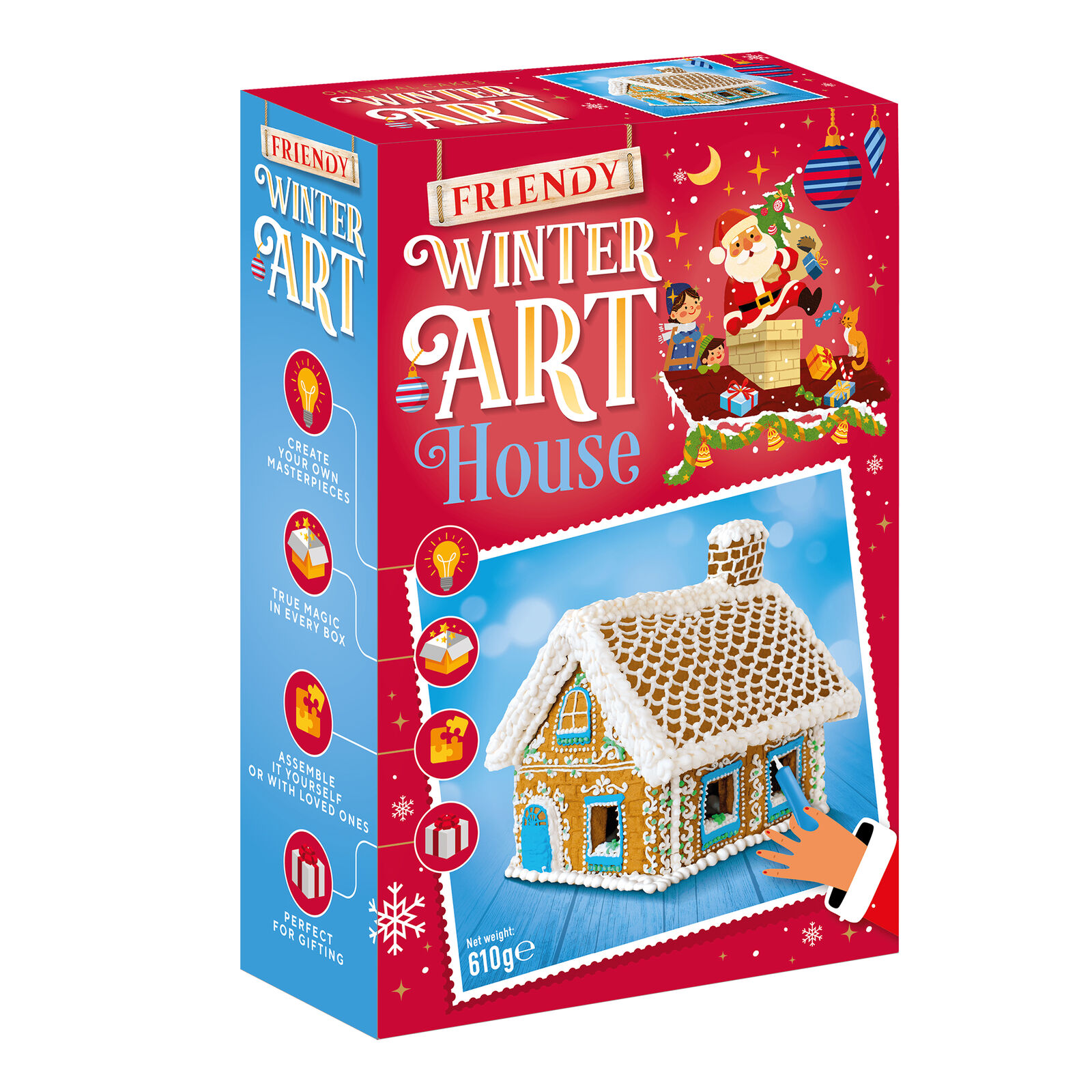
Gingerbread Biscuits and Gingerbread Spice: A Christmas Guide
The spice mix behind gingerbread, a blend you can make tonight, why some biscuits snap and others stay soft, and the gingerbread worth buying when you would rat
Read now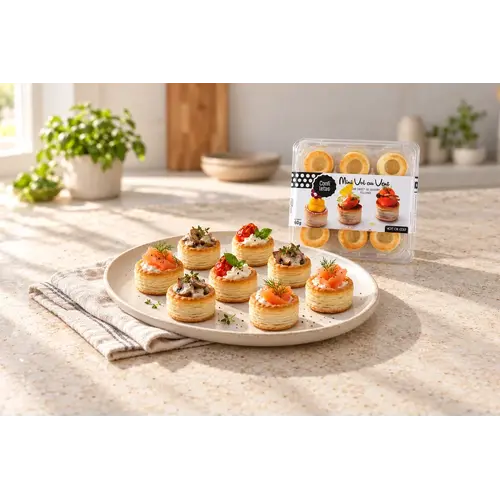
Vol au Vent Fillings: 12 Ideas for Christmas
Classic chicken and mushroom, curried egg, prawn, smoked salmon and a few sweet ones. Twelve vol au vent fillings, how many to make per guest, and how to stop t
Read nowChristmas Shortbread: Types, Tins and Millionaire's Shortbread
Butter, sugar and flour, and very little else. Why shortbread belongs at Christmas, how to tell a good one, the tins worth giving, and how to make millionaire&#
Read now