
Building a Christmas Grazing Table That Survives the Heat
By Dewi Salim, Hamper Building Lead at The Gourmet Pantry.
A Christmas grazing table is one long run of food guests help themselves to. Allow 30cm of table per person, 250g of food a head before a meal, 500g if the table is the meal. In an Australian December, build it in shade, put out half and keep the rest cold.
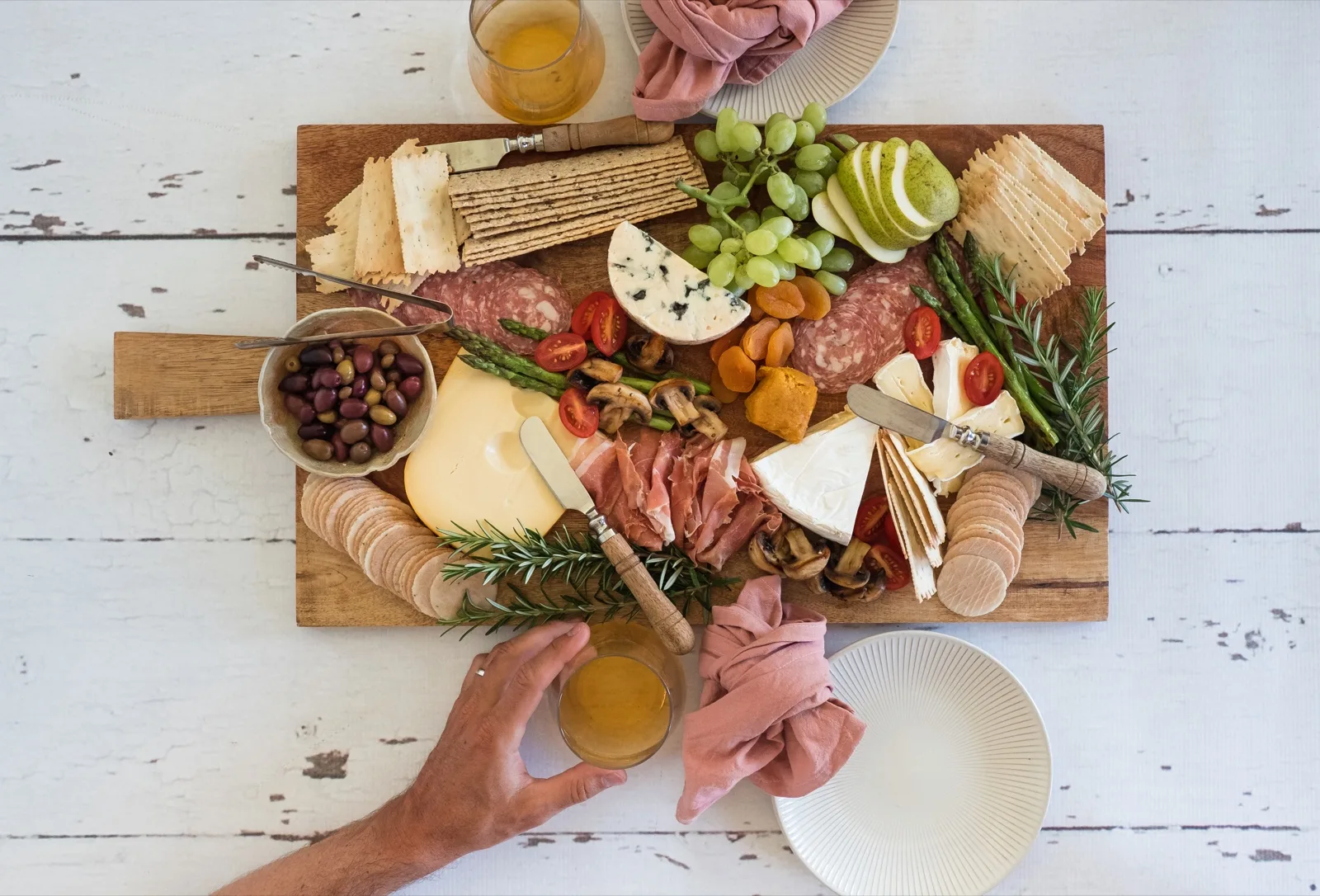
What follows is the arithmetic and the timing: how much of each component to buy for 20 or 40 people, which half of the list you can buy in October, the order to lay it out in, and what only goes down in the last ten minutes. The shelf stable half sits in our festive entertaining essentials range, and our guide to Christmas food in Australia has the wider buying calendar.
A grazing table is not a large cheese board
A board is one surface, arranged once and finished in half an hour by eight people. A table holds up for two or three hours while guests arrive in waves, and that changes nearly every decision on it.
Nothing gets a tight arrangement, because the third guest ruins it. Everything repeats along the length, because nobody at the far end walks to the middle for a cracker. Half of what you bought stays in the fridge, because a table refilled at 2pm beats one piled high at noon.
If the smaller format is what you want, our guide to building a cheese board covers the three cheese version and the Christmas charcuterie board recipe has quantities for eight. This page is about scale.
How much food do you need for a grazing table
Work it out per component, per person, then decide whether the table is the meal or the thing people eat before one. These are the ratios we use when we build grazing hampers.
| Component | Before a meal | When the table is the meal | For 20 guests, as the meal |
|---|---|---|---|
| Cheese | 50 g | 100 g | 2 kg, four or five types |
| Cured meat | 40 g | 80 g | 1.6 kg, three types |
| Crackers and crisps | 6 pieces | 12 pieces | 12 to 15 packets |
| Pastes, dips and chutney | 25 g | 40 g | 5 to 6 jars |
| Olives and pickles | 20 g | 30 g | 3 to 4 jars |
| Nuts and savoury snacks | 15 g | 25 g | 5 packets |
| Fresh fruit | 60 g | 100 g | 2 kg |
| Bread | 30 g | 60 g | 3 loaves |
Children eat about half as much, but almost entirely from the crackers, cheese and fruit, so buy those three to the full adult number and the rest to the halved one. Where drinks start before the food, add a fifth to the dry items.
For length, allow 30cm of table per person where guests move along it and 40cm where they stop and talk. A 2.4m trestle feeds 20 without a queue, and two shorter tables in an L beat one long one, because two starting points halve the crush.
What goes on a Christmas grazing table
Six jobs. Every item does one of them, and the table reads as thin when one is missing, however much was spent on the rest. Do all six at each end, not each one once in the middle.
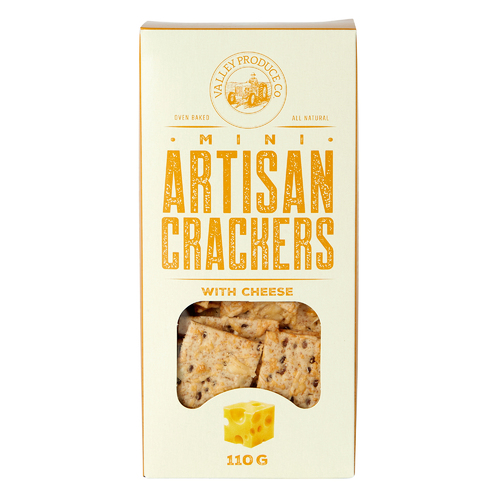
Crunch. Three shapes at least, because the cracker that suits a soft cheese is wrong under a chutney. Cracked black pepper crackerthins at $3.49 are the volume cracker. Fig and olive seed crisps are the sturdy one, baked flat and studded with fruit, strong enough to carry a wedge of blue. Mini artisan crackers with cheese are the ones children finish.
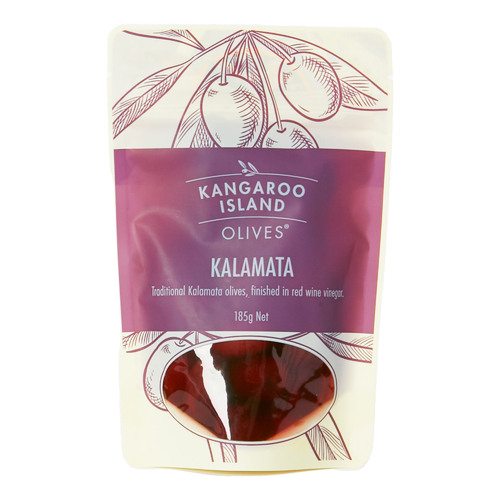
Salt. Cured meat from your deli, sliced thin no more than two days out, and olives beside it. Kalamata olives at $7.95 a jar are indifferent to the weather, which on a hot table makes them the most reliable thing you own. Drain them well or the brine runs into the crackers.
Cheese. Four or five kinds for 20 people, weighted towards hard: a cheddar, a gouda or manchego, a washed rind if the shade holds, one blue. Buy at a counter, two days out at the earliest, and give each one its own quarter of the table rather than grouping them.
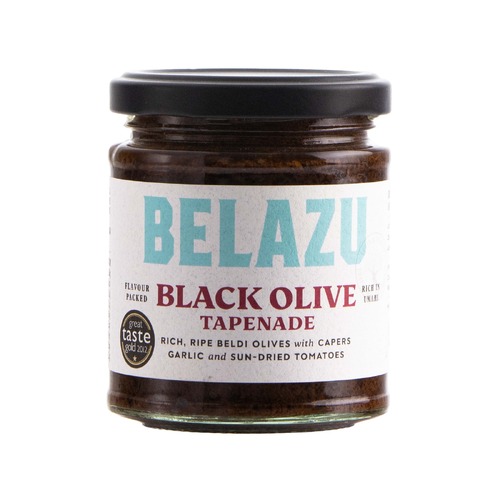
Something to spread. Jars beat homemade dips on a hot table because they hold at room temperature and do not split. Black olive tapenade at $12.95 is the anchor, roasted red capsicum tapenade the sweeter counterpoint, truffle and artichoke pesto the one people ask about. Small bowls, not the jar.
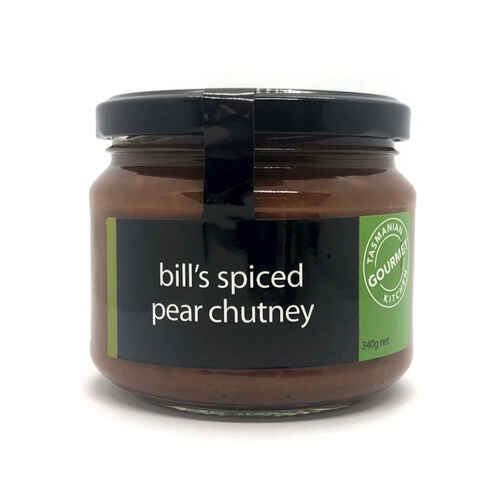
Sweet. Fig and almond fruit paste cut into fingers beside the blue cheese, Bill's spicy pear chutney in a bowl with its own spoon, and fresh fruit. Anything sugary sits at its own end of the table, which our dessert board guide covers.
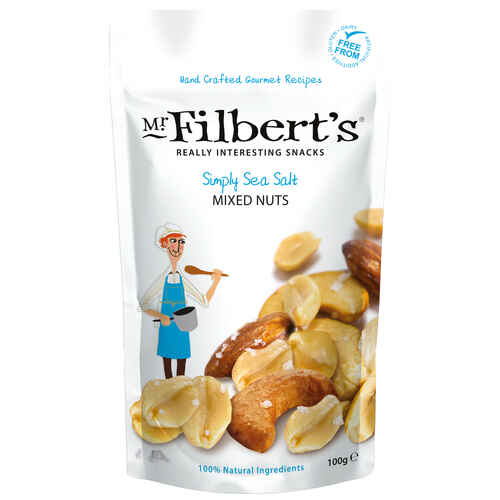
Filler. The things that fill space, cost little and cannot wilt: rosemary and sea salt macadamias, sea salt mixed nuts, and mini savoury pastry cases filled an hour beforehand. Our smoked salmon tartlet recipe is the filling worth the effort if you are doing twelve of them anyway.
The half you can buy in October
Split the shopping list in two. Cheese, cured meat, bread and fruit are a two day window in late December. Everything else, well over half the list by item count, is sealed packets and unopened jars that keep in a cupboard for months.
Buying that half early is not only about the December scramble. Christmas ranges are produced once for the season, so the more interesting crackers and chutneys are gone by the second week of December and are not restocked. We hand pack hampers in Corio in Victoria, and October is when the pantry side of Christmas is genuinely easy to get right.
The dry half of a 20 person table lands near $200 across the crackers, olives and condiments ranges, clearing the $100 threshold for free Australia wide shipping. Orders placed before 12pm on a weekday are dispatched the same day. For one thing on the table you made yourself, a batch of old fashioned tomato relish in November keeps until Christmas.
The order of play
Counted backwards from the moment the first car pulls up. Written out, it is less work than it looks.
- October. The dry half: crackers, crisps, olives, pastes, chutney, fruit paste, nuts, pastry cases. One order, into a cupboard, done. Count your small bowls and spoons the same week, because everyone runs short of both.
- Two days out. Cheese and cured meat, sliced at the counter. Bread ordered. Freeze two trays of ice.
- The night before. Stage the dry goods in one box in the order they go down.
- 90 minutes. Paper or a runner down the table, then every empty vessel: boards, stands, bowls. Look at the gaps before you fill anything. Moving an empty bowl is free.
- 60 minutes. Dry goods only. None of it suffers, and it does the structural work, so the table already looks finished.
- 45 minutes. Cheese out of the fridge. Cold cheese tastes of very little.
- 20 minutes. Wet things into bowls: olives drained, tapenades, chutney. Cheese onto the boards, each one cut differently so it reads as four cheeses from a distance.
- 10 minutes. Cured meat, folded loosely rather than laid flat.
- Last, in this order. Cut fruit, filled pastry cases, herbs, then the ice trays slid under the platters. Everything on that line is on a clock, which is why it goes last.
Making it survive an Australian December
Plan for 30°C and treat anything cooler as a bonus. Eight rules cover almost every failure we have seen.
- Shade, and the shade you will have at 2pm. Work out where the sun lands two hours after guests arrive, not where it is while you are setting up.
- Put out half. Half the cheese, half the meat, half the fruit, all of the dry goods. The second wave comes out of the fridge once the first has been picked over. This one change separates a table that holds all afternoon from one that peaks at 12.30.
- Cold underneath. A shallow tray of ice with a tea towel over it, platter on top, beats an esky nobody opens.
- Watch the clock, not the food. Australian food safety advice uses a two hour and four hour rule for chilled food: under two hours out it can go back in the fridge, between two and four it should be eaten, past four it goes in the bin. The clock starts when the platter lands, not when guests arrive.
- Hard cheese over soft. Cheddar, gouda and manchego sit happily at 28°C. A ripe brie in the sun becomes a puddle with a rind around it.
- Whole fruit beats cut fruit. Cherries, grapes snipped into small clusters, figs and apricots. Cut melon weeps within twenty minutes and takes the crackers with it.
- Nothing dairy based, and no chocolate. Cream cheese dips, aioli and anything with yoghurt turn first, and chocolate belongs indoors until people sit down.
- Herbs that hold. Rosemary and bay stay green for hours. Basil and mint collapse in fifteen minutes and look worse than no garnish at all.
Questions we get asked
How much food do you need for a grazing table?
About 250g a head where a meal follows, and 500g where the table is the meal. For 20 guests grazing as the meal, that is roughly 2kg of cheese, 1.6kg of cured meat, 12 to 15 packets of crackers and crisps, five or six jars of pastes and chutney, three or four jars of olives, five packets of nuts and 2kg of fruit.
What goes on a Christmas grazing table?
Six things, repeated along the length: crackers and crisps, cured meat and olives, four or five cheeses weighted towards hard, two or three spreads, something sweet such as fruit paste or chutney, and fillers like nuts and pastry cases. Fresh fruit and good bread finish it.
How far ahead can you assemble a grazing table?
Dry goods go down 60 minutes ahead and come to no harm. Cheese comes out of the fridge 45 minutes ahead, wet items 20 minutes ahead, cured meat 10 minutes ahead, and cut fruit last. More than an hour ahead is where most tables go wrong, because the clock starts when food lands.
How do you stop a grazing table wilting in the heat?
Build it in shade, put out half and hold the rest in the fridge, and sit platters on a covered tray of ice. Favour hard cheese, whole fruit and jarred pastes over soft cheese, cut melon and dairy dips. Rosemary holds as a garnish where basil does not.
Do you still need one if lunch is a full meal?
It earns its place as the arrival food. Guests turn up across a two hour window on Christmas Day, and a table they can graze from keeps everyone out of the kitchen. Halve the quantities, skip the bread, and lean on crackers, olives and dips so it does not compete with lunch.
Start with the half that keeps. Our festive entertaining essentials range has the crackers, pastry cases and condiments that do the structural work, and if you would rather it arrived in one box with the choosing done, our Christmas hampers are built the same way.
Grazing ideas, before the December rush.
Christmas ordering reminders and new arrivals, one email when it matters. Unsubscribe any time.
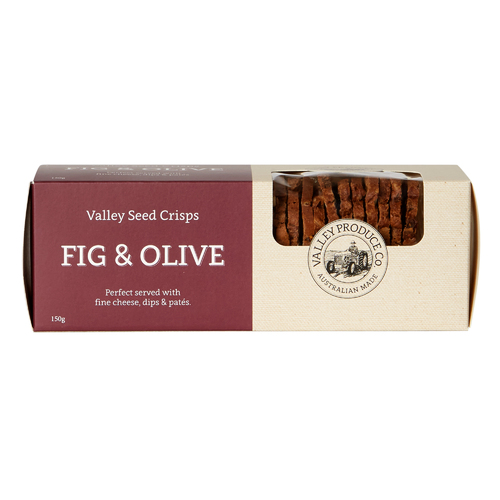
VPC Valley Seed Crisps Fig and Olive 150g
$6.95
Hand-packed and dispatched from our Corio, Victoria warehouse, with free delivery Australia-wide on orders over $100.
More from the blog.
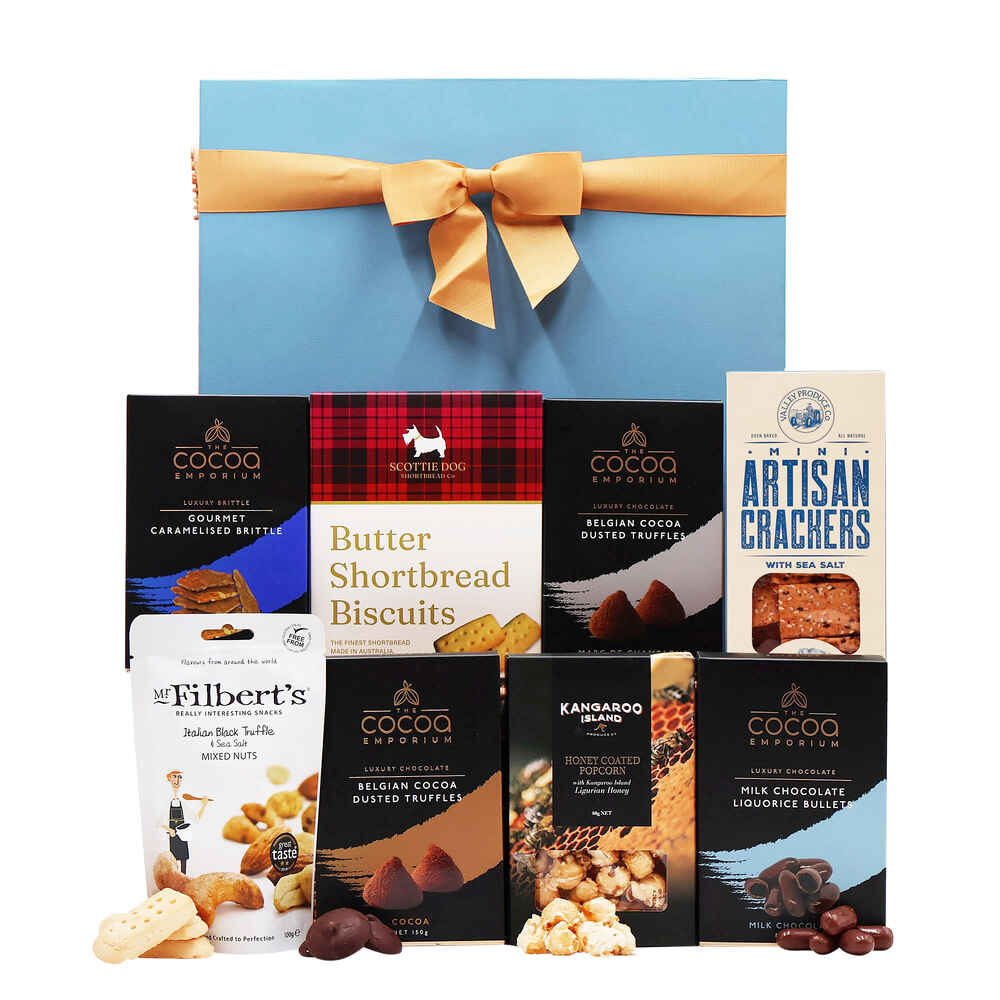
The Foodies Hamper: Eight Items, and What a Cook Does With Each
Eight packets, six of them sweet, and not a jar of anything in sight. What is actually in the box, and what somebody who cooks can do with each item once the ri
Read now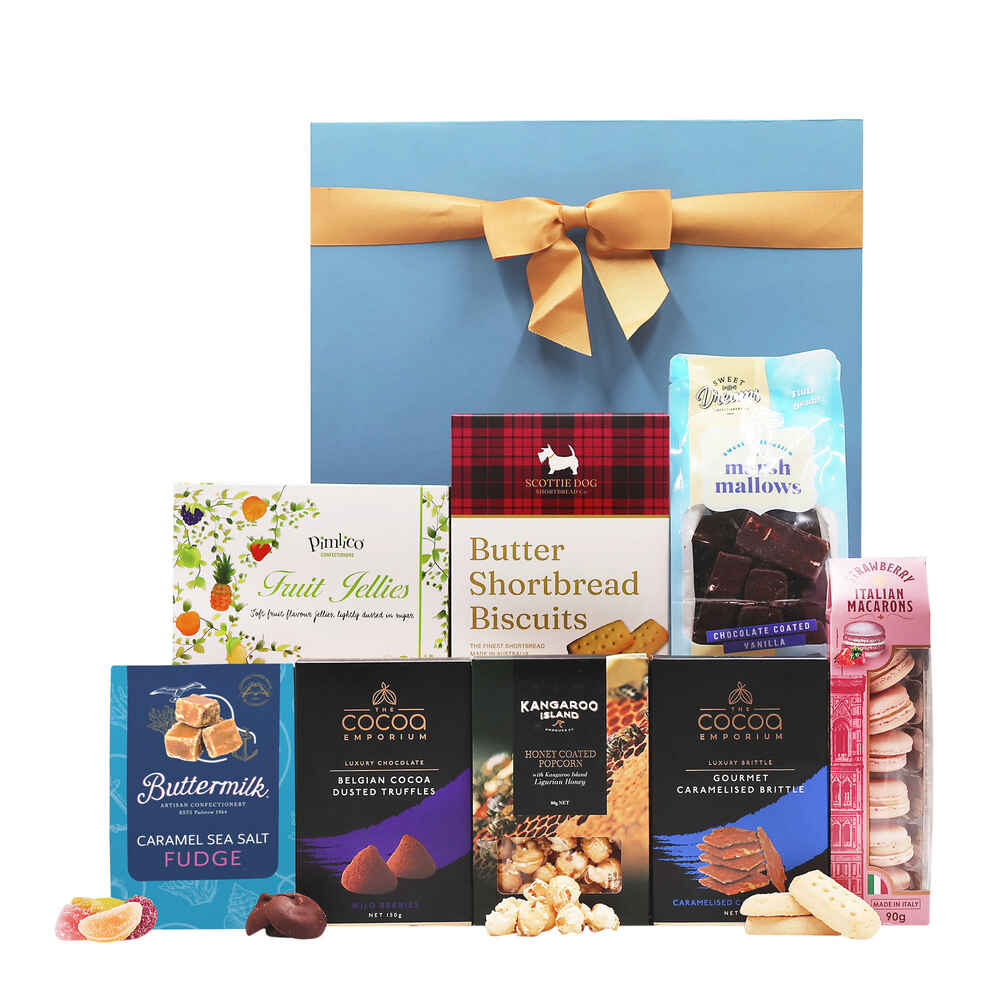
The Sweet Treats Hamper: The Kids-and-Grandparents Pick
Eight sweet packets that open by hand and sit on a table at room temperature, which is why this box works when a six-year-old and a grandparent have to be pleas
Read now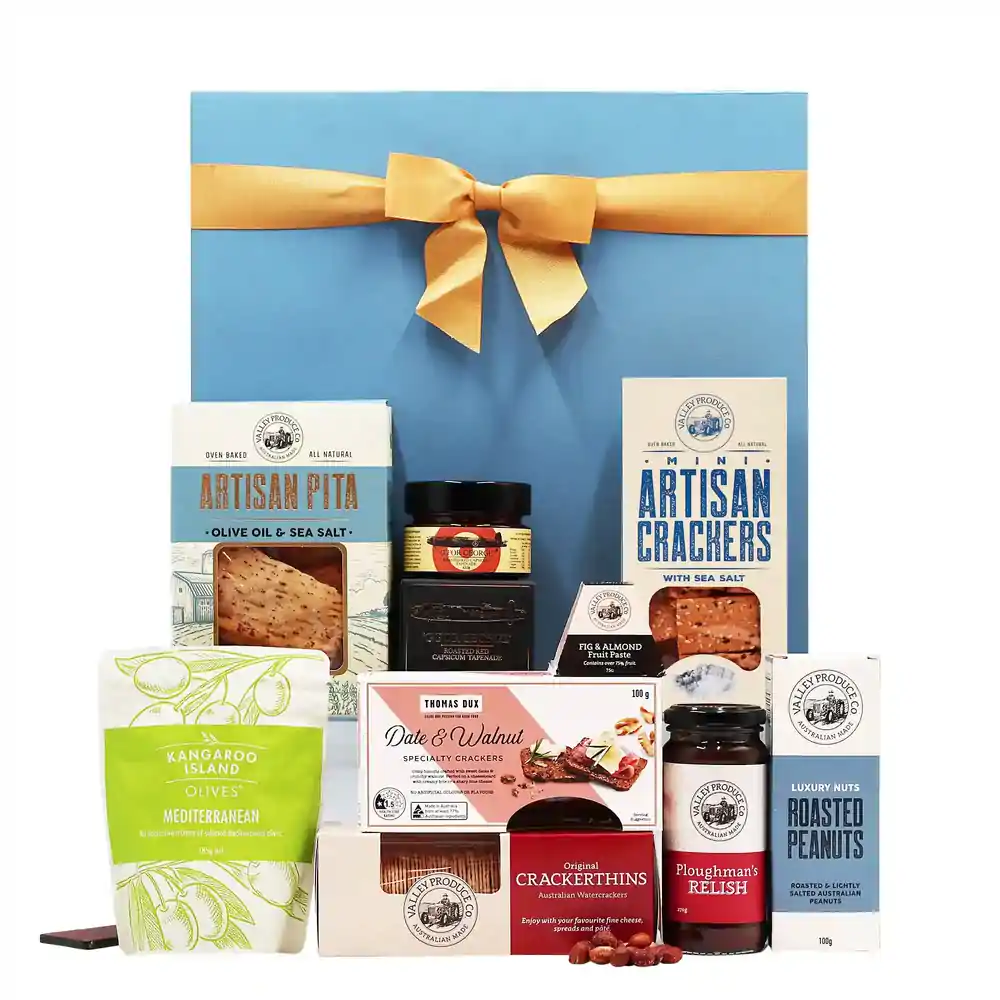
Just Add Cheese: Which Cheeses to Buy for the Hamper
Nine pantry items arrive and the cheese is yours to buy. Three cheeses, about 600g between them, and the box itself tells you which ones to ask for at the count
Read now