
Christmas Food in Australia: What Goes on the Table and When to Buy It
By Andrew Richards, Managing Director at The Gourmet Pantry.
A traditional Australian Christmas lunch is built around cold food: a glazed leg ham, prawns and other seafood, two or three salads, a board of cheese, crackers and condiments before anyone sits down, and something cold and sweet to finish. Hot roasts still appear, mostly in the southern states. Very little of it has to be bought at once.
What follows is the whole table, course by course, then a buying calendar that spreads the shopping across three months instead of one bad afternoon, and the quantities for a table of ten. The shelf stable half of the list can be ordered today from the Christmas range.
Why an Australian Christmas is a cold lunch
Christmas Day here lands in the middle of summer. Perth and Adelaide can sit well above 30°C by midday, and even a mild Melbourne Christmas makes a four hour roast feel like a poor decision. So the menu adjusted. Roast turkey held on in the cooler states and in households that keep an English Christmas, but for most of the country it gave way to a cold glazed ham, seafood, and salads that can sit under a fly cover while people drift between the table and the garden.
That changes the shopping more than it changes the cooking. A cold lunch is mostly assembly, and assembly food keeps. Crackers, chutneys, mustards, biscuits, chocolate, nuts and bon bons can all be bought weeks ahead and stored in a cupboard. Only a short list genuinely belongs to the final 48 hours, and knowing which list is which is most of the job.
What goes on the table
A glazed leg ham
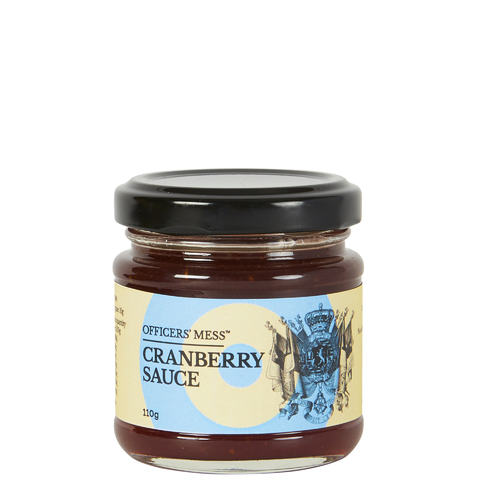
The closest thing Australia has to a national Christmas dish. Buy it cooked and on the bone from a butcher, then glaze it yourself: score the fat into diamonds, push in cloves if your family likes them, and brush on something sweet and sharp for the last 40 minutes in a hot oven. Ottolenghi Smokey Honey Marinade goes on straight from the jar, no reduction step, and its caraway and chipotle keep the sugar from taking over. Serve the ham warm on the day and cold for the week after, with Dijon mustard, cranberry sauce and a fruit chutney beside it.
Prawns and seafood
Cooked prawns, oysters, smoked salmon, sometimes a whole cold poached fish. This is the one part of the day with no make ahead and no substitute: buy from a fishmonger on 23 or 24 December, keep it cold on the way home, and eat it the same day. What you can organise in advance is everything served alongside, which in practice means lemons, something sharp, and far more ice than you think.
The board that comes first
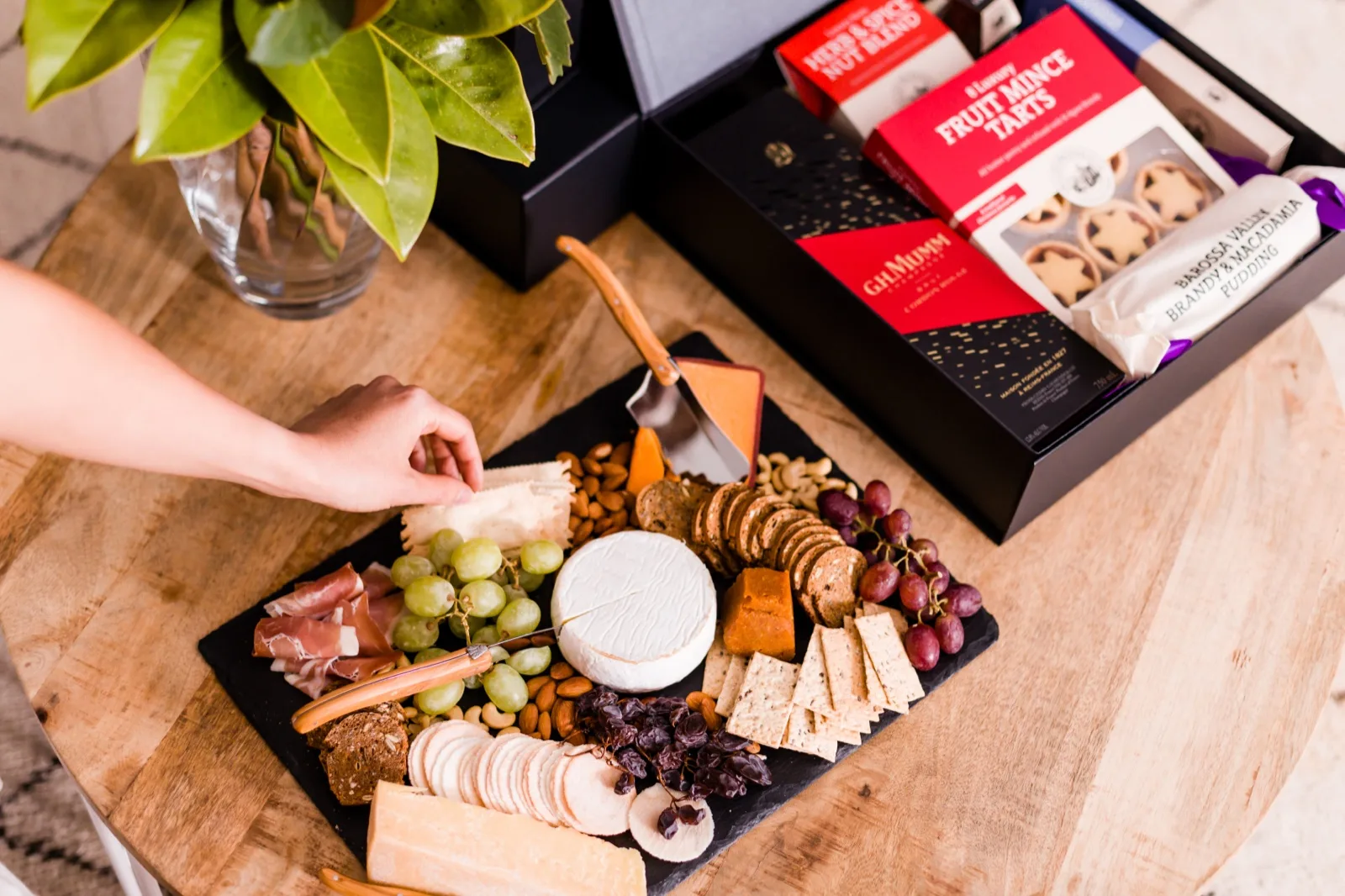
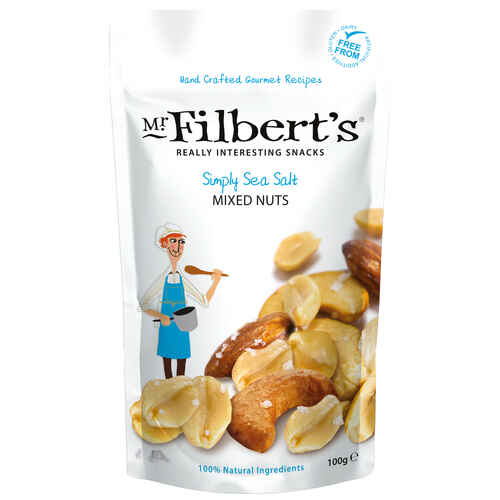
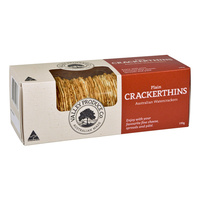
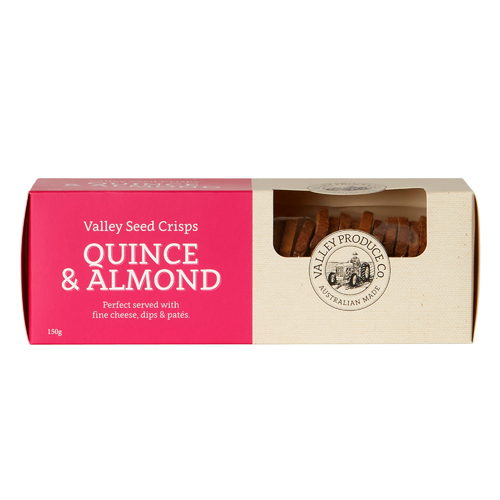
Most Australian Christmases open with a grazing board while lunch finishes in the kitchen. Cheese, crackers, cured meat, olives, nuts, something sticky. It is the easiest course to buy early and the one guests graze longest over, so it is worth choosing the crackers deliberately rather than grabbing whatever sits nearest the cheese fridge. Valley Seed Crisps in quince and almond hold their shape under a soft washed rind and bring their own sweetness; plain crackerthins at $3.49 a pack are the neutral base you want under anything strongly flavoured. Add a couple of gourmet condiments, a bowl of Mr Filbert's sea salt mixed nuts, and stop there. Crowded boards look busy and eat badly.
Salads, and how many
Three is the right number for ten people: one green and sharp, one starchy, one with fruit through it. Cherries, mangoes and stone fruit all peak in late December, which is why so much of what Australians call a Christmas salad has fruit in it. Make the starchy one the day before and dress the green one at the table.
Dessert
Pavlova and trifle do most of the work, with cold pudding and custard in traditional households and a bowl of cherries on nearly every table in the country. If you would rather not turn the oven on twice, a dessert board does the same job with no cooking at all: here is how to build a dessert board. Shortbread, fresh fruit and a box of Belgian dusted truffles will carry it.
The table itself
Bon bons, a gingerbread house for the children to demolish, and a small thing for guests to take home. All of it is shelf stable, all of it sells out, and none of it improves for being left until December.
When to buy each part of it
The shopping falls into two halves. Shelf stable food can be bought any time from late September and stored in a cupboard. Fresh food belongs to the last week, and buying it early only means it is past its best on the day.
| What | When to buy it | Why then |
|---|---|---|
| Biscuits, shortbread, chocolate, nuts | Late September to October | Long shelf life. Christmas tins and gift ranges are produced once for the season and are not restocked. |
| Crackers, seed crisps, chutneys, mustards | October to mid November | Unopened jars and sealed packets keep for months, so waiting gains you nothing. |
| Bon bons and gingerbread house kits | October to November | The good designs go first and the ranges change year to year. |
| Hampers and food gifts that need posting | As soon as you have the addresses | Australia Post publishes its Christmas cut off dates in October. Interstate parcels close before local ones. |
| Ham | Order in November, collect the week of | Butchers take orders early and whole legs sell out. A glazed leg keeps well over a week in a damp ham bag, rinsed and changed every couple of days. |
| Cheese | Up to a week ahead | Most cheese is better for a few days settling in the fridge and an hour on the bench before it is served. |
| Prawns and seafood | 23 or 24 December | Buy it the day you eat it, or the day before at the outside. |
| Cherries, mangoes, salad leaves, dairy | The week of Christmas | Peak season, short life, and no storage advantage at all. |
The date that catches people out is not Christmas Day, it is the posting deadline. Australia Post confirms its Christmas cut off dates in October, and interstate parcels always close earlier than local ones. Check the official dates when they are published and post well inside them rather than up against them. Orders ramp up fast from late November, so ordering in the first half of the month is the calm version of exactly the same task.
How much Christmas food for 10 people
Quantities that have never let us down, for a spread rather than a plated meal:
- Ham: 200g to 250g per person on the bone. A half leg of around 5kg feeds ten with leftovers, which is the entire point of buying a ham.
- Prawns: 250g per person as part of a spread, 400g if the seafood is the main event.
- Cheese: 40g per person before a meal. Three cheeses, not six: one hard, one soft, one blue.
- Crackers: one 100g pack per three or four people, and always one pack more than the arithmetic says.
- Salads: three. Dessert: two. A pavlova and a bowl of cherries is a finished dessert course.
Christmas ideas, before the rush.
Christmas ordering reminders and new arrivals, one email when it matters. Unsubscribe any time. Recipes, new arrivals and gourmet gifting ideas from The Gourmet Pantry. No spam, unsubscribe any time.
What to order online, and what to leave to the shops
Split the list in two and the whole exercise gets easier. Anything shelf stable can arrive by courier weeks ahead and wait in a cupboard. Anything perishable is a local job in the final days. A working festive entertaining essentials order for a table of ten looks roughly like this:
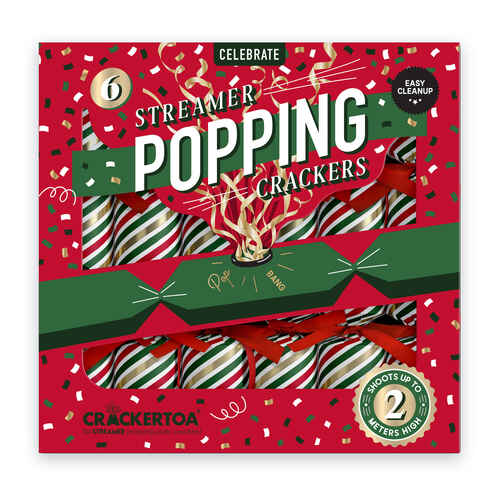
- Mistletoe & Merry Crackertoa Traditional, six 33cm crackers to a tray, each with a hat, a joke and a gift that does not go straight in the bin.
- Two packs of crackerthins and a box of quince and almond seed crisps, so the board has a neutral base and a sweet one.
- Cranberry sauce and Dijon for the ham, plus a chutney such as Bill's Spicy Pear Chutney for the cheese.
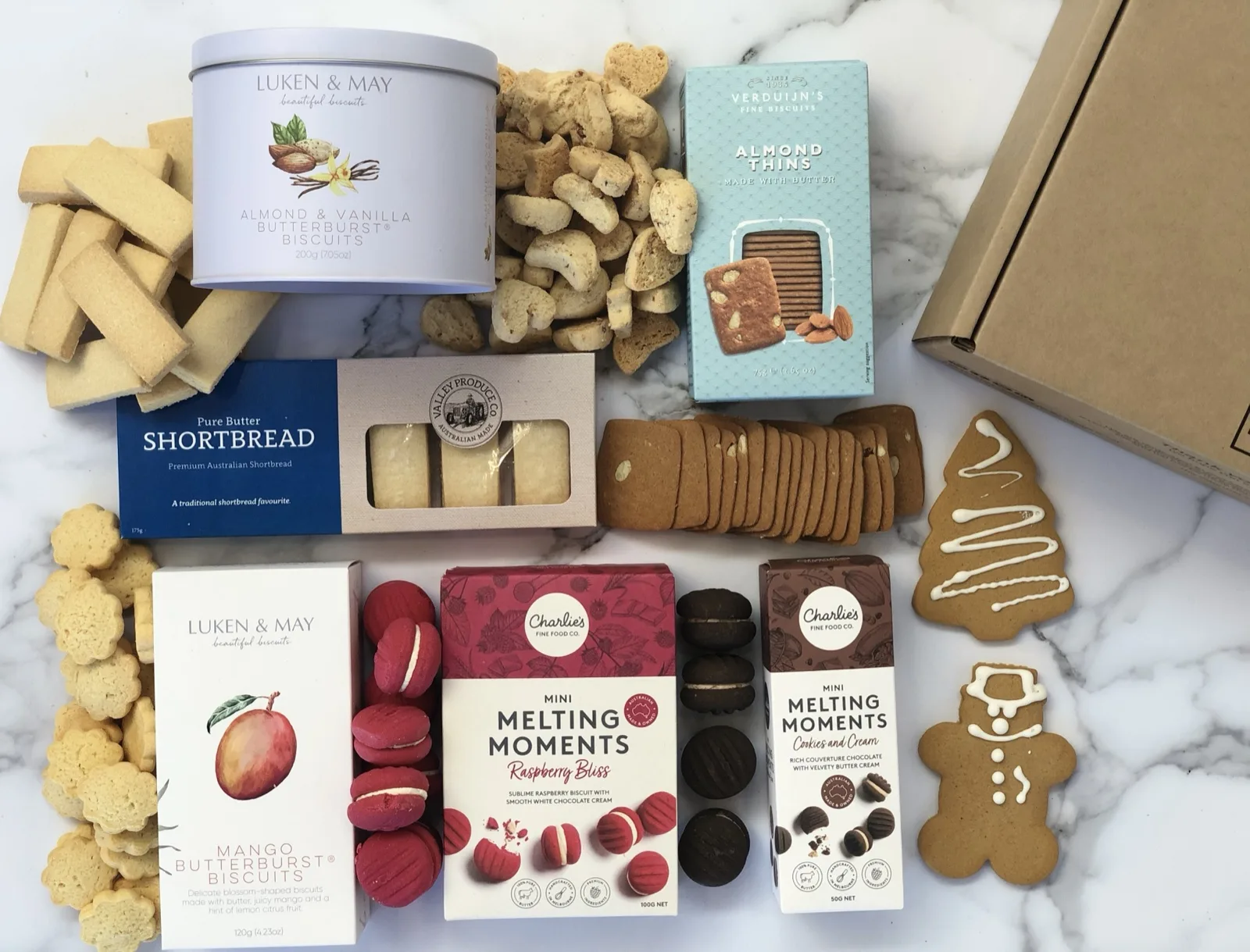
- A bottlebrush shortbread tin, Australian made in a keepsake tin, which doubles as a spare gift when someone arrives with one you were not expecting.
- The Gingerbread Folk traditional house kit, egg free and packed with royal icing and a piping bag, to occupy the children between lunch and dessert.
Add biscuits for the tin on the bench, or a Just Add Cheese Hamper at $79.95 if you would rather one box did the thinking. For the people you will not see on the day, send Christmas hampers rather than posting a card. Shipping is free on orders over $100, every hamper is packed by hand in Corio, Victoria, and orders placed before 12pm on a weekday leave that day.
Plan for the leftovers while you are at it. Cold ham, a cracker and a spoonful of chutney is Boxing Day lunch in most of the country, so buy the chutney in a jar that survives the week. Anything still sealed goes back in the cupboard, which is the quiet advantage of buying the shelf stable half early.
Common questions
What food do Australians serve on Christmas Day?
A cold glazed leg ham is the centrepiece in most homes, served with prawns or other seafood, two or three salads, and a board of cheese, crackers and condiments beforehand. Dessert is usually pavlova, trifle or cold pudding, with cherries and mangoes on the table. Roast turkey still appears in the cooler states and in households keeping an English Christmas.
How far ahead can I buy Christmas food?
Anything shelf stable can be bought from late September: biscuits, shortbread, crackers, chutneys, mustards, chocolate, nuts, bon bons and hampers. Early buying is not only about avoiding the rush. Christmas ranges are produced once for the season and are not restocked once they sell through. Fresh food is the opposite, and seafood, leaves, dairy and fruit belong to the last 48 hours.
What Christmas food can I order online in Australia?
Everything that does not need refrigeration. We ship biscuits, crackers, condiments, chocolate, nuts, bon bons, gingerbread kits and complete hampers Australia wide, with free shipping on orders over $100. Fresh seafood, ham, dairy and produce are better bought locally in the final days. Our own orders are hand packed in Corio, Victoria, and anything placed before 12pm on a weekday leaves the same day.
How much Christmas food do I need for 10 people?
Allow 200g to 250g of ham per person on the bone, which makes a half leg of about 5kg right with leftovers. Add 250g of prawns per person as part of a spread, 40g of cheese per person before the meal, one 100g pack of crackers per three or four people, three salads and two desserts.
The best version of Christmas lunch is the one where most of the shopping was finished in November. Start with the Christmas range, put the shelf stable half of the table in a cupboard now, and leave December for the prawns.
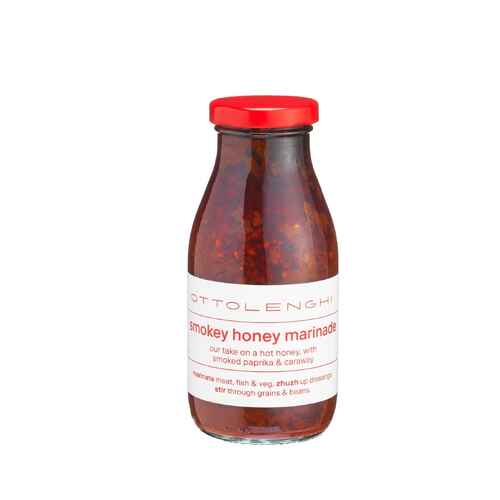
Ottolenghi Smokey Honey Marinade (270g)
$22.95
Hand-packed and dispatched from our Corio, Victoria warehouse, with free delivery Australia-wide on orders over $100.
More from the blog.
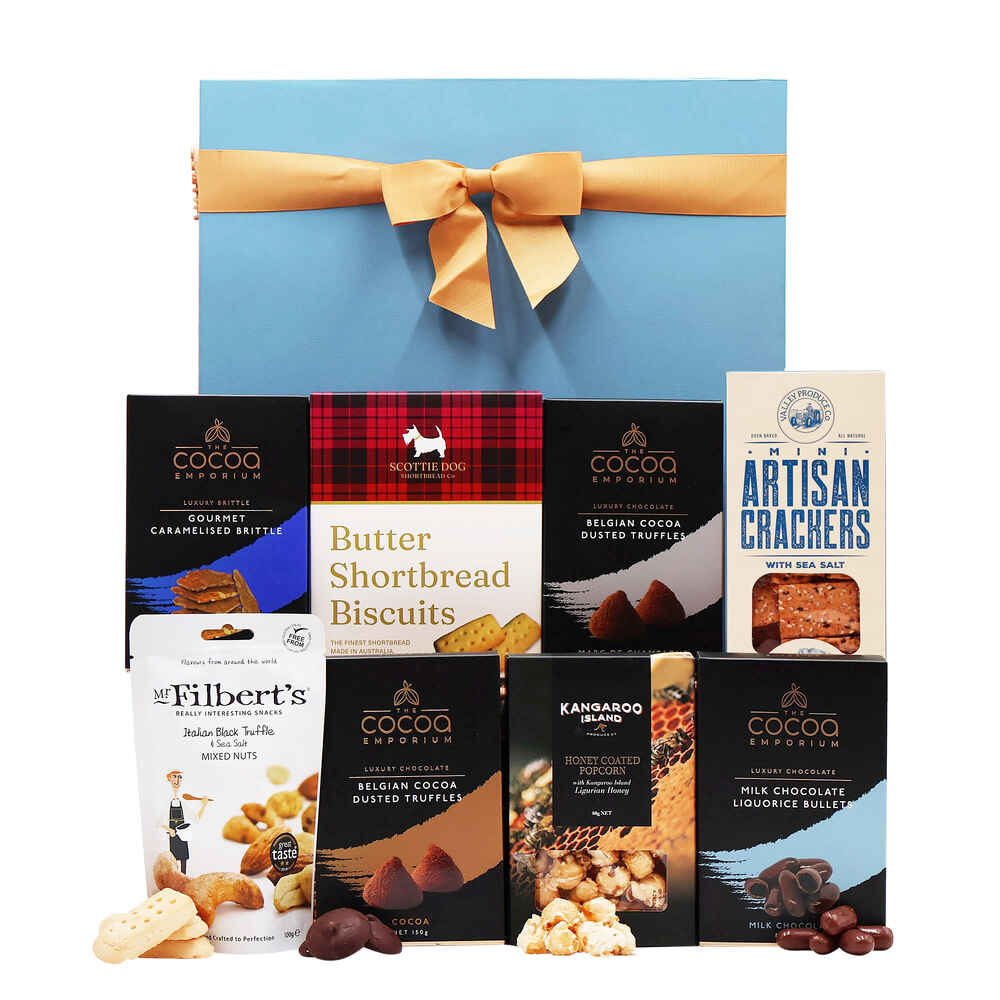
The Foodies Hamper: Eight Items, and What a Cook Does With Each
Eight packets, six of them sweet, and not a jar of anything in sight. What is actually in the box, and what somebody who cooks can do with each item once the ri
Read now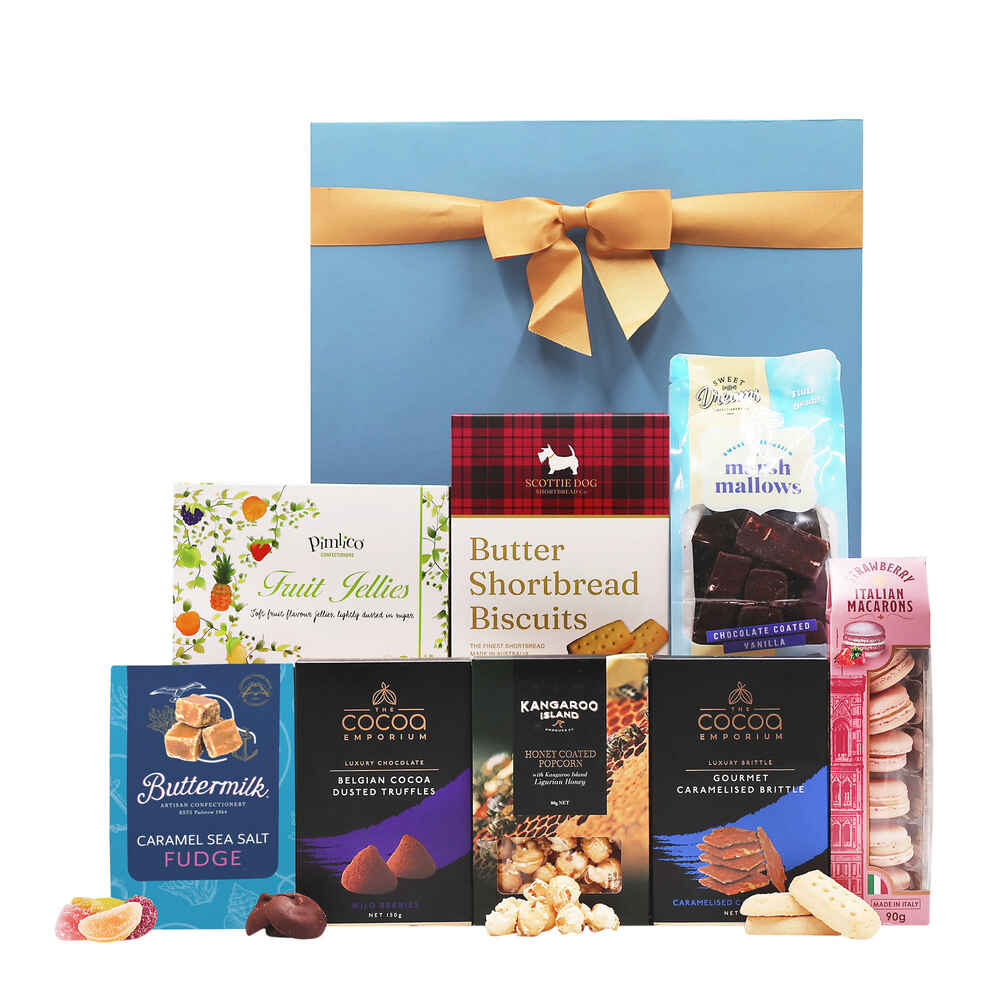
The Sweet Treats Hamper: The Kids-and-Grandparents Pick
Eight sweet packets that open by hand and sit on a table at room temperature, which is why this box works when a six-year-old and a grandparent have to be pleas
Read now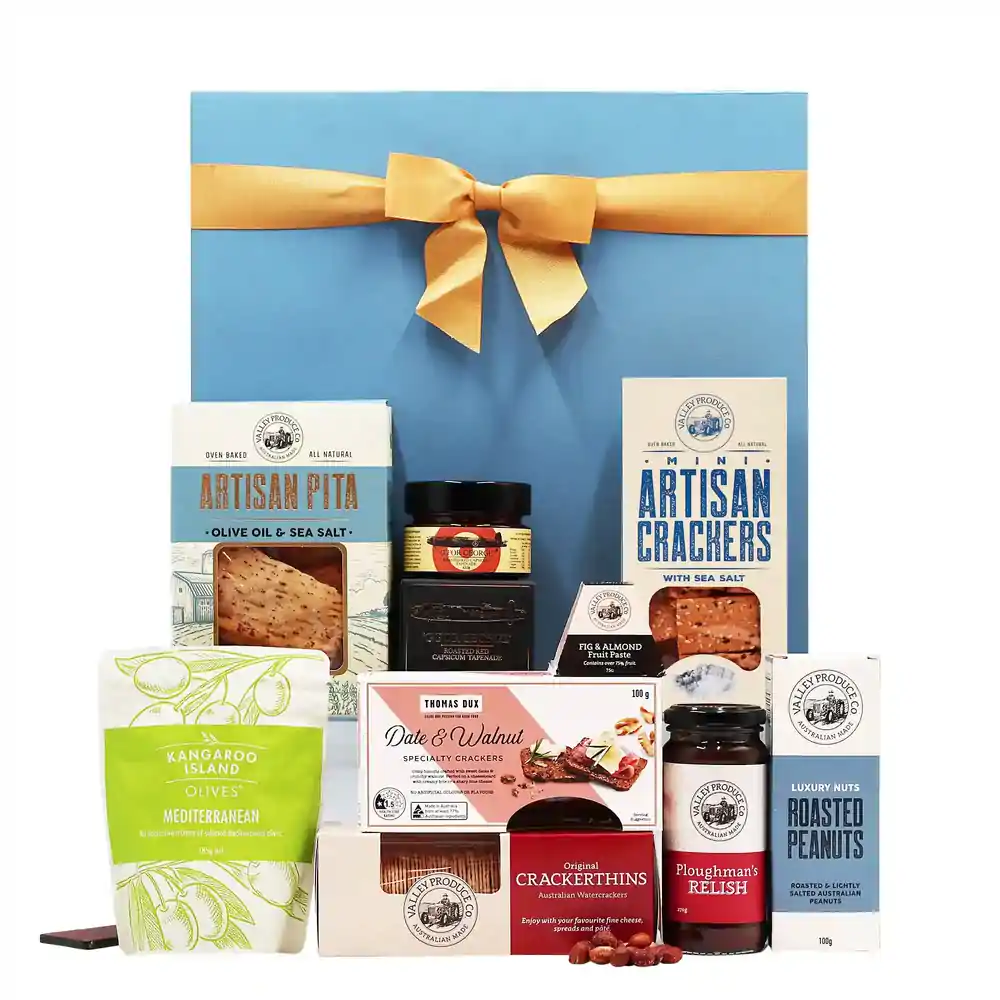
Just Add Cheese: Which Cheeses to Buy for the Hamper
Nine pantry items arrive and the cheese is yours to buy. Three cheeses, about 600g between them, and the box itself tells you which ones to ask for at the count
Read now