
Nine Ways to Use Pomegranate Molasses Once the Bottle Is Open
By Jodie Smith, Product & Hamper Manager at The Gourmet Pantry.
Pomegranate molasses is pomegranate juice cooked down to a dark, pourable syrup. It reads sour first and sweet second, and it behaves like a lemon that has been reduced: half a teaspoon lifts a dish and a tablespoon takes it over. Nine uses for one open bottle follow, each with a dose.
What is in the bottle
One fruit, reduced. Belazu Pomegranate Molasses is made from 100% Turkish pomegranates, cooked down until the juice thickens and darkens to something between a syrup and a thin honey. Pour a little onto a white plate and it moves slowly and stains a deep brown red. Taste it neat and the sourness lands well before the sweetness, which is the whole reason it is useful.
It is the only pomegranate molasses we stock, in one size: a 250ml bottle at $29.95. That price is worth a moment, because it is also the instruction. The pastes and pestos sitting beside it in the Belazu range run from $9.95 to $14.95, so this is the dear bottle on the shelf. It is also the one that lasts longest. A teaspoon is 5ml, so 250ml is roughly fifty teaspoons, and almost nothing below asks for more than two at a time. Priced as a sauce it looks steep. Priced as a seasoning it is a season of dinners.
Sour or sweet, and how much to use
Both, in that order. Sour arrives first, the sweetness sits underneath, and a faint bitterness at the end stops it tasting like cordial. Three rules cover almost every use.
Measure in teaspoons. One teaspoon dresses a salad for four. Two teaspoons finish a tray of roast vegetables. A tablespoon glazes a whole tray of meat and is the most that should ever go into one dish. It is not a one for one swap for lemon juice or vinegar, because it carries sugar along with the acid.
Give it fat or dairy to land on. Olive oil, yoghurt, tahini, butter, a fresh cheese. On its own against plain vegetables it can taste thin and raw. With fat nearby it turns round and savoury.
Add it late. Sugar burns. Anything that goes into a hot oven at the start comes out bitter at the edges, so it goes on after the tray comes out, or in the last ten minutes if you want a glaze.
You have very likely tasted it already
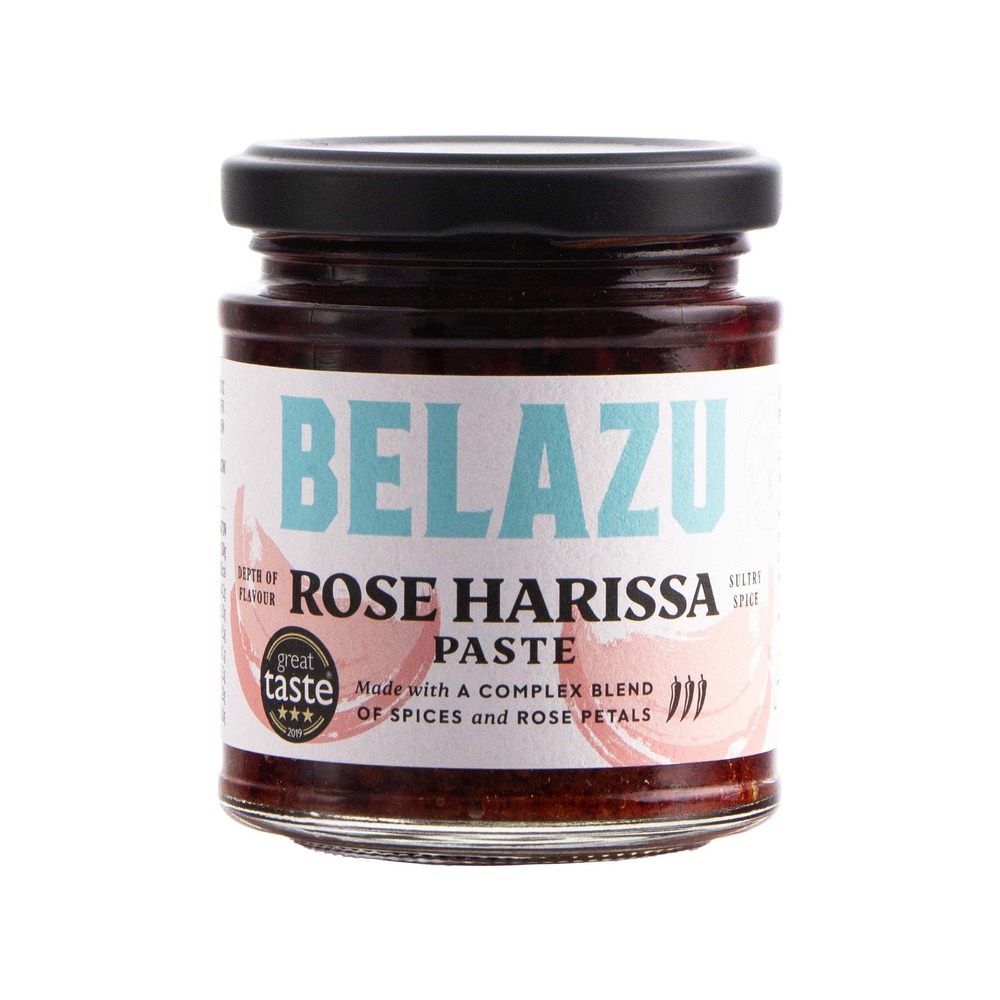
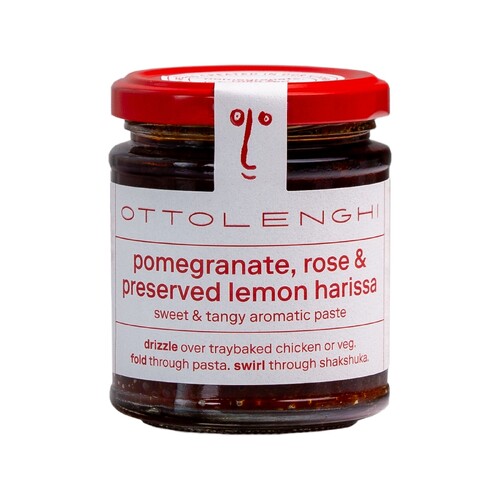
Most Australian cooks meet this flavour before they meet its name, because it hides inside other jars. The clearest example sits on our own shelves. Ottolenghi rose, pomegranate and preserved lemon harissa, 170g at $15.95, uses pomegranate as the tang that makes that paste read bright rather than blunt. If you have cooked with that jar and liked what the sourness did to roast vegetables, the bottle is that same note on its own, without the chilli.
The nine uses at a glance
Doses are for four people. None of these needs a special shop, and none takes more than ten minutes of real work.
| Use | Dose for four | Why it works |
|---|---|---|
| 1. Dressing for leaves and grains | 1 tsp to 3 tbsp olive oil | Acid and a trace of sweetness in one spoon, so no sugar needed |
| 2. Threaded over tahini sauce | Half a tsp, not stirred in | Cuts the chalky edge of sesame |
| 3. Stirred through yoghurt | 1 tsp per 250g | Turns plain yoghurt into a sauce with a sour edge |
| 4. On the cheese board | Half a tsp per wedge | Sharper against a salty cheese than a sweet fruit paste |
| 5. A long cold drink | 2 tsp per tall glass | Fruit sourness without the sugar load of a cordial |
| 6. Over roast vegetables | 2 tsp on the hot tray | Goes on after roasting, so the sugar never burns |
| 7. Late glaze on lamb or chicken | 1 tbsp with 1 tbsp oil | Sets sticky and dark in the last ten minutes |
| 8. With rose harissa on sausages | 2 tsp to 1 tbsp harissa | Sweet and sour rounds off the chilli |
| 9. Into a pan sauce | 1 tsp off the heat | Acidity and a little body, without cream |
Five that need no heat at all
1. The three to one dressing
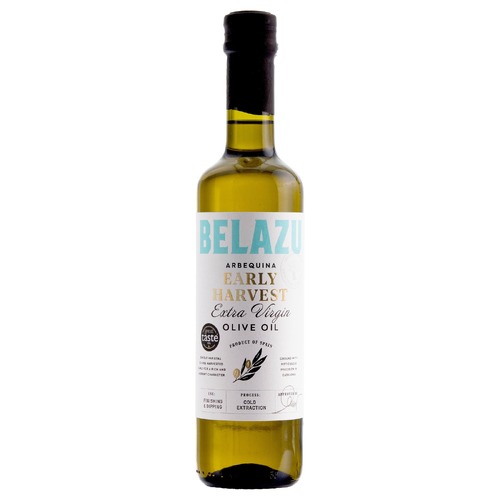
Three tablespoons of olive oil, one teaspoon of molasses and a good pinch of salt, whisked in the bottom of the bowl before anything goes in. No vinegar, no lemon, no honey, because the molasses does the work of two ingredients at once. Use a peppery oil so the two have something to argue about: Belazu early harvest extra virgin olive oil is pressed from young fruit and has the grassy bite for it. The dressing suits bitter leaves, shaved fennel, a freekeh or pearl couscous salad, and anything with feta in it. Our guide to Christmas salads and the dressings that carry them puts the same ratio on a summer table.
2. A thread over tahini sauce
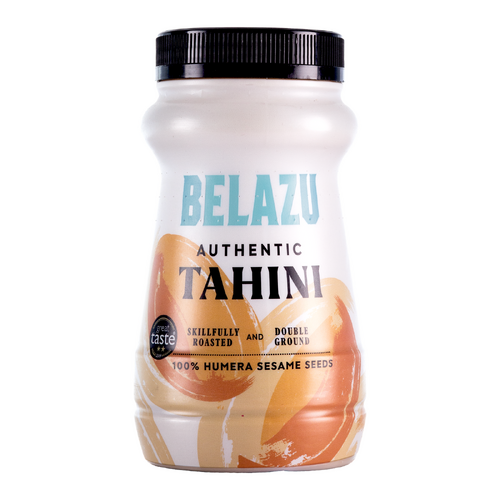
Loosen three tablespoons of Belazu tahini with the juice of half a lemon and cold water added a spoonful at a time. It will seize, turn pale and look ruined about halfway through, then loosen into a smooth ivory sauce. Season with salt, spoon it flat onto the plate, and thread half a teaspoon of molasses across the top without stirring it in. The stripes are the point: sesame, then sour, then sesame again. Good under grilled lamb, over roast cauliflower, or on flatbread with nothing else at all.
3. Stirred through yoghurt
One teaspoon into 250g of plain yoghurt with salt and a little olive oil. Thirty seconds of work, and it becomes the sauce for roast pumpkin, rice, meatballs or a bowl of chickpeas. Greek style yoghurt holds the swirl; a runnier natural yoghurt carries the flavour further through.
4. On the cheese board
Half a teaspoon drizzled onto the plate beside a washed rind, a fresh goat's curd or a young pecorino, with toasted walnuts over the top. Fruit paste is sweeter and softer, so the molasses does a different job: it is sharper, which suits cheese that is salty and rich rather than mild. A board is where most open bottles get their second outing, and it costs ten seconds.
5. A long cold drink
Two teaspoons in the bottom of a tall glass, stirred with a splash of hot water so the syrup dissolves properly, then ice, soda water, mint and a strip of lemon peel. It comes out sour rather than sweet, which is what you want at three in the afternoon in December, and it gives anyone who is not drinking something better than lemonade.
Four that go near the heat
6. Over roast vegetables, after they come out
Carrots, pumpkin, beetroot and eggplant all take it. Roast them at 200°C with olive oil and salt, then spoon two teaspoons over the hot tray and toss so it loosens in the oil already there. Carrots are the pick: dress the hot tray, then lay them over tahini with feta and macadamias. The label suggests baked aubergine and it is right: halved, scored, roasted until it collapses, then molasses, yoghurt and coriander. Do not add it before roasting, which is the mistake almost everyone makes with this bottle.
7. A late glaze on lamb or chicken
One tablespoon of molasses with one tablespoon of olive oil and a crushed garlic clove, brushed over lamb cutlets, chicken thighs or a shoulder in the last ten minutes of cooking, then brushed on again while the meat rests. Any earlier and the sugar goes black before the meat is done. On the barbecue, wait until the heat has dropped, brush once and keep the tongs moving.
8. With rose harissa, on sausages and meatballs
Two teaspoons of molasses to one tablespoon of rose harissa, loosened with a little oil and spooned over sausages, koftas or meatballs for the last five minutes in the pan. The sourness takes the flat edge off a chilli paste the way a squeeze of lemon does, except that it stays put and turns sticky. Our pomegranate and lemon harissa sticky sausages run on the same principle, and there are ten more ways to use rose harissa if that jar is already open.
9. Into a pan sauce, off the heat
Lift the chicken thighs or the steak out of the pan and let them rest. Tip out most of the fat, add a splash of water or stock and scrape the base of the pan clean. Take it off the heat, then stir in one teaspoon of molasses and a knob of cold butter until it thickens. You get colour, acidity and a little body without any cream, and it takes about ninety seconds.
Cooking ideas, before the rush.
Christmas ordering reminders and new arrivals, one email when it matters. Unsubscribe any time.
What to open alongside it
- Belazu Tahini, 500g, $19.95. The other half of use 2.
- Belazu Early Harvest Extra Virgin Olive Oil, 500g, $59.95. Peppery, young fruit, and what makes the three to one dressing worth making.
- Belazu Rose Harissa Paste, 130g, $14.95. The chilli half of use 8.
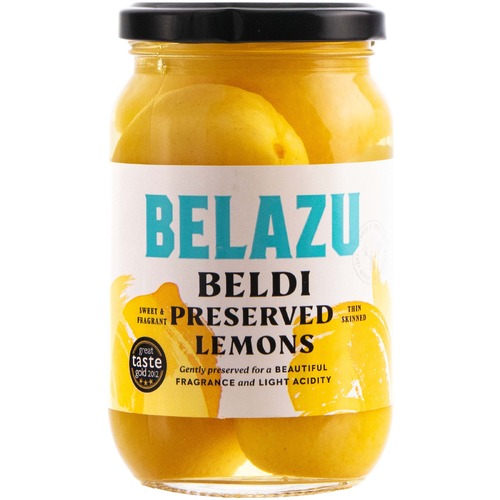
- Belazu Preserved Lemons, 200g, $12.95. Sour with no sweetness behind it.
- Ottolenghi rose, pomegranate and preserved lemon harissa, 170g, $15.95. The same tang blended into a paste, for nights you would rather not measure.
Pomegranate molasses questions we get asked
What is pomegranate molasses?
Pomegranate juice cooked down until it thickens into a dark syrup. There is no cane molasses in it; the name describes the texture. Middle Eastern, Turkish and Persian cooking use it as a souring agent, where another cook would reach for lemon or vinegar.
What can I use instead of pomegranate molasses?
Nothing matches it exactly, because you are asking one ingredient to be sour, slightly sweet and thick at once. The quick stand in is one tablespoon of good balsamic vinegar with a squeeze of lemon and a quarter teaspoon of honey. The closer one is pomegranate juice reduced by three quarters over low heat, about 40 minutes of work.
Does pomegranate molasses need to go in the fridge after opening?
Follow the label first. In practice it is a sugar and acid syrup, so a cool, dark cupboard with the cap wiped and screwed on tight is fine, and it stays pourable there. Cold thickens it to the point where it will not leave the neck, so if you do refrigerate it, stand the bottle in warm water for a minute first.
Is pomegranate molasses sweet or sour?
Sour first, sweet second. Straight from the spoon it is sharp enough to make you blink and the sweetness only registers afterwards. That balance is why it works on savoury food where honey would be too much, and why a dressing made with it needs no vinegar.
How long does a bottle of pomegranate molasses last?
Unopened, until the best before date on the label. Opened and stored properly it keeps for months rather than weeks, darkening slowly. Crystals around the neck are normal: wipe the thread clean and carry on.
Where can I buy pomegranate molasses in Australia?
The Gourmet Pantry ships the Belazu 250ml bottle Australia wide, and shipping is free on orders over $100. Orders placed before 12pm on a weekday are dispatched the same day from our Corio, VIC warehouse, tracked with Australia Post.
Where the bottle earns its keep
Pomegranate molasses fails in Australian kitchens for one reason: it gets bought for a single dish, used once, then pushed to the back behind the vinegar. Keep it at the front next to the oil, measure in teaspoons, add it after the heat, and it becomes the thing you reach for when a dish tastes flat and you cannot work out why.
The 250ml bottle sits with the rest of the Belazu range and our wider shelf of gourmet condiments. If it is a present rather than a Tuesday, our Christmas hampers cover the ready wrapped side.
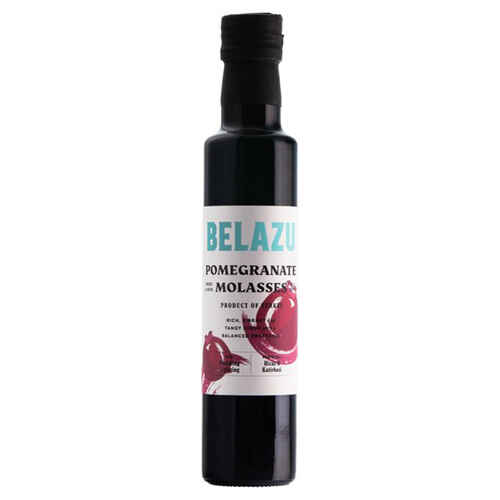
BELAZU Pomegranate Molasses (250ML)
$29.95
Hand-packed and dispatched from our Corio, Victoria warehouse, with free delivery Australia-wide on orders over $100.
$19.95
More from the blog.

Gingerbread Biscuits and Gingerbread Spice: A Christmas Guide
The spice mix behind gingerbread, a blend you can make tonight, why some biscuits snap and others stay soft, and the gingerbread worth buying when you would rat
Read now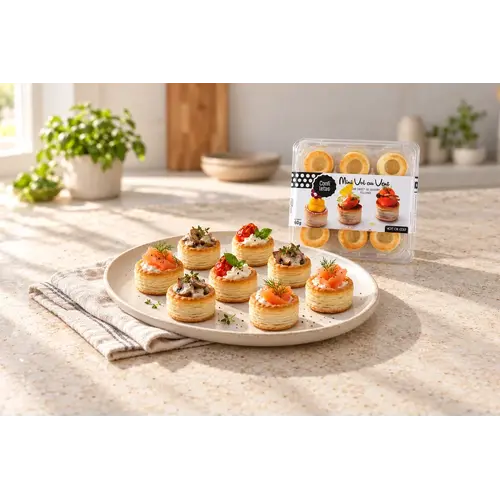
Vol au Vent Fillings: 12 Ideas for Christmas
Classic chicken and mushroom, curried egg, prawn, smoked salmon and a few sweet ones. Twelve vol au vent fillings, how many to make per guest, and how to stop t
Read nowChristmas Shortbread: Types, Tins and Millionaire's Shortbread
Butter, sugar and flour, and very little else. Why shortbread belongs at Christmas, how to tell a good one, the tins worth giving, and how to make millionaire&#
Read now