
Salads for Christmas Lunch, and the Dressings That Carry Them
By Jodie Smith, Product & Hamper Manager at The Gourmet Pantry.
Four salads is the ceiling for an Australian Christmas table, and they should be four different things: one of leaves, one starchy, one with summer fruit in it, one shaved and crunchy. Make them differ by texture rather than by name, then put the effort into the dressings, because the dressing is what people actually taste.
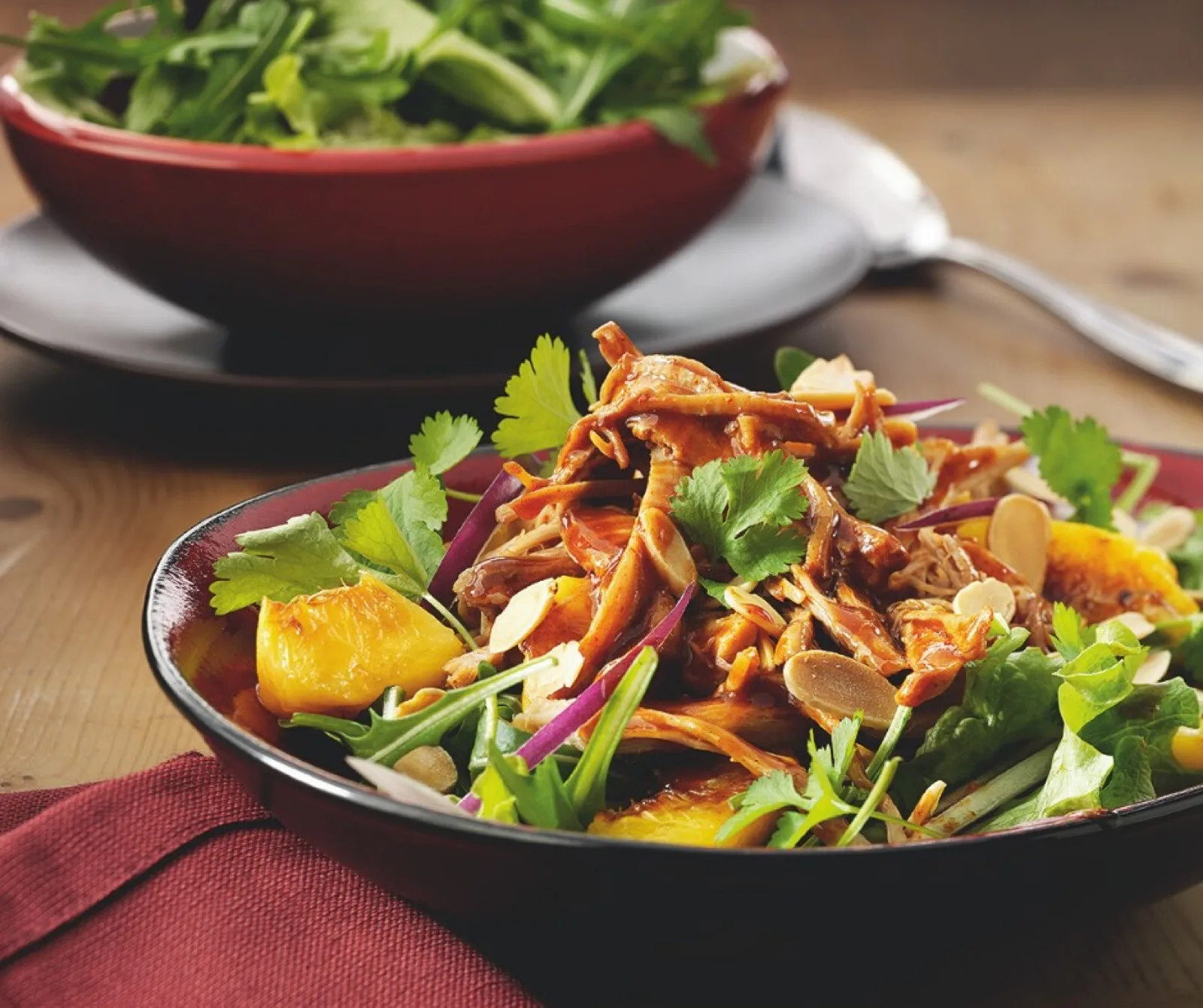
Four salads that are not the same salad
The usual failure on 25 December is not too few salads. It is four bowls that all turn out to be leaves with something scattered over them, so that by the time the ham is carved nobody can tell them apart and two go back to the fridge barely touched. Sort by texture instead. Everything below belongs next to cold ham, poached salmon or prawns, and if the rest of the menu is still open, our guide to Christmas food in Australia covers the whole table.
A salad of leaves, dressed at the table
Soft leaves, herbs picked whole rather than chopped, maybe shaved fennel or radish through it. This one cannot be dressed early, so make it the last job before everyone sits down. Our green salad with preserved lemon dressing is exactly this salad and takes four minutes once the leaves are washed. Dry is the word that matters: a wet leaf will not hold dressing, and the dressing puddles at the bottom of the bowl instead.
A starchy salad, dressed while it is still warm
Potatoes, a grain like farro or freekeh, or cold pasta. Warm starch drinks dressing and cold starch repels it, so dress it the moment it is drained and still steaming, then let it come down to room temperature and taste it again. Straight from the fridge it tastes flat, so give it half an hour on the bench.
A salad with summer fruit in it
Stone fruit is at its best in the last week of December and it does more work in a salad than in a bowl. Peach or nectarine with tomato and torn mozzarella. Cherries with radicchio. Mango with cucumber and chilli. Fruit brings its own sugar and its own acid, so the dressing wants to be sharper and thinner than instinct suggests.
A crunchy salad that holds for hours
Shaved cabbage, fennel, carrot, kohlrabi: anything sliced thin that will not collapse. Salt it lightly, dress it early, and it improves across two or three hours instead of dying. This is the salad to make if you are taking something to someone else's house, and the one to hold back until three o'clock when the first round has gone. The running order for the whole day is in our Christmas lunch ideas piece.
The dressing is most of the work
Three parts oil to one part acid is where to start, and it is a start rather than a rule. Salt goes into the acid first, before any oil, because salt dissolves in lemon juice or vinegar and will not dissolve in oil. Whisk, then taste it on a leaf rather than off a spoon: a spoonful reads about twice as strong as the same dressing on a lettuce, which is how people end up under-seasoning a whole bowl.
Oil is where the money should go, because a neutral supermarket blend makes a technically correct dressing with no flavour in it. A 750ml bottle of Kangaroo Island Extra Virgin Olive Oil at $41.95 is what we keep on the bench through December: first cold pressed, grassy enough to taste through tomato and stone fruit, and big enough that you stop rationing it. The rest of the oils and vinegars sit together in olive oil and vinegars, including caramelised balsamics under $10.
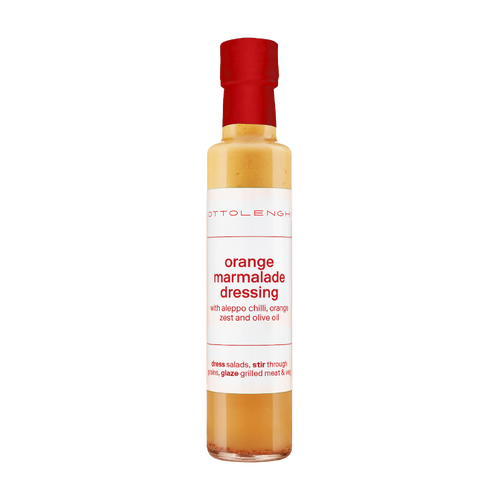
Two bottled dressings earn their place on a day with nine other things on. The Ottolenghi honey mustard dressing (250ml, $24.95) is dijon and honey with preserved lemon paste through it, and the preserved lemon is what stops it reading as sweet. That one goes on potatoes, grains and anything with chicken. The orange marmalade dressing (250ml, $24.95) is orange zest, olive oil and aleppo chilli, better than it sounds on bitter leaves, raw carrot and that fruit salad. Neither is a Christmas-only bottle, which is the point: both are still earning their place on a Tuesday in March.
| Salad | Dressing | Why it works |
|---|---|---|
| Leaves and soft herbs | Lemon juice, olive oil, salt, one to three | Light enough that leaves stay upright |
| Potato, farro or pasta | Ottolenghi honey mustard dressing | Mustard clings to starch, preserved lemon cuts the fat |
| Peaches, tomatoes, cherries | Fig and honey caramelised balsamic | Thick and sweet, so almost none is needed |
| Shaved cabbage, fennel, carrot | Orange marmalade dressing | Sweet and warm enough for raw brassica |
| Roast vegetables gone cold | Chopped preserved lemon and olive oil | Salt and acid in one ingredient |
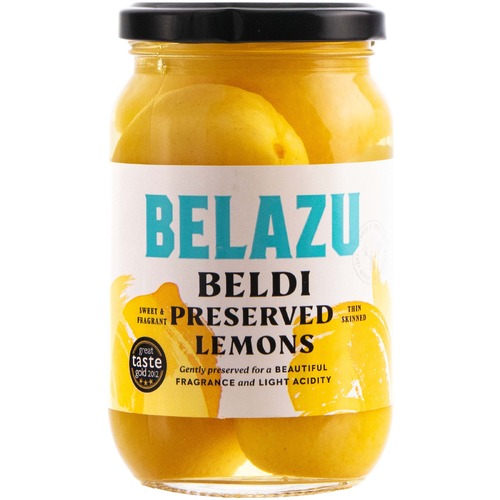
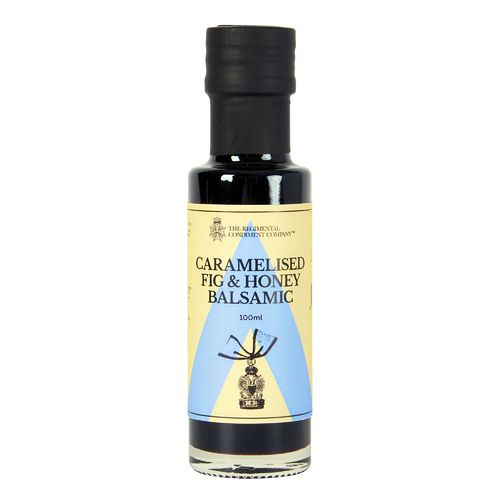
The two ingredient dressings are the ones worth learning, because there is nothing in them to get wrong. A spoon of Belazu preserved lemons ($12.95 for 200g), skin and all, chopped fine and loosened with olive oil, is a dressing. Those are small Beldi lemons, hand sorted and hand packed, and they won three Great Taste stars from the Guild of Fine Foods in 2012, an accolade given to fewer than two entries in every hundred. At the cheaper end, fig and honey caramelised balsamic ($7.95 for 100ml) goes straight from the bottle over peaches and torn mozzarella, no oil at all.
What can be done ahead, and what cannot
Dressings keep about three days in a screw top jar in the fridge, which is the most useful thing on this page. Olive oil goes cloudy and half solid when cold, so bring the jar out an hour before lunch and shake it back together. Our make ahead Christmas food calendar puts that job alongside the glaze and the cheese order.
Dress early: shaved cabbage and fennel, potato and grain salads, anything with raw onion that wants an hour to soften. Dress late: leaves, soft herbs, tomatoes, avocado and anything with a fresh cheese through it. Keep a second bowl of each in the fridge and bring it out when the first has gone, rather than setting the lot down at midday and watching it wilt.
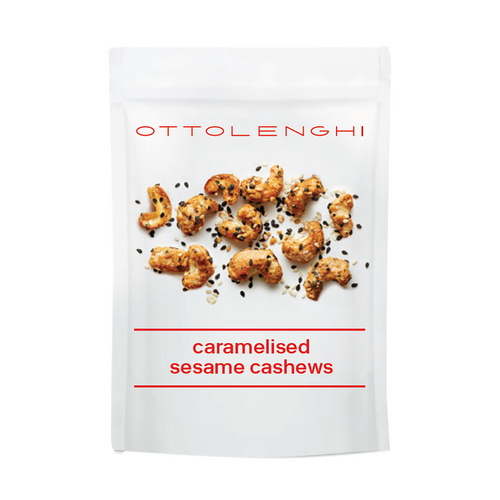
Crunch goes on last, at the table, and in December it should not be croutons. Ottolenghi caramelised sesame cashews ($14.95 for 110g) scattered over a shaved salad do the same job with none of the work, and what is left in the packet becomes the thing people pick at while the ham is carved.
Questions we get asked
What salads go with Christmas lunch?
A green leaf salad, a potato or grain salad, one with summer fruit in it, and a shaved cabbage or fennel salad. Between them you get soft, starchy, sweet and crunchy, which is the range that works next to cold ham, salmon or prawns. Four covers ten people. Two is plenty for six.
Can you dress a salad ahead of time?
The dressing keeps about three days in a jar in the fridge. Whether the salad can be dressed ahead depends what is in it. Potato, grain and shaved cabbage salads are better after an hour or two in dressing. Leaves, herbs, tomato and avocado should be dressed at the last minute, or they weep and go limp.
What salad travels well to Christmas lunch?
A shaved cabbage, fennel or carrot salad, dressed before you leave. It holds for hours and softens into something better. To bring leaves instead, pack them dry in one container with the dressing in a jar and toss the two together once you arrive. Nuts and cheese go on at the table.
Good oil and one decent vinegar cover most of this page, and they are the two things worth ordering before the shops get frantic. Ours are in olive oil and vinegars, shipping is free Australia-wide over $100, and weekday orders placed before 12pm are dispatched the same day from our packing room in Corio, Victoria. If salads are as far as you want to go this year, our Christmas hampers are packed by hand in that same room.
Christmas ideas, before the rush.
Christmas ordering reminders and new arrivals, one email when it matters. Unsubscribe any time.
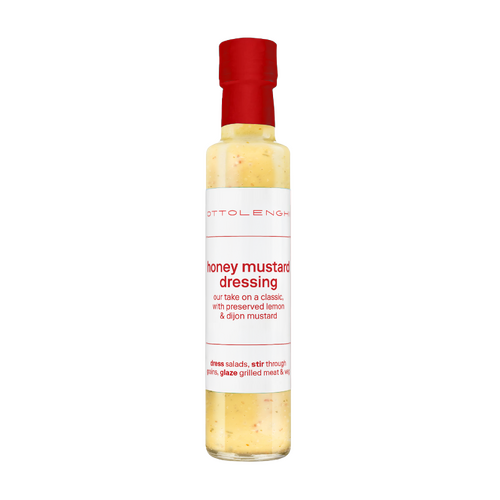
Ottolenghi Honey Mustard Dressing (250ml)
$24.95
Hand-packed and dispatched from our Corio, Victoria warehouse, with free delivery Australia-wide on orders over $100.
More from the blog.
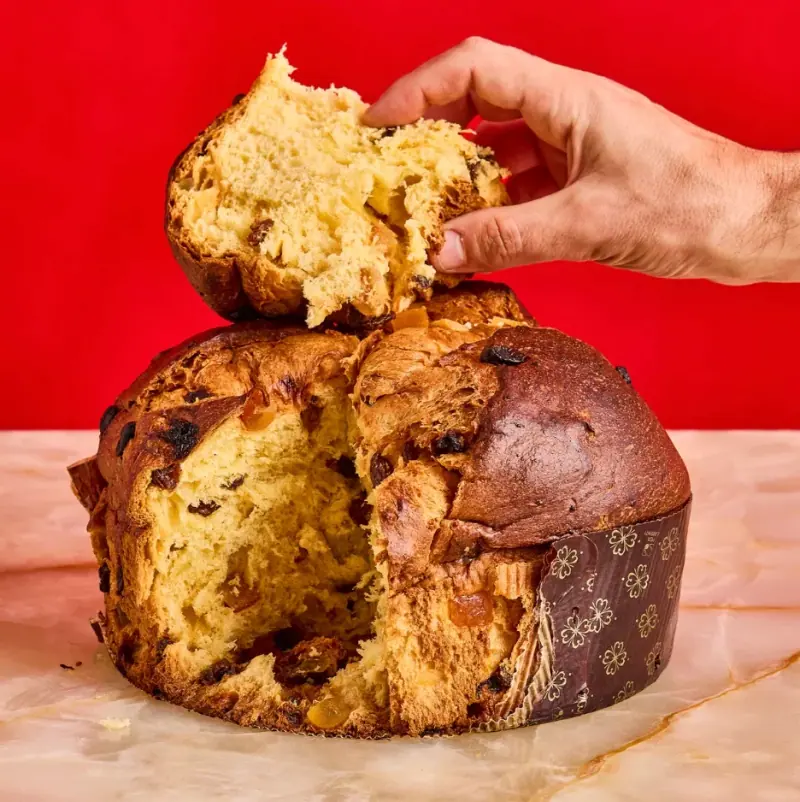
What Is Panettone?
A tall, domed Italian Christmas bread made over three days with a living sourdough starter. Here is what separates a good panettone from a cheap one.
Read now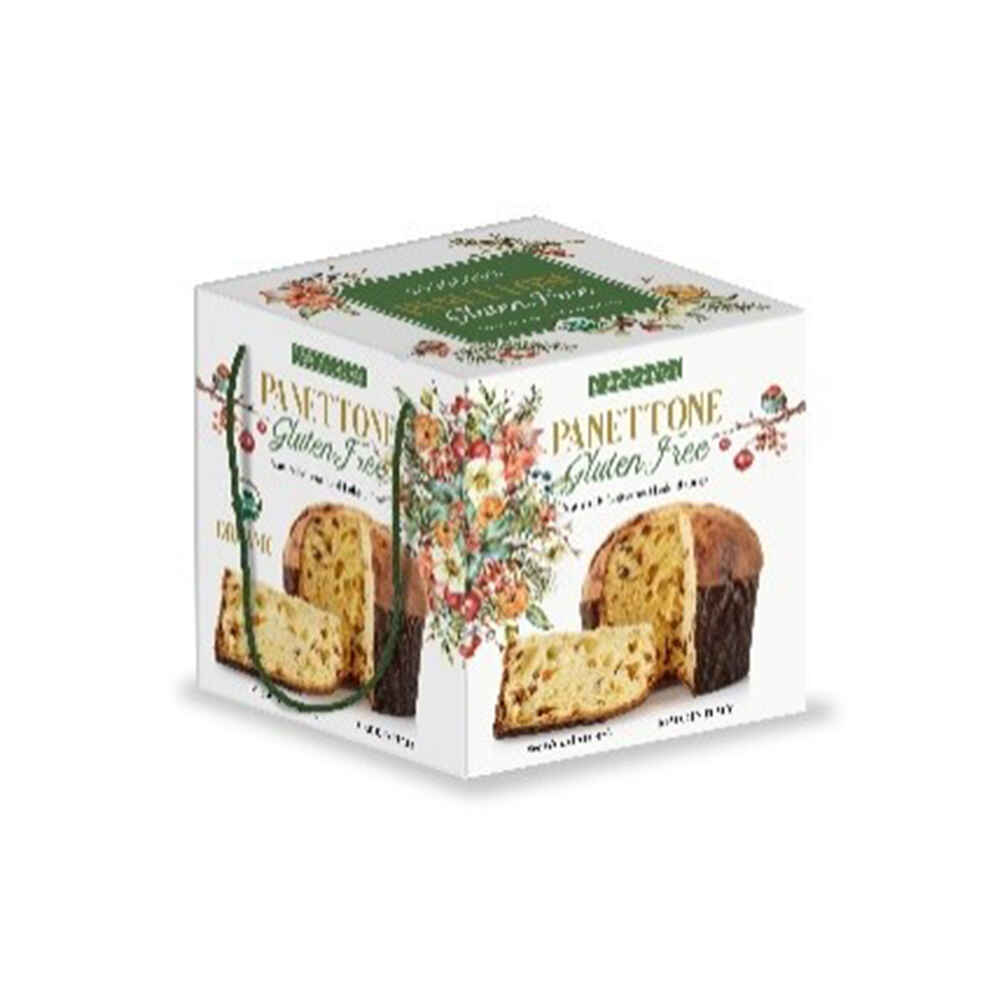
Gluten-Free Panettone in Australia
Gluten-free panettone is one of the hardest things in baking to get right. Here is why, what separates a good one from a dry one, and how to serve it.
Read now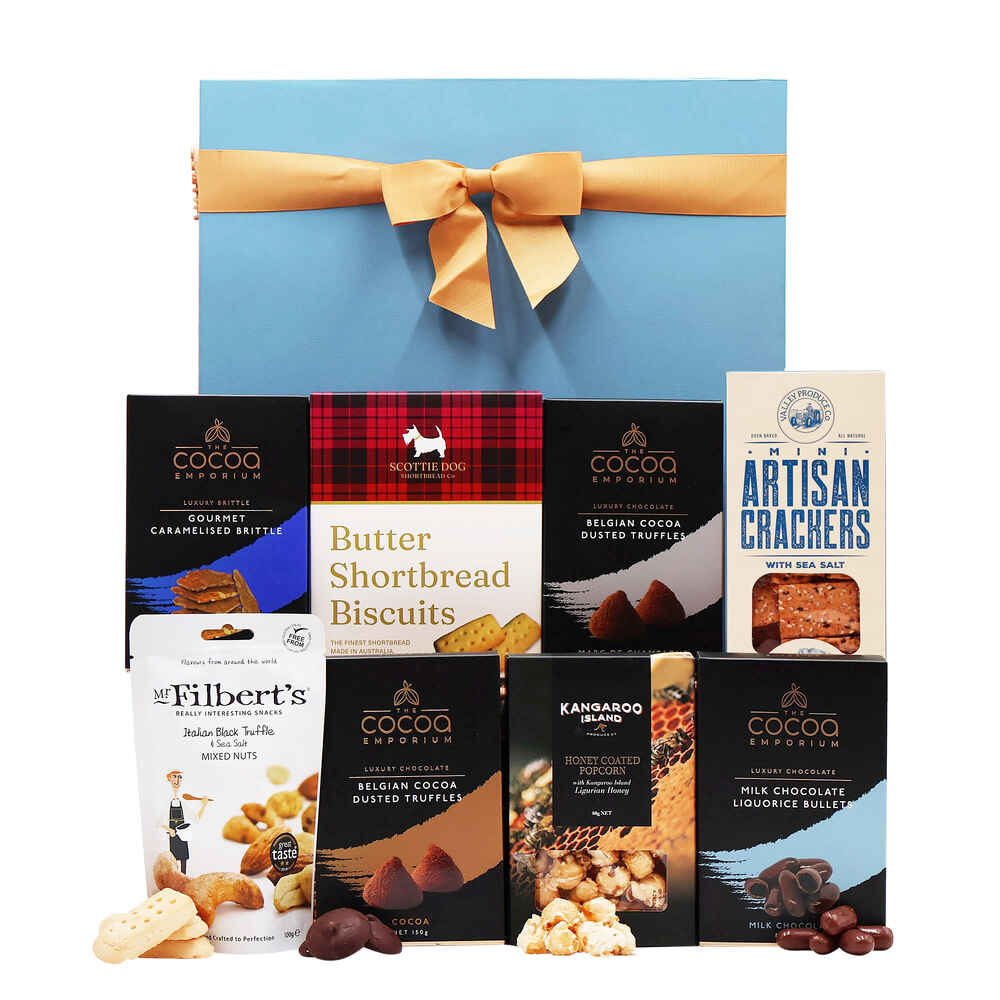
The Foodies Hamper: Eight Items, and What a Cook Does With Each
Eight packets, six of them sweet, and not a jar of anything in sight. What is actually in the box, and what somebody who cooks can do with each item once the ri
Read now