
Christmas Lunch Ideas for a Hot Australian Day
By Jodie Smith, Product & Hamper Manager at The Gourmet Pantry.
Serve Christmas lunch cold. A grazing board to start, a glazed ham or a poached side of salmon carved at room temperature, two or three salads, good bread, and something frozen or whipped to finish. Nothing needs the oven between 11am and 3pm, most of it is made the day before, and the pantry half can be bought in October.
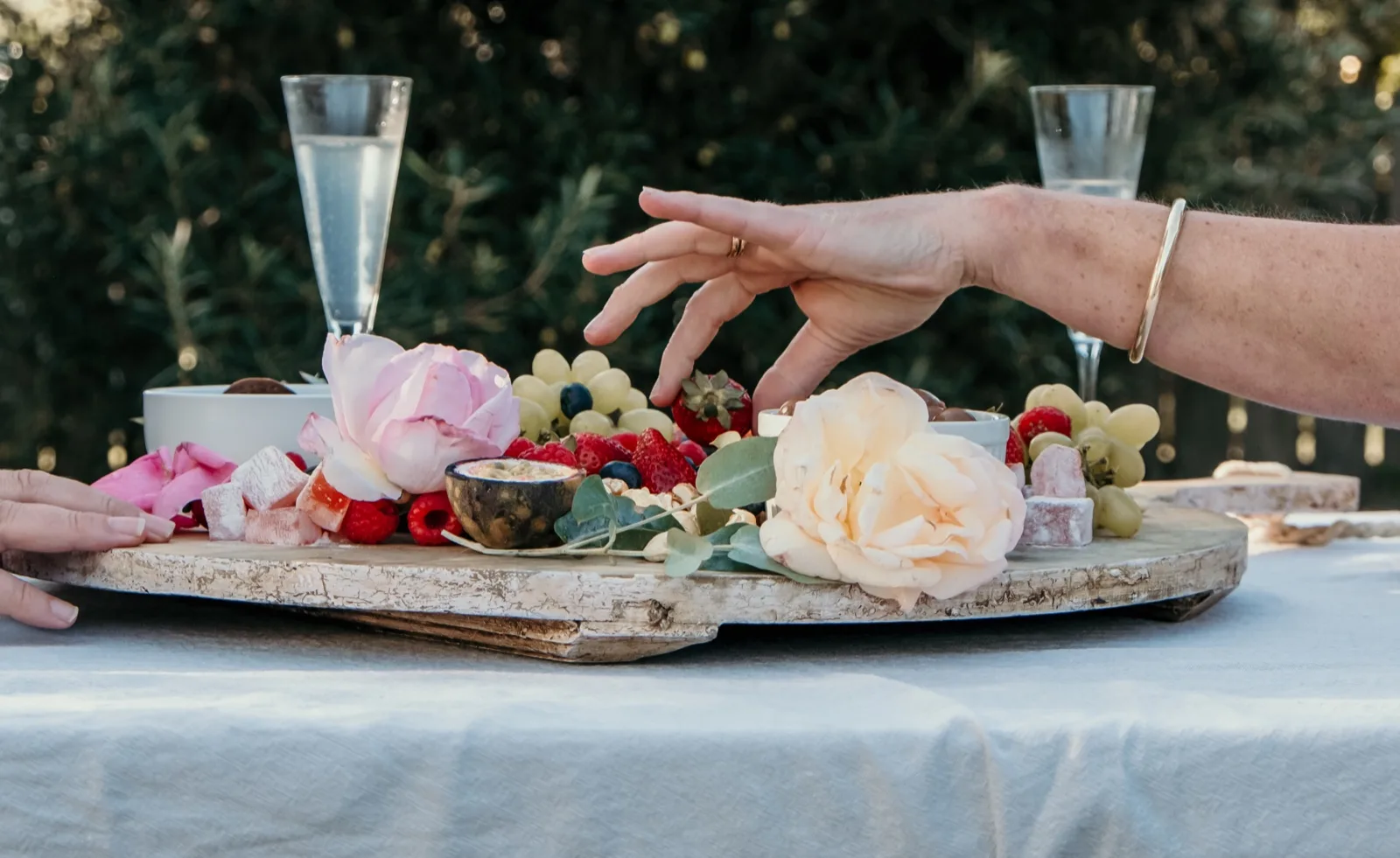
What follows is that menu written out properly: what goes on the table at each stage, which jobs belong to 23 December, which belong to Christmas morning, and the short list of things worth buying rather than making. The shelf stable half of it, the crackers, dressings, chutneys, olives, nuts and sweets, sits in our festive entertaining essentials range and waits in a cupboard until December. For the wider picture, including when to buy each part of the day, start with our guide to Christmas food in Australia.
Plan around the weather, not the tradition
An Australian Christmas is a summer lunch wearing a winter menu's clothes. A hot roast eaten indoors at one o'clock was designed for a cold, dark day in the northern hemisphere. Ours lands in high summer, usually outdoors, usually with people arriving across a two hour window rather than sitting down at a bell. Three rules follow.
- Nothing goes in the oven between 11am and 3pm. The kitchen is already the hottest room in the house. Anything needing heat gets cooked the night before and served cold or at room temperature.
- Cold food needs ice, not just a fridge. A platter carried outside at midday is warm inside twenty minutes. Sit seafood and dressed salads in a larger tray of ice, and keep the second round in the fridge until the first has gone.
- One hot dish, at most. Usually the potatoes. Everything else is assembly, and assembly is what lets you sit down with your own guests.
Start: a board people can graze for an hour
Nobody sits down on time on Christmas Day, so the first course has to hold. A board does that better than a plated entree, and it moves the work to the day before.
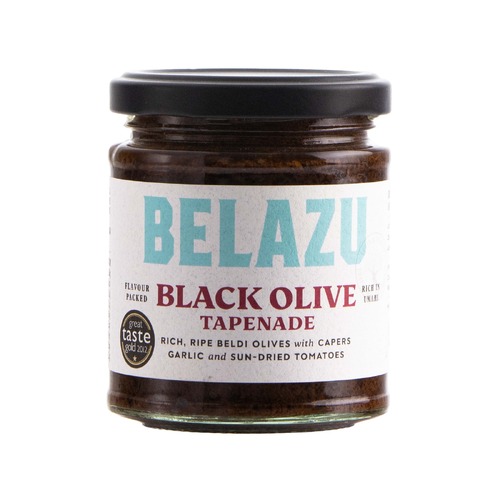
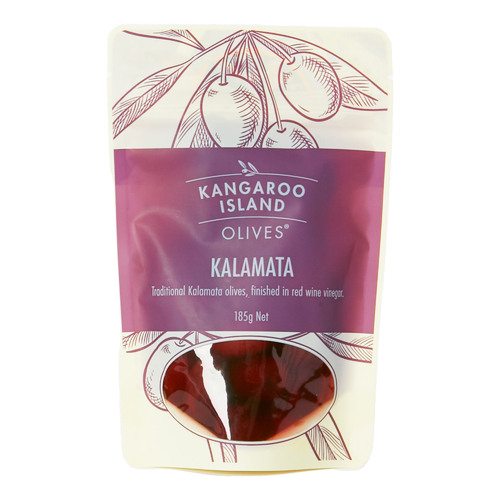
Build it on three textures: something crisp, something salty, something sweet and sticky. Crackers and seed crisps run from around $3 to $8 a packet, and the fruited ones do the most work on a Christmas table because they bridge the cheese and the ham. Valley seed crisps in quince and almond are the ones I put out first. Kangaroo Island kalamata olives at $7.95 come in a jar you can tip straight into a bowl, and a jar of Belazu black olive tapenade saves making one.
Quantities are easier than they look. Before a big lunch, count on about 50g of cheese and a small handful of crackers a head, with two or three jars between eight people. The board is there to take the edge off, not to replace the meal, and anything left sealed keeps well into January.
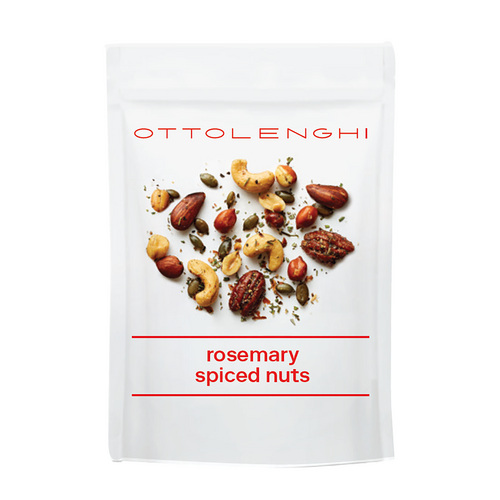
Warm the nuts if you have five spare minutes in the morning: tip Ottolenghi rosemary spiced nuts into a dry pan for two minutes and the rosemary comes back to life. Our Christmas charcuterie board sets out quantities and a layout, and the cheese board guide covers the cheese half.
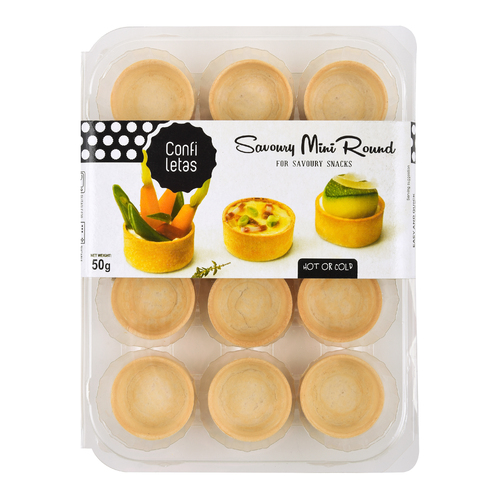
One canape is allowed, on the condition that it is filled cold. Confiletas mini savoury pastry cases are baked already and only need a filling. Our smoked salmon tartlets with lemon and dill take about fifteen minutes and never see an oven. Fill them within the hour, or the pastry softens.
The main: one carved thing, served cool
A glazed leg ham is the default and it earns the place. You buy it cooked, you glaze it yourself, and it feeds the household for a week afterwards. We do not sell the ham, your butcher does, and a leg is worth ordering in November. Our guide to how much ham per person has the quantities if you are working out what size to book.
If ham is not your family's thing, the alternatives share the same virtue of being good cold: a side of salmon poached the night before and left to cool in its liquid, a turkey breast rolled and roasted on 23 December, cold roast lamb, or a poached chicken pulled into a salad. Carve an hour before people arrive, cover it loosely, and let it come up to room temperature. Fridge cold meat tastes of very little.
The chutneys and relishes beside it are what make a cold plate interesting, and this part of the menu is shopping rather than cooking. Three jars is plenty.
- Mustang Dijon mustard for the ham, and for the vinaigrette later.
- Cranberry sauce in the 110g size, around $6.95, because nobody finishes a big jar of it.
- Something sweet and oniony. Caroline's caramelised onions at $16.95 do double duty, spooned beside the ham and stirred through the potato salad.
One homemade jar changes the table more than three bought ones. Our old fashioned tomato relish is the one to make, in November while the work is easy. Serving lamb instead? Officers' Mess mint jelly belongs on the table with it.
Sides: three salads, one starch, then stop
Three is the number. Any more and the table runs out of room, people take a spoonful of each and nothing gets eaten properly. Aim for one leafy, one grain or pasta, one sharp and fruity, plus potatoes. Good bread matters more than a fourth salad.
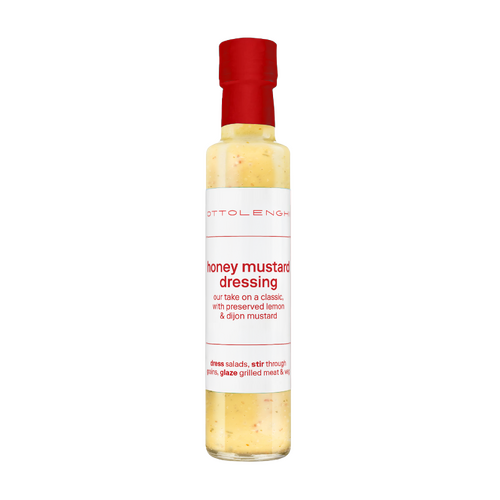
What separates a Christmas salad from a Tuesday one is the dressing, and a bought dressing on Christmas morning is not a compromise. Ottolenghi honey mustard dressing at $24.95 is the reliable one across leaves, potatoes and shaved fennel. The orange marmalade dressing is the interesting one, very good on anything with stone fruit or radicchio in it.
Making your own is oil, acid, salt and something sweet, in that order of quantity. Kangaroo Island extra virgin olive oil in the 250ml bottle is the everyday one to build on, and a spoonful of preserved lemon chopped fine does more for a green salad than any amount of technique. Our green salad with preserved lemon dressing is that idea in one recipe, and the rest of the olive oil and vinegar range is worth a look if your bottle has been open since Easter.
Make it, buy it, skip it
| Dish | Verdict | Why |
|---|---|---|
| Glazed leg ham | Buy it, glaze it | Cooked legs come from the butcher. The glaze is fifteen minutes and the part people remember. |
| Prawns and seafood | Buy on 23 or 24 December | No make ahead version exists. Keep it on ice from the car to the table. |
| Salad dressing | Buy it | The one place a bottle beats a bowl on the day. |
| Tomato relish | Make it, in November | One afternoon months out, and a jar nothing bought can match. |
| Cheese board | Buy it, assemble it | Cheese, crackers, olives, a condiment. Nothing to cook. |
| Bon bons | Buy them in October | Good designs sell out and ranges change yearly. Here is what is actually inside one. |
Sweet: cold, and mostly assembled
Dessert comes out of the fridge or the freezer. Christmas pudding is the one thing I would leave off: on a hot day it goes back to the kitchen almost untouched. Bake a pavlova the night before, leave it in the switched off oven, and top it an hour before lunch.
The crunchy part is where a cupboard stocked in October pays for itself. Shortbread keeps for months and looks like an occasion in a tin: the bottlebrush tin at $19.95, or Jen's traditional shortbread at $9.95 if it is heading for the ice cream anyway. A jar of Borgo pistachio cream spooned over vanilla, with a squeeze of lemon, is the least effort for the most reward here. Our guide to building a dessert board lays out the full spread.
The order of play
- October to November. The pantry: crackers, chutneys, mustards, dressings, olives, nuts, shortbread, bon bons. It all keeps. Order the ham and book the seafood by mid November.
- 23 December. Anything needing heat: poach the salmon, roast the turkey, boil the potatoes, bake the pavlova base. Mix the dressings and wash the leaves.
- Christmas Eve. Collect the seafood, glaze the ham, build the board on its platter and cover it. Fill the esky overnight.
- Christmas morning. Nuts in the pan, tartlets filled, potato salad dressed while the potatoes are warm.
- One hour before. Carve, cover, and let the meat come to room temperature. Dress the salad last.
- Twenty minutes before. Board out, ice under the seafood, bon bons on the table, and go and talk to somebody.
Questions we get asked
What should I serve for Christmas lunch in Australia?
A cold menu. A grazing board of crackers, olives, cheese and a condiment while people arrive, then a glazed leg ham or a poached side of salmon carved at room temperature, two or three salads and potatoes, and a pavlova. Prawns and oysters appear on most tables, bought the day before.
What can I make for Christmas lunch the day before?
Nearly all of it. Poach the salmon, roast any meat you will serve cold, boil the potatoes, bake the pavlova base, mix the dressings and build the board under cling film. Leave three jobs for the day: the salad, the carving, and the seafood on ice.
How do you keep Christmas lunch cool in summer?
Ice underneath, not just around it. Sit platters of seafood and dressed salad in a larger tray of ice, keep the second serve in the fridge until the first has gone, and bring food out in rounds. Give drinks their own esky.
What is a simple Christmas lunch menu?
Board, ham, three salads, pavlova. Crackers, olives, tapenade and cheese to start. A glazed leg ham with mustard, cranberry sauce and a chutney. A green salad, a potato salad, one with fruit in it. Everything but the carving is done the day before.
Order the pantry half early and December gets much quieter. Everything here in a jar, a packet or a tin sits in our festive entertaining essentials range, shipping is free Australia-wide over $100, and weekday orders placed before 12pm are dispatched the same day from our packing room in Corio, Victoria. Rather send the lunch than cook it? Our Christmas hampers are packed by hand in that room.
Christmas ideas, before the rush.
Christmas ordering reminders and new arrivals, one email when it matters. Unsubscribe any time.
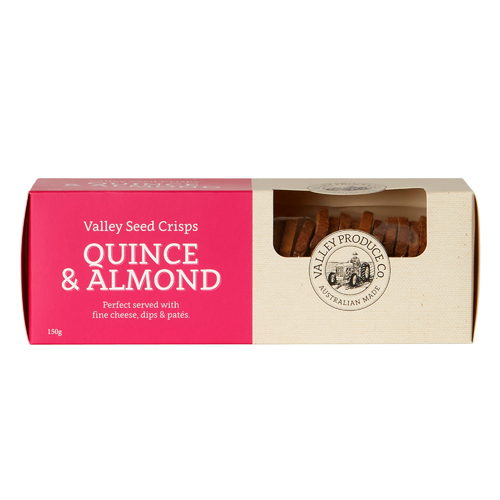
VPC Valley Seed Crisps Quince & Almond 150g
$6.95
Hand-packed and dispatched from our Corio, Victoria warehouse, with free delivery Australia-wide on orders over $100.
More from the blog.
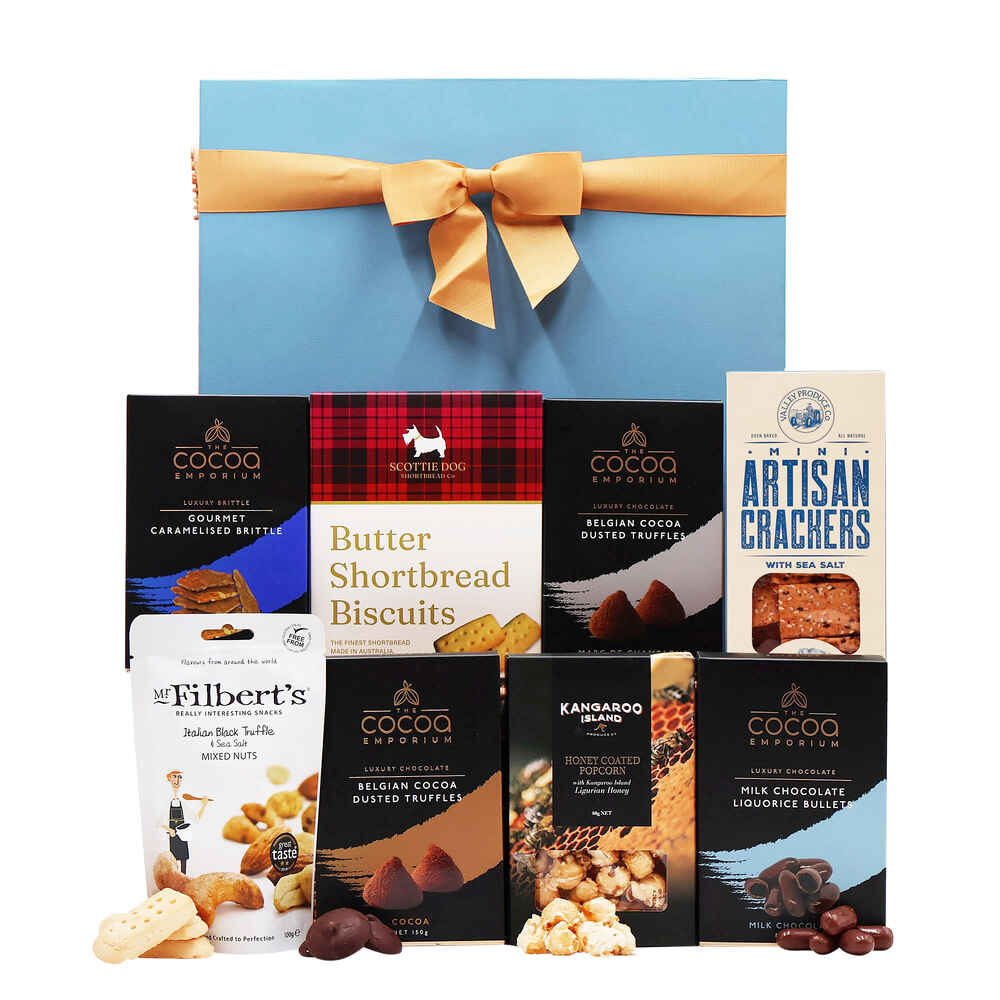
The Foodies Hamper: Eight Items, and What a Cook Does With Each
Eight packets, six of them sweet, and not a jar of anything in sight. What is actually in the box, and what somebody who cooks can do with each item once the ri
Read now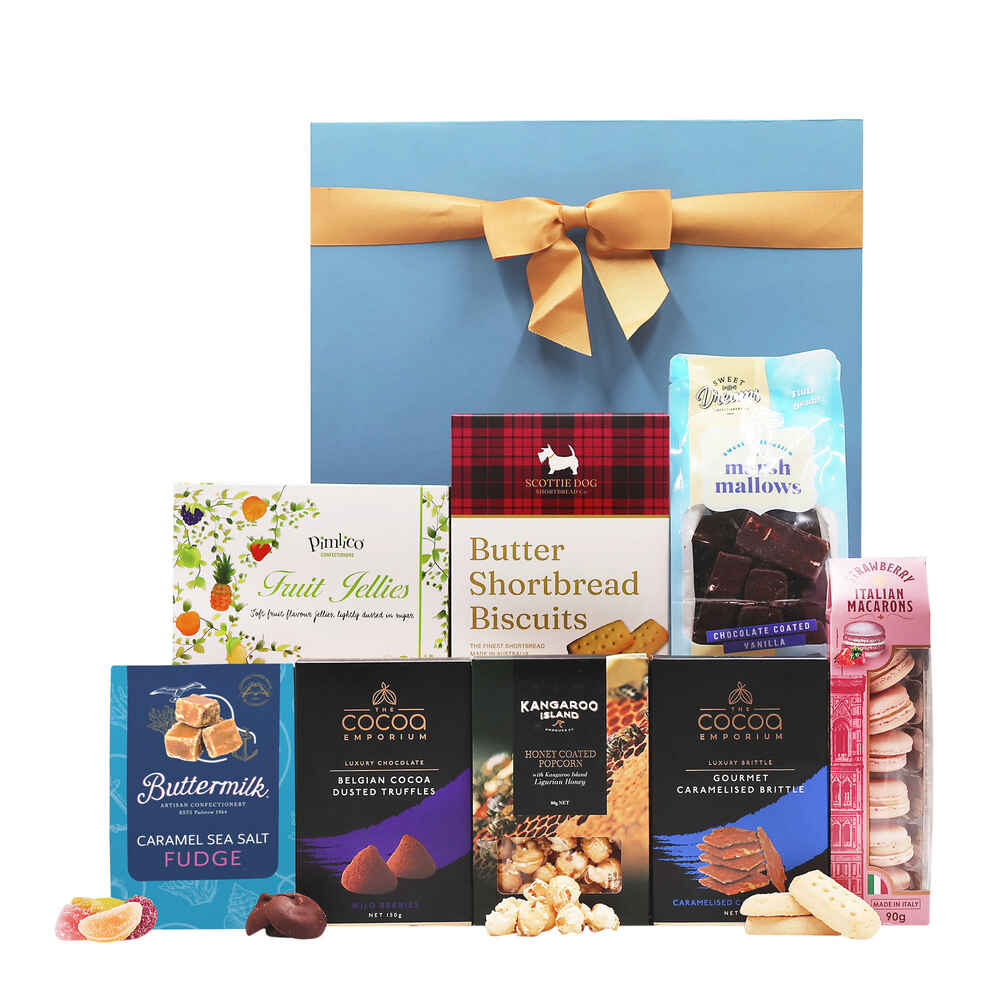
The Sweet Treats Hamper: The Kids-and-Grandparents Pick
Eight sweet packets that open by hand and sit on a table at room temperature, which is why this box works when a six-year-old and a grandparent have to be pleas
Read now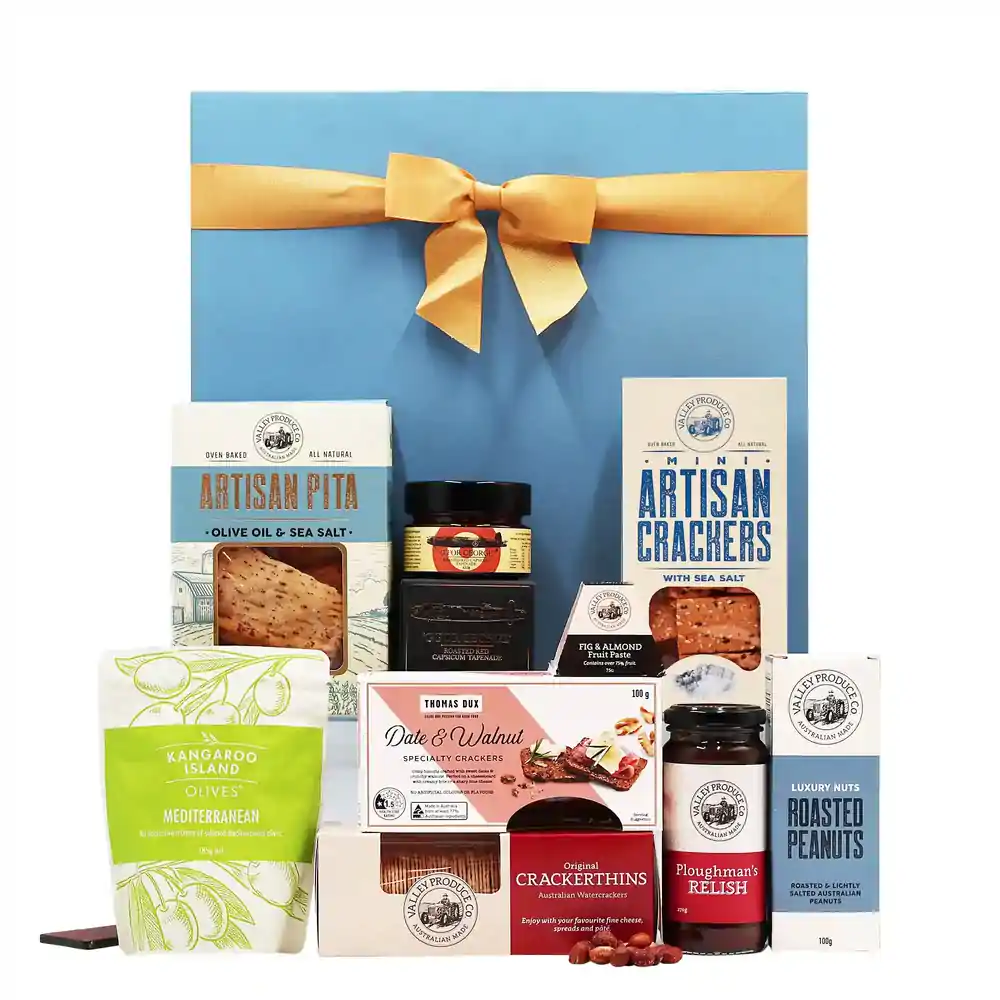
Just Add Cheese: Which Cheeses to Buy for the Hamper
Nine pantry items arrive and the cheese is yours to buy. Three cheeses, about 600g between them, and the box itself tells you which ones to ask for at the count
Read now