
Plum Pudding and Christmas Pudding Are the Same Thing
By Emily Patrikakos, Brand Executive at The Gourmet Pantry.
Plum pudding and Christmas pudding are the same dessert. Two names, one steamed pudding of dried fruit, spice, suet and sugar. There are no plums in it, and the name never meant there were: plum was the old English word for dried fruit, raisins most of all, and it outlived the meaning it started with.

Figgy pudding is a third name for the same thing: raisins, currants, peel, spice, sugar, breadcrumbs and suet, bound with egg and usually brandy, steamed for hours and kept for weeks. It is the oldest surviving course on the Australian Christmas table, which is strange work for a hot boiled fruit pudding. We do not sell one, for the record, though most of what gets eaten around it is in our Christmas range. For the rest of the meal, see our guide to Christmas food in Australia.
Where the plum went
From roughly the 17th century, plum in an English kitchen meant dried fruit. A plum was a raisin, a currant, a prune, anything shrivelled and sweet. Sugarplums were not plums either; they were boiled sweets rolled in sugar. A pudding packed with raisins was a plum pudding by plain description. The word later narrowed back to the fresh stone fruit and left the pudding with a name that no longer fitted. Figgy pudding is the same story in a regional accent: in the West Country, figgy meant raisin.
It started as soup
The ancestor was plum pottage, sometimes called plum porridge: a thin, spiced broth of beef or mutton stock thickened with breadcrumbs, loaded with dried fruit and sweetened, served at the start of the Christmas meal rather than the end. It was dinner, not dessert.
Across the 17th and 18th centuries it lost its liquid and gained structure. Cooks tied the mixture into a floured cloth and boiled it, which is where the cannonball shape comes from, and the meat dropped out except for the suet, still sitting in most recipes as the last trace of the soup. By the 1840s the dark, brandy-soaked version was fixed as the English Christmas dessert, and Dickens put one in A Christmas Carol in 1843. It stuck hard enough to survive the voyage to a country where 25 December runs closer to 30°C than to snow, a shift we trace in what Australians actually eat at Christmas.
The rituals that came attached
Stir-up Sunday. The last Sunday before Advent was pudding-making day, named after the prayer set for it in the Book of Common Prayer, which opens with the words stir up. The timing is practical rather than pious: the pudding wants weeks for the fruit to soften and the spice to settle. Everyone in the house takes a turn with the spoon and makes a wish.
The coin. A silver sixpence went into the mix and whoever found it had luck for the year. If you keep the tradition, wrap the coin and warn the table, because a sixpence is roughly the size of a dental bill.
How to reheat a Christmas pudding
Almost nobody steams one from raw now. Most arrive already cooked and only want reheating, so the maker's instructions beat any general rule. Failing those, three methods work.
Steaming is best. Sit the basin on a folded tea towel in a deep pan, pour boiling water halfway up the sides, cover the pudding with foil and the pan with a lid, and simmer 1 to 1.5 hours for a 900g pudding. Top the water up; a pan boiled dry is the one mistake that ruins it.
The oven. Wrap in two layers of foil, sit it in a dish with 2cm of hot water, and give it about an hour at 150°C. Drier than steaming, but it frees the stovetop.
The microwave. Single slices take 30 to 40 seconds on high, covered, with a splash of water. A whole small pudding takes 4 to 5 minutes on medium and 5 standing. It goes from hot to rubbery fast, so stop early and check the centre is hot right through.
To flame it. Warm 60ml of brandy until it just steams, without boiling, or the alcohol goes and nothing lights. Pour it over, touch a match to the edge, keep hair and paper decorations clear, and let the flame burn itself out. On a 35°C day, skip all of it: room temperature pudding with cold custard is a legitimate answer.
What to pour over it, and what comes after
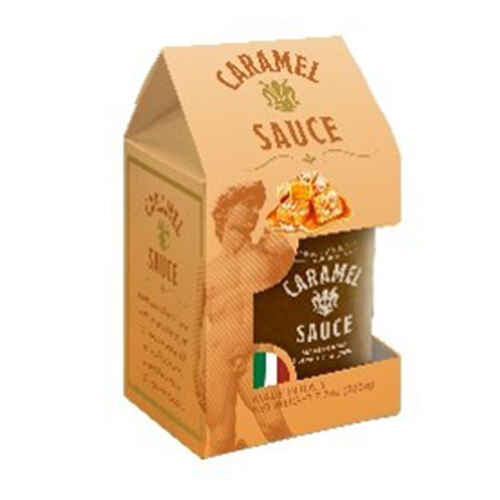
Brandy custard is the traditional pour, with brandy butter, thick cream and vanilla ice cream behind it. The Australian problem is that half the room wants brandy in something and the other half is eight years old. Warm caramel answers both: Borgo caramel sauce, $21.95 for a 220g jar, is cooked slowly to a classic Italian recipe and pours easily once the jar has stood in hot water. Cream one side of the table, caramel the other.
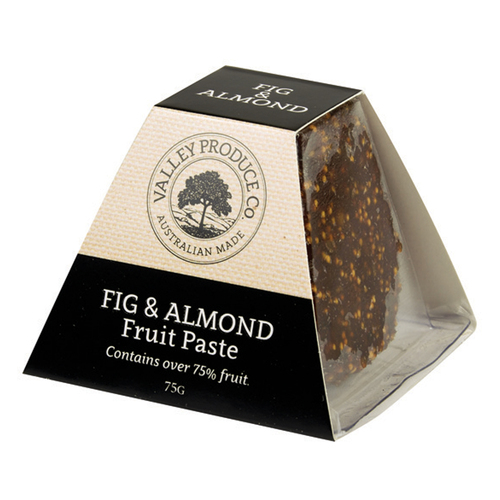
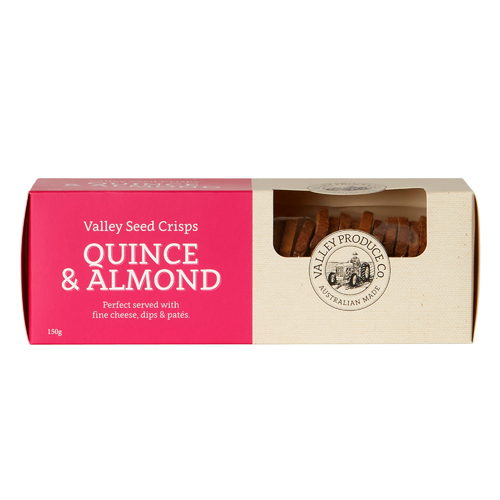
In the English order of things cheese comes after the pudding rather than before it, and that is the half of the tradition worth keeping in December. Put out a wedge of blue, fig and almond fruit paste at $6.95 for 75g, which is black mission figs caramelised with roasted almonds through them, and quince and almond seed crisps to carry it. There is more of each in our fruit paste and crackers. Later, when someone puts the kettle on, ginger shortbread at $7.95 for 175g picks up the spice the pudding was built on.
If your household has quietly retired the pudding, our piece on Christmas desserts that suit the heat takes the alternatives seriously.
Common questions
What is the difference between plum pudding and Christmas pudding?
None. They are two names for one steamed dried fruit pudding, and figgy pudding is a third. Plum pudding is the older name, in general use through the 18th and 19th centuries; Christmas pudding took over as the dish became tied to the single day. Any recipe titled one works for the other.
Why is it called plum pudding when there are no plums?
Because plum once meant dried fruit rather than the fresh stone fruit. English cooks used it that way from around the 17th century, so a pudding full of raisins and currants was a plum pudding by plain description. The language moved on and the pudding kept its name.
How do you reheat a Christmas pudding?
Steaming is best: sit the basin in a covered pan with boiling water halfway up the sides and simmer 1 to 1.5 hours for a 900g pudding, topping the water up. The oven takes about an hour at 150°C wrapped in foil, and a microwave handles single slices in 30 to 40 seconds. Check the maker's instructions first.
What do you pour over Christmas pudding?
Brandy custard is the classic, with brandy butter, thick cream or vanilla ice cream the usual alternatives. Warm caramel sauce suits a table with children at it, and cold custard suits an Australian December better than hot custard does. Put out one cold option at least.
The pudding is one course. The rest of the day is cheese, biscuits, sweets and the things handed round at four o'clock, which is the half we are good at. Have a look through the Christmas range, or our Christmas hampers if you would rather it arrived in one box. Everything ships from Corio, Victoria, and weekday orders placed before 12pm are dispatched the same day, which is dispatch rather than delivery, so leave December some room. Shipping is free Australia-wide over $100.
Christmas ideas, before the rush.
Christmas ordering reminders and new arrivals, one email when it matters. Unsubscribe any time.
Borgo Caramel Sauce (220g)
$21.95
Hand-packed and dispatched from our Corio, Victoria warehouse, with free delivery Australia-wide on orders over $100.
$21.95

More from the blog.

Gingerbread Biscuits and Gingerbread Spice: A Christmas Guide
The spice mix behind gingerbread, a blend you can make tonight, why some biscuits snap and others stay soft, and the gingerbread worth buying when you would rat
Read now
Vol au Vent Fillings: 12 Ideas for Christmas
Classic chicken and mushroom, curried egg, prawn, smoked salmon and a few sweet ones. Twelve vol au vent fillings, how many to make per guest, and how to stop t
Read nowChristmas Shortbread: Types, Tins and Millionaire's Shortbread
Butter, sugar and flour, and very little else. Why shortbread belongs at Christmas, how to tell a good one, the tins worth giving, and how to make millionaire&#
Read now