
What Do Australians Eat for Christmas?
By Jodie Smith, Product & Hamper Manager at The Gourmet Pantry.
Australians eat Christmas lunch cold. The standard table carries a glazed leg ham, cooked prawns and other seafood, two or three salads, bread and a grazing board, then pavlova with cherries and mangoes. Roast turkey still appears, mostly in cooler southern homes and in families who like the ritual, but it is no longer the default.

What follows is the menu as it is actually eaten, in the order it arrives, plus the parts that shift between states and the reason the inherited British version fell apart. If you want the buying side rather than the cultural side, our guide to Christmas food in Australia covers what to order and when, and the shelf stable half of the table sits in our Christmas range.
The menu, in the order it arrives
An Australian Christmas is not a sit down dinner with courses. It is a long, drifting lunch that starts before anyone sits down and ends when the last person gives up on the cheese. This is the running order in most houses.
- Something to pick at, from about 11am. A board of crackers, cheese, olives, nuts, dips and cured meat, put out early so the cook is left alone. The only part of the day with no timing risk.
- Cold seafood. Cooked prawns almost always, then oysters, smoked salmon, and in some houses a whole crayfish or a side of hot smoked ocean trout.
- The ham. A glazed leg, carved at the table or on the bench, served cold or barely warm rather than hot from the oven.
- Salads, plural. Potato, tomato, something leafy, and often a pasta or rice salad brought by whoever was asked to bring something.
- Pavlova, and fruit. Cream, passionfruit, strawberries, cherries and mango. Trifle in a good number of houses, plum pudding in fewer every year.
- The 4pm revival. Shortbread, chocolate, nuts and lollies with coffee, eaten by people who swore an hour earlier that they were finished.
Bon bons sit across the whole thing. They get pulled before the food, the paper hats stay on through lunch, and the jokes are read out whether anyone wants them or not. If you have wondered why Australians say bon bons while most of the world says crackers, we went into where the name bon bon came from.
Why the British menu did not survive the weather
Every item on that list started as something else. Colonial Christmas dinners were an attempt to hold the line: roast goose or turkey, plum pudding and brandy sauce, all cooked on a wood stove in December. It came over whole from Britain, and it did not suit the climate it landed in.
Three things changed it. Refrigeration made a cold table possible at all. Australian seafood became easy to buy already cooked, so the fish market queue on 24 December turned into its own ritual. And migration after the war brought cooks with no attachment to the British menu whatsoever.
The ham is the piece that survived, and it survived for unromantic reasons. A cooked leg ham needs no oven on the day, feeds a crowd without anyone portioning it, and keeps working for a week afterwards in sandwiches. It is the most useful object on the table, which is why it outlasted the turkey. Our guide to how much ham per person has the sizing if you are the one buying it.
Turkey did not disappear, it moved
Plenty of Australian families still roast a turkey, and they are not doing Christmas wrong. Turkey holds on strongest in Tasmania, across the cooler southern parts of the mainland, and in households where Christmas is a formal sit down meal rather than a drifting one. It also comes back on the years when 25 December happens to be mild.
What changed is its status. Turkey is one option among several now, rather than the thing the day is built around, and when it does appear it is often a smaller bird or a breast, roasted early and served at room temperature beside the cold food. The condiments outlived the bird. Cranberry sauce in a 110g jar at $6.95 gets used on ham and cold chicken now, which is the sensible size unless you are feeding twenty.
What changes between Perth and Hobart
The broad menu is national. The details are not.
- Western Australia. Western rock lobster alongside or instead of prawns, and a genuinely outdoor meal. Christmas lunch in Perth is often eaten at a park, a river bank or a beach rather than at a dining table.
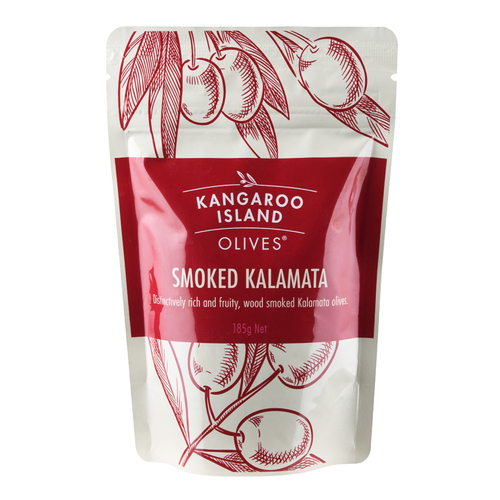
- South Australia. Cherries from the Adelaide Hills, and a strong habit of buying local for the pantry half of the table. Kangaroo Island Olives is the shorthand version of that, and their smoked Kalamata olives at $8.95 do more for a board than any imported jar.
- Queensland and the Northern Territory. Mangoes are the dessert rather than an accompaniment to it, and the heat pushes the meal earlier or much later in the day. Macadamias end up in everything, including on top of the pavlova.
- Victoria. A hot lunch in theory, a cold one in practice, and the strongest sweets tradition of the southern states. Sovereign Hill raspberry drops at $9.95 are still hand made at Brown's Confectionery Factory at Sovereign Hill in Ballarat, and they turn up in Victorian stockings with some regularity.
- Tasmania. The one state where a hot roast still makes sense on the day, plus cherries, berries and cool climate everything. Bill's spicy pear chutney from the Tasmanian Gourmet Kitchen, $16.95, is a fair picture of a Tasmanian Christmas table away from the seafood.
The other Australian Christmas tables
A very large number of Christmas tables in this country are not the ham and pavlova version at all. Greek Australian families eat lamb and melomakarona. Italian Australian families do a seafood heavy Christmas Eve, then sweet bread and coffee the next morning. Lebanese, Vietnamese and Chinese Australian households build their own hybrids, and a ham often turns up in the middle of them anyway, because the ham is genuinely good.
This matters when you are cooking for a mixed table, which most people now are. The reliable move is a board everyone can eat from, then one protein and a lot of sides. Our Christmas charcuterie board and our cheese board guide both work off that principle.
What each part of the table needs beside it
| On the table | Where it comes from | What it needs beside it |
|---|---|---|
| Glazed leg ham | Butcher or supermarket, ordered by early December | Mustard, cranberry sauce, a sharp relish |
| Prawns and oysters | Fishmonger, on the 23rd or 24th | Lemon, good bread, something cold to drink |
| The grazing board | Deli for the cheese, pantry for the rest | Two kinds of cracker, olives, nuts, a fruit paste |
| Salads | Greengrocer, assembled on the 24th | One good oil, one good vinegar, one made dressing |
| Pavlova | Baked at home days ahead, or bought | Cream, passionfruit, cherries, something crunchy on top |
| Bon bons | Ordered online in October or November | Nothing. The one Christmas job you can finish early |
Christmas ideas, before the rush.
Christmas ordering reminders and new arrivals, one email when it matters. Unsubscribe any time.
The half of the table we can help with
We do not sell the ham, the prawns or the pavlova. Those are a butcher, a fishmonger and an hour of your own. What we sell is everything that sits around them, and nearly all of it is shelf stable, which is the whole argument for buying it in October and forgetting about it until December.
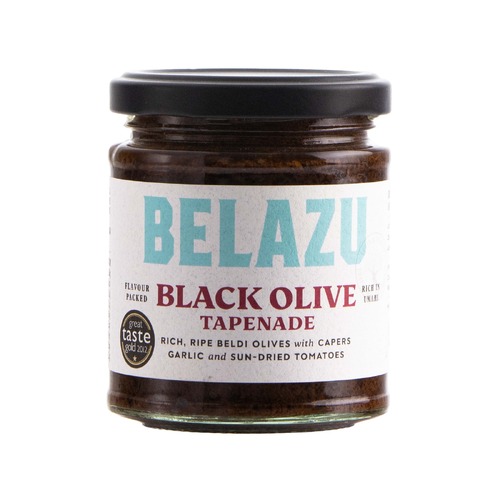
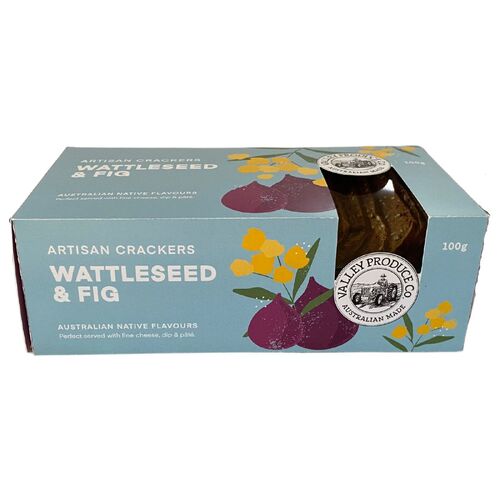
For the board. Two crackers of different character beat five similar ones. Crackerthins start at $2.95 and go under the cheese, while wattleseed and fig native crackers at $7.69 go under the blue and give the board something recognisably Australian. Around them put olives, black olive tapenade and Manuka honey macadamias at $7.95.
For the ham. Three jars cover it: Dijon mustard at $12.95, a cranberry sauce, and something sharp from the chutney and relish shelf to cut the fat. The 110g minis at $6.95 are the right size for a jar that only comes out once a year, rather than a large one that sits in the fridge door until Easter.
For the one hot thing. If you want a warm bite before the cold food starts, Confiletas mini vol au vent shells are 38mm across, twelve for $9.95, and need filling rather than baking. Fill them in the morning, serve them at room temperature, and let the oven cool before anyone arrives.
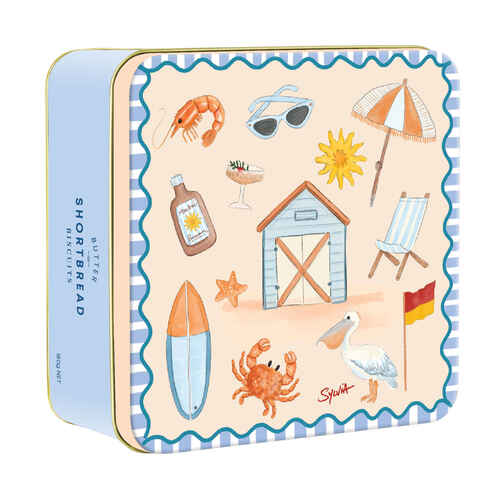
For the 4pm revival. Australian made shortbread in a keepsake tin at $19.95 does double duty as the afternoon biscuit and the gift you forgot, and a spoonful of Borgo pistachio cream at $14.95 over leftover pavlova reads as far more effort than it is.
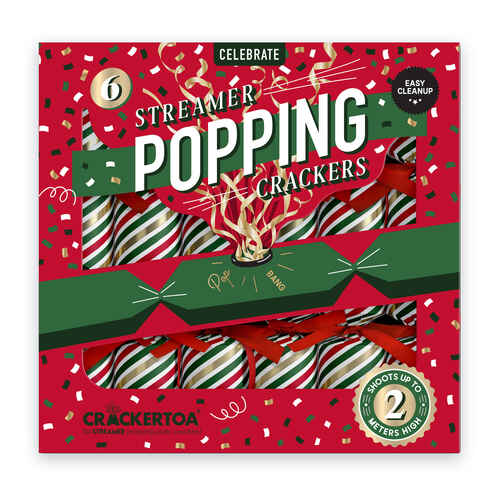
For the table itself. Bon bons run from $6.95 for a single novelty cracker to $59.95 for a deluxe box. The Crackertoa traditional crackers at $39.95 come six per tray, roughly 33cm each, with a hat, a joke and a proper gift inside rather than a plastic ring. They live in the festive entertaining range with the rest of the tabletop.
Common questions
What do Australians eat for Christmas lunch?
Cold glazed ham, cooked prawns and often oysters, two or three salads, fresh bread, and a grazing board to start. Dessert is pavlova with cream and summer fruit, usually cherries, mangoes, strawberries and passionfruit. Trifle is common and plum pudding is fading. Most of it is served cold or at room temperature, and most of it is made the day before.
Do Australians eat turkey at Christmas?
Some do, but it is not the default any more. Turkey is most common in Tasmania, in cooler southern areas and in families who prefer a formal sit down meal. Where it does appear it is often a smaller bird or a turkey breast, roasted in the morning and served at room temperature beside the cold food rather than as the centrepiece.
Why do Australians eat seafood at Christmas?
Because Christmas falls in summer here, and cold seafood suits a 30°C day far better than a four hour roast. Prawns can be bought already cooked, need no oven and no carving, and Australian fishmongers build their whole year around the two days before Christmas. It began as a practical answer to the heat and became the tradition itself.
Is Christmas lunch in Australia hot or cold?
Mostly cold, with one warm thing in the middle. The ham is often glazed in the morning and served warm or cool, and some households add a hot roast or a hot side. Everything else, the seafood, the salads, the board and the dessert, goes out cold. In Tasmania, and on a mild year anywhere, the balance tips back towards a hot meal.
Buy the shelf stable half now
The cold half of Christmas has to be bought in the last week. The pantry half does not, and that is the only part of the day you can take off your own hands in September. Crackers, condiments, olives, nuts, shortbread and bon bons all keep, and the Christmas range is where they sit. If you are sending the whole thing to someone else instead, our Christmas hampers are hand packed in Corio, Victoria, orders placed before 12pm on a weekday are dispatched the same day, and shipping is free Australia wide over $100.
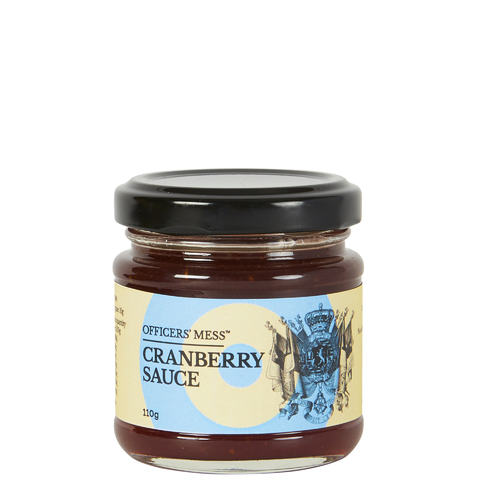
TRCC Cranberry Sauce Mini 110g
$6.95
Hand-packed and dispatched from our Corio, Victoria warehouse, with free delivery Australia-wide on orders over $100.
More from the blog.
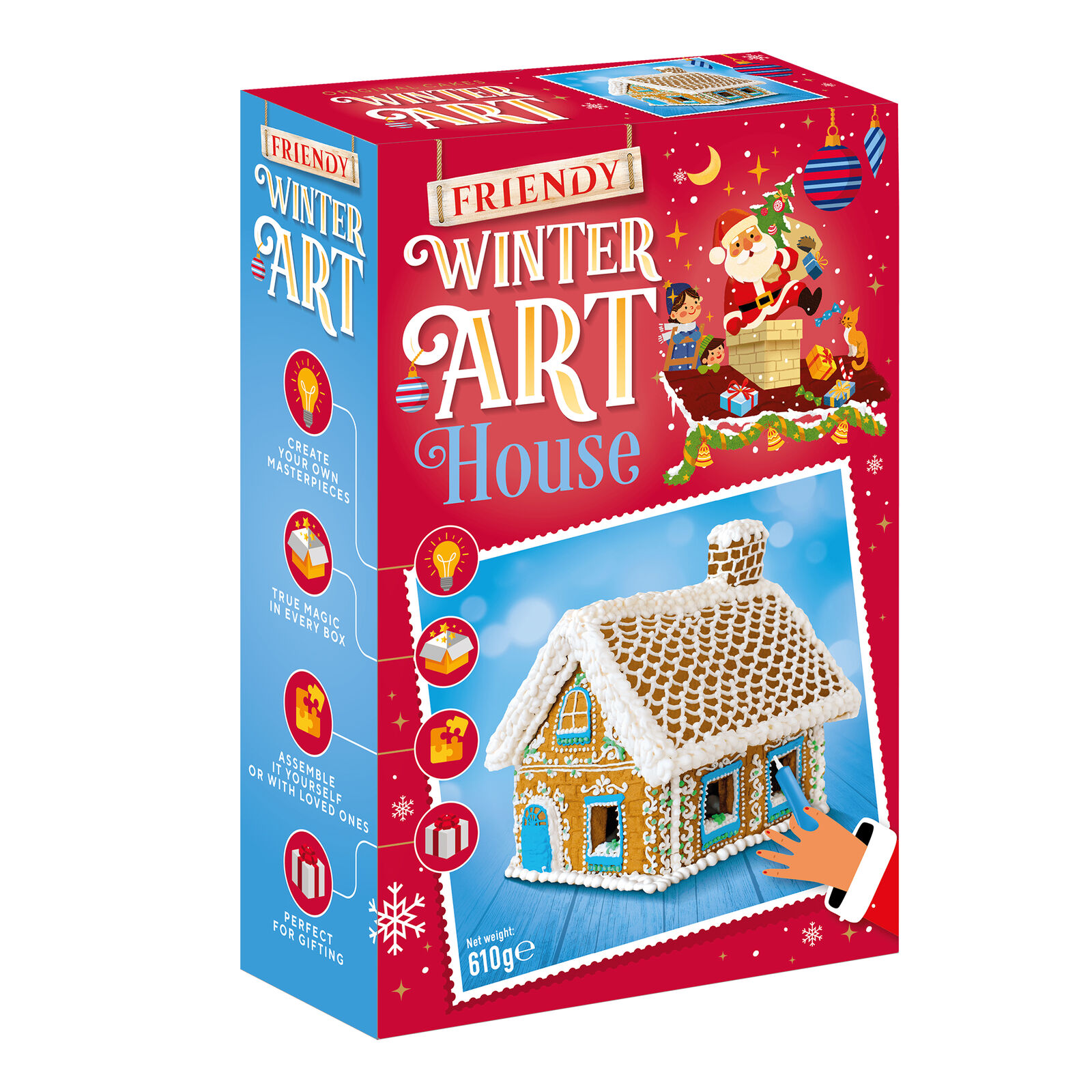
Gingerbread Biscuits and Gingerbread Spice: A Christmas Guide
The spice mix behind gingerbread, a blend you can make tonight, why some biscuits snap and others stay soft, and the gingerbread worth buying when you would rat
Read now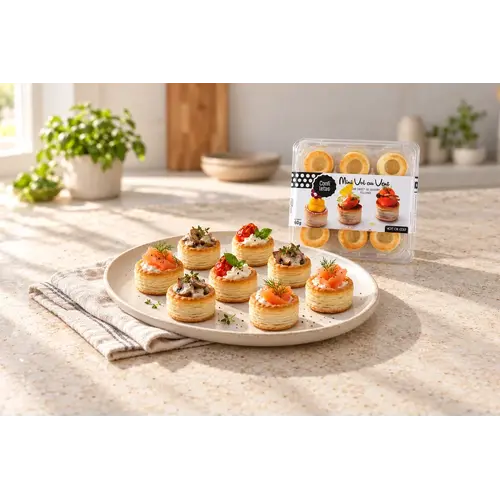
Vol au Vent Fillings: 12 Ideas for Christmas
Classic chicken and mushroom, curried egg, prawn, smoked salmon and a few sweet ones. Twelve vol au vent fillings, how many to make per guest, and how to stop t
Read nowChristmas Shortbread: Types, Tins and Millionaire's Shortbread
Butter, sugar and flour, and very little else. Why shortbread belongs at Christmas, how to tell a good one, the tins worth giving, and how to make millionaire&#
Read now