
Hawaij Is a Spice Blend, So What Do You Do With a Jar of the Paste
By Jodie Smith, Product & Hamper Manager at The Gourmet Pantry.
Hawaij is a Yemeni spice blend, warm rather than hot, built on ginger, cardamom and turmeric with cinnamon and cloves. Nearly every recipe calls for it dry, by the teaspoon. Ours comes as a ready made paste, so those measures do not transfer. Season by taste instead.

What hawaij actually is
Hawaij is not one recipe. It is a family of Yemeni blends that shifts from household to household, and broadly it splits in two. The savoury version is built for soup and stew, and leans on cumin, turmeric, black pepper and coriander seed. The sweeter version goes into coffee, and leans on ginger, cinnamon, cloves and cardamom. Both are dry, ground, and measured in teaspoons.
The jar we stock sits at the warm end of that range. Ottolenghi hawaij paste is built on ginger, cardamom and turmeric with cinnamon and cloves, blended into a ready to use paste so there is no grinding or mixing to do. It is 170g at $15.95, and it sits in the Ottolenghi range beside the harissas and the marinades. It is said ha-WAY-ij, which is worth knowing before you say it out loud in a shop.
Paste or dry blend, and why the difference bites
Look up a hawaij recipe and nearly all of what you find was written for the powder. Two teaspoons into the soup pot. One teaspoon rubbed over a chicken. A quarter teaspoon through coffee grounds. Read any of those with a jar of paste in your hand and you are guessing, and the guess usually runs low, because a spoon of paste looks like far more than a spoon of powder and most people pull back.
They behave differently in the pan too. Dry spice wants a moment in a hot dry pan, or stirring through at the very end. A paste wants oil and a minute of real cooking to lose its raw edge. Treat one like the other and the dish tastes flat or slightly raw, which usually gets blamed on the spice rather than the method.
| Dry hawaij blend | Hawaij paste | |
|---|---|---|
| Form | Ground spice, dry | Wet paste, ready to use |
| How recipes measure it | Teaspoons | Grams or spoonfuls |
| Into the pan | Toasted dry, or stirred in at the end | Fried in oil for a minute first |
| Best in | Rubs, coffee, dusting over finished food | Soups, stews, marinades, anything wet |
| Work before you cook | Grinding and mixing, if you build your own | None, open the jar |
| Once opened | Airtight, dark cupboard | Follow the jar, clean dry spoon each time |
How much paste to use
Do not try to convert. There is no honest teaspoon for teaspoon swap between a powder and a paste, and any number you find quoted online is somebody's guess wearing the clothes of a rule.
Season instead. Warm a little oil, add a spoonful of paste, cook it for about a minute until it smells cooked rather than raw, then add the liquid or the vegetables. Taste it. Add another spoonful if the dish is quiet. The blend is already balanced, so more of it makes the same flavour louder rather than a different one, and a paste dissolves into a wet dish, so you can keep adjusting until you serve.
If you want reference points rather than a rule, borrow two of ours. Our pumpkin soup with hawaij takes 60g, about 3 tablespoons, into 1.2kg of roast pumpkin and 1.2 litres of stock, and comes out clearly spiced without turning into a curry. Hawaij chicken a la king uses 80g for four serves of a dish that is finished in twenty minutes, so the spice has less time to spread through and has to arrive louder. Most things sit somewhere between those two.
Five things to put it in
Soup, a rub for roasting meat and a quick vegetable marinade mixed with oil are the three obvious uses, and they cover most of a year of dinners. Five we keep coming back to:
- Soup. Pumpkin, carrot, lentil, chicken and rice. Anything sweet and orange takes it best.
- Roast chicken. Loosen a spoonful with olive oil and lemon juice, work it under the skin, then roast as usual.
- Roast vegetables. Thin it with oil and toss it through before the tray goes in, not after.
- Rice and grains. A spoonful in with the onion at the start, so the whole pot is seasoned rather than just the top of it.
- Yoghurt. Half a spoonful stirred through with salt and lemon becomes a sauce for anything roasted.
For the longer version, we set out eight ways to use hawaij paste in its own piece. The rest of the range gets the same treatment, including what to do with the preserved lemon marinade and how to use miso paste when all you have is miso pesto.
Recipes and new arrivals, before the rush.
Christmas ordering reminders and new arrivals, one email when it matters. Unsubscribe any time.
If the recipe wants hawaij and you have none
For the soup style blend, ground cumin, turmeric, black pepper and ground coriander will get you most of the way there, with a pinch of ground cardamom if that jar is open. It will not be hawaij, but it lands in the right part of the world and it costs you nothing.
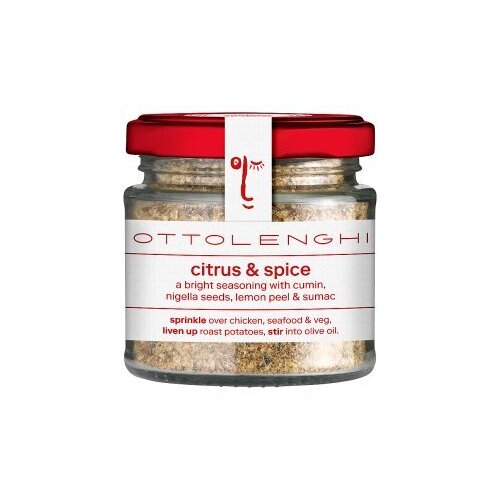
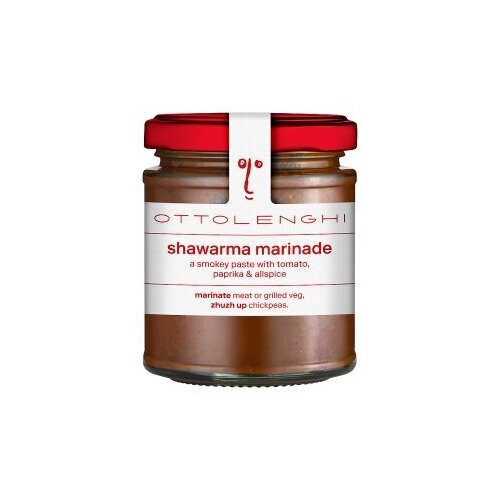
If you would rather buy than build, two jars on our shelves do a related job in a different accent. Ottolenghi Citrus & Spice, 50g at $12.95, is a dry blend rather than a paste, so it drops straight into any recipe written in teaspoons, though it is bright and citrus led where hawaij is warm. Ottolenghi shawarma marinade, 180g at $12.95, is a paste like hawaij and goes onto chicken and lamb the same way, but it pulls the plate towards the barbecue rather than the soup pot. Both sit in sauces and mixes with everything else that arrives ready made.
Hawaij questions we get asked
What is hawaij?
A Yemeni spice blend, warm and aromatic rather than chilli hot. Recipes vary from cook to cook, but the two common styles are a savoury one for soups and stews and a sweeter one for coffee. The paste we sell is built on ginger, cardamom and turmeric with cinnamon and cloves.
What is the difference between hawaij paste and hawaij spice blend?
The blend is dry ground spice that you measure in teaspoons and often toast first. The paste is the same idea already mixed and ready to cook, measured by the spoonful and fried in oil to open it up. The paste saves you the grinding and the shopping list. The dry blend gives you finer control and keeps longer in the cupboard once it is opened.
What do you use hawaij in?
Soup first, and pumpkin soup above all. After that, roast chicken, roast vegetables, lamb, rice, lentils, chickpeas and slow stews. It also stirs into yoghurt to make a sauce, and into soft butter to melt over anything off the grill.
Is hawaij hot?
No. It is warm in the way ginger and cinnamon are warm, not hot in the way chilli is hot. The spices in this blend are ginger, cardamom, turmeric, cinnamon and cloves, and none of those brings heat, which is why it suits a table with children at it. If you want heat as well, add it separately.
What can I use instead of hawaij?
Mix ground cumin, turmeric, black pepper and coriander for the soup style, plus cardamom if you have it. For the coffee style, use ginger, cinnamon, cloves and cardamom. None of these is a true replacement, because the point of hawaij is the balance rather than any one spice in it.
Start with one jar
One 170g jar of Ottolenghi hawaij paste at $15.95 seasons a large pot of soup with plenty left for a chicken and a tray of vegetables, and it keeps in one jar what would otherwise be five in the spice drawer. It sits with the harissas, marinades, dressings and dry blends in the Ottolenghi range, with free Australia-wide shipping on orders over $100. Orders placed before 12pm on a weekday are dispatched the same day from our Corio, VIC warehouse, tracked with Australia Post. If the jar is a present rather than a restock, the same things turn up hand packed inside our Ottolenghi hampers.
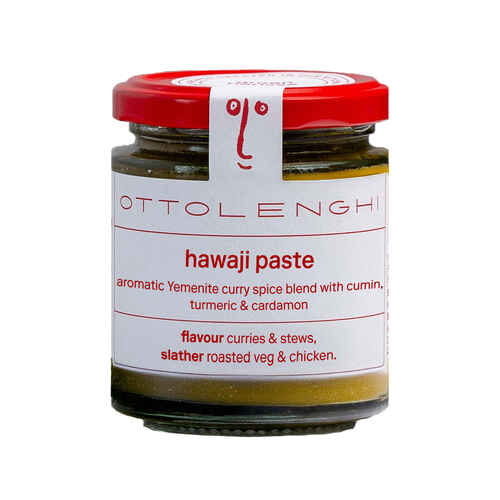
Ottolenghi Hawaij Paste (170g)
$15.95
Hand-packed and dispatched from our Corio, Victoria warehouse, with free delivery Australia-wide on orders over $100.
More from the blog.

Gingerbread Biscuits and Gingerbread Spice: A Christmas Guide
The spice mix behind gingerbread, a blend you can make tonight, why some biscuits snap and others stay soft, and the gingerbread worth buying when you would rat
Read now
Vol au Vent Fillings: 12 Ideas for Christmas
Classic chicken and mushroom, curried egg, prawn, smoked salmon and a few sweet ones. Twelve vol au vent fillings, how many to make per guest, and how to stop t
Read nowChristmas Shortbread: Types, Tins and Millionaire's Shortbread
Butter, sugar and flour, and very little else. Why shortbread belongs at Christmas, how to tell a good one, the tins worth giving, and how to make millionaire&#
Read now