
What to Do With Ottolenghi Preserved Lemon Marinade
By Jodie Smith, Product & Hamper Manager at The Gourmet Pantry.
Brush it over chicken or fish before roasting, toss it through cauliflower and potatoes, thin it into a dressing, or stir a spoonful into warm grains and beans. Ottolenghi Preserved Lemon Marinade is salty and bright rather than hot, and it is ready to eat straight from the jar, so half the jobs below never go near the oven.
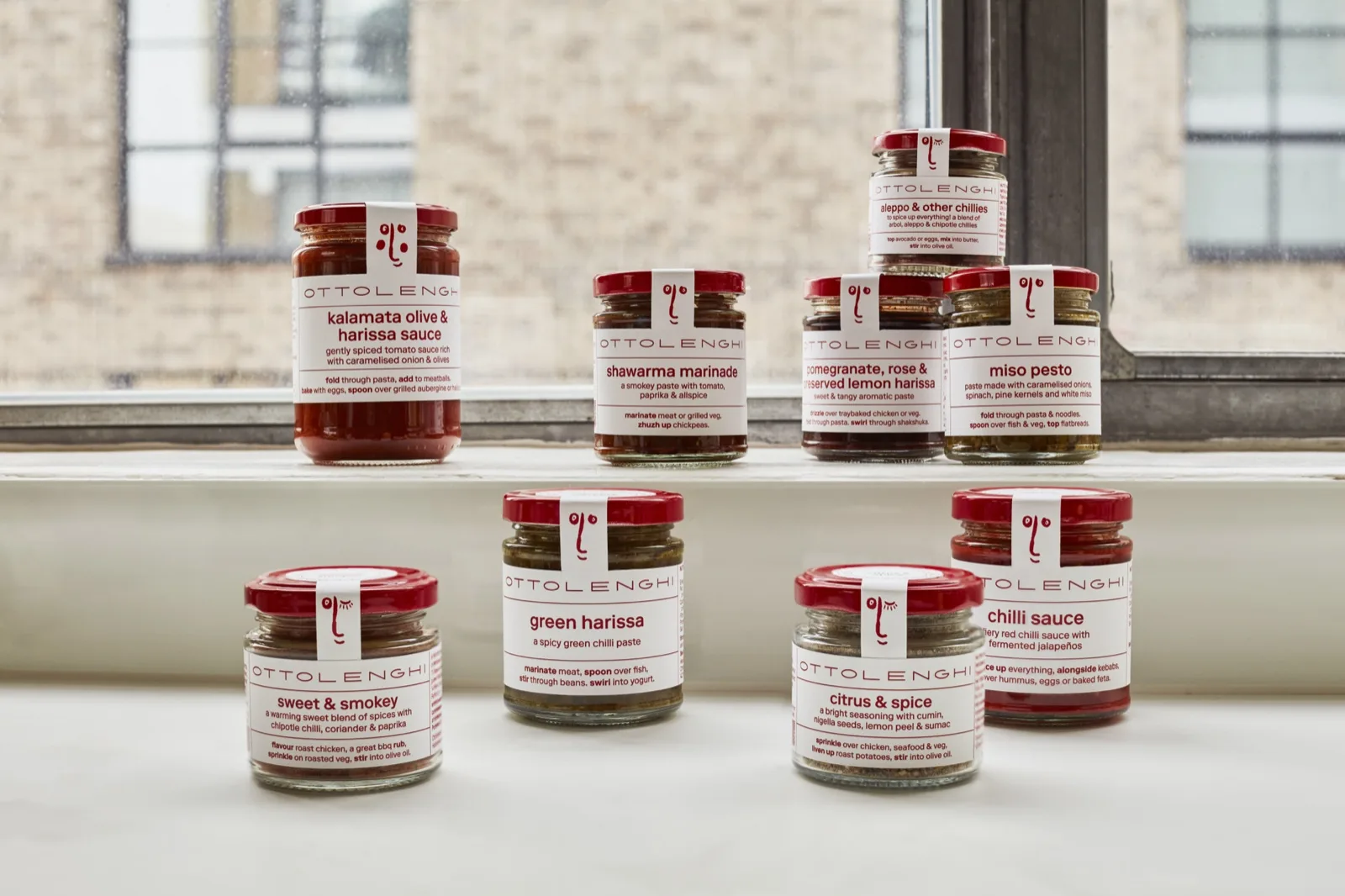
Ottolenghi Preserved Lemon Marinade is a 260g jar at $22.95, loose and spoonable rather than stiff, pale gold and flecked with herbs. Preserved lemon does all the work here; the olive oil and herbs are there to take the edge off it. The brand's own usage note is short: marinate meat, fish and veg, sharpen dressings, stir through grains and beans. That is a fair summary of a jar more useful than the word marinade suggests.
What preserved lemon actually tastes like
Whole lemons are packed in salt and left for weeks. The salt draws out the juice, the fruit softens in its own brine, and the harsh edge of the pith fades away. What comes out is not sour the way a fresh lemon is sour. It is savoury: salt first, then a rounded citrus much closer to lemon peel and olives than to lemon juice, with a faint fermented depth sitting behind it.
The practical difference is staying power. Fresh lemon juice arrives and leaves, so a squeeze over a traybake has faded by the time the tray reaches the table. Preserved lemon holds through a long roast and is still there at the end. That is the whole reason it earns a place in a marinade.
One thing to plan for: this jar is salty. Season at the end rather than the start, and taste before anyone reaches for the flaky salt at the table.
Whole preserved lemons are a different jar
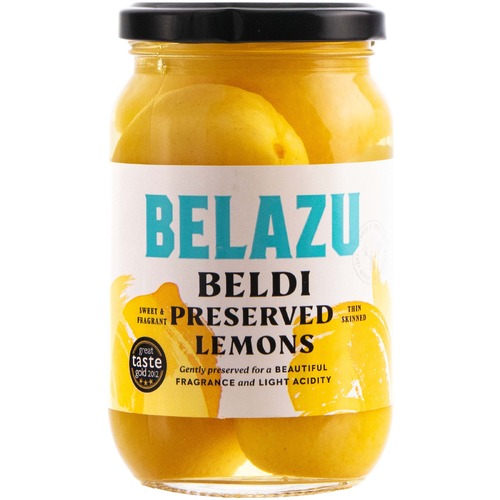
Worth clearing up, because the two sit near each other on the shelf. Belazu Preserved Lemons are small Beldi lemons packed whole in brine, hand sorted and hand packed, $12.95 for 200g. They are an ingredient you prepare: fish one out, rinse it, scrape away the soft flesh if that is your preference, then finely chop the skin into a tagine, a grain salad, or under the skin of a roast chicken. The Ottolenghi jar has done that work already and softened it with oil and herbs, so it goes on with a spoon. Keep the whole lemons if you cook North African and Middle Eastern food often and want to control the salt yourself. Reach for the marinade when it is Wednesday and there is chicken to get into the oven.
How much to use, and when to add it
One rule matters and it is about timing, not quantity. Salt and acid both firm up protein, so fish wants minutes while chicken is happy overnight. Vegetables do not care either way, and anything already cooked is simply being dressed.
| What you are cooking | How much | Timing |
|---|---|---|
| Whole chicken, or 1.2kg thigh fillets | 4 tbsp | Rub over and under the skin, 2 hours or overnight |
| Salmon or firm white fish, 4 fillets | 2 tbsp | 20 minutes, no longer, then a hot oven or pan |
| Prawns, 500g | 2 tbsp | 15 minutes, then hot and fast on the grill |
| Cauliflower, 1 head in florets | 3 tbsp | Half before roasting, half tossed through on the way out |
| Roast potatoes or pumpkin, 1kg | 2 tbsp | Straight after roasting, while everything is hot |
| Chickpeas, lentils or freekeh, 1 tin or 300g cooked | 1 tbsp | Off the heat, while still warm |
| Green salad for four | 2 tbsp, loosened with 2 tbsp olive oil | No cooking at all |
It is an oil-based jar with very little sugar in it, so it is more forgiving than a honey or date glaze. Nothing catches at 200°C, and chicken can go in and be left alone. The only real caution applies to every marinade: spoon out what you want for serving before raw chicken or prawns go into the bowl, and bin whatever the raw protein has touched.
Fish is the exception worth repeating. Twenty minutes is plenty and an hour is too long, because the salt starts curing the surface and the texture turns firm and a little dry at the edges. Forget the marinating step altogether and you have lost nothing: spoon it over the cooked fillet as a sauce instead, which is not something most marinades will do.
Where it belongs on an Australian Christmas
Nothing about this jar is festive in the northern hemisphere sense. No cinnamon, no dried fruit, no cloves. Which is exactly why it lands so well on an Australian Christmas table: cold prawns, a poached or barbecued side of salmon, chicken off the grill, potato salad, and something green that has to hold up in the heat.
The five minute version is the dressing. Our green salad with preserved lemon dressing, a recipe straight from Ottolenghi, whisks 2 tablespoons of the marinade with olive oil, 50g of natural yoghurt or sour cream, a teaspoon of lemon juice and a pinch of sugar, then tosses it through baby gem leaves and spring onions with toasted sesame and nigella seeds scattered over. It takes about as long as pulling the lettuce apart.
For the oven version of the same idea, the citrusy chicken, fennel and potato traybake builds its citrus from the dry Citrus & Spice blend instead of the jar. And on the 27th, when there is cold chicken to be dealt with, thin a spoonful of the marinade with olive oil and lemon juice and pour it over the shredded meat. It does more for leftovers than mayonnaise ever has.
Questions we get asked
What does preserved lemon taste like?
Salty and savoury before it is sour. Weeks in salt take the bitterness out of the pith and turn the sharpness into something rounder, nearer to lemon peel, brine and olives than to lemon juice, with a gentle fermented note behind it. Unlike fresh lemon, it holds its flavour through a long roast instead of disappearing into the tray.
Can you use preserved lemon marinade on fish?
Yes, and fish is where it is at its best. Give salmon, snapper or barramundi fillets 20 minutes in 2 tablespoons and no more, because the salt firms the surface if you leave it longer. Prawns need 15 minutes. It also works after the fact: because the jar needs no cooking, you can spoon it straight over a cooked fillet as a sauce.
Do you rinse preserved lemon before using it?
Whole preserved lemons, yes. A quick rinse under the tap washes off the surface brine and stops the dish turning salty, and plenty of cooks then use only the finely chopped skin. The Ottolenghi marinade needs none of that. It is already chopped and already balanced with oil and herbs, so it goes on with a spoon.
Where to start
Buy it for the chicken and keep it for the salad. One 260g jar covers a roast chicken, a tray of cauliflower and a couple of salads with room to spare, and the dressing is the use that gets repeated.
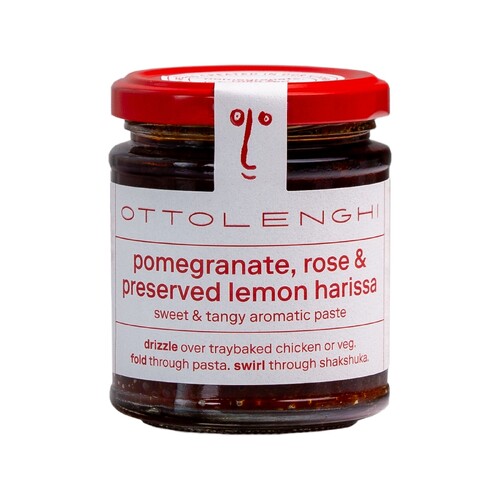
If it is heat you are after rather than brightness, we have written up how to use Ottolenghi Pilpelchuma, the garlic and chilli end of the same shelf, and what to do with the Yuzu, Ginger and Miso marinade, the savoury citrus one for salmon and green beans. There is a middle ground too: Rose, Pomegranate and Preserved Lemon Harissa at $15.95 for 170g puts preserved lemon behind chilli and rose petals. The rest of the pastes and jars sit under sauces and mixes, and the Ottolenghi range has the cookbooks, spice blends and gift sets alongside them.
Pick up the preserved lemon marinade on its own for the cooking you are doing this week, or, if it is a gift rather than a Tuesday, the food-led Christmas hampers are the giftable end of the same kitchen. Shipping is free Australia-wide on orders over $100, and weekday orders placed before 12pm are dispatched the same day.
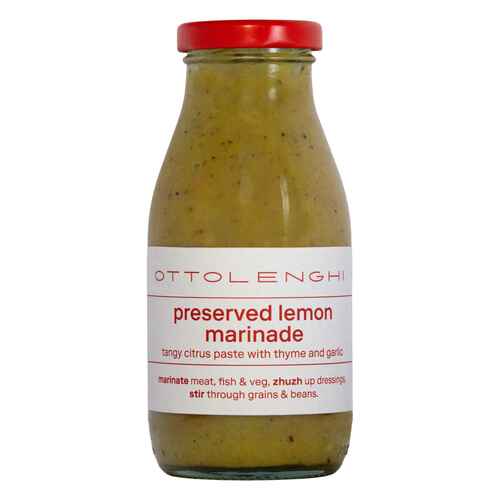
Ottolenghi Preserved Lemon Marinade (260g)
$22.95
Hand-packed and dispatched from our Corio, Victoria warehouse, with free delivery Australia-wide on orders over $100.
More from the blog.
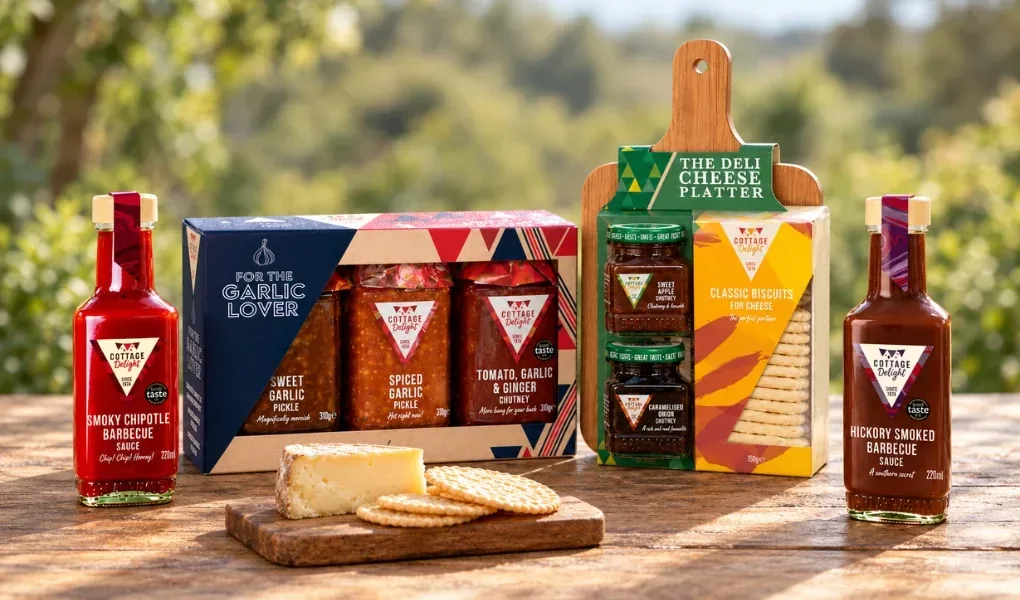
Christmas Gifts for the Dad Who Loves to Eat: 2026 Gift Guide
Seven Cottage Delight gift packs for the dad who loves to eat, from $29.95 stocking fillers to a six-jar Cheese Tree, with what is inside each one.
Read now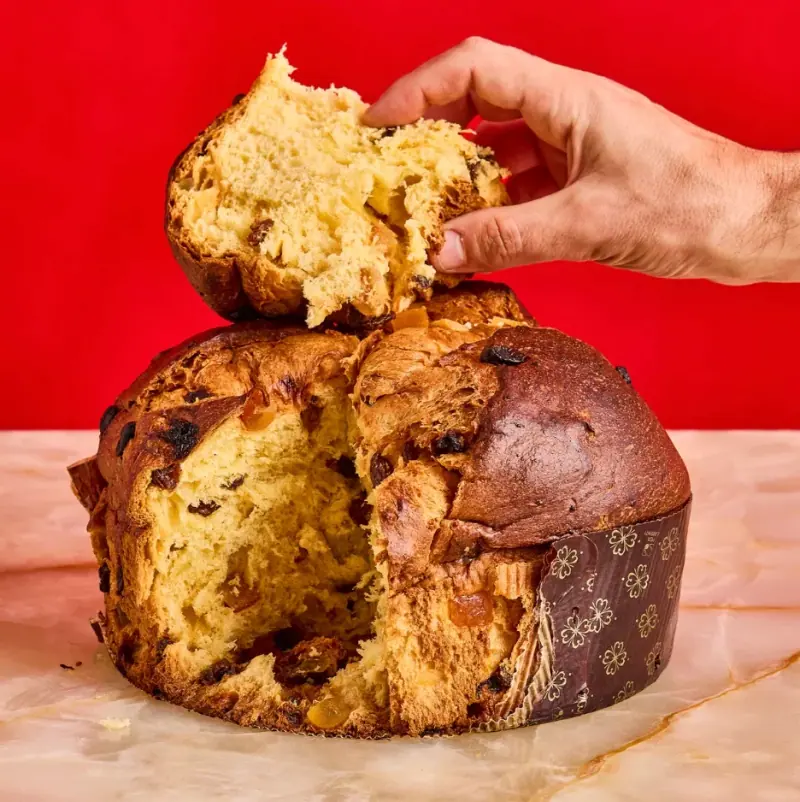
What Is Panettone?
A tall, domed Italian Christmas bread made over three days with a living sourdough starter. Here is what separates a good panettone from a cheap one.
Read now
Gluten-Free Panettone in Australia
Gluten-free panettone is one of the hardest things in baking to get right. Here is why, what separates a good one from a dry one, and how to serve it.
Read now