
How to Use Miso Paste When You Only Have Miso Pesto
By Jodie Smith, Product & Hamper Manager at The Gourmet Pantry.
Stir miso paste into dressings, marinades, butter and soup, always off the boil and always tasting before you add any salt. Start with a teaspoon. Miso is fermented soybeans, salt and koji, so what it brings is savouriness rather than heat, and one small spoonful changes a whole pan.
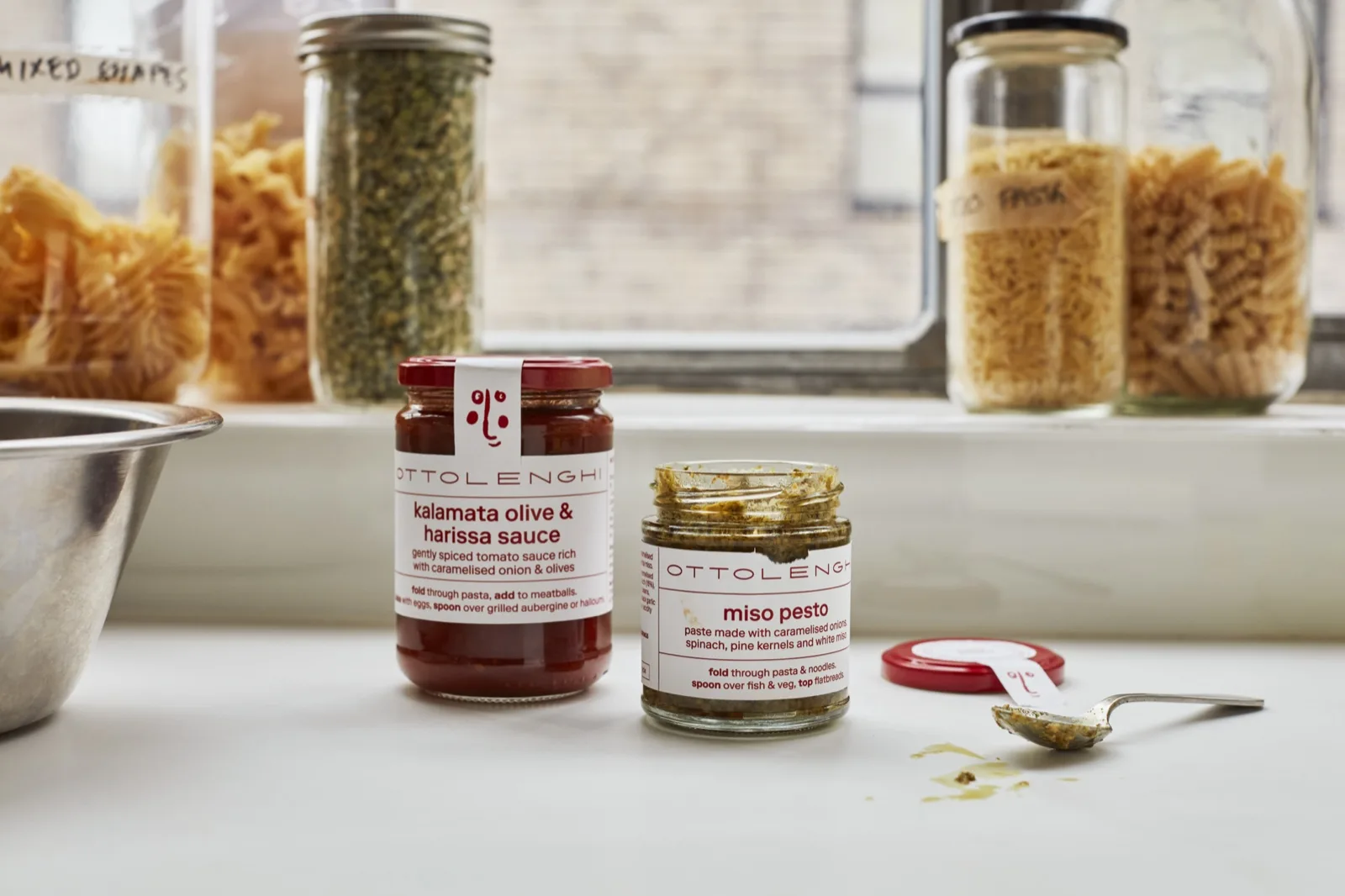
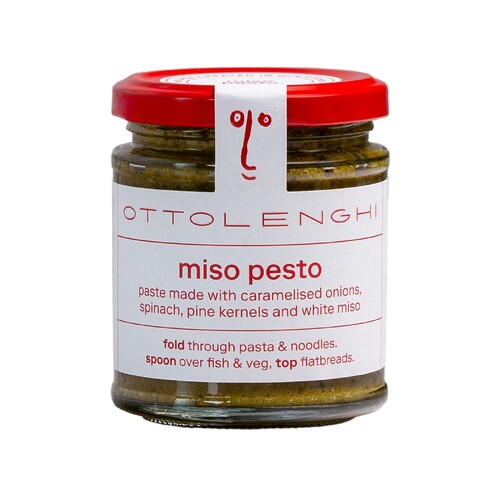
An honest note first. We do not range a tub of plain miso to cook with. What we do sell are two jars built on it, and the one people reach for most is Ottolenghi Miso Pesto, 170g at $12.95. If you arrived holding that jar and a recipe asking for miso paste, the swap is covered below.
What miso actually is
Soybeans, salt, and a grain inoculated with koji, a mould Japanese kitchens have worked with for centuries. The koji turns starch into sugar and protein into amino acids, glutamate chief among them, which is what your tongue reads as savoury. Ferment that for a few weeks or three years and the paste travels from pale and sweet to dark and forceful.
That is the whole trick. Miso is less a flavour than an amplifier: it makes butter taste more like butter and a weeknight stock taste like it simmered twice as long. It is also properly salty, and saltier the darker it gets, so add the miso before you reach for the salt, never after.
White miso, red miso, and which one your recipe means
Most recipes written in English mean white unless they say otherwise. Shiro is white, aka is red, and the difference comes down to how much rice koji goes in against soybean, and how long the barrel sits.
| Style | Ferment | Tastes like | Best for |
|---|---|---|---|
| White (shiro) | Weeks to a few months | Mild, sweet, lightly nutty | Dressings, glazes for fish and vegetables, butter, sweet things |
| Red (aka) | A year or more | Salty, dark, almost meaty | Braises, broth, marinades for beef and lamb |
| Mixed (awase) | A blend of the two | Middle ground | The tub to own if you only own one |
If a recipe just says miso, use white and be generous. Red will not ruin the dish, but it takes it over, and the salt arrives well ahead of the sweetness.
Where miso goes
Into soup, at the very end
Roughly a tablespoon per large mug of dashi or light stock. Take the pan off the heat, whisk the miso smooth in a ladleful of the hot liquid, then stir it back through. Boiling miso flattens its aroma, and in an unpasteurised tub it kills the cultures that made it worth buying. Most common mistake, easiest one to avoid.
Onto anything oily, as a marinade
Miso, a spoon of mirin or honey and a splash of oil is the base behind the salmon and eggplant glazes you meet in restaurants. Salmon fillets want 30 minutes and are happy overnight. Eggplant wants halving, scoring, a thick smear across the cut face and 25 minutes at 200°C until the surface bubbles and browns. Watch the last five minutes, because the sugars catch quickly.
Through butter and dressings
Mash a teaspoon of white miso into 50g of soft butter and melt it over corn, steak, roast pumpkin or a baked potato. For a dressing, whisk one part miso with one part rice vinegar, two parts oil and a little grated ginger. Both keep a week in the fridge.
Into sweet things, quietly
Half a teaspoon in caramel, brownie batter or banana bread does what a pinch of salt does, only rounder. Nobody will name it. They will just take a second piece.
If the recipe says miso and you have miso pesto
Not a straight swap, and it helps to know why. Ottolenghi Miso Pesto is a pesto first: the bright, nutty flavour of the classic, with sweet caramelised onion and miso underneath for depth. Its miso already sits diluted in oil, nuts and basil, so it is milder and less salty than paste from a tub.
Where it works: dressings, a glaze on roast vegetables, stirred through warm grains or beans, folded into butter, spooned over fish. Start at two to three times the quantity given for miso paste and taste as you go. Where it does not: miso soup, a traditional dengaku glaze, or anything cured in miso, because there the paste is the entire point and basil has no business in the bowl.
Fold it through pasta and it stops being a substitute at all. Our miso pesto trofie pasta with spinach and pine nuts is the version we cook most, and there are ten more ways to use the jar if you want the full run.
What to use when you have neither
Nothing else is both fermented and that salty-sweet at once, so there is no clean substitute. The nearest workable mix is tahini for body with soy sauce for salt, about two parts to one, plus a pinch of sugar. Anchovy paste or a splash of fish sauce covers the savoury gap in a braise. A scant quarter teaspoon of Vegemite will hold the back of a stew together, which is either heresy or the most Australian sentence here.
New jars, and what to do with them.
Christmas ordering reminders and new arrivals, one email when it matters. Unsubscribe any time.
The two jars we sell that carry miso
Ottolenghi Miso Pesto, 170g at $12.95, is the everyday one. Fold it through pasta and noodles, spoon it over fish and vegetables, or spread it across flatbread before it goes into the oven. It is one of the jars people come back for.
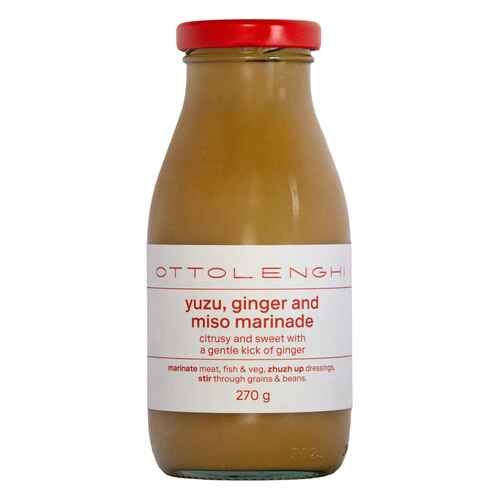
Ottolenghi Yuzu, Ginger and Miso Marinade, 270g at $22.95, takes miso the other way: citrusy and sweet with a gentle kick of ginger. It marinates meat, fish and vegetables, lifts a dressing and stirs through grains and beans. We have written up what to put it on, and the fried green beans are the fastest thing you can do with the jar.
Both sit in the Ottolenghi range next to the harissas and chilli pastes, and the rest of that cupboard lives on our specialty ingredients shelf. Which blend suits which dish is written up separately.
Miso questions we get asked
What is miso paste?
A thick fermented paste of soybeans, salt and koji, a cultured grain that is usually rice or barley. It ferments for anywhere between a few weeks and three years, and that time decides its colour, saltiness and depth. A staple of Japanese cooking for centuries, it is used for savouriness rather than heat or acidity.
What is the difference between white and red miso?
Time and ratio. White miso carries more rice koji and ferments for weeks to a few months, so it stays pale, mild and faintly sweet. Red miso carries more soybean and ferments a year or longer, so it darkens and turns salty and deep. Use white where miso plays a background note, red where you want it leading.
Can you substitute miso pesto for miso paste?
In plenty of dishes, yes. Miso pesto is milder and less salty than plain miso and arrives with basil, nuts and caramelised onion attached, so use two to three times as much and taste before you season. It suits dressings, glazes, butters and grain bowls. It does not suit miso soup or a dengaku glaze, where the paste itself is the flavour you came for.
Does miso paste go off?
Rarely. Miso is a preserved food and salt does most of the preserving, so an opened tub keeps for months in the fridge and often outlasts its date. It darkens as it sits, which is a change rather than a fault. Press the surface flat, keep it covered, and only worry if fuzzy coloured mould appears or it smells sour rather than sweetly fermented.
Where to start
If you are buying one jar to learn on, buy the pesto. It costs $12.95, asks for no dashi and no plan, and teaches you what miso does to fat and starch in about four minutes over a bowl of pasta. Graduate to a tub of white miso from a Japanese grocer afterwards, and the two will live happily on the same shelf.
Pick up Ottolenghi Miso Pesto on its own, or fill the cupboard from specialty ingredients. Shipping is free Australia-wide on orders over $100, and anything ordered before 12pm on a weekday is dispatched from us that day.
Ottolenghi Miso Pesto (170g)
$12.95
Hand-packed and dispatched from our Corio, Victoria warehouse, with free delivery Australia-wide on orders over $100.
$12.95
More from the blog.
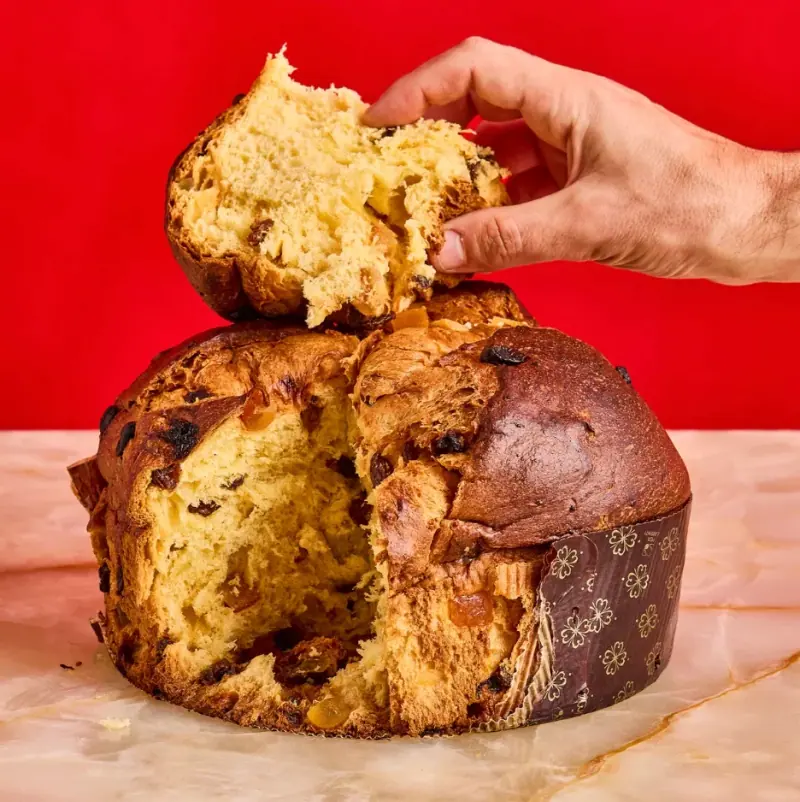
What Is Panettone?
A tall, domed Italian Christmas bread made over three days with a living sourdough starter. Here is what separates a good panettone from a cheap one.
Read now
Gluten-Free Panettone in Australia
Gluten-free panettone is one of the hardest things in baking to get right. Here is why, what separates a good one from a dry one, and how to serve it.
Read now
The Foodies Hamper: Eight Items, and What a Cook Does With Each
Eight packets, six of them sweet, and not a jar of anything in sight. What is actually in the box, and what somebody who cooks can do with each item once the ri
Read now