
How to Cook With Harissa Paste
By Jodie Smith, Product & Hamper Manager at The Gourmet Pantry.
Harissa paste is a North African chilli paste, and it works best as a seasoning rather than a sauce. Start with one teaspoon per person. Fry it in oil for 30 seconds to wake the spices up, or loosen it with yoghurt, olive oil or lemon, then put it on meat, vegetables, eggs or pulses.
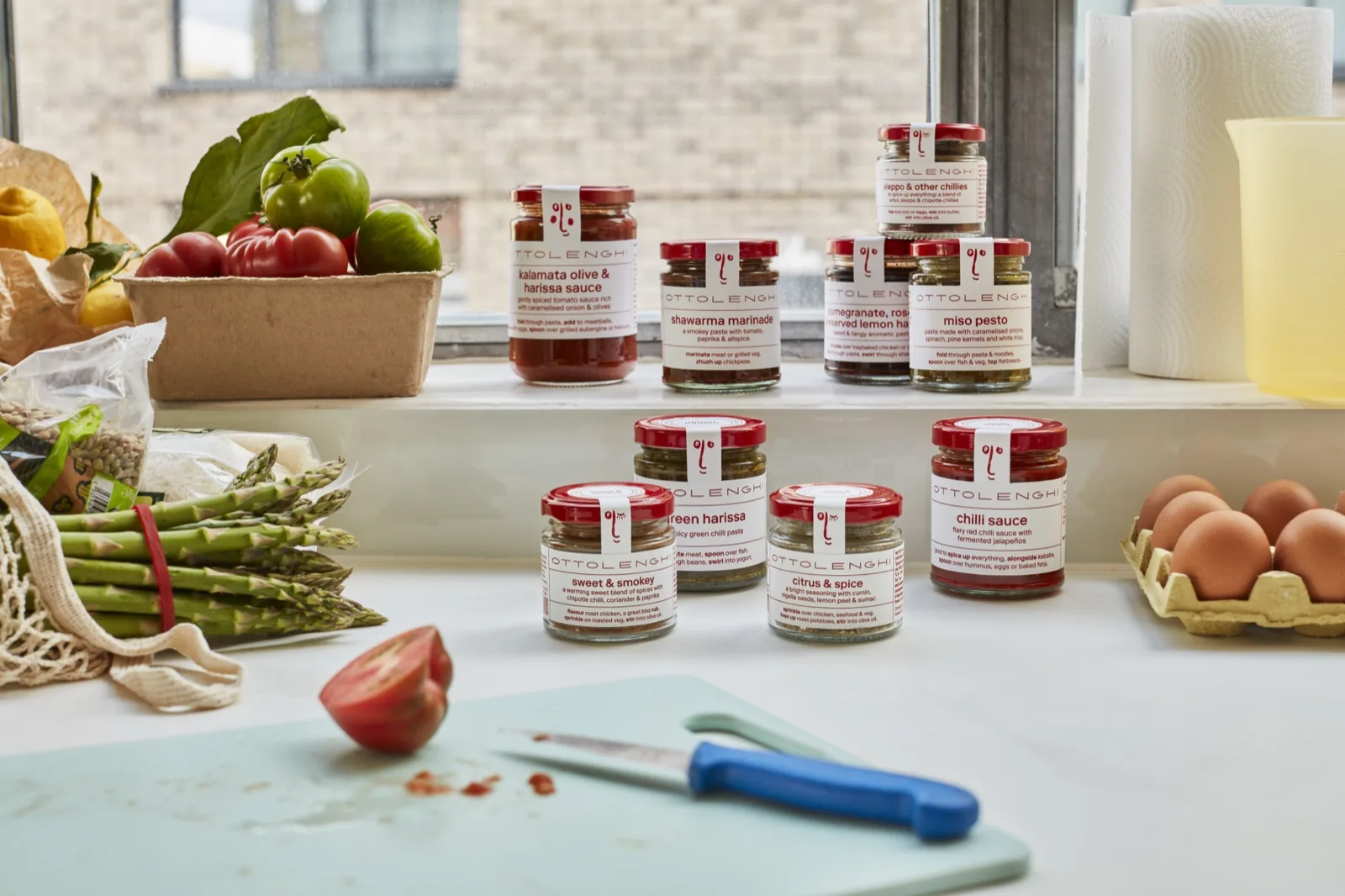
What harissa paste is made of
The base is red chilli, garlic, salt and oil, ground to a coarse paste. After that every producer goes their own way with the spice blend. Cumin, coriander seed and caraway are the usual three, and the better jars add something that is not heat at all: dried rose petals, preserved lemon, pomegranate, smoked chipotle. That second layer is the difference between a paste that only burns and one you can build a meal on.
Harissa comes out of Tunisia, where it sits on the table the way tomato sauce does here, and it has spread across North Africa and the Middle East. The heat is usually moderate. A good one tastes of toasted spice and sweet cooked chilli first, with the burn arriving a second later. We taste everything we range, and that slow, late heat is what we look for before a jar joins our gourmet condiments shelf.
Harissa is not a hot sauce
This is where most jars go wrong at home. Harissa is a thick, salty cooking paste, closer to a curry paste or a spice rub than to sriracha or sambal. It is not designed to be squeezed over a finished plate in any quantity, and a tablespoon straight from the jar will taste harsh and raw. Sriracha is sweet and vinegary and pourable. Sambal is mostly straight chilli heat. Gochujang is fermented and sweet. Harissa is spice-led, and it wants heat, fat or dairy to open it up.
The practical version: if the label says paste, cook with it or slacken it before it hits the plate. If the label says harissa sauce, it has already been loosened with tomato or oil and can go straight onto pasta or a tray of vegetables.
Rose, green or smoked: which harissa does what
Harissa is not one flavour. These four styles cover most of what you will find in Australia, and they are not interchangeable.
| Style | What is in it | Tastes like | Best with |
|---|---|---|---|
| Rose harissa | Red chilli, warm spices, dried rose petals | Slow, rounded, deep | Lamb, sausages, roast carrots, tomato stews |
| Rose, pomegranate and preserved lemon | Rose petals, pomegranate, preserved lemon | Bright and tangy | Tray-baked chicken, pasta, shakshuka |
| Green harissa | Jalapeño, green pepper, fermented green chilli | Fresh, herbal, slightly sour | Fish, eggs, yoghurt dips, cheese toasties |
| Smoked chilli harissa | Chipotle, balsamic, cayenne, cumin | Sweet and smoky | Roast vegetables, beans, chicken wings |
| Harissa in a ready sauce | Tomato and olive base, already loosened | Mild and savoury | Pasta and traybakes on a weeknight |
If you are cooking for people who are wary of chilli, start with a rose harissa. The petals and the spice blend round off the edge, which is part of why the Belazu version has been a cupboard staple in the UK for more than twenty years.
One more thing worth knowing before you buy. Read the order of the ingredients. Chilli, capsicum or tomato near the top means the paste leads with fruit and body, and a spoonful will carry a whole dish. Oil or water near the top usually means a thinner, hotter paste that behaves more like a chilli condiment than a cooking base.
Three ways to use harissa, and when to use each
Almost everything you can do with a jar comes down to one of three moves. Learn the three and you stop needing a recipe.
1. Bloom it in oil
Heat a tablespoon of olive oil in a pan, add the harissa and stir for 20 to 30 seconds, until it darkens slightly and the kitchen smells of cumin. The oil pulls the flavour out of the spices in a way that raw paste never does. Do this before you add onions, rice, a tin of tomatoes or a tin of chickpeas. It is also how you rescue a harissa that tastes flat straight from the jar.
2. Loosen it into something else
Harissa is thick and salty, so it needs a carrier. Yoghurt, olive oil, lemon juice, mayonnaise, honey, tahini or the juices from a roast all work. One tablespoon stirred into 250g of plain yoghurt gives you a dip, a marinade and a sauce for lamb in about ten seconds. Whisked with oil and lemon it becomes a dressing for grains and roast vegetables.
3. Finish with it raw
A teaspoon spooned over a finished dish keeps the sharp top notes that cooking drives off. Green harissa in particular is better raw than simmered. Put it on soup, on a fried egg, on grilled fish, on a bowl of white beans, beside slow-cooked lamb.
How much harissa paste to use
Harissa is stronger than it looks and it keeps developing in the pan, so under-dose and correct at the end. Reliable starting points:
- As a seasoning: 1 teaspoon per person.
- Marinade for meat: 2 tablespoons per 500g, plus a tablespoon of oil, at least an hour ahead.
- Roast vegetables: 1 tablespoon per tray, tossed through the oil before it goes into a 200°C oven.
- Yoghurt dip or sauce: 1 tablespoon per 250g of yoghurt, with salt and a squeeze of lemon.
- Stews, soups and a 400g tin of tomatoes: 1 heaped tablespoon, bloomed in oil first.
- Pasta for four: 2 tablespoons, slackened with a ladle of pasta water.
Heat builds while a dish sits, so a stew made in the morning will be hotter by dinner. If you overshoot, yoghurt, a spoonful of honey or something starchy (potato, couscous, bread) pulls it back.
What harissa goes with
The short answer is fat, sweetness and starch. Harissa needs something to hold on to.
- Lamb above all: shoulder, cutlets, meatballs, sausages.
- Chicken thighs, roasted hard so the paste catches on the skin.
- Eggs: shakshuka, scrambled, or a fried egg on toast.
- Sweet root vegetables: carrots, pumpkin, sweet potato, beetroot.
- Pulses and grains: chickpeas, white beans, lentils, couscous, freekeh.
- Dairy: yoghurt, labneh, feta, halloumi, melted cheese in a toastie.
- Firm fish and prawns, with green harissa and plenty of lemon.
- Tomatoes, fresh or tinned, which is why harissa belongs in pasta.
It fights with delicate food: cream sauces, mild white fish, anything you want to taste of itself. It also does not want to share a plate with a second big chilli condiment.
To see all three moves in one go, the pomegranate and lemon harissa sticky sausages show what the paste does with fat and sugar, and the green harissa stove-top frittata shows what it does raw, stirred through eggs at the end.
Recipes worth cooking, in your inbox.
Recipes, new arrivals and gourmet gifting ideas from The Gourmet Pantry. No spam, unsubscribe any time.
Which jar to open first
Four jars, four different jobs. They all sit in the same rough price band, so the choice is about what you cook rather than what you spend.
- Belazu rose harissa paste is the all-rounder. One jar in the fridge, good on everything from a lamb shoulder to a spoonful of mayonnaise.
- Ottolenghi rose harissa with pomegranate and preserved lemon is the brightest of the four. The preserved lemon does the job of a squeeze of citrus, so chicken and pasta lift without any extra work. There is more on it in our post on the rose, pomegranate and preserved lemon harissa.
- Green harissa is the one for fish, eggs and anything served raw. Fermented green chilli gives it a sourness the red pastes do not have. Our five ways with green harissa covers it in detail.
- Smoked chilli harissa is rose harissa with chipotle and balsamic behind it. Best on roast vegetables, beans and anything off the barbecue.
Two gentler ways in, if a jar of paste feels like a commitment. The chilli harissa pesto is a tomato pesto carrying the same spice, ready for pasta straight from the jar. The Belazu culinary spice paste gift set puts rose harissa, smoked chilli harissa, tagine paste and Ve-Du-Ya in one box, so you can taste them side by side and work out which one you actually reach for.
Keeping an open jar
Refrigerate it once open and it will hold its flavour for about six weeks. Smooth the surface and keep a thin film of olive oil over the top, and always use a clean dry spoon, since water in the jar is what turns it dull. A layer of oil separating out on top is normal, so stir it back through. If you will not finish it, freeze spoonfuls in an ice cube tray, bag the cubes and drop one straight into a hot pan.
Harissa questions we get asked
What is harissa paste made of?
Red chilli, garlic, salt and oil ground into a coarse paste, plus a spice blend that usually includes cumin, coriander seed and caraway. From there it varies. Rose harissa adds dried rose petals, green harissa is built on jalapeño and fermented green chilli instead of red, and smoked versions use chipotle. Most jars sold here are a cooking paste rather than a table condiment.
How much harissa paste should I use?
One teaspoon per person is the safe starting dose. Two tablespoons marinates 500g of meat, one tablespoon seasons a tray of roast vegetables or 250g of yoghurt, and a heaped tablespoon suits a stew or a 400g tin of tomatoes. Add it early for depth, taste at the end, then add a little more raw if the dish needs lifting.
What does harissa go with?
Lamb, chicken thighs, eggs, sweet roast vegetables, chickpeas and white beans, couscous and other grains, yoghurt and feta, firm fish and prawns, and tomatoes in any form. It wants fat, sweetness or starch alongside it. It is less happy with cream sauces and delicate white fish, where the spice simply covers everything else.
What is the difference between rose harissa and green harissa?
Rose harissa is red, built on red chilli with dried rose petals and warm spices. The heat is slow and the flavour is deep, which suits long cooking, red meat and tomato. Green harissa is built on jalapeño, green pepper and fermented green chilli, so it is sharper, fresher and a little sour. It is better spooned over finished food than simmered.
Where to start
Harissa earns its shelf space because it does the work of a marinade, a spice mix and a sauce out of one jar. Pick the style that matches the way you cook, keep it in the fridge, and reach for it on the nights you cannot face building flavour from scratch. All four sit in our range of gourmet condiments, alongside the tagine pastes, preserved lemons and pomegranate molasses that go with them, and shipping is free Australia-wide on orders over $100.
More from the blog.
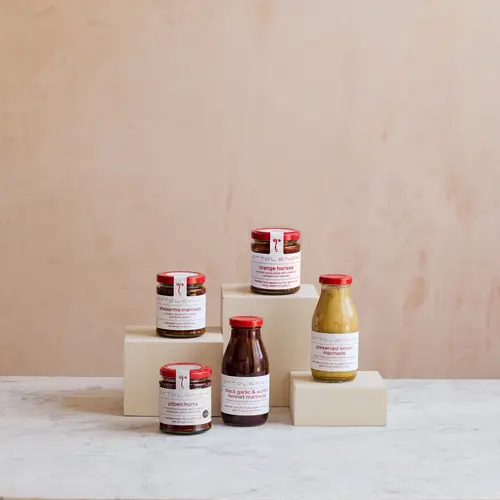
3 Ottolenghi Marinades for a Father's Day BBQ
Three Ottolenghi marinades for Dad's barbecue this Father's Day, each doing something different on the grill.
Read now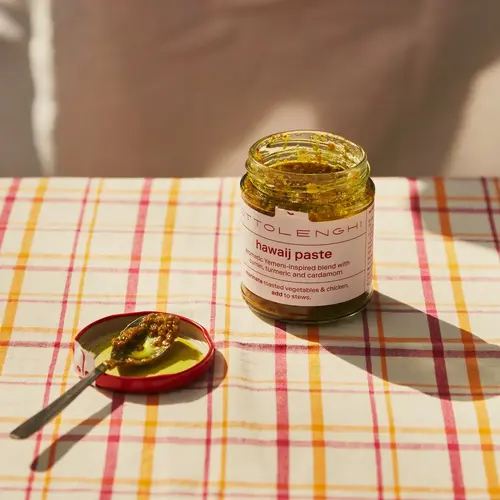
8 Creative Ways to Use Ottolenghi Hawaij Paste
A Yemeni spice paste of ginger, cardamom and turmeric, ready to use in soups, roasts, marinades and more. Eight ways to get more out of the jar.
Read now
The Gourmet Father's Day Gift Guide
Skip the tie and socks. A gourmet Father's Day gift guide covering BBQ spice tubes, wine and gourmet hampers, kitchen gadgets and Jen's biscuits, for wh
Read now