
How to Store Cheese So It Is Still Good on Boxing Day
By Dewi Salim, Hamper Building Lead at The Gourmet Pantry.
Wrap cheese in baking paper rather than plastic, then keep it loosely bagged in the crisper drawer, which is the warmest and most humid part of a fridge. Rewrap in fresh paper every time you cut it. Store fresh cheeses like feta in their brine, and keep blue on its own.

Christmas is the one week of the year an Australian fridge holds five cheeses at once, and most of them are spoiled by the wrap they came home in rather than by time. The deli counter sheet is right for the trip home and wrong by Wednesday. We do not sell cheese. We pack the half of the board that keeps in a cupboard, the crackers, pastes and preserves that outlive all of it.
Paper, not plastic, and why it matters
Cheese is still working after you buy it. The rind and the paste keep breathing, giving off carbon dioxide and taking on smells from whatever sits beside them. Plastic film stops that exchange both ways, so a brie sealed in cling film smells sharply of ammonia within two days and turns slick where it should be dry.
The trade answer is two layer cheese paper, waxed inside and porous outside. Baking paper works nearly as well: wrap so the cut faces are covered but the parcel is not squeezed, then slip it into a loosely folded bag. The paper holds humid air against the cheese, and the bag stops the fridge fan drying it out.
Three exceptions. Blue goes in foil, so its spores stay off everything else in the drawer. Fresh cheeses live in liquid, covered. And a hard cheese already dry at the cut face does better with paper first and a loose layer of foil over it, because it is losing water faster than it is spoiling.
Where in the fridge, and how cold
Most Australian fridges run at 3 to 4°C. Cheese holds its texture and flavour better closer to 8 to 12°C, which no home fridge will keep safely, so find the least cold and most humid spot in the one you have. That is the crisper drawer, every time: enclosed, so humidity stays high, and away from the cold air outlet.
The door is the worst place: it swings through the widest temperature range, and in the last week of December it is opened forty times a day. Keep cheese clear of the air vent, and away from cut onion, ham and anything smoked. Paper is porous by design, which is why a wrapped brie beside a leftover glazed ham tastes faintly of the ham by Boxing Day.
How long each cheese keeps once it is cut
Every number below is a range, because it depends on how ripe the cheese was and how well it is wrapped. The rule underneath them is moisture: the wetter the cheese, the shorter the window.
| Cheese | Keeps after cutting | Why |
|---|---|---|
| Soft white (brie, camembert, triple cream) | 5 to 7 days | Keeps ripening, and the cut face dries first |
| Washed rind | 1 to 2 weeks | High moisture, and a smell that travels |
| Blue | 1 to 2 weeks | Its own mould keeps working |
| Hard and aged (cheddar, gouda, parmesan) | 3 to 4 weeks | Low moisture, little for bacteria to use |
| Fresh in brine (feta, marinated goat's) | About a week, kept submerged | The brine is the preservative |
| Fresh soft (ricotta, mozzarella, curd) | 2 to 3 days | Almost all water, no rind, no acidity |
Label the parcels with masking tape and a pen: the cheese, and the day it was opened. By 27 December there are five paper parcels in the drawer and nobody can tell the washed rind from the triple cream without unwrapping all of them.
Uninvited mould on a hard cheese: cut 1cm around and below the spot and the rest is fine, because mould cannot travel far through a dense low moisture paste. On soft or crumbled cheese it has run through the lot, so that one goes out.
How to store feta
Keep feta submerged in its own brine, in a sealed container, on a cold shelf rather than in the crisper. Feta is one of the few cheeses that genuinely wants cold and wet, and it is the brine, not the wrapping, that preserves it.
If the brine went down the sink, which is what usually happens, make more: roughly a teaspoon of salt dissolved in a cup of water, enough to cover the block. Topped up, an opened block holds its texture for a couple of weeks. Left uncovered it dries at the edges and turns grainy in about three days.
How to store parmesan
Wrap parmesan in baking paper, add a loose layer of foil, and keep it in the crisper. A well wrapped wedge lasts a month or more, and what ends it is dehydration rather than spoilage.
The white crystals in an aged wedge are not mould and not a fault. They are tyrosine, an amino acid that crystallises as the cheese ages. Grate only what you need, because grated parmesan dries out within days. Keep the rind in the freezer for soup.
Freezing what is left
Freezing changes texture permanently, because ice crystals rupture the protein and fat structure. Hard cheeses take it best: grate first, bag flat, and use within two to three months straight from frozen. Brie, camembert, washed rind, feta and ricotta do not come back. Blue crumbles into a dressing but will not slice again.
The half of the board that outlives the cheese
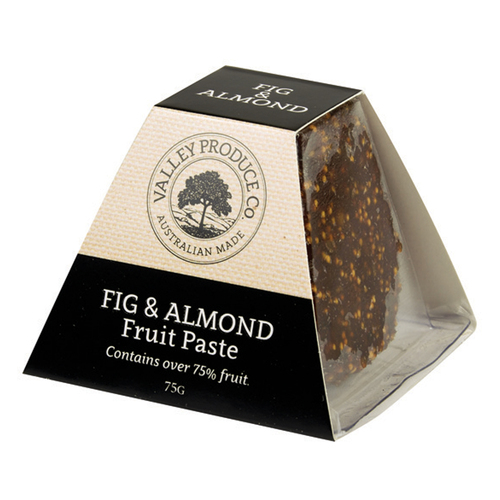
Sealed crackers and preserves keep for months, so the only shopping with a real deadline is the cheese. Cracked black pepper Crackerthins at $3.49 for 100g are thin enough that the cheese still leads, with enough pepper to carry a mild cheddar on Boxing Day once the good blue has gone. A fig and almond fruit pyramid at $6.95 for 75g cuts into fingers and, wrapped, keeps well past the cheese it was bought for. The rest of the fruit paste range is the same idea in quince and pear, compared in quince, fig or pear.
For quantities rather than storage, the Christmas cheese board guide has the per person table and the build for eight, and which cracker goes with which cheese covers the pairing. The year round version is in our general cheese board guide.
For the cupboard half in one box, the Just Add Cheese hamper at $79.95 holds the crackers, paste and preserves and leaves you the cheese to buy two days out. Orders placed before 12pm on a weekday are dispatched the same day from our Corio, VIC warehouse, tracked with Australia Post. The gifting version sits with our Christmas hampers.
Cheese board ideas, before the rush.
Christmas ordering reminders and new arrivals, one email when it matters. Unsubscribe any time.
Common questions
How long can you keep cheese in the fridge?
Unopened and inside its date, as long as the label says. Once cut: 2 to 3 days for ricotta, 5 to 7 days for brie, 1 to 2 weeks for blue, and 3 to 4 weeks for cheddar or parmesan wrapped properly.
Should cheese be wrapped in plastic or paper?
Paper. Cling film traps the gases the cheese gives off, and it starts tasting of ammonia within a couple of days. Baking paper with a loose bag over it is the household answer. Blue prefers foil, and fresh cheeses want brine and a lid.
Can you leave a cheese board out all afternoon?
Hard aged cheese copes with a long afternoon and tastes better for it. Soft and fresh cheeses follow the two hour rule Australian food safety guidance uses for perishable food: back in the fridge inside two hours, and after four hours out they do not go back. Put out half and keep the rest cold.
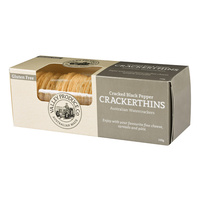
VPC Crackerthins Gluten Free Black Pepper 100g
$3.49
Hand-packed and dispatched from our Corio, Victoria warehouse, with free delivery Australia-wide on orders over $100.
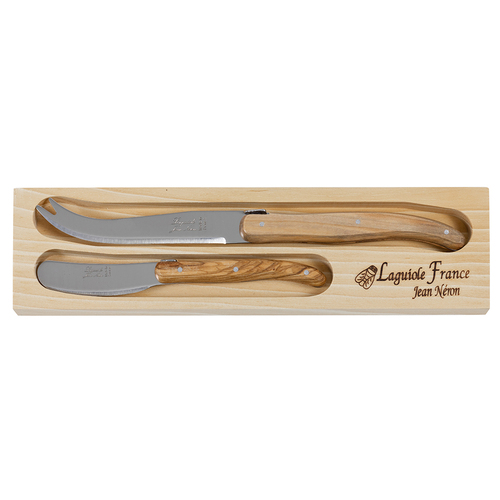

$84.95
More from the blog.

Gingerbread Biscuits and Gingerbread Spice: A Christmas Guide
The spice mix behind gingerbread, a blend you can make tonight, why some biscuits snap and others stay soft, and the gingerbread worth buying when you would rat
Read now
Vol au Vent Fillings: 12 Ideas for Christmas
Classic chicken and mushroom, curried egg, prawn, smoked salmon and a few sweet ones. Twelve vol au vent fillings, how many to make per guest, and how to stop t
Read nowChristmas Shortbread: Types, Tins and Millionaire's Shortbread
Butter, sugar and flour, and very little else. Why shortbread belongs at Christmas, how to tell a good one, the tins worth giving, and how to make millionaire&#
Read now