
Christmas Cheese Board: How Much to Buy and What Goes With It
By Dewi Salim, Hamper Building Lead at The Gourmet Pantry.
A Christmas cheese board needs about 120g of cheese a person when the board is the meal, and 60g when lunch follows it. Three to five cheeses is plenty at any size. Allow eight to ten crackers a head, one sweet fruit paste, one sharp preserve, and something salty to break the run of dairy.
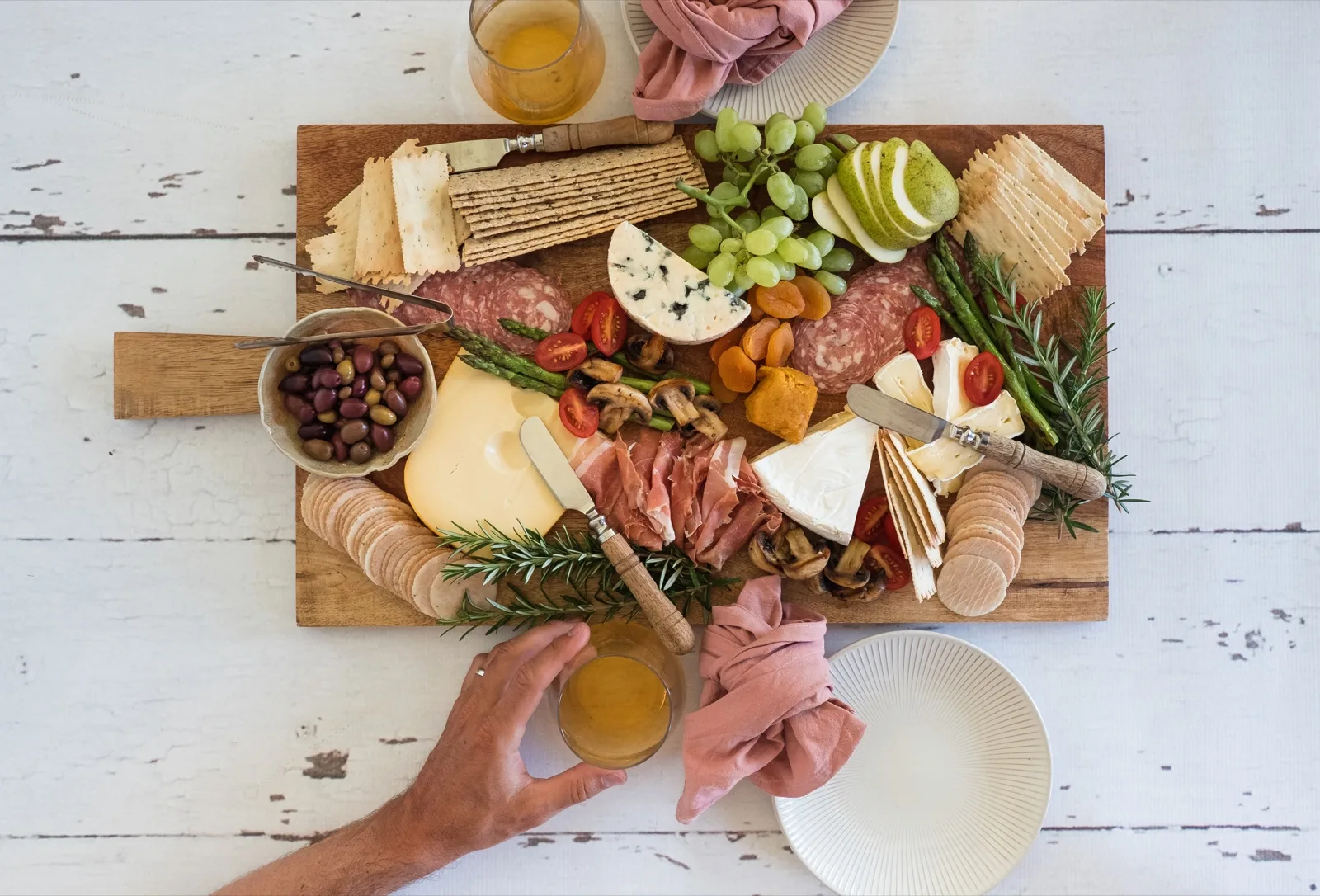
The rest is arithmetic and timing. What follows is how much to buy for 6, 8, 12 or 20 guests, which four cheeses cover a mixed family, and which half of the list you can have in the cupboard by the end of November. We sell that half: crackers, fruit pastes and preserves. The cheese comes from a counter two days out. For the year round version rather than the Christmas one, our general cheese board guide covers it, and Christmas food in Australia has the wider buying calendar.
How much cheese per person
Two numbers, depending on what the board is for. Before a meal, 60g a head: enough to have something in your hand while people arrive, not enough to spoil lunch. When the board is the meal, which is what it usually is on Christmas Eve and again on Boxing Day, 120g a head, plus bread.
Rounded to pieces you can actually buy at a counter, that works out like this.
| Guests | Cheese before a meal | Cheese as the meal | Number of cheeses | Cracker packets |
|---|---|---|---|---|
| 6 | 400g | 750g | 3 | 2 |
| 8 | 500g | 1kg | 3 to 4 | 2 to 3 |
| 12 | 750g | 1.5kg | 4 | 3 to 4 |
| 20 | 1.2kg | 2.5kg | 5 | 5 to 6 |
On crackers we work on one 100g packet per four people, split across two or three styles so the board is not one long row of the same biscuit. Add a jar of fruit paste and a jar of chutney or marmalade for every six guests, and a small bowl of olives or nuts at each end.
Board size decides more than people expect. A 30cm round board holds enough for six, eight needs about 40cm, and past twelve you are better off running two smaller boards at opposite ends of the table. One enormous board makes a queue, and the people at the back of it stop trying.
How many cheeses, and which four
Three cheeses is a board. Four is a Christmas board. Five is the ceiling, and only when there are more than fifteen people, because a board with seven cheeses on it ends the night as seven half eaten cheeses in the fridge.
Buy by weight rather than by number of pieces. Four cheeses for twelve people means 1.5kg between them, not four polite little wedges that are gone in ten minutes.
One soft white. Brie, camembert or a triple cream. It goes first every single time, so make it the biggest piece on the board.
One hard and aged. Vintage cheddar, aged gouda or manchego. This is the one that copes with a 30°C afternoon while everything around it softens, and the one that marmalade belongs with.
One blue. A small wedge is enough, and it goes on its own little plate. Blue left on the main board leaves its edge on the brie and on every cracker anybody has touched.
One wildcard. A washed rind if the room is cool and the crowd is game, a fresh goat's curd if it is hot, or a mild flavoured cheddar when there are children who will otherwise eat only crackers.
Nobody runs out of cheese
They run out of the things the cheese goes on, so treat the carrier as the recipe and the cheese as the variable. Two cracker styles cover a board: a thin small one under soft white cheese, and a thick seeded crisp that holds a wedge of blue without folding. A third style is a third packet half eaten in January. When you lay it out, the cheeses go down first and spaced apart, blue on its own small plate so its edge does not end up on the brie, crackers in overlapping arcs rather than stacks, and fruit into the gaps last. Leave a little bare board showing: one packed edge to edge looks impressive for four minutes and then looks ransacked.
The half you can buy in November
Split the shopping list in two. Cheese, fresh fruit and any cured meat live in a two day window in late December. Everything else is sealed packets and unopened jars that keep in a cupboard for months, and by item count that is well over half the board.
Buying it early is not only about dodging the December scramble. Christmas ranges are produced once a season, so the more interesting crackers and preserves sell through by the second week of December and are not made again until the following year.
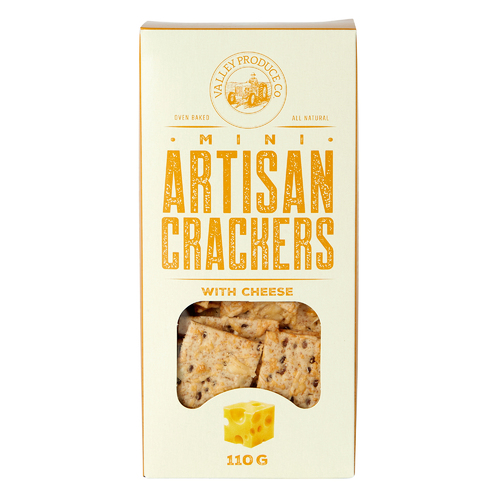
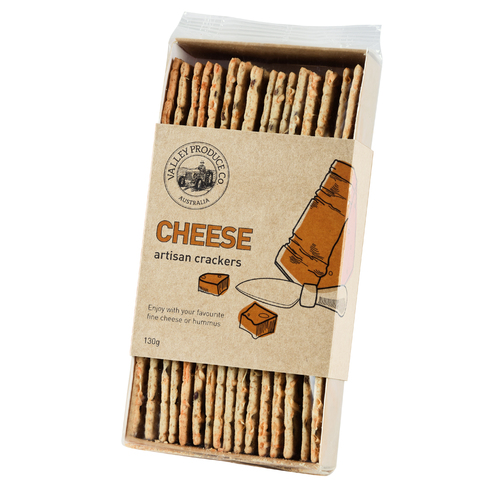
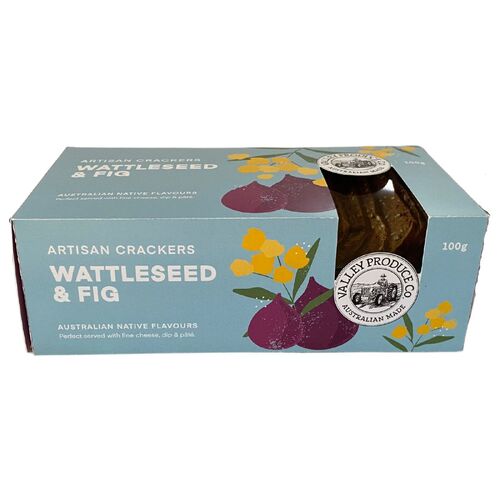
Crackers, two or three styles. Plain crackerthins at $3.49 are the volume cracker, thin enough that the cheese is still the thing you taste. Wattleseed and fig native crackers at $7.69 are the ones guests pick up and read the packet of. Quince and almond seed crisps at $6.95 are sturdy enough to carry a wedge of blue without folding in half. Parmesan crackerthins at $2.95 are the cheapest way to add a third style, salty and thin, and they sit under the soft white cheese without competing with it. If you want to go further into which style suits which cheese, we wrote a guide to exactly that.
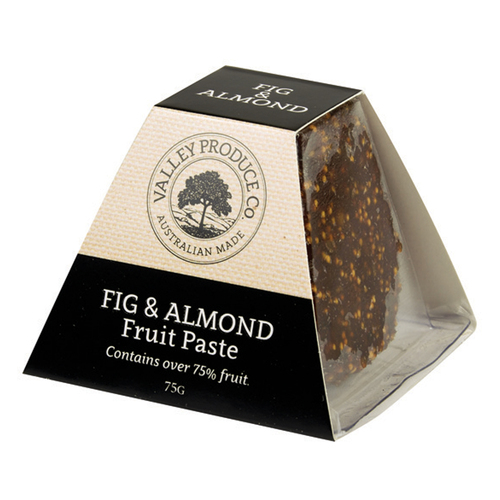
One sweet paste. Fig and almond fruit paste at $6.95, cut into fingers and set beside the blue. It is black mission figs caramelised and cooked down slowly with roasted almonds through it, so it has a texture that plain quince paste does not.
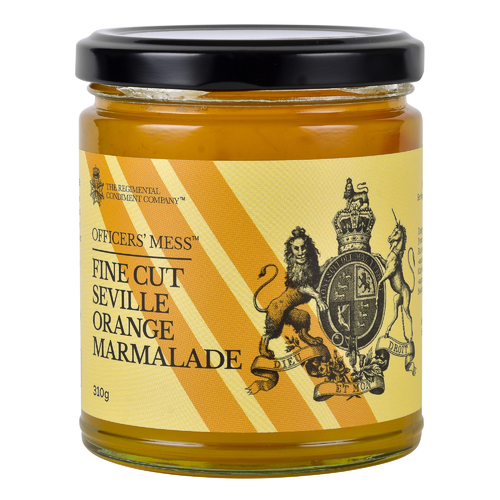
One sharp preserve. A fine cut Seville orange marmalade at $12.95 on aged cheddar is the pairing most people have never tried and then go back to twice. Bitter orange against a salty hard cheese does something a sweet chutney cannot.
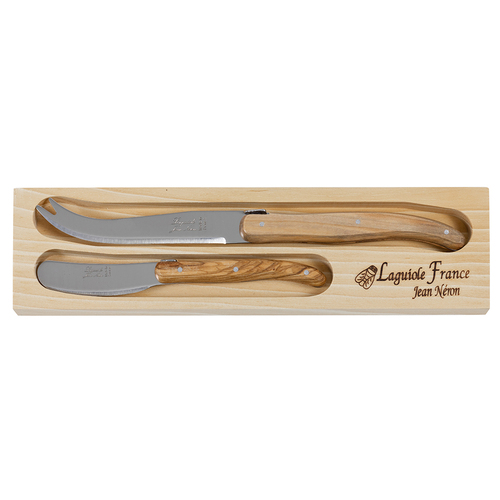
Something to cut with. One knife per cheese, or the soft white ends up in the blue and the blue ends up in everything. Our cheese knife sets start at $49.95 for the two piece olive wood set, made in France by Laguiole Jean Neron.
The two days before
Buy the cheese at a counter and ask to taste before you commit, particularly the blue, because the gap between a mild one and a fierce one is the difference between a wedge that gets finished and a wedge that does not. Ask for pieces cut fresh rather than the pre wrapped ones.
Store it wrapped in paper rather than plastic, in the least cold part of the fridge. Keep pieces whole and cut them at the table: cheese cut the day before dries at the edges and looks every hour of it.
Fresh fruit is a morning of job, or the day before at a stretch. Grapes snipped into small clusters so nobody has to tear at a bunch, cherries, and figs if you can find good ones. Muscatels still on the stem are the one dried fruit worth the space.
A board that suits everyone at the table
Christmas is the one board of the year where the guest list is not self selecting. There are children, there is somebody eating gluten free, and there is usually one person who does not really like cheese and is too polite to say so.
Gluten free. Gluten free original crackerthins at $3.49 are made with potato starch, so they crunch instead of crumbling the way most gluten free crackers do. Put them on a separate plate. Crumbs cross over the moment two people reach across a board, and the separate plate is the only thing that makes the promise real.
Children. One mild cheese, a pile of plain crackers within arm's reach, and fruit. Nobody under ten has ever wanted a washed rind.
The person who does not eat cheese. The fruit paste, the marmalade, the olives and the nuts are already on the board. Put a bowl of something salty at their end of it and the gap stops being a gap.
The hour before it goes out
- 45 minutes out. Cheese comes out of the fridge, still wrapped. Cold cheese tastes of almost nothing, and a brie straight from the fridge is chalky in the middle rather than soft.
- 20 minutes out. Unwrap and arrange. Fruit paste, marmalade and chutney go into small bowls with their own spoons, never left in the jar with one spoon shared between them.
- 10 minutes out. Crackers, and not before. They come out of the packet last because crackers laid out an hour early go soft, and a humid December afternoon does it faster.
- Last thing. Anything cut, any soft herbs, and the second half of the cheese if you are holding some back on a hot day.
Holding half back is the single change that makes a summer board work. Half the cheese out, half in the fridge, swapped over when the first lot has been picked at. A board refilled at two o'clock beats one that peaked at noon and has been sitting in the sun since.
What the pantry half costs
The non cheese half of a board for eight comes in under $40: three cracker styles, a fruit paste and a jar of marmalade. The cheese is the bigger cost by a wide margin, which is the argument for spending on the cheese and buying everything around it early and cheaply. Orders over $100 ship free anywhere in Australia.
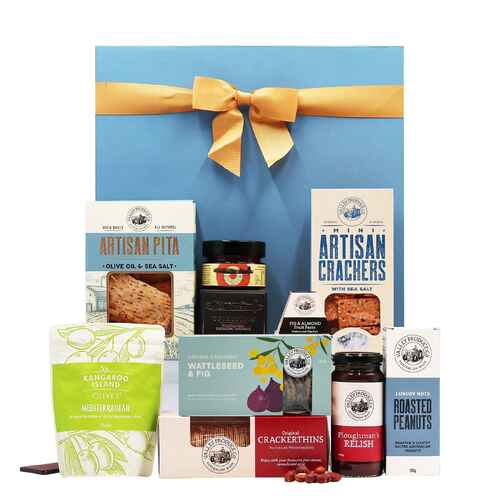
If you would rather not choose at all, the Just Add Cheese hamper at $79.95 is that same list in a box: crackers in two styles, fruit paste and preserves, packed by hand at our place in Corio in Victoria. Weekday orders placed before 12pm leave us the same day.
Questions we get asked
How much cheese do you need per person on a cheese board?
Allow 60g a person where a meal follows the board, and 120g where the board is the meal. For eight guests that is 500g before lunch or a full kilogram if the board is lunch. Children eat roughly half as much, and almost all of it from the soft white cheese, so buy that piece to the full adult number.
How many cheeses should be on a Christmas cheese board?
Four is the number for a Christmas crowd: one soft white, one hard and aged, one blue and one wildcard. Three is fine for six people or fewer. Five is worth it only above about fifteen guests. Beyond five you finish the night with a fridge full of half eaten wedges and nobody having tasted any of them properly.
What crackers go with a cheese board?
Two or three styles, not one. A thin plain water cracker for the soft cheeses, because it carries flavour without adding any. A seeded or fruited crisp for blue and for aged cheddar, sturdy enough not to fold. A rustic or flavoured cracker as the third, for interest. Work on one 100g packet per four people.
How long can a cheese board sit out?
Australian food safety guidance for chilled food works on two hours and four hours. Under two hours out and it can go back in the fridge. Between two and four hours it should be eaten rather than saved. Past four hours it goes in the bin. The clock starts when the board lands on the table, not when guests arrive.
Start with the half that keeps. Our cracker range is where a Christmas cheese board actually begins, and every packet of it will still be sitting sealed in the cupboard on the day you finally go and buy the cheese.
Cheese board ideas, before the December rush.
Christmas ordering reminders and new arrivals, one email when it matters. Unsubscribe any time.
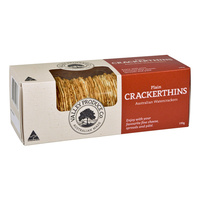
VPC Crackerthins Plain 100g
$3.49
Hand-packed and dispatched from our Corio, Victoria warehouse, with free delivery Australia-wide on orders over $100.
$84.95
More from the blog.
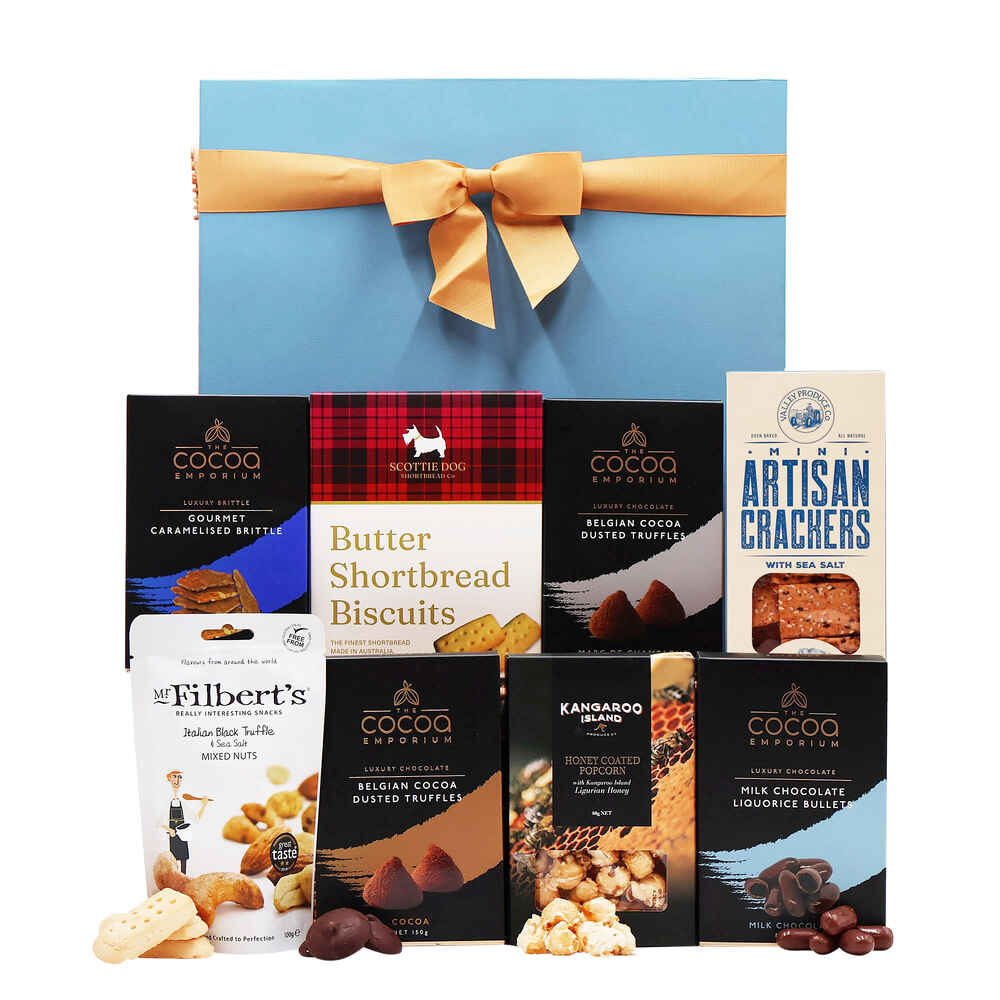
The Foodies Hamper: Eight Items, and What a Cook Does With Each
Eight packets, six of them sweet, and not a jar of anything in sight. What is actually in the box, and what somebody who cooks can do with each item once the ri
Read now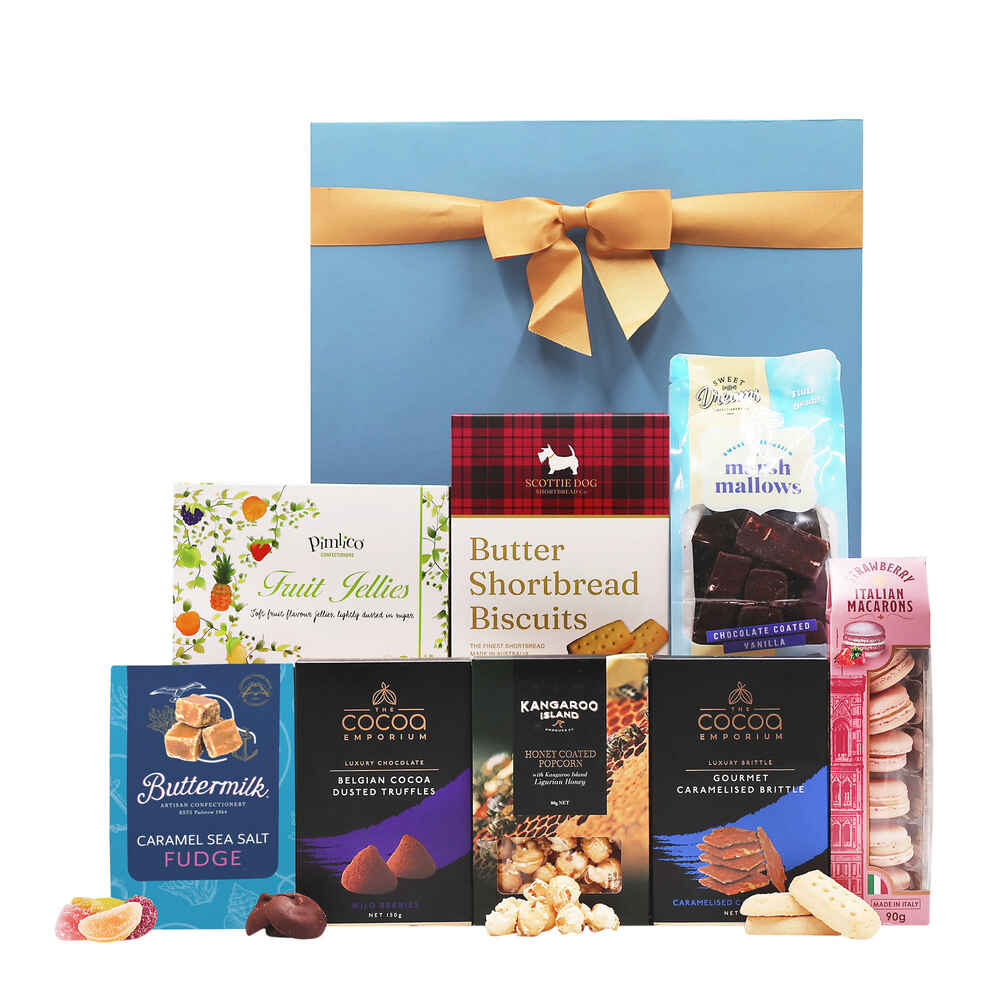
The Sweet Treats Hamper: The Kids-and-Grandparents Pick
Eight sweet packets that open by hand and sit on a table at room temperature, which is why this box works when a six-year-old and a grandparent have to be pleas
Read now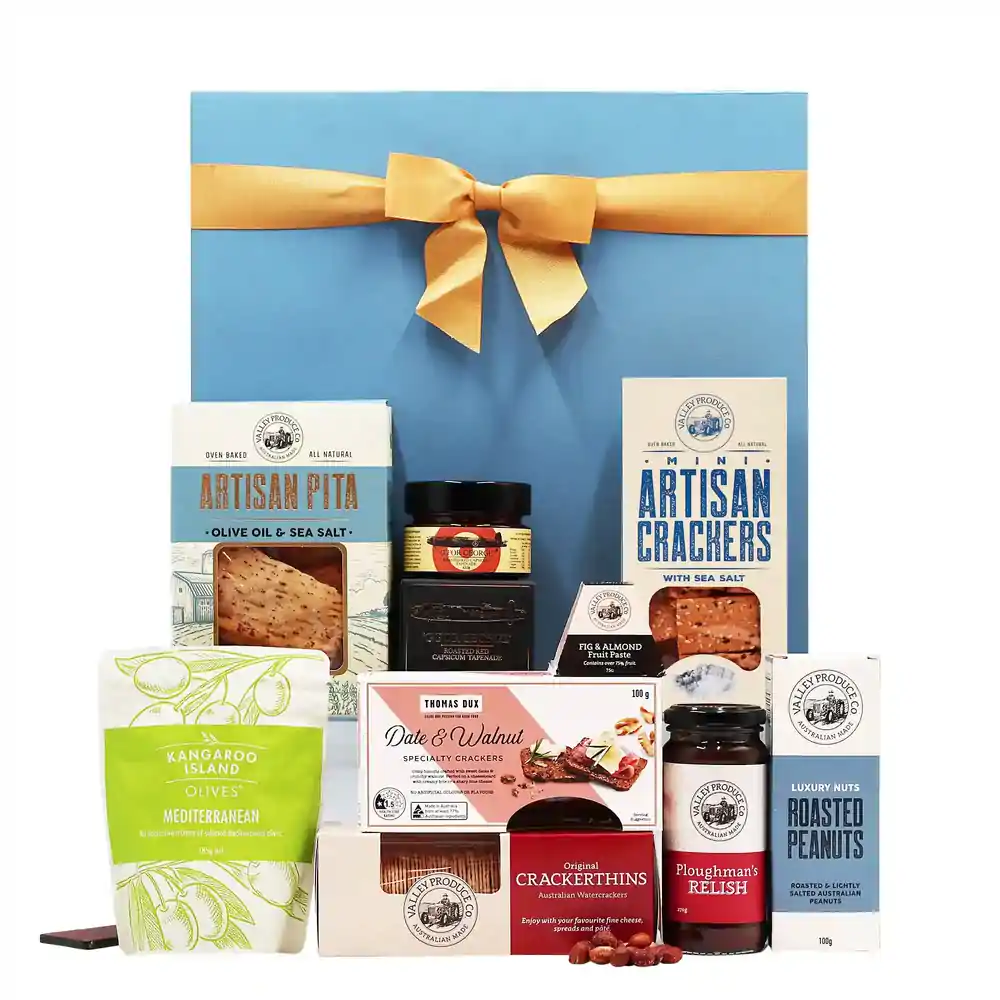
Just Add Cheese: Which Cheeses to Buy for the Hamper
Nine pantry items arrive and the cheese is yours to buy. Three cheeses, about 600g between them, and the box itself tells you which ones to ask for at the count
Read now