
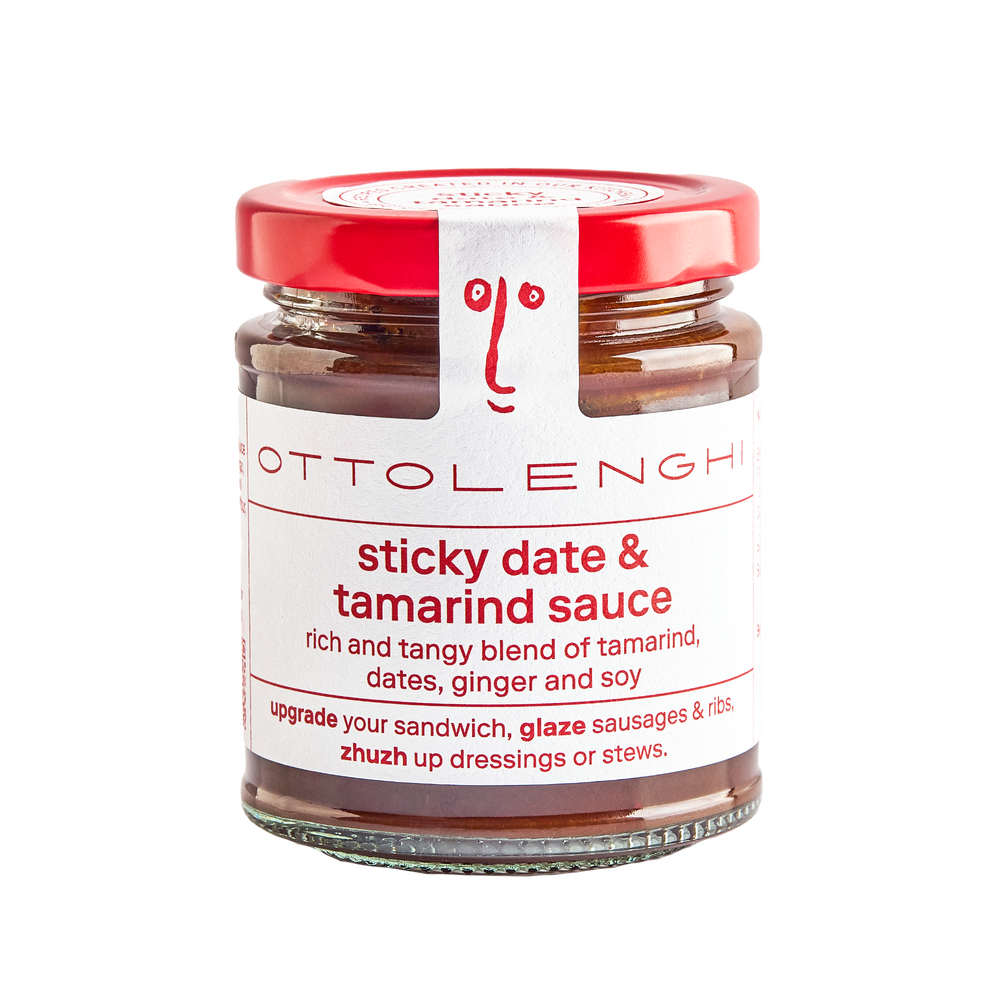
Sticky Date and Tamarind Pork Ribs
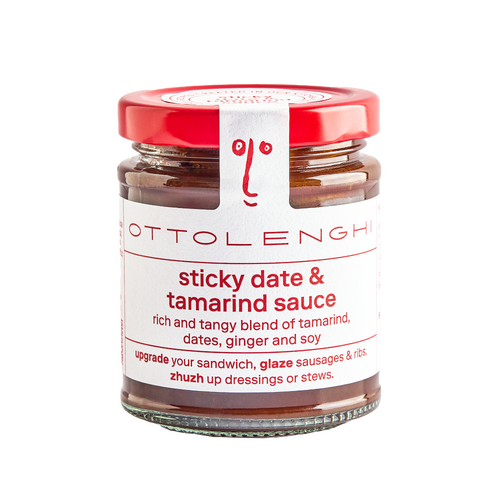
Ottolenghi Sticky Date & Tamarind Sauce (180g)
$15.95
Hand-packed and dispatched from our Corio, Victoria warehouse, with free delivery Australia-wide on orders over $100.
Pork ribs are the easiest thing to cook with Ottolenghi Sticky Date and Tamarind Sauce. Wrap two racks in foil, roast at 150°C for two and a half hours, then brush on a glaze of the sauce with Dijon and lemon and finish them at 200°C for 20 minutes. Serves four, and half a 180g jar does both racks.
Serves 4. Prep 15 minutes. Cook 2 hours 50 minutes, most of it unattended.
The two-stage cook
Ribs want a long stretch at a low temperature to soften the connective tissue, and a short blast of heat at the end to set a glaze. Trying to do both at once is where most rib recipes come apart. Stage one is 150°C, sealed tightly in foil with a splash of cider vinegar and water, which steams as much as it roasts and takes the meat back from the bone. Nothing sweet goes near them yet.
Stage two is fast and hot. Unwrap, pour off the juices, brush on the glaze and give the racks 20 minutes at 200°C with a second coat halfway. Ottolenghi Sticky Date and Tamarind Sauce is built on dates, so it carries real sugar, and sugar sitting in a hot oven for an hour goes black and bitter. Twenty minutes is long enough to caramelise it and short enough to keep it sweet.
What goes in the glaze
Straight from the jar the sauce is thick, so it sits where you put it instead of coating the rack. Loosen it with a tablespoon of the cooking juices trapped in the foil and it brushes out into a thin, even film that browns properly. Two small additions do the rest: a teaspoon of Dijon mustard for savoury depth, and two teaspoons of lemon juice to carry the tamarind's sourness across the whole rack rather than leaving it in patches.
The label calls the jar HP sauce done the Ottolenghi way, dates for the sweetness and tamarind for the tang, and glazing ribs is one of the uses printed on it. Brown sauce and pork have been a pair for a century. This is a better brown sauce, and the only real change to the routine is when it goes on.
What the rest of the jar finishes
Half a jar covers two racks of ribs, and the rest is not waiting on another recipe. Spread a teaspoon thin on a bacon sandwich, which is the use printed on the jar and the one that settles any argument about the price. Brush a tablespoon per 500g over sausages or chicken wings in the last ten minutes at 200°C, then again as they come out, because dates mean sugar and sugar burns. Loosen a tablespoon with the same amount of olive oil and a squeeze of lemon and spoon it over roast cauliflower, pumpkin or carrots while they are still hot from the tray.
It also does the job quince paste usually does on a cheese board, next to a sharp cheddar or anything blue, and a teaspoon whisked with a tablespoon of olive oil and two teaspoons of red wine vinegar makes a dressing heavy enough for lentils, freekeh or a warm potato salad. A tablespoon stirred into a beef stew or a pan gravy at the end adds depth that would otherwise cost another hour. The rule under all of it is late, not early: this is a finishing sauce, not a marinade. Keep it in the fridge once open, stir before each use, and use a dry spoon.
Method
Method
- Heat the oven to 150°C, or 130°C fan-forced.
- Pat the racks dry. On the bone side there is a papery membrane: lift a corner with a butter knife, grip it with paper towel and pull it off in one sheet. Left on, it stays tough and stops the seasoning getting in.
- Rub both racks all over with the olive oil, then the garlic salt flakes and black pepper.
- Lay each rack meat side up on a large sheet of foil. Pour 1 tablespoon of cider vinegar and 50ml of water around each one, then fold the foil into a tight parcel with the seam on top so nothing leaks.
- Sit the parcels on a tray and roast for 2 hours 30 minutes.
- Check by sliding a skewer into the meat between two bones. It should go in with no resistance. If it does not, reseal the parcel and give it another 20 minutes.
- Turn the oven up to 200°C, or 180°C fan-forced.
- Open the parcels away from you, standing back from the steam, and tip the juices into a bowl. Reserve 1 tablespoon and keep the rest for gravy or beans.
- Whisk the sticky date and tamarind sauce, mustard, lemon juice and the reserved tablespoon of juices together until the glaze pours off the spoon in a ribbon.
- Lift the racks onto a lined tray, meat side up, and brush with half the glaze.
- Roast for 10 minutes, brush on most of what is left, and roast for another 8 to 10 minutes, until the glaze is dark, tacky and just starting to catch at the edges.
- Rest for 10 minutes, then brush on the last of the glaze while the racks are still warm.
- Cut down between the bones and scatter with the spring onion, sesame seeds and chilli flakes.
Questions people ask
What can you make with Ottolenghi sticky date and tamarind sauce?
Glazed ribs, sausages and chicken wings are the obvious ones, because the sauce caramelises without needing anything added. Beyond that it goes on a bacon sandwich, over roast cauliflower or pumpkin loosened with olive oil, beside a sharp cheddar in place of quince paste, and stirred through a stew at the end. What the rest of the jar finishes is set out further up this page.
What does tamarind taste like?
Sour, with a fruity edge behind it, closer to sharp dates or under-ripe plum than to lemon or vinegar. It is the sourness in pad thai and in Worcestershire sauce, and in this jar it is what stops the dates turning the sauce into a chutney. On its own tamarind reads as puckering. Paired with sugar and salt, as it is here, it reads as depth.
How long do you cook pork ribs in the oven?
Two and a half hours at 150°C wrapped in foil, then 20 minutes at 200°C unwrapped to set the glaze. Baby back ribs need about 2 hours for the first stage. The test is a skewer sliding between the bones without resistance, not the clock, because racks vary in thickness. Ribs cooked hot and fast stay tough no matter how good the glaze is.
If you are buying the jar
We taste everything we range, and this one earns its place on what it does to a tray of ribs and a bacon sandwich rather than on the name on the lid. Ottolenghi Sticky Date & Tamarind Sauce is $15.95 for 180g. If you want the cook-from-the-start counterpart, the Smokey Honey marinade at 270g for $22.95 goes on before the oven with caraway, chipotle and smoked paprika, so one roast is covered from both ends.
The rest of the shelf sits under sauces and mixes, and the full Ottolenghi range runs from the pastes and marinades through to the cookbooks and the FEAST tableware. For someone who cooks, the Ottolenghi hampers are built from the same jars.
Everything is picked and packed by hand in our Corio room in Victoria. Orders placed before 12pm on a weekday are dispatched the same day, and shipping is free Australia-wide on orders over $100.
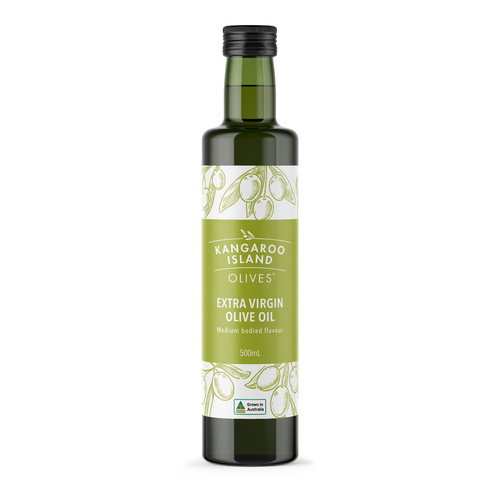
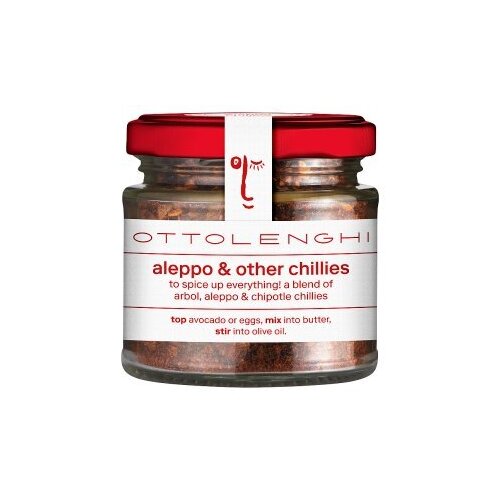
Products in this recipe
More recipes.
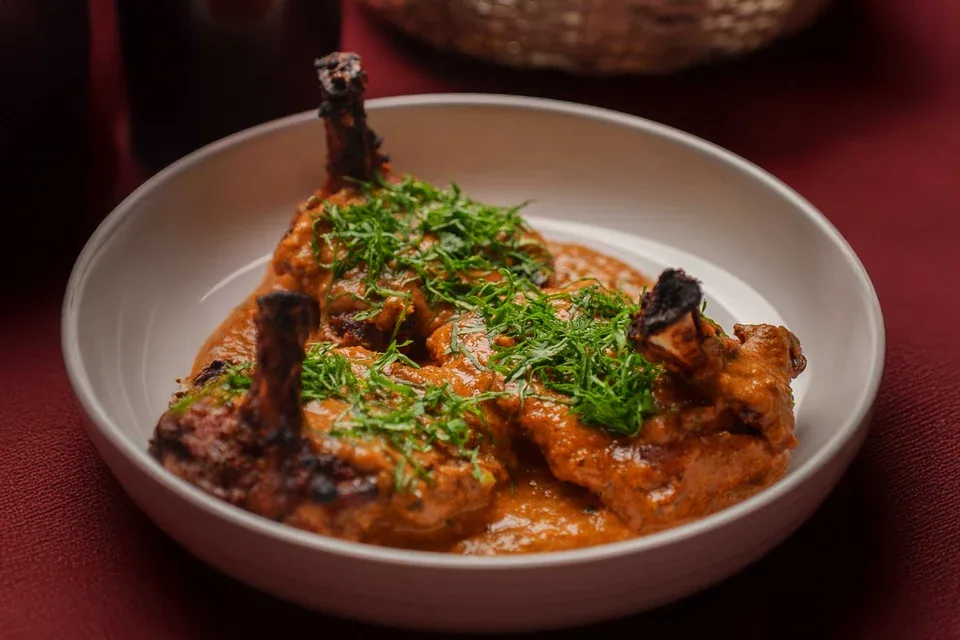
Gymkhana Butter Chicken Chops
The signature dish from Ambassador's Clubhouse, Gymkhana's sister restaurant in London. Bone-in chicken thigh cutlets are coated in tandoori marina
View recipe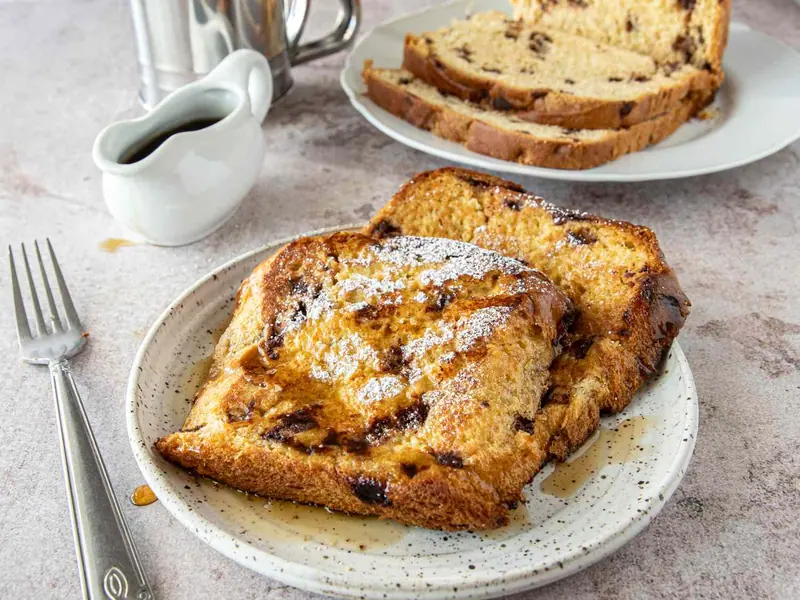
Panettone French Toast
The candied peel and butter already in panettone do most of the work here, so the custa
View recipe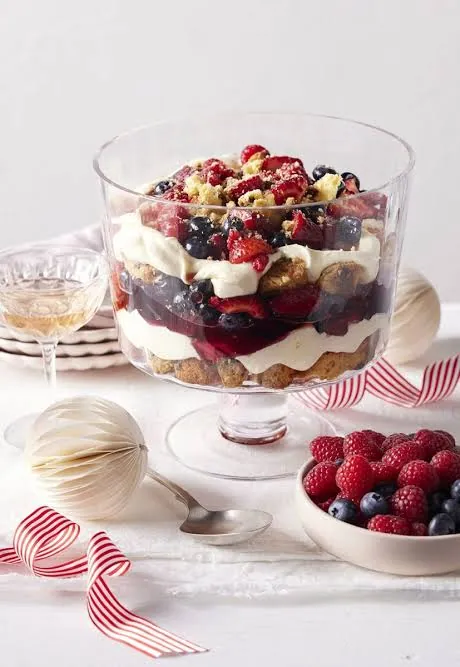
Panettone Trifle
Trifle is the easiest place to put leftover panettone . It replaces the sponge entirely,
View recipeNew recipes, first.
Recipes, new arrivals and gourmet gifting ideas from The Gourmet Pantry. No spam, unsubscribe any time.