
Christmas Ham Glaze, Without Losing Your Nerve
By Jodie Smith, Product & Hamper Manager at The Gourmet Pantry.
A Christmas ham glaze needs three things: something sweet to caramelise, something sharp to cut it, and salt or spice behind both. Score the fat, brush the glaze on in thin coats, and bake at 180°C for 45 minutes to an hour, basting every 15 minutes. That is the whole technique.
We do not sell ham. Your butcher does, and a cooked leg is worth booking in November. We sell the other half of the job, the mustards and condiments that go into the glaze and then sit beside the carved ham. So we have no reason to tell you this is harder than it is.
What a glaze actually has to do
A glaze is not a marinade or a sauce. It sits on an already cooked leg and has one job: to turn to lacquer under heat. Three components make that happen.
- Sugar, in some form. Marmalade, honey, brown sugar, chutney. Without it there is nothing to caramelise and you get a wet, dull ham. This is the bulk of the glaze.
- Something sharp. Mustard, vinegar, citrus. Ham is salty and a glaze is sweet, so something has to stop it reading as dessert.
- An aromatic. Cloves, ginger, smoked paprika, a spice paste. Optional, and the part that makes a glaze taste like yours.
Two parts sweet to one part sharp, plus a heaped tablespoon of mustard for grip, works every time. A whole leg needs about a cup of glaze, less than most people make. Brush it on thin: four thin layers set into a glossy shell, one thick layer slides into the tray and burns.
Get the ham ready before the glaze
Take the ham out of the fridge an hour beforehand, then take off the rind, not the fat. Run a small knife around the shank, slide your fingers between rind and fat, and peel it back in one piece. Keep the rind: laid over the cut face it stops the ham drying out through the week of sandwiches.
Score the fat in diamonds roughly 2cm across and no more than 1cm deep. You are cutting fat, not meat. Cut through to the meat and the juices run out along the scores, the glaze pools, and the surface goes patchy. Our guide to how much ham per person covers what size leg to order.
The method, start to finish
- Heat the oven to 180°C, or 160°C fan-forced. Any hotter and the sugar burns before the ham is warm.
- Line a large tray with baking paper and then foil, unless you fancy scraping caramelised sugar off it on Boxing Day. Pour in two cups of water to catch the drips.
- Sit the ham on a rack, fat side up, and wrap the shank bone in foil so it does not blacken.
- Brush on the first thin coat, working it into the scores without filling them.
- Bake 15 minutes, brush again, and keep going every 15 minutes for 45 minutes to an hour, longer for a leg over 8kg. Each coat should set before the next goes on.
- If the top is still pale at the last coat, turn the oven to 220°C for 8 to 10 minutes and stand there watching. Glaze goes from amber to black faster than anyone expects. Tent any edge running ahead.
- Rest 15 to 20 minutes before carving. On a 35°C day, serve it at room temperature, so it can be carved before the first car arrives.
Spoon the syrup from the bottom of the tray over the carved slices. It is the best thing in the kitchen, and most people tip it down the sink.
Three glazes worth making
All three are built on jars that keep from October.
Marmalade and Dijon, the traditional one
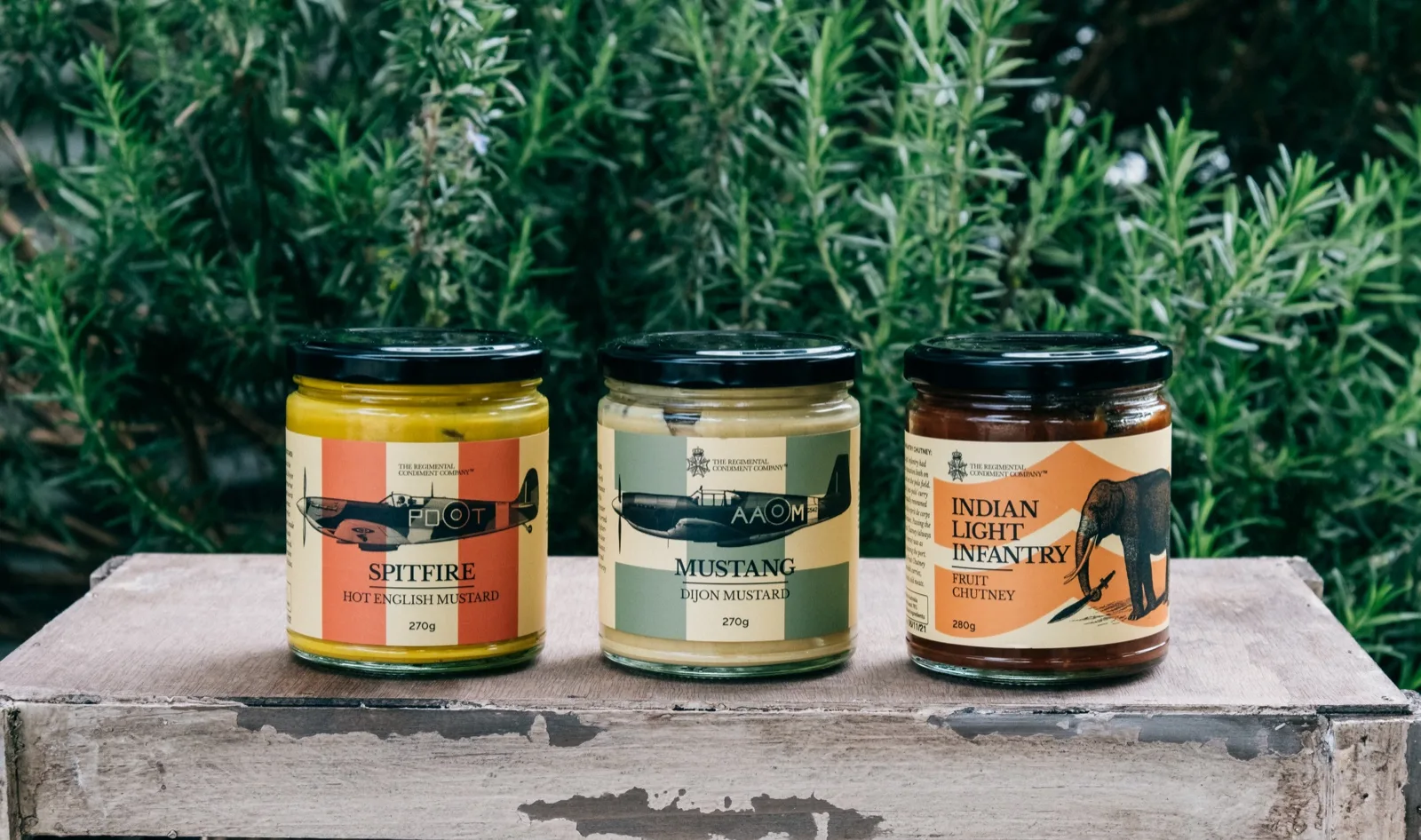
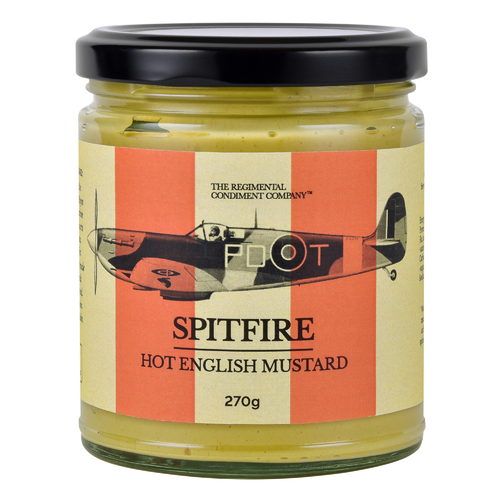
A cup of Officers' Mess fine cut Seville orange marmalade warmed with two tablespoons of Mustang Dijon mustard and a splash of water. Fine cut matters: thick shred sits proud of the fat and scorches. Seville oranges are bitter, which is precisely why the classic glaze uses them. For a sharper edge, swap a teaspoon of Dijon for Spitfire hot English mustard. Both jars are $12.95 and one glaze uses a third.
Smoky honey, the one that needs no assembly
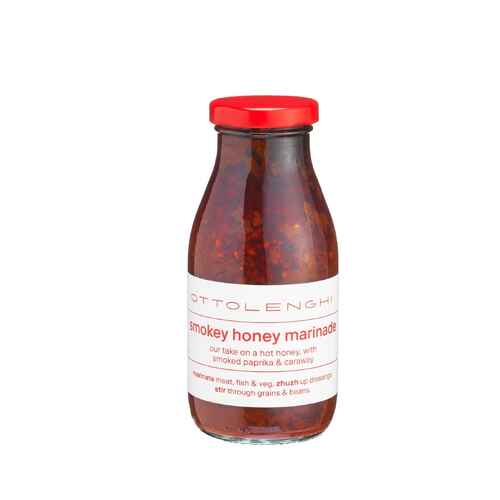
Ottolenghi smokey honey marinade at $22.95 is caraway, chipotle chilli and smoked paprika in a honey base, built to caramelise. Loosen it with orange juice and use it straight from the jar. This is the one for 8pm on Christmas Eve. What is left goes on roast chicken and on halloumi.
Fruit chutney and fig balsamic, the one that surprises people
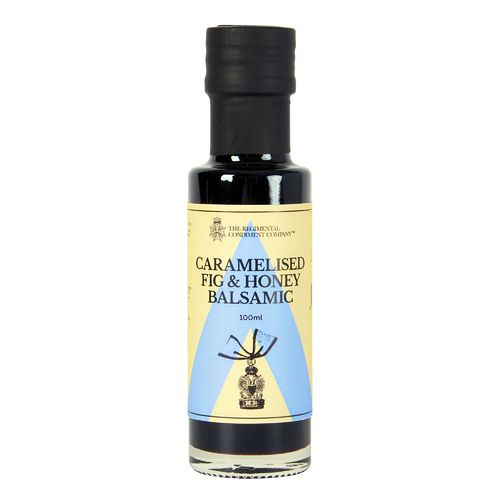
Blitz half a jar of Indian Light Infantry fruit chutney smooth, apricots, prunes, raisins, apples and dates in there, then loosen it with fig and honey caramelised balsamic. The label on that $7.95 bottle suggests using it as a ham glaze, which is not marketing, it is what it does: sticky, sweet and sour at once, setting to a dark shine. Do not skip that step. Whole fruit will not brush, and lumps burn.
What goes on the table beside it
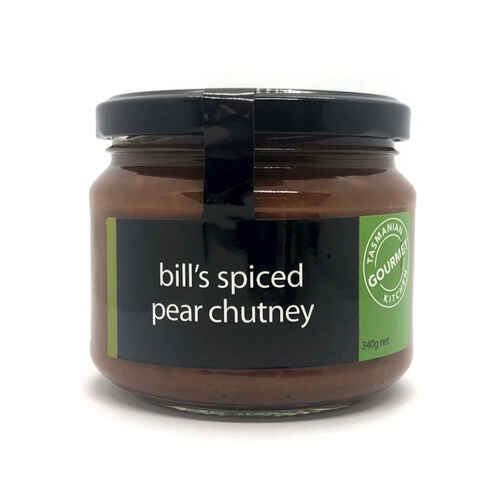
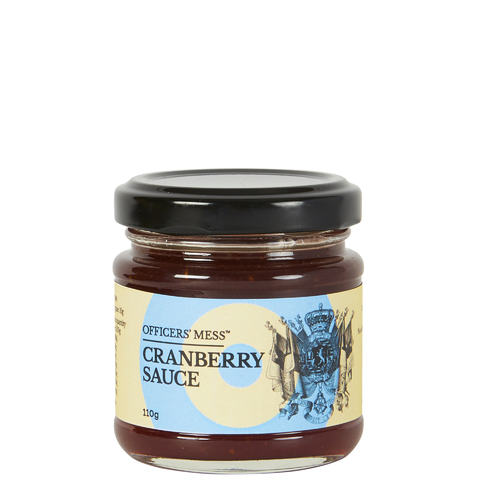
A carved ham wants two or three things beside it. Cranberry sauce in the 110g size at $6.95 is the sensible buy, because nobody has ever finished a large jar. Bill's spicy pear chutney at $16.95 is spiced rather than hot, which suits a table with children at it, and does a second shift on the cheese board. One homemade jar beats three bought, though: our old fashioned tomato relish is the one to make in November.
The rest of the shelf-stable table, crackers, dressings, olives and nuts, sits in our festive entertaining range. For the whole day rather than just the ham, our guide to Christmas food in Australia works through it month by month.
Questions we get asked
What is the best glaze for a Christmas ham?
Marmalade and mustard, if you only ever make one. A cup of fine cut Seville orange marmalade, two tablespoons of Dijon and a splash of water hits sweet, bitter and sharp in the proportions salty ham needs. For no mixing at all, a jarred smoky honey marinade glazes straight from the jar.
How do you score a ham before glazing?
Peel the rind off first, working a knife around the shank and then your fingers under the skin so the fat stays behind. Cut diamonds across the fat about 2cm apart and 1cm deep. Stop at the meat, or the juices run out along the scores.
What temperature do you glaze a ham at?
180°C conventional, or 160°C fan-forced, for 45 minutes to an hour, basting every 15 minutes. The ham is already cooked, so you are only warming it and setting the glaze. If it still looks pale, finish at 220°C for 8 to 10 minutes and watch it.
Can you glaze a ham the day before?
You can, and it will taste fine, but the shine dulls overnight and the surface turns tacky. Better to do the rind, the scoring, the tray and the glaze mix the day before, then glaze on the morning and serve at room temperature. The ham is done by ten o'clock.
Every one of those glazes comes out of a jar, so it can be bought now and ignored until December. The mustards, chutneys and relishes are the part of Christmas lunch you can settle in October. Shipping is free Australia-wide over $100, and orders placed before 12pm on a weekday are dispatched the same day from our packing room in Corio, Victoria. To send the food rather than cook it, our Christmas hampers are packed by hand in that same room.
Christmas ideas, before the rush.
Christmas ordering reminders and new arrivals, one email when it matters. Unsubscribe any time.
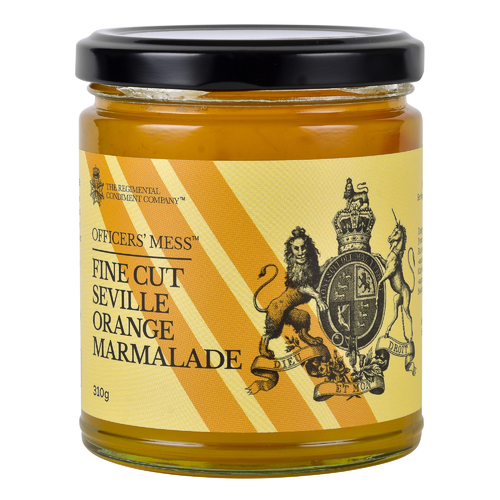
TRCC Officers' Mess Fine Cut Seville Orange Marmalade 310g
$12.95
Hand-packed and dispatched from our Corio, Victoria warehouse, with free delivery Australia-wide on orders over $100.
More from the blog.
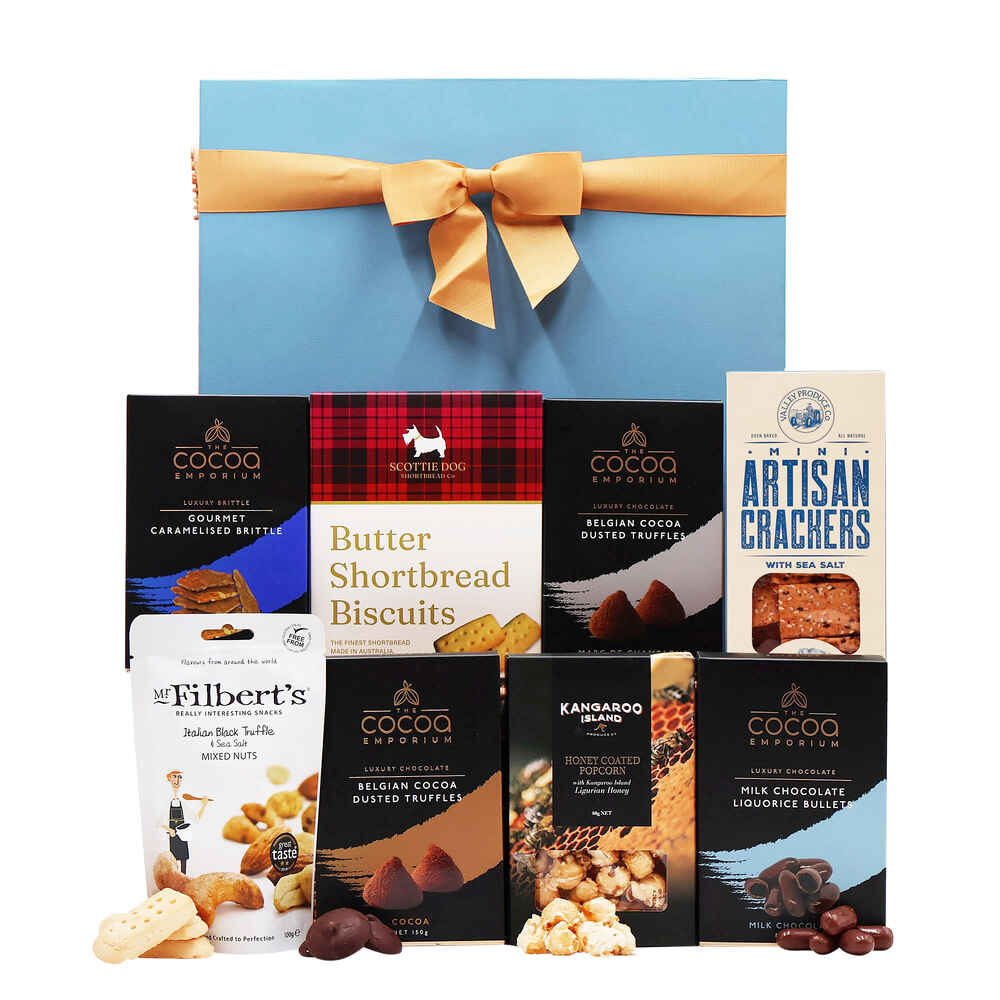
The Foodies Hamper: Eight Items, and What a Cook Does With Each
Eight packets, six of them sweet, and not a jar of anything in sight. What is actually in the box, and what somebody who cooks can do with each item once the ri
Read now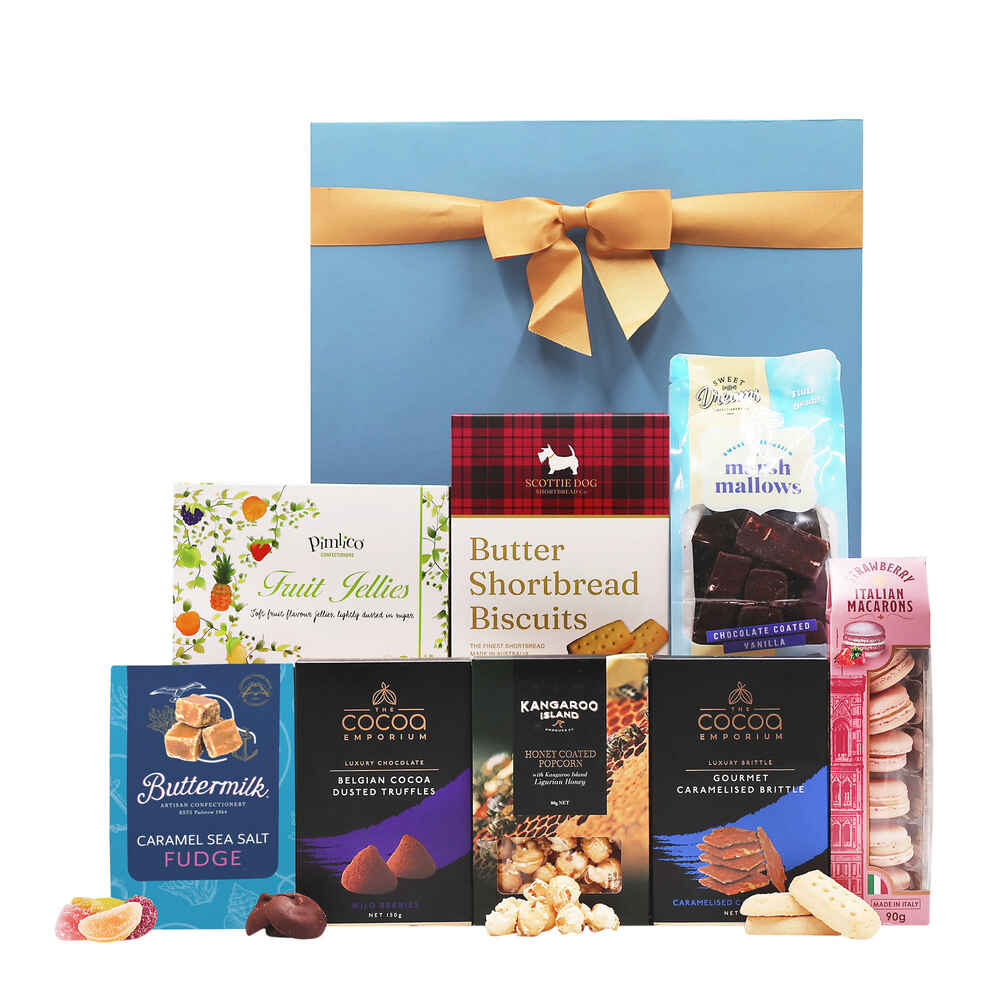
The Sweet Treats Hamper: The Kids-and-Grandparents Pick
Eight sweet packets that open by hand and sit on a table at room temperature, which is why this box works when a six-year-old and a grandparent have to be pleas
Read now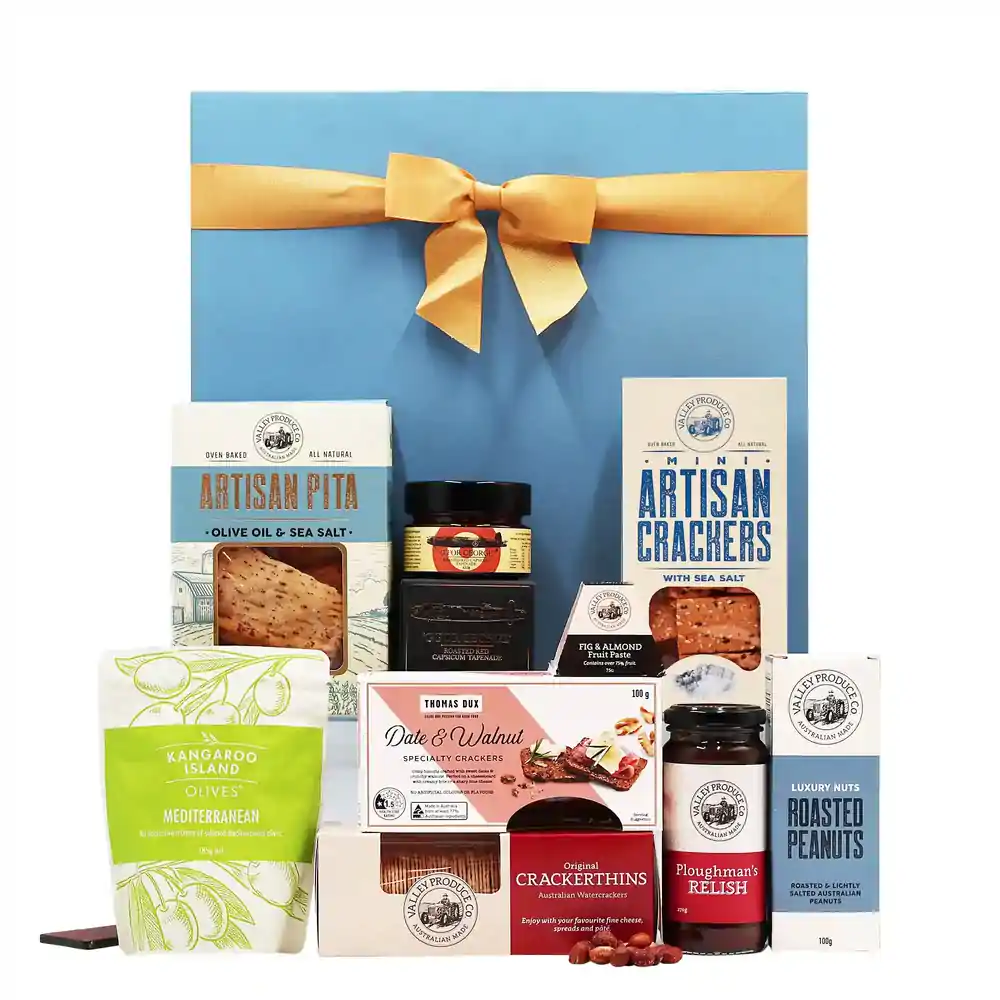
Just Add Cheese: Which Cheeses to Buy for the Hamper
Nine pantry items arrive and the cheese is yours to buy. Three cheeses, about 600g between them, and the box itself tells you which ones to ask for at the count
Read now