
A Jar of Preserved Lemons, and Eight Things to Do With It
By Jodie Smith, Product & Hamper Manager at The Gourmet Pantry.
Use the rind, not the pulp. Quarter a preserved lemon, scrape the soft pulp away, rinse the rind and slice it very thinly. That fine shred is the ingredient. It goes into dressings, grains, roast vegetables, chicken and yoghurt, a teaspoon at a time.

The rind is the part you use
A preserved lemon is a whole lemon cured in salt and its own juice until the rind loses its bitterness and turns soft, savoury and faintly floral. The sharpness you expect from a fresh lemon is largely gone. What replaces it behaves more like an aromatic than an acid, which is why a teaspoon can change a dish that a squeeze of juice would only make wet.
Four steps, and then you can ignore every other instruction on this page until you need one.
- Lift a lemon out of the jar with a clean dry spoon and quarter it on a board.
- Run a small knife between the rind and the pulp, and scrape the pulp away.
- Rinse the rind under cold water for a couple of seconds and pat it dry.
- Lay the pieces flat and slice them as thinly as you can, then chop the shreds finer if the dish wants them that way.
The pulp is not rubbish, but it is not the ingredient either. It is salt, seeds and slack juice, and it turns anything it lands in cloudy and aggressively salty. If you cook often, keep a spoonful in a small container in the fridge and use it in a brine or a marinade where the salt has a job to do. If you do not, throw it out without feeling wasteful. You paid for the rind.
Whether to rinse at all is the one point cooks disagree on. Rinsing costs a little flavour and removes a lot of surface salt, and for anything served cold it is worth doing. For a braise that will sit on the stove for an hour, skip the rinse and put less salt in the pot instead.
The same ingredient, in four jars
Preserved lemon turns up across this pantry in formats that look nothing alike, and most people never notice they are buying the same thing. Four are worth knowing. Only the first needs instructions, because it is the only one where you separate rind from pulp yourself. The other three have already had that decision made for you.
| The jar | Size and price | What it is | When to reach for it |
|---|---|---|---|
| Belazu preserved lemons | 200g, $12.95 | Whole lemons cured in salt and their own juice | When you want the citrus visible and want to control how much goes in |
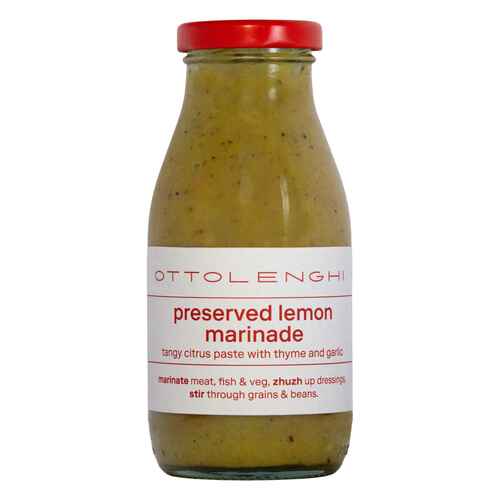
| Ottolenghi preserved lemon marinade | 260g, $22.95 | Preserved lemon already blended into a pourable marinade | A tray of chicken or fish on a weeknight, with no chopping |
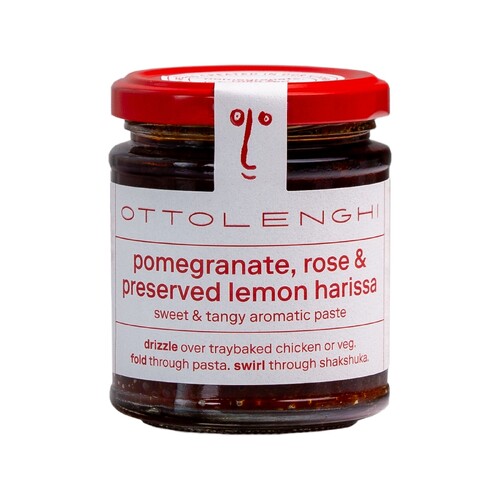
| Rose, pomegranate and preserved lemon harissa | 170g, $15.95 | A chilli paste with preserved lemon folded through it | When you want heat and citrus in the same spoon |
| Belazu tagine paste | 170g, $12.95 | Smoked paprika and tomato, with preserved lemon named on the label | A one pot dinner where the lemon sits in the background |
The jar is the cheapest of the four and the most flexible, which is the argument for owning it even if you already have one of the others. It is also the slowest, because you do the knife work. If you want the flavour without the board, we have written separately about what to do with the preserved lemon marinade, and about a 20 minute tagine built on the paste. All four sit in the Belazu range and the Ottolenghi shelf beside it.
Eight things to do with a jar, by how much rind each one takes
Measuring preserved lemon by eye is how a good jar makes one salty dish and then sits untouched at the back of the fridge. The list below starts at a quarter of a lemon and ends at two.
A quarter: the dressing. Chop the rinsed rind as finely as you can, whisk it into three parts olive oil to one part lemon juice, and add no salt at all until you have tasted it. This is the use that converts people, because the dressing tastes seasoned rather than sour. Our green salad with preserved lemon dressing is the version to start with, and it works just as well over cold potatoes or a tin of good tuna.
A quarter: through tahini or yoghurt. Two tablespoons of Belazu tahini, 500g for $19.95, loosened with cold water until it turns pale and pourable, then the chopped rind stirred through. It becomes a sauce for roast vegetables, grilled lamb or a bowl of rice. In plain yoghurt the same quarter lemon makes a dip that holds its own next to something spiced.
Half: scattered over roast vegetables, after they come out. Cauliflower, carrots, pumpkin and potatoes all take it. Add the rind once the tray is out of the oven, not before, because long dry heat flattens the flavour and dries the shreds into hard little chips. Thirty seconds of residual heat is all it needs to smell like something.
Half: through a grain salad. Couscous, freekeh, pearl barley or leftover rice, still slightly warm, with the rind, a handful of chopped parsley or mint and enough olive oil to loosen the grains. Warm grain absorbs the lemon in a way cold grain does not, so dress it early and let it sit. This is the dish to make on a Sunday and eat from for three days.
Half: under the skin of a roast chicken. Mash the chopped rind into softened butter, work it under the breast skin with your fingers, and roast as usual. The butter carries the lemon into the meat instead of leaving it on the surface. Do not salt the skin as heavily as you normally would, because the butter is already salted from the lemon.
One lemon: in the fish tray. Sliced rind, olive oil, sliced fennel or potato underneath, whole fish or thick fillets on top. Fish and preserved lemon suit each other because neither needs long cooking, so the citrus stays bright. Salmon, snapper and blue eye all work. So do prawns, tossed in the rind and oil for ten minutes before they hit a hot pan.
One lemon: into a braise. Cut the rind into strips rather than shreds and add it early, with the onions, so it softens into the sauce over an hour. Lamb shoulder, chicken thighs and chickpeas are the usual three. If you would rather not build the spicing yourself, the Belazu tagine paste has preserved lemon in it already, and our beef tagine uses it as the base for the whole pot.
Two lemons: a paste for the fridge. The one to make when the jar is nearly finished and you want it gone. Blitz the rind of two lemons with a small clove of garlic, a pinch of chilli and enough olive oil to make a loose paste, then keep it in a jar under a film of oil. From there it goes onto toast under an egg, through pasta with a little of the cooking water, over grilled meat, or into mayonnaise.
Two habits run through all eight. Cut the rind finer than feels necessary, because a long shred reads as a mouthful of salt while a fine one reads as flavour. And add it late unless the dish is a braise, since preserved lemon is at its best warmed rather than cooked.
How much salt to leave out
The common mistake with a bought jar is seasoning the dish first and adding the lemon afterwards. Preserved lemon is a salted ingredient, so treat it as part of the seasoning. Use half the salt you normally would, add the rind, taste, then decide whether the dish wants more.
Rinsing changes the arithmetic. Rinsed rind needs only a small adjustment. Unrinsed rind, straight from the brine, can season a whole tray of vegetables on its own. Cooking for someone watching their salt: rinse well, pat dry, and use half a lemon where a recipe asks for one.
Keeping the jar going
An unopened jar sits in the cupboard until the date printed on it. Once it is open it belongs in the fridge, and the rule that matters is simple: the lemons must stay under their brine. Any rind left standing proud of the liquid will dry, darken and eventually spoil, so push the lemons back down after every use and top the jar up with fresh lemon juice if the level drops.
Use a clean dry spoon or fork every time, never fingers and never a spoon that has been in something else. Wipe the rim and the thread of the lid before the lid goes back on, since that is where the brine creeps and where trouble starts. Follow the storage line on the label ahead of any general rule, because the maker knows what is in the jar.
Pantry ideas, before December.
Christmas ordering reminders and new arrivals, one email when it matters. Unsubscribe any time.
Preserved lemon questions we get asked
How do you use preserved lemons?
Quarter a lemon, scrape out the pulp, rinse the rind, slice it very thinly and use a teaspoon or two at a time. It goes into dressings, yoghurt and tahini, over roast vegetables, through warm grains, under the skin of a chicken, into a fish tray and into slow braises. Add it late for everything except a braise, and cut back the salt elsewhere in the dish.
Do you eat the whole preserved lemon or just the rind?
Just the rind, in almost every recipe. The rind is what the curing was for: it softens, loses its bitterness and takes on the savoury lemon flavour people buy the jar for. The pulp is salt, seeds and loose juice. It is edible, but it is overwhelmingly salty and clouds anything it goes into, so most cooks scrape it out.
Do preserved lemons need to be refrigerated?
Not before opening. A sealed jar is shelf stable and keeps in the cupboard until the date on the label. Once the seal is broken it goes in the fridge, with the lemons kept submerged in their brine and a clean dry spoon used each time. Storage instructions on the jar always take precedence over general advice.
How long do preserved lemons keep once the jar is open?
Kept cold, covered by their brine and handled with a clean spoon, an open jar lasts for months rather than weeks, which is why a 200g jar is not the commitment it looks like. Go by the date and the storage line on the label, and throw the jar out if the brine smells off or you find mould on rind that has been sitting above the liquid.
What can I use instead of preserved lemons?
The nearest substitute is the finely grated zest of a fresh lemon with a good pinch of salt, added at the end. It gives you citrus and seasoning, but it is sharper and it lacks the mellow, cured depth, so use it in dressings and over vegetables rather than in a braise. If you want the flavour with no knife work at all, the preserved lemon marinade or the rose, pomegranate and preserved lemon harissa both carry it in a ready made form.
Start with the jar
If you cook Middle Eastern or North African food even occasionally, the 200g jar of Belazu preserved lemons at $12.95 earns its shelf space faster than almost anything else in the Belazu range. Buy it alongside the tahini and the tagine paste and you have three dinners covered. It sits with the rest of our specialty ingredients, with free Australia-wide shipping on orders over $100. Orders placed before 12pm on a weekday are dispatched the same day from our Corio, VIC warehouse, tracked with Australia Post.

BELAZU Preserved Lemons (200g)
$12.95
Hand-packed and dispatched from our Corio, Victoria warehouse, with free delivery Australia-wide on orders over $100.

$12.95

$19.95
More from the blog.

Gingerbread Biscuits and Gingerbread Spice: A Christmas Guide
The spice mix behind gingerbread, a blend you can make tonight, why some biscuits snap and others stay soft, and the gingerbread worth buying when you would rat
Read now
Vol au Vent Fillings: 12 Ideas for Christmas
Classic chicken and mushroom, curried egg, prawn, smoked salmon and a few sweet ones. Twelve vol au vent fillings, how many to make per guest, and how to stop t
Read nowChristmas Shortbread: Types, Tins and Millionaire's Shortbread
Butter, sugar and flour, and very little else. Why shortbread belongs at Christmas, how to tell a good one, the tins worth giving, and how to make millionaire&#
Read now