
How to Use Belazu Tagine Paste
By Emily Patrikakos, Brand Executive at The Gourmet Pantry.
Belazu Tagine Paste is a Moroccan-style cooking base of tomato, smoked paprika and pickled lemon, not a chilli sauce. Fry 2 to 3 tablespoons with sliced onion, add chicken or chickpeas and a little stock, and dinner is done in about 20 minutes. The same jar also works as a marinade, a meatball seasoning and a yoghurt dressing.
A 170g jar of Belazu Tagine Paste is $12.95 and holds roughly eight tablespoons, so it carries three or four dinners. It is one of the quieter jars in the Belazu range, and one people come back for once they work out it is a shortcut rather than a condiment.
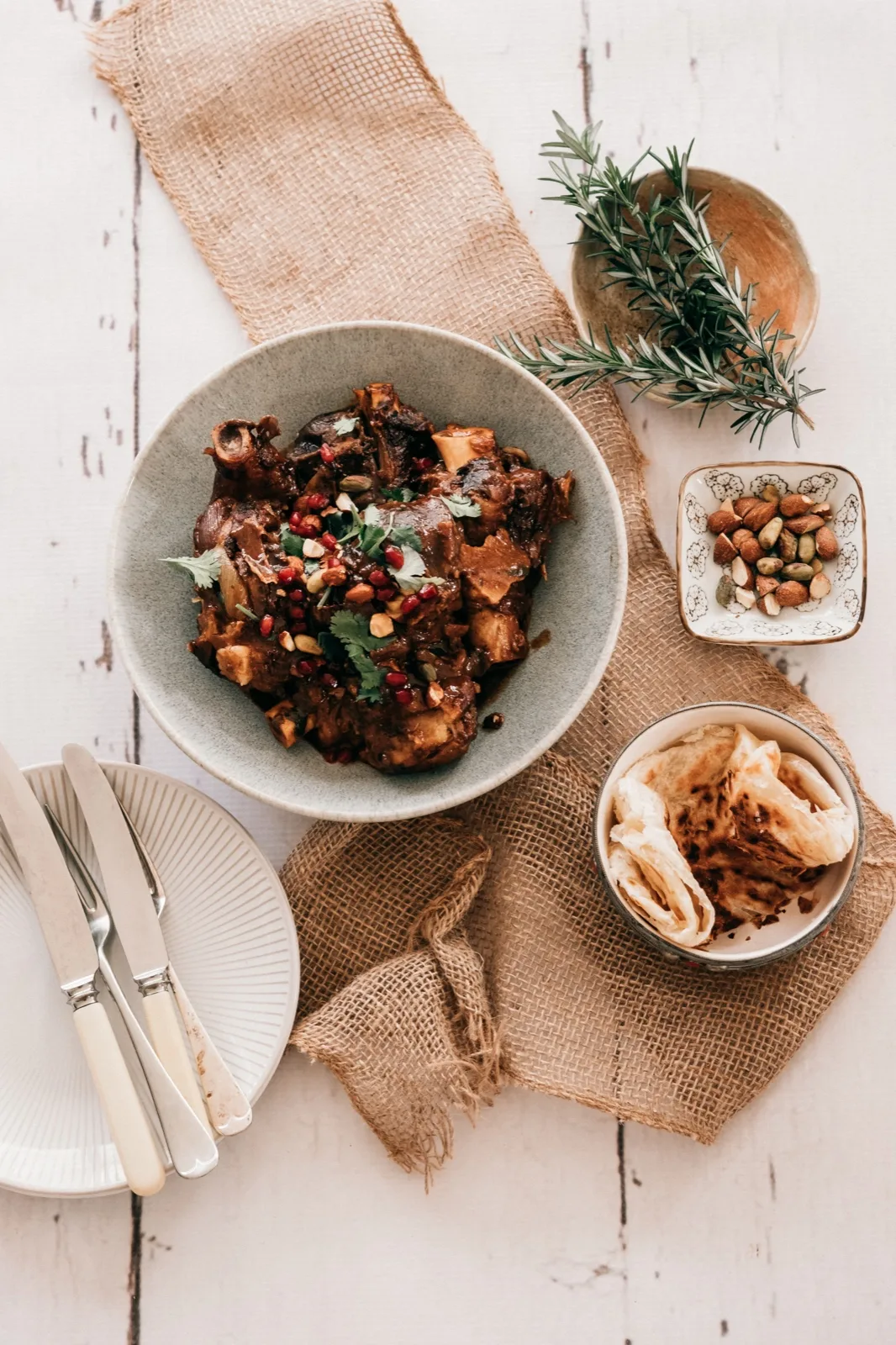
What is actually in the jar
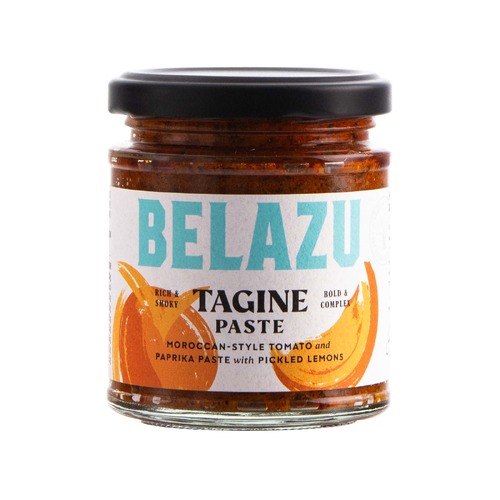
The label reads more like a finished dish than a spice rack. Tomato gives it body, smoked paprika gives the depth you would otherwise build over an hour, and pickled lemons bring the salt and the sour edge. Smoky against citrusy against sweet, umami-heavy tomato: the flavour of a long-cooked tagine, already assembled.
Two things follow from that. First, it is savoury rather than hot. There is no chilli burn in it, so nobody at the table needs warning and children eat it happily. If heat is what you want, that is the job of Belazu Rose Harissa Paste at $14.95, and we set out the doses in ten ways to use it.
Second, it is concentrated and salty, so hold your own salt back until the end. Once open it lives in the fridge, and any oil that separates on top stirs back through.
Why 20 minutes is not a cheat
A long simmer in a traditional tagine does two jobs: it softens a tough cut, and it builds flavour out of raw spice, onion and tomato. The jar has finished the second before you open it. Pick a cut that does not need the first, chicken thigh, prawns, chickpeas, and the clock stops being a problem.
The 20 minute tagine
Serves four, one wide pan, no marinating. The only step that people skip is the one that matters.
- Heat 2 tablespoons of olive oil in a wide, deep frying pan. Cook 2 thinly sliced onions over medium heat for 6 to 7 minutes, until soft and just starting to colour.
- Push the onions to one side, add 3 tablespoons of tagine paste to the bare part of the pan, and fry it for a minute until it darkens and the kitchen smells of paprika. Frying the paste rather than stirring it into liquid is what separates a tagine from a tomato sauce.
- Add 700g of chicken thigh fillets cut into large pieces and turn them through the paste. Pour in 300ml of chicken stock and a drained 400g tin of chickpeas.
- Simmer uncovered for 12 to 15 minutes, until the chicken is cooked through and the sauce has thickened around it rather than pooling underneath.
- Off the heat, stir through the finely chopped skin of one preserved lemon with the pulp discarded, a handful of green olives and chopped coriander. Serve over couscous with flaked almonds scattered over.
Substitutions, in order of usefulness. Two tins of chickpeas and no chicken makes a vegetarian version, which needs an extra tablespoon of paste to carry it. Green prawns work with the simmer cut to four minutes. Dried apricots added with the stock give you the sweeter style. Lamb backstrap is fine; shoulder is not, because that cut wants the slow version further down.
Four other things the jar does
Mushrooms and crème fraîche
Belazu's own suggestion, and the best of them. Fry sliced mushrooms hard until they squeak and colour, add a teaspoon of paste per person, then a spoonful of crème fraîche off the heat. On sourdough it is lunch. Next to a steak it looks deliberate.
A marinade for roast vegetables
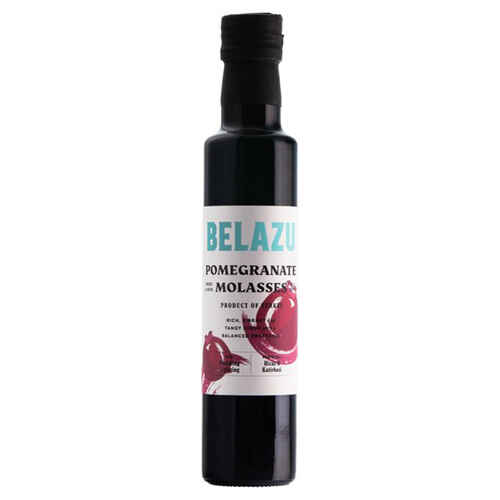
One tablespoon loosened with two of olive oil coats about 800g of cauliflower, pumpkin, carrot or wedged onion. Roast at 200°C for 30 to 35 minutes. The tomato in the paste caramelises at the edges, which is the part people go back for. Yoghurt underneath, pomegranate molasses over the top.
Meatballs, with no spice measuring
Two tablespoons through 500g of beef or lamb mince with grated onion, breadcrumbs and an egg. The paste seasons and moistens at once, so the spice drawer stays shut. Brown them, then finish in a tin of tomatoes let down with water.
Stirred into yoghurt, straight from the jar
One teaspoon per 100g of plain yoghurt with lemon juice and a good pinch of salt. That bowl is a dip for flatbread, a sauce for the roast vegetables above, and a marinade for chicken thighs. It is the only use here with no cooking in it, and the one that tells you what the paste actually tastes like.
The jars that shorten dinner.
Christmas ordering reminders and new arrivals, one email when it matters. Unsubscribe any time.
When to slow it down instead
Everything above is built around cuts that cook quickly. The jar is just as good in the opposite direction, and that is where the classic version lives. Our beef tagine with Belazu tagine paste, a recipe from Belazu themselves, marinates 600g of stewing beef in 3 tablespoons of the paste, then simmers it gently for two hours with saffron, a cinnamon stick, preserved lemon skin and dried apricots. Make that one on a Sunday and the 20 minute version on a Tuesday.
If you want the flavour without a jar in the fridge afterwards, the sauces and mixes shelf carries a Gordon Rhodes Moroccan-style tagine mix at $9.95, a dry sachet of cumin, paprika and cinnamon. That one is a spice blend you build a sauce around; the Belazu jar is the sauce.
Tagine paste questions we get asked
What is tagine paste made of?
Tagine paste is a cooked base rather than a dry spice mix. Belazu's is built on tomato, smoked paprika and pickled lemons, with oil and warm spices behind them. Recipes vary between makers, but the constants are tomato for body, paprika with cumin and coriander for depth, and something salty and sour, usually preserved lemon. Chilli is optional and normally mild.
Do you need a tagine to cook a tagine?
No. The conical pot recirculates steam back into the food, which matters when you are cooking over coals with very little liquid. On a domestic stove a heavy casserole with a tight-fitting lid does the same job. For the quick version a wide frying pan is better still, because there you want the liquid to reduce rather than drip back in.
How much tagine paste per kilo of meat?
Around 4 to 5 tablespoons per kilogram, or roughly one heaped tablespoon a head. The Belazu beef tagine uses 3 tablespoons for 600g of stewing beef, and the quick chicken version above uses 3 for 700g of thigh plus a tin of chickpeas. Start there, taste near the end, and stir in another spoonful if the sauce reads flat.
Is tagine paste spicy?
Not in the chilli sense. It is smoky, tomato-led and salty, with warmth from paprika rather than heat, so it suits a table with children or anyone chilli-shy. To make a dish hot, add a teaspoon of harissa alongside rather than more tagine paste, which would only make it saltier. Our guide to cooking with harissa paste covers the doses.
Where to start
Buy one jar, cook the 20 minute version first, and let it argue for the second. Belazu Tagine Paste is $12.95 for 170g. The Belazu culinary spice paste gift set at $59.95 boxes it with rose harissa, smoked chilli harissa and the vegan Ve-Du-Ya, all in the larger 170g jars, which makes it the obvious present for someone who cooks. We taste everything we range, orders placed before 12pm on a weekday are dispatched the same day, and shipping is free Australia-wide on orders over $100.
BELAZU Tagine Paste (170g)
$12.95
Hand-packed and dispatched from our Corio, Victoria warehouse, with free delivery Australia-wide on orders over $100.

$12.95
More from the blog.
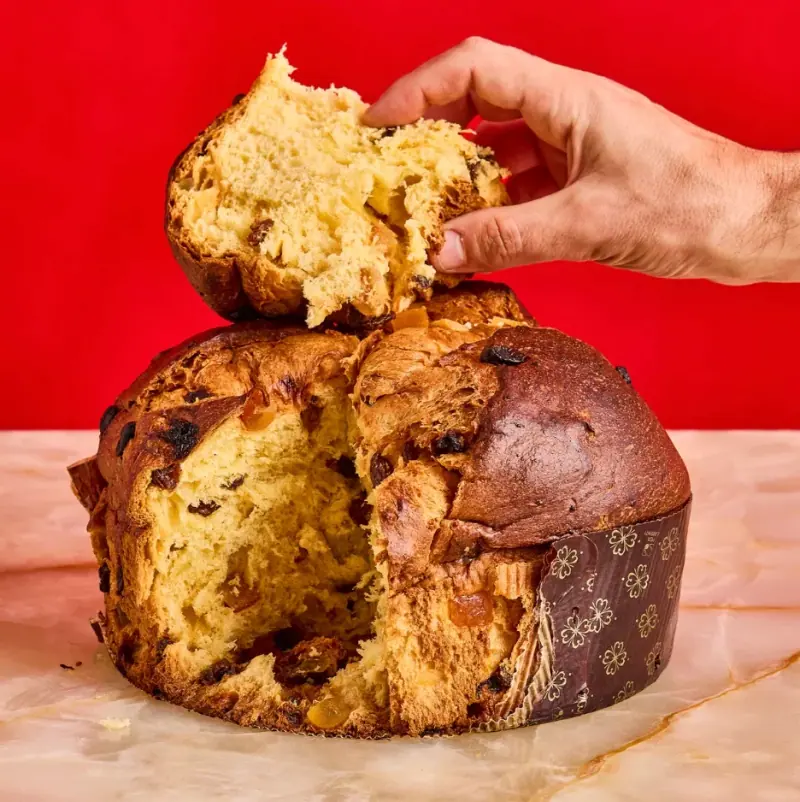
What Is Panettone?
A tall, domed Italian Christmas bread made over three days with a living sourdough starter. Here is what separates a good panettone from a cheap one.
Read now
Gluten-Free Panettone in Australia
Gluten-free panettone is one of the hardest things in baking to get right. Here is why, what separates a good one from a dry one, and how to serve it.
Read now
The Foodies Hamper: Eight Items, and What a Cook Does With Each
Eight packets, six of them sweet, and not a jar of anything in sight. What is actually in the box, and what somebody who cooks can do with each item once the ri
Read now