
What to Put in a Christmas Hamper (and What Never Survives the Trip)
By Dewi Salim, Hamper Building Lead at The Gourmet Pantry.
Put four things in a Christmas hamper: a savoury opener like crackers and olives, something sweet that holds its shape in the heat, one item the recipient would never buy for themselves, and something to drink. Then sort the whole list by how each food behaves in a hot delivery van, because that is what decides how it arrives.
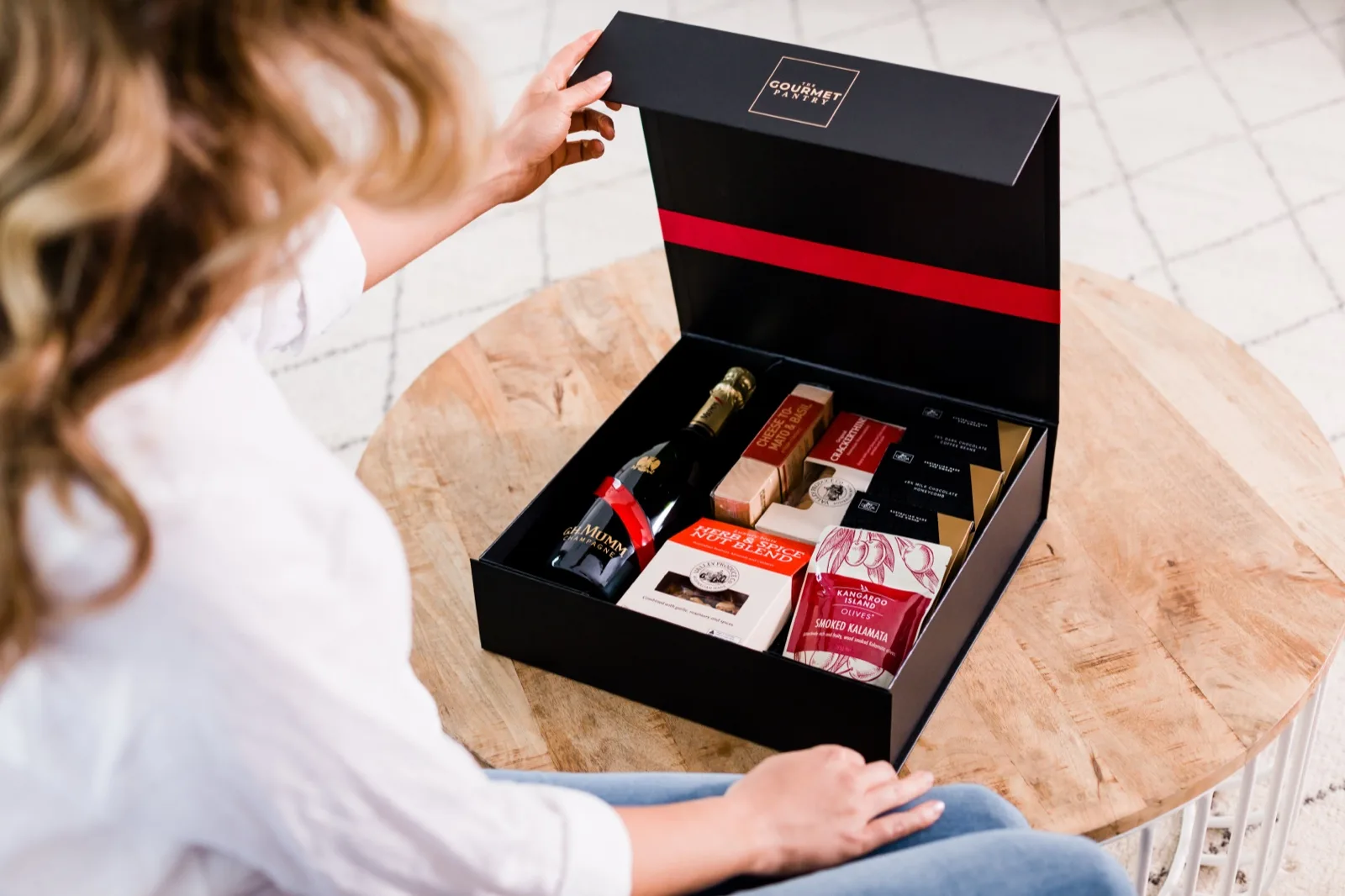
Sort by behaviour, not by price
Most hamper lists are shopping lists. This one is written from the packing bench. We hand-pack every hamper in Geelong, and four questions decide what goes in a box and where it sits: does it keep, does it crush, does it melt, does it leak.
An Australian Christmas is the hard version of that problem. A gift posted from Melbourne to Broome in the third week of December sits in a warehouse, then a van, then a front porch, and a van parked in the sun on a 35 degree day is hotter inside than the forecast. Build your list with that in mind and the box arrives looking the way it looked in your head. If you would rather not think about it at all, our Christmas hampers are packed to that standard already.
What keeps: jars, tins and anything sealed
Sealed, shelf-stable food is the backbone of a good hamper. It is unbothered by a 40 degree Tuesday, it does not have to be eaten the day it lands, and it still reads as a treat in February when the tin finally comes down off the shelf.
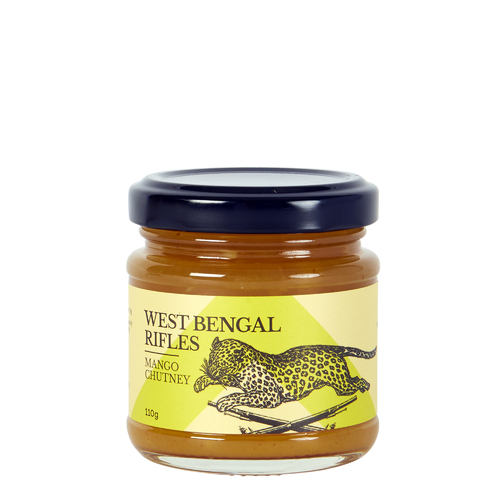
Start with olives and antipasto. A jar of kalamatas, some sun-dried tomatoes and a tapenade give you the savoury half of a cheese board with nothing needing a fridge until the lid comes off. Add a condiment or two in small jars: a 110g mango chutney is lighter and easier to fit than a 300g jar, and two small jars look more generous in the box than one big one. Then a tin or tube of shortbread, a bag of nuts, and honey or a good olive oil if the budget stretches.
Weight is the catch. Glass adds up fast, so three or four jars is the ceiling for a standard hamper, and keeping them roughly the same height lets the layer above sit flat instead of tipping.
This is also where the one item they would not buy for themselves usually lives. A 250ml bottle of properly aged balsamic, a single origin olive oil, a jar of rose harissa: none of it needs a fridge, all of it keeps, and it is the part of the hamper people remember, because it stays in the cupboard being used long after the biscuits are gone.
What crushes: crackers, biscuits and anything with air in it
Crushing, not melting, is the most common way a hamper disappoints. Thin crackers, seeded crisps and delicate biscuits are the first casualties, and a box that rattles when you shake it has usually already lost one of them.
Three fixes, in order of how much they help. Buy the boxed version rather than the bag where there is one, because the box is doing real structural work. Pack fragile things at the top and stand them on edge rather than flat, so pressure runs down the strongest axis. And fill every gap, because movement, not weight, is what breaks a cracker. A hamper packed tight travels better than a hamper packed neatly but loose.
Jen's Melting Moments are a good illustration of the trade-off. They are soft, buttery and worth the trouble, and they need to sit on top with something soft around them. A shortbread tin will take the same journey with nothing done for it at all. Both belong in hampers. Only one of them can go at the bottom.
What melts: chocolate, and the things to send instead
Chocolate softens in the low 30s. That is not a fault in the chocolate, it is cocoa butter behaving exactly as cocoa butter does, and in December it means a bar posted interstate can arrive set into a new shape, wearing the pale bloom that follows melting and re-setting. It is still good to eat. It just stops looking like a present.
None of that is an argument for leaving chocolate out. A short trip, a mild week and a full box all change the odds, and chocolate rides much better in the middle of a tightly packed hamper than loose against a wall of the carton where the heat gets in first. One review of a hamper sent to a remote part of the Northern Territory in the middle of a heat wave notes that the chocolate arrived unmelted. But when the box is going a long way, into a hot part of the country, to a house where nobody will be home until evening, weight the sweet half of the hamper towards sweets that hold their shape.
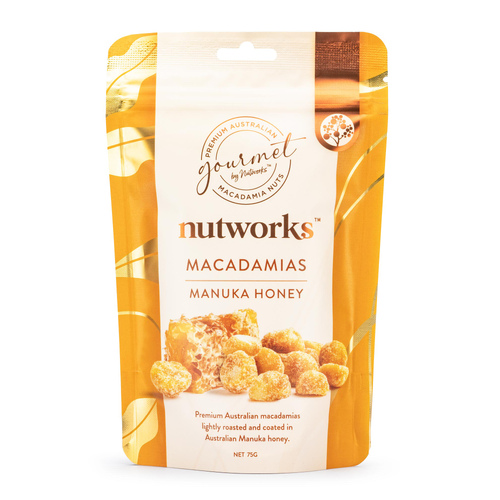
The dependable ones: honey or caramel coated nuts such as Nutworks manuka honey macadamias, Turkish delight, boiled sweets, shortbread, gingerbread, fruit paste and dried fruit. Nougat and brittle sit in the middle, fine in dry heat and tacky in humidity. Chocolate coated anything counts as chocolate, including the liquorice bullets and the chocolate almonds.
What spoils: the test that comes before the other four
All of the above assumes shelf-stable food. The quickest way to ruin a hamper is to include something that needs a fridge and then hand it to a courier. Fresh fruit, soft cheese, deli meats, cream filled chocolates and homemade preserves in a jar that was not properly sealed all belong in a hamper you are carrying to the table yourself, not one going into the freight network for three days in December.
If the recipient is local and you are delivering it by hand, ignore that completely and put the good cheese in. If it is going interstate, buy the accompaniments and let them buy the cheese. Crackers, fruit paste, olives and a chutney all arrive intact, and the fresh half is a ten minute trip to their own shops on the day.
The quick sort
| Behaviour | What it covers | How we pack it |
| Keeps | Olives, chutney, oil, honey, nuts, shortbread tins | Bottom of the box, upright, heaviest in the middle |
| Crushes | Crackers, seed crisps, soft biscuits, gingerbread | Boxed versions, top layer, on edge, gaps filled |
| Melts | Chocolate, truffles, anything chocolate coated | Centre of the box, away from the walls, or swapped out |
| Leaks | Oils, dressings, sauces, honey, anything with a spout | Upright at the bottom, seal checked, wrapped in tissue |
| Spoils | Fresh fruit, soft cheese, deli meat, cream fillings | Hand delivered hampers only, never posted |
Gift ideas that survive the trip.
Christmas ordering reminders and new arrivals, one email when it matters. Unsubscribe any time. Recipes, new arrivals and gourmet gifting ideas from The Gourmet Pantry. No spam, unsubscribe any time.
What leaks: oils, dressings and anything with a pouring spout
Leaks are rare and memorable. The offenders are always the same: a dressing or oil with a pour spout under the cap, honey that went in warm, and any jar that has been opened once and screwed back on by hand. This is why jars go at the bottom of the box. Partly it is weight, so nothing heavy ends up sitting on the biscuits. Partly it is insurance. If something does weep, it weeps into cardboard instead of through a shortbread tube.
Two more habits worth copying. Keep bottles upright, never on their side, even in a hamper you are hand delivering across town. And put a layer of tissue or shred between glass and everything else, so a lid that loosens in transit does not become the first thing the recipient sees.
If you are posting it yourself
A hamper built at home needs a second box around it. Pack it the way you want it opened, then sit that box inside a carton with 3 to 4cm of shred or crumpled paper on every side, underneath included, because most transit damage comes up through the base when a load is set down hard. Tape the seams, mark it this way up on two faces, and write the address on the carton as well as on the label, since labels peel in heat.
Timing does as much work as packing. Post early in the week so the parcel is not sitting in a depot over a weekend, and if the recipient works during the day, send it to their workplace or leave delivery instructions. A box left in the afternoon sun on a west facing porch undoes everything you did inside it. Ordering direct skips the double boxing entirely, since our hampers ship in the carton they were packed in.
Making it look like a present
An expensive looking hamper is mostly a packing job. Fewer, larger items beat a scatter of small ones. Give the box one hero, stand it tall at the back, then step the heights down towards the front so everything is visible the moment the lid comes off. Hold the colours to two or three. Turn every label to face out. Take anything out of supermarket branded packaging. Fill the gaps with shred and then press down, because a full box looks considered and a loose box looks like a delivery.
If you are building the savoury half around cheese, our cheese board guide covers what to buy for it. For a longer list sorted by who is receiving it rather than how it travels, start with our Christmas gift guide for foodies.
Questions we get asked
What do you put in a Christmas hamper?
A savoury opener such as crackers, olives and a condiment. Something sweet. One item the person would never buy for themselves. Something to drink, if the budget allows. After that, choose for the household: a family box wants volume and things to share, while a hamper for one person is better as three very good items than eight ordinary ones.
What food can you put in a hamper that will not melt?
Honey coated and salted nuts, shortbread and hard biscuits, boiled sweets, Turkish delight, fruit paste, dried fruit, crackers, and anything sealed in a jar or bottle. All of those handle an Australian December without help. Chocolate, truffles and chocolate coated fruit are the ones to think twice about when the box is heading somewhere hot.
How do you make a hamper look expensive?
Height, restraint and a full box. One hero item at the back, two or three colours, labels facing forward, no supermarket packaging, and enough shred that nothing shifts in transit. Restraint reads instantly: four things someone will genuinely use look better than ten fillers, and a ribbon tied by hand beats a printed bow every time.
What is usually in a food hamper?
Crackers or flatbreads, olives or antipasto, a chutney or relish, biscuits or shortbread, chocolate or sweets, nuts, and often tea, coffee or a bottle of wine. Ready made gourmet hampers follow that pattern because it works: something to open with, something to spread it on, something sweet, something to drink.
Build your own from the list above, or start with a box that has already made this trip more times than we can count. Our Christmas hampers are hand-packed in Geelong, and shipping is free Australia-wide on orders over $100. Order early for regional and interstate addresses, because December freight slows down long before the shops do.
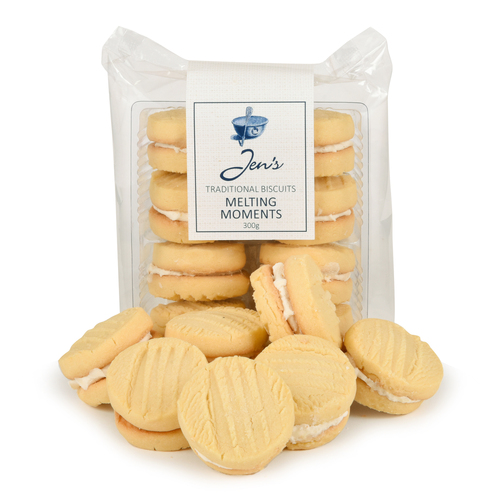
Jens Traditional Melting Moments 300g
$9.95
Hand-packed and dispatched from our Corio, Victoria warehouse, with free delivery Australia-wide on orders over $100.
More from the blog.
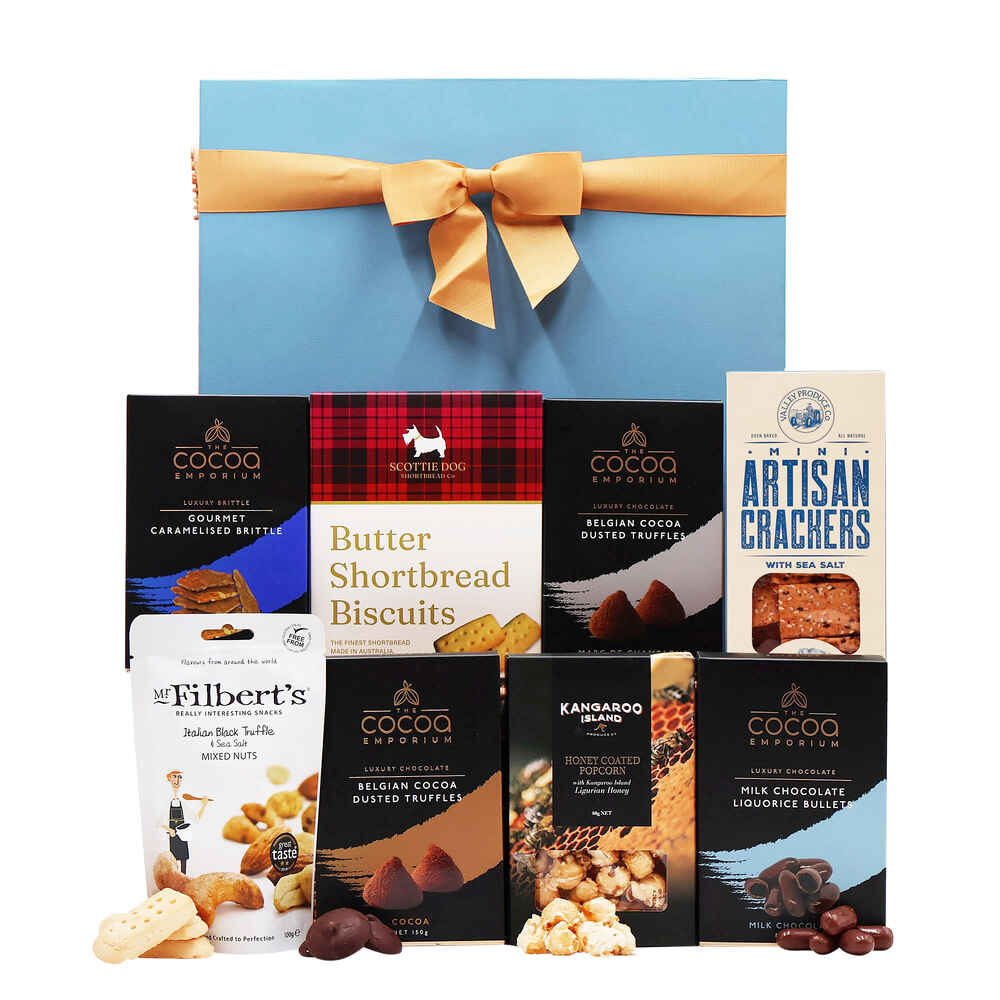
The Foodies Hamper: Eight Items, and What a Cook Does With Each
Eight packets, six of them sweet, and not a jar of anything in sight. What is actually in the box, and what somebody who cooks can do with each item once the ri
Read now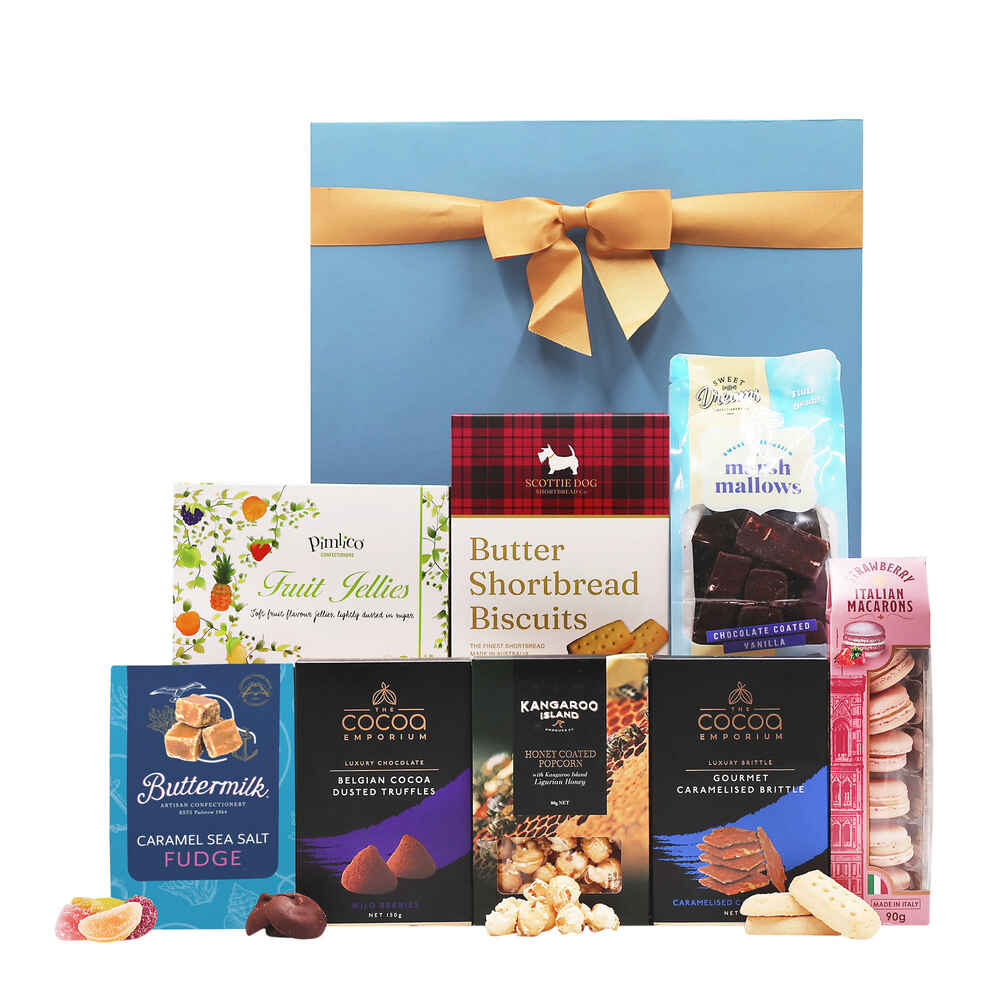
The Sweet Treats Hamper: The Kids-and-Grandparents Pick
Eight sweet packets that open by hand and sit on a table at room temperature, which is why this box works when a six-year-old and a grandparent have to be pleas
Read now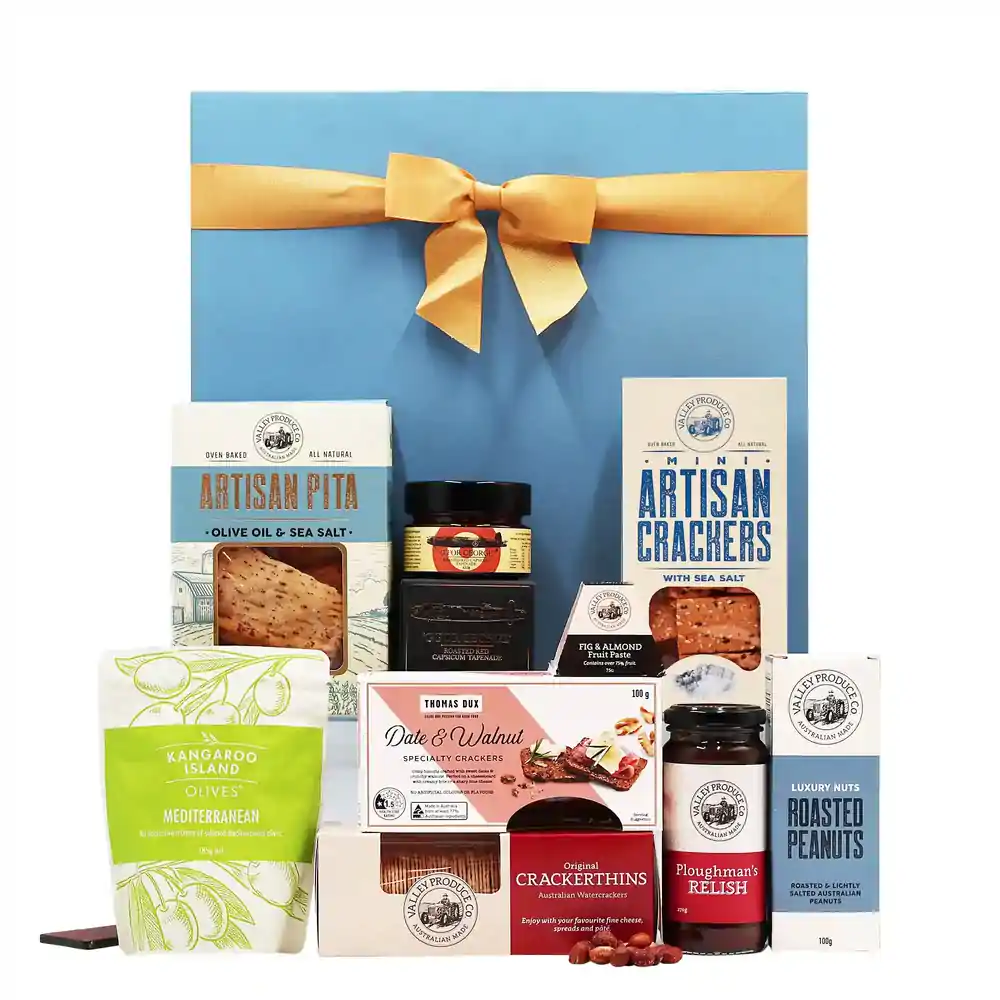
Just Add Cheese: Which Cheeses to Buy for the Hamper
Nine pantry items arrive and the cheese is yours to buy. Three cheeses, about 600g between them, and the box itself tells you which ones to ask for at the count
Read now