
Balsamic Strawberries With Shortbread and Cream
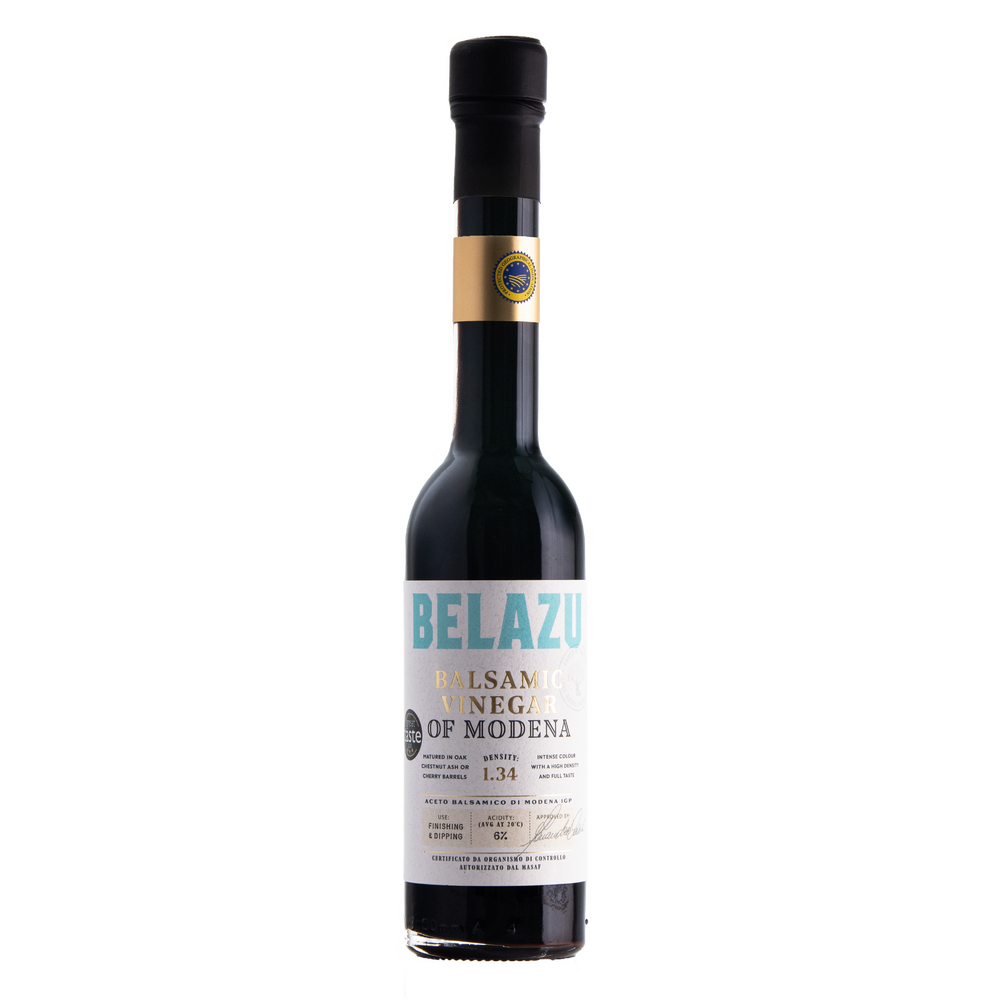
BELAZU Balsamic Vinegar of Modena 250ml Density 1.34 (250g)
$49.95
Hand-packed and dispatched from our Corio, Victoria warehouse, with free delivery Australia-wide on orders over $100.
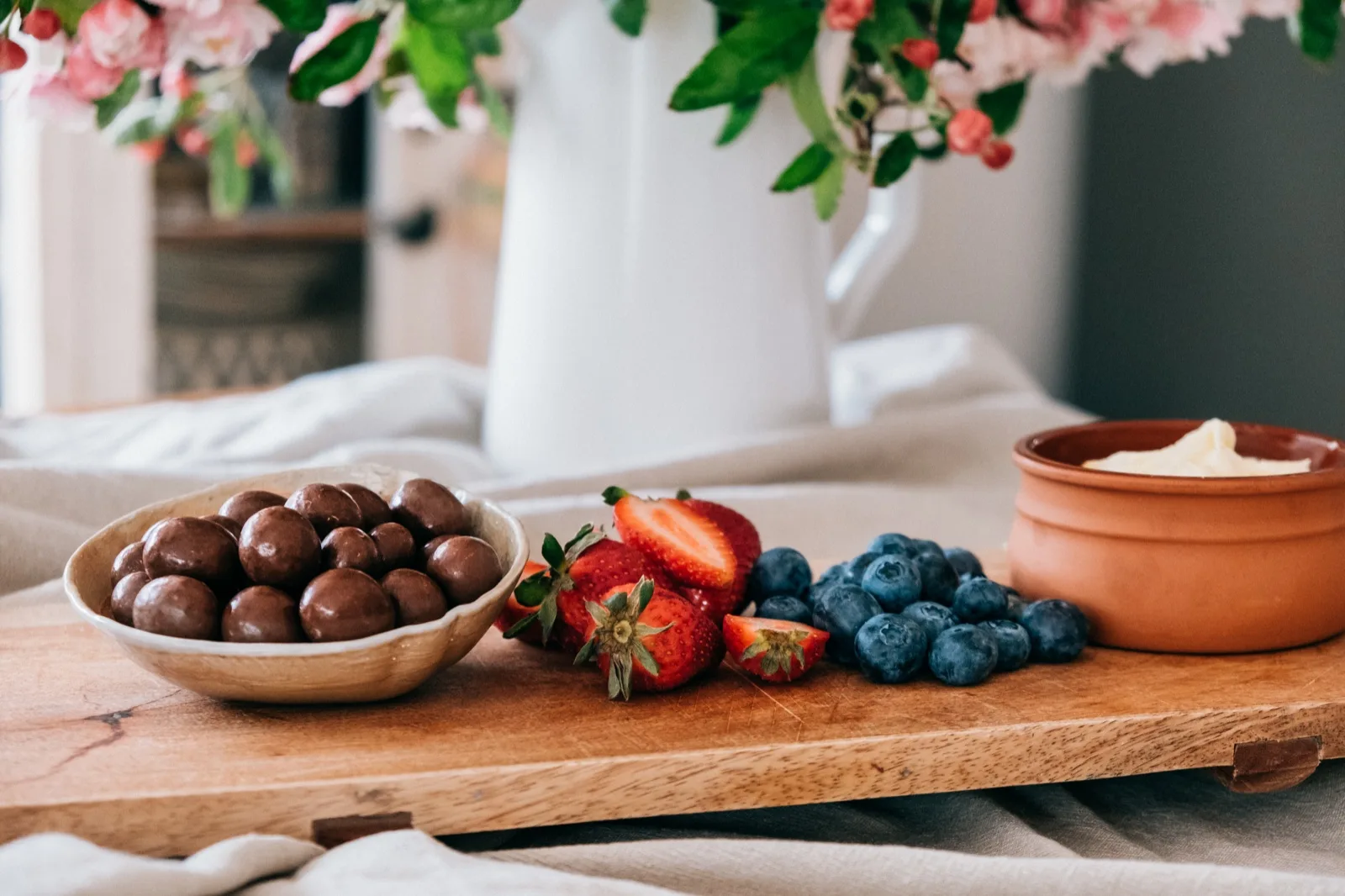
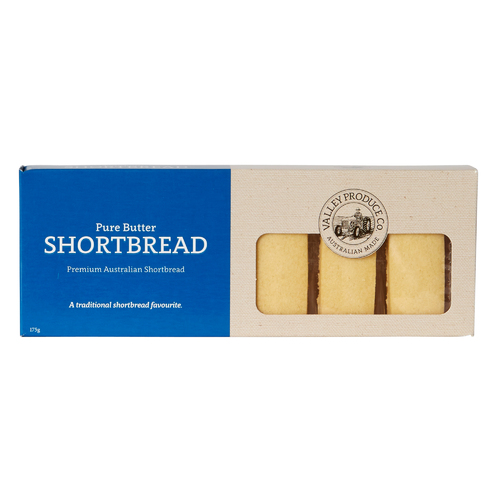
Balsamic strawberries need ten minutes of work and fifteen minutes of waiting. Halve the berries, toss with a little sugar and salt, spoon over aged balsamic and leave them alone. The syrup makes itself. Serve with whipped cream and butter shortbread. Serves 4.
The vinegar is the recipe here, so it is worth naming the bottle. Belazu Balsamic Vinegar of Modena is sold on its density, and the number is printed on the label: 1.34. Density is thickness measured against water, so 1.34 means this vinegar is roughly a third denser than water. That comes from the proportion of cooked grape must in the bottle, which is also where the sweetness comes from. In practice it means the vinegar clings to the back of a spoon rather than running off it.
Which is why there is no saucepan in this recipe. Most balsamic strawberry recipes open by telling you to reduce the vinegar into a glaze, and that instruction exists because most balsamic is thin, sharp and cheap. Boil a bottle like this one and you drive off the aromatics you paid for, and at $49.95 for 250ml that is an expensive way to make sugar syrup. Fifteen minutes on the bench does what the pan cannot, because the syrup you actually want is mostly strawberry juice. The rest of the range sits on the Belazu page.
Method
Method
- Hull the strawberries and halve them, quartering any that are bigger than a walnut. Keep the pieces a similar size so they give up their juice at the same rate.
- Scatter over the caster sugar and the pinch of salt, then turn the fruit gently with your hands until every cut face is dusted.
- Spoon the balsamic over the top and turn the bowl once more. Go gently: berries that split will collapse into mush before they get to the table.
- Leave the bowl on the bench, uncovered, at room temperature for 15 minutes. The sugar and salt draw juice out of the fruit, the juice meets the vinegar, and that is your syrup.
- Whip the cream to soft peaks while you wait, with no sugar in it. The cream is the flat, cold note that the balsamic needs to lean against.
- Taste a berry at 15 minutes. Add a few more drops of balsamic if it is shy, another pinch of sugar if the fruit was picked early, and grind over the pepper if you want the edge.
- Tear in the basil or mint at the last moment, if you are using it. Torn early it goes black and tastes of nothing.
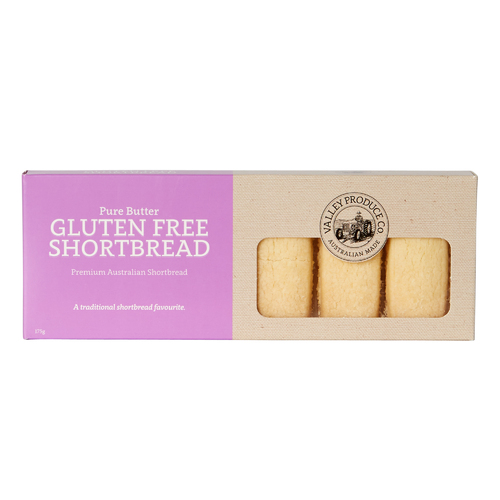
- Spoon into bowls, syrup and all, with the cream in the middle and the shortbread on the side rather than under the fruit, so it is still crisp when it gets there.
Make it ahead, or do not
This is not a make ahead dessert, and that is the one inconvenient thing about it. You can hull and halve the fruit up to four hours before, covered in the fridge, and you can whip the cream an hour out and keep it cold. Everything after that happens in the last twenty minutes. If you need a pudding that genuinely waits on a bench all afternoon, the options in easy Christmas desserts hold up better.
The syrup left in the bowl is the best part of the whole thing, so do not tip it down the sink. Spoon it over vanilla ice cream, stir it through ricotta with a little honey, or shake one part syrup with three parts extra virgin olive oil for a dressing that will carry a bitter leaf salad. The oils that suit it are in olive oil and vinegars.
Questions we get asked
Why do you put balsamic vinegar on strawberries?
For sweetness and acidity at the same time. A ripe strawberry is mostly sugar and water, and aged balsamic gives it a deeper, cooked sweetness plus enough sourness that the bowl does not taste flat. It is also the best thing you can do to underripe fruit: berries picked early taste far more of themselves after fifteen minutes in balsamic than they ever will raw.
What does the density number on balsamic vinegar mean?
It is thickness measured against water, which sits at 1.00. A density of 1.34 means the vinegar is about a third denser, and that density comes from how much cooked grape must is in the blend rather than wine vinegar. More must means thicker, sweeter and less sharp. It tells you more about how a balsamic will behave on a plate than anything else on the front label.
Do you need to reduce balsamic vinegar into a glaze?
Not with a balsamic this dense. Reducing is a repair job for a thin one: simmer 250ml of an ordinary balsamic with a tablespoon of sugar for about 10 minutes until it coats a spoon, then let it cool, remembering that it keeps thickening as it cools. At density 1.34 you are already starting where the pan would finish, so all the heat can do is cost you the aroma you bought the bottle for.
How long should strawberries sit in balsamic?
Fifteen minutes at room temperature is the sweet spot. Ten is enough for very ripe fruit, twenty suits berries that were picked early. By forty minutes the cut faces have gone soft, and by an hour the bowl is more juice than fruit. Do not macerate in the fridge, because cold fruit releases its juice slowly and tastes of less when it does.
One bottle covers a whole summer of this: a spoonful over strawberries, another over tomatoes and mozzarella, a few drops on shaved parmesan. It sits with the rest of the Belazu range, and the savoury end of the same shelf is covered in our guide to Belazu tagine paste. Buying it for someone else, the oil and vinegar gift set at $99.95 puts it in a box alongside the olive oil, and there are more food gifts on the Christmas hampers shelf. Shipping is free Australia-wide on orders over $100.
Products in this recipe
More recipes.

Gymkhana Butter Chicken Chops
The signature dish from Ambassador's Clubhouse, Gymkhana's sister restaurant in London. Bone-in chicken thigh cutlets are coated in tandoori marina
View recipe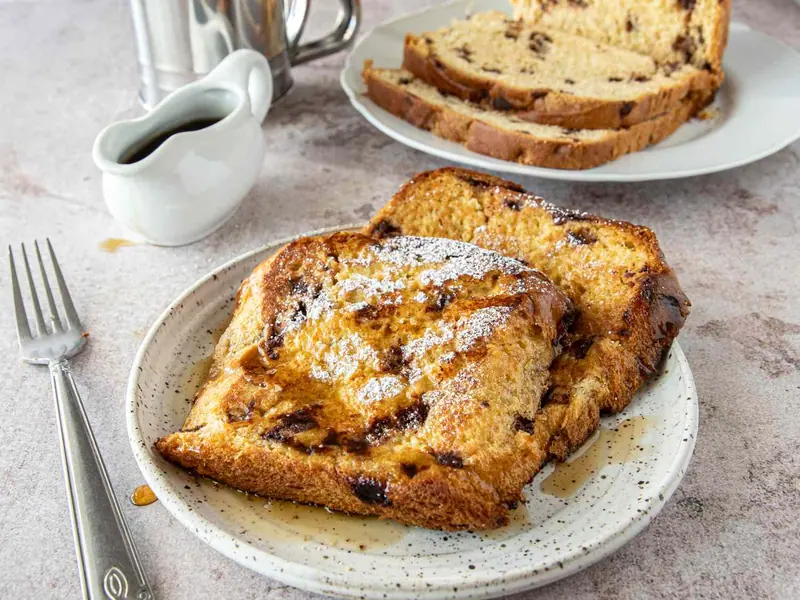
Panettone French Toast
The candied peel and butter already in panettone do most of the work here, so the custa
View recipe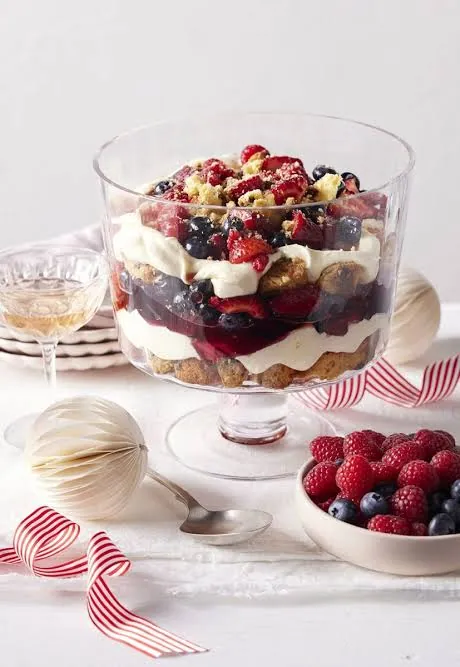
Panettone Trifle
Trifle is the easiest place to put leftover panettone . It replaces the sponge entirely,
View recipeNew recipes, first.
Recipes, new arrivals and gourmet gifting ideas from The Gourmet Pantry. No spam, unsubscribe any time.