
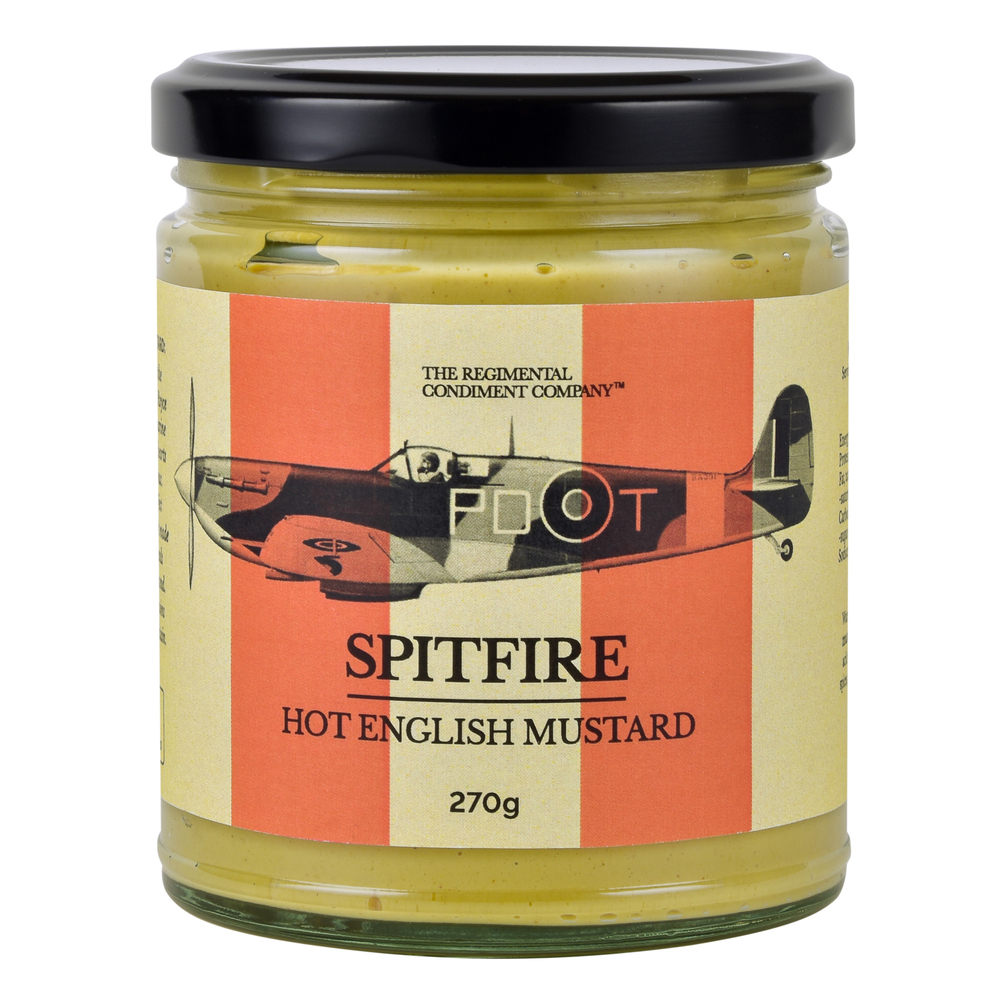
Mustard Crusted Roast Beef Sirloin
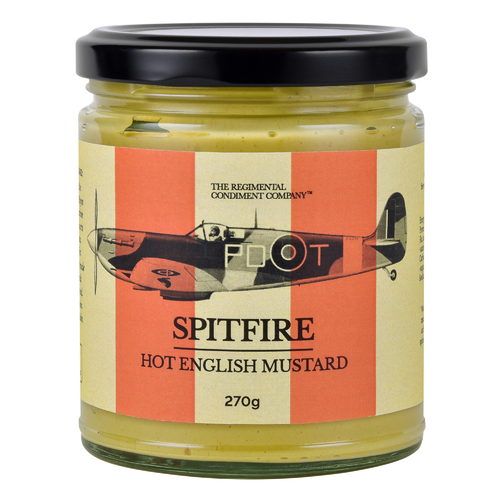
TRCC Spitfire Hot English Mustard 270g
$12.95
Hand-packed and dispatched from our Corio, Victoria warehouse, with free delivery Australia-wide on orders over $100.
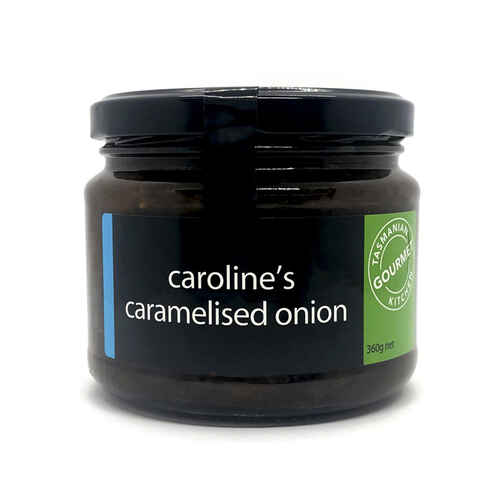
A sirloin roasted under a crust of hot English mustard, breadcrumbs and rosemary, carved pink and served with caramelised onions. Fifteen minutes of work at the front, fifty in the oven, then 25 minutes of resting that does more for the meat than anything else you can do to it. Serves 6.
Method
Serves 6. Prep 15 minutes. Cook 50 minutes, plus 25 minutes resting.
- Take the sirloin out of the fridge an hour before it goes in the oven.
- Heat the oven to 220 degrees, or 200 fan.
- Pat the beef dry with paper towel, rub it all over with the oil and season heavily with salt flakes and pepper.
- Sear it on every side in a heavy pan over a high heat until browned, about 6 minutes in total.
- Sit the joint fat side up in a roasting tin while you make the crust.
- Mix the mustard, breadcrumbs, chopped herbs and 1 tbsp of oil into a thick paste.
- Press the paste over the top and upper sides of the beef in an even layer about 5mm thick.
- Roast at 220 degrees for 15 minutes, then turn the oven down to 180 degrees without opening the door.
- Roast for a further 30 to 35 minutes, until a thermometer pushed into the centre reads 52 degrees.
- Lift the beef onto a warm board, tent it loosely with foil and rest it for 25 minutes.
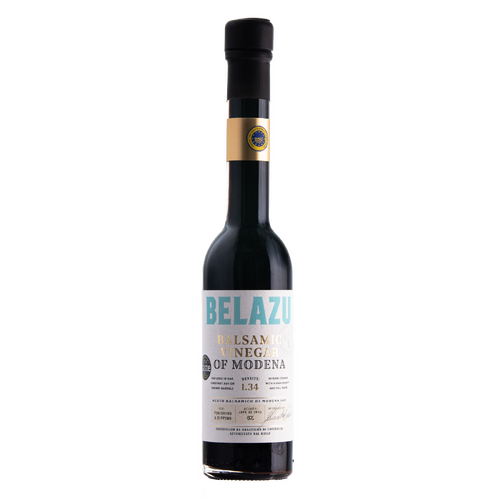
- Pour the resting juices back into the roasting tin with the balsamic, set it over a low heat and scrape the base.
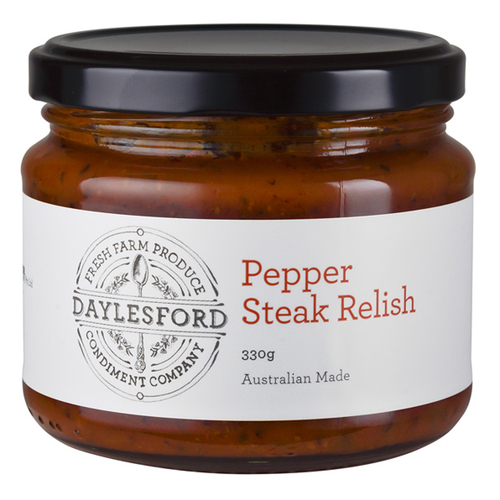
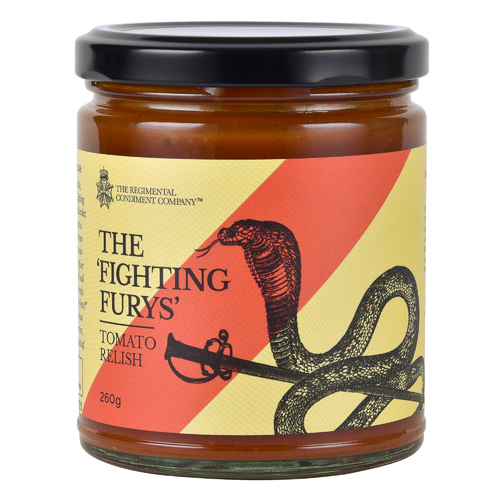
- Carve across the grain into slices about 5mm thick and serve with the pan juices, the warmed onions and the two relishes.
Why hot English mustard works as a crust
The heat in Spitfire is volatile. It comes from compounds that form when mustard seed meets water, and heat drives them off, which is exactly what you want. Raw, it is fierce enough to make your eyes water. After 50 minutes in a hot oven the fire is gone and what is left is the savoury, slightly bitter flavour pressed into the outside of the meat.
The breadcrumbs are not filler. Mustard on its own slides off a searing hot joint and pools in the tin. Bound with crumbs and oil it holds its shape, toasts, and gives a crust with texture against the soft fat cap. Sugar is what burns in a crust, and this mustard carries very little, which is why a jam glaze goes on in the last five minutes while this one goes on at the start.
If you are choosing between jars, four mustards and what they are for sets out where each one belongs, and which sauce goes with which meat covers the rest of the condiments shelf. The whole Regimental Condiment Company range is made in Australia from local and imported ingredients.
Leftovers
Cold roast beef with mustard on white bread is the reason to cook a joint larger than you need. Keep what is left in one piece until you want it, because a whole piece dries out far more slowly than slices do. Cold sirloin and pepper steak relish on toasted sourdough with a fried egg is a better Boxing Day breakfast than anything you will plan in advance, and it belongs with the rest of a festive entertaining table.
Common questions
How long do you rest a roast sirloin?
Twenty five to 30 minutes for a joint of this size, loosely tented with foil, never wrapped tightly or the crust goes soft. Resting is not optional. Carve straight from the oven and the juices run onto the board and the meat goes grey, because the fibres are still contracted and holding no moisture. Twenty five minutes on a warm board is long enough for that to relax and short enough that the beef is still hot at the table.
What internal temperature is medium rare beef?
Pull the joint out at 52 degrees in the thickest part and it will carry on cooking as it rests, settling at about 55 to 56 degrees, which is medium rare. For medium, pull it at 57 and let it rest to about 60. A digital probe is the only way to know this rather than guess, and on a joint that costs what a sirloin costs it is cheap insurance. Take the reading in the centre of the thickest end, not near the fat cap.
Can hot English mustard be used as a crust without burning?
Yes, and it is one of the few strongly flavoured condiments that can go on at the start rather than the end. Burning in a crust is almost always a sugar problem, and this mustard is mostly water, mustard seed, salt and a little sugar. Bind it with breadcrumbs and oil so it sits in a layer rather than a puddle, and if the crust is colouring faster than the meat is cooking, lay a piece of foil loosely over the top for the last 10 minutes.
Products in this recipe
More recipes.
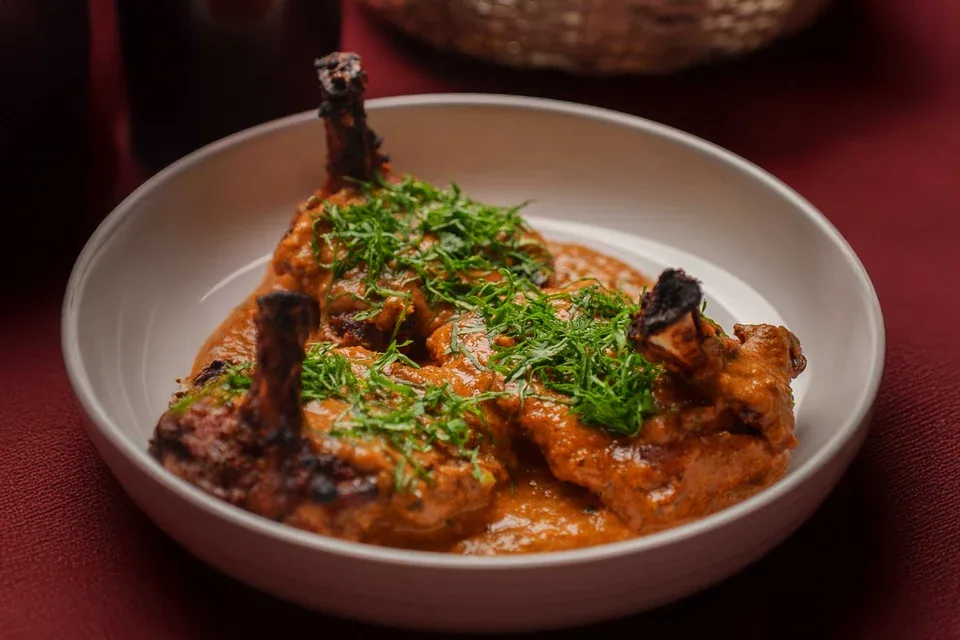
Gymkhana Butter Chicken Chops
The signature dish from Ambassador's Clubhouse, Gymkhana's sister restaurant in London. Bone-in chicken thigh cutlets are coated in tandoori marina
View recipe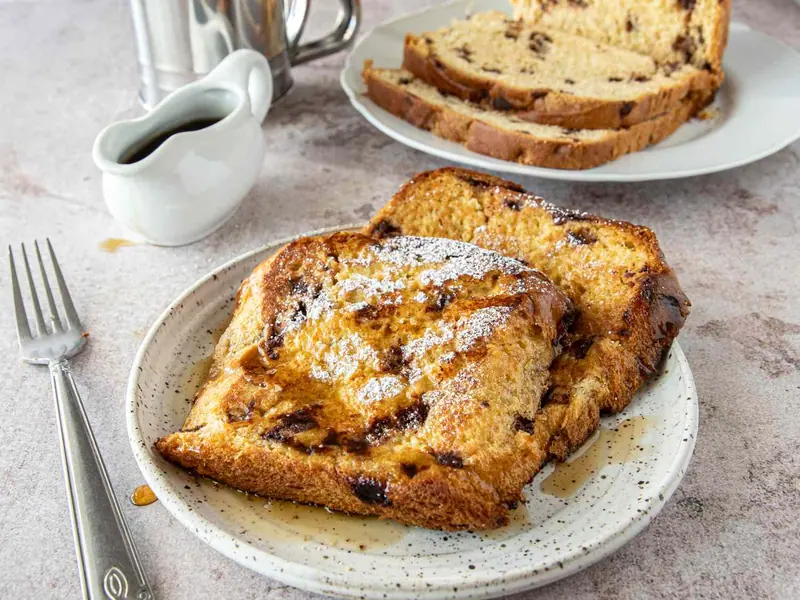
Panettone French Toast
The candied peel and butter already in panettone do most of the work here, so the custa
View recipe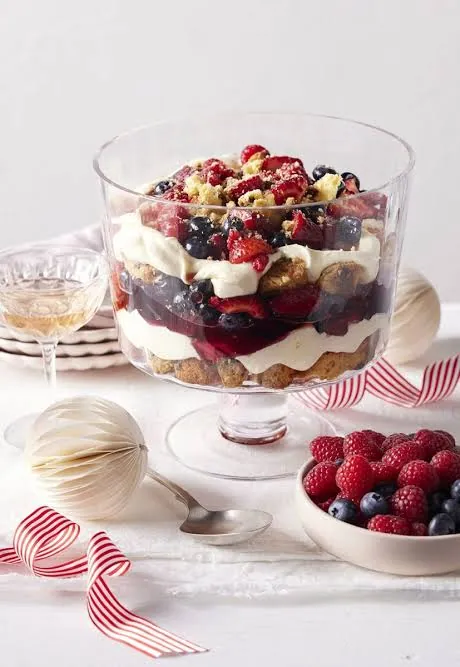
Panettone Trifle
Trifle is the easiest place to put leftover panettone . It replaces the sponge entirely,
View recipeNew recipes, first.
Recipes, new arrivals and gourmet gifting ideas from The Gourmet Pantry. No spam, unsubscribe any time.