
Hot English, Dijon, Seeded and Honey Mustard: Four Jars, Four Jobs
By Jodie Smith, Product & Hamper Manager at The Gourmet Pantry.
Hot English mustard is for heat, in small amounts, on cold roast beef. Dijon is the all-rounder for dressings, mayonnaise and pan sauces. Seeded mustard is for texture, with cured meats and sausages. Honey mustard is the sweet one, for sandwiches and cold cuts.
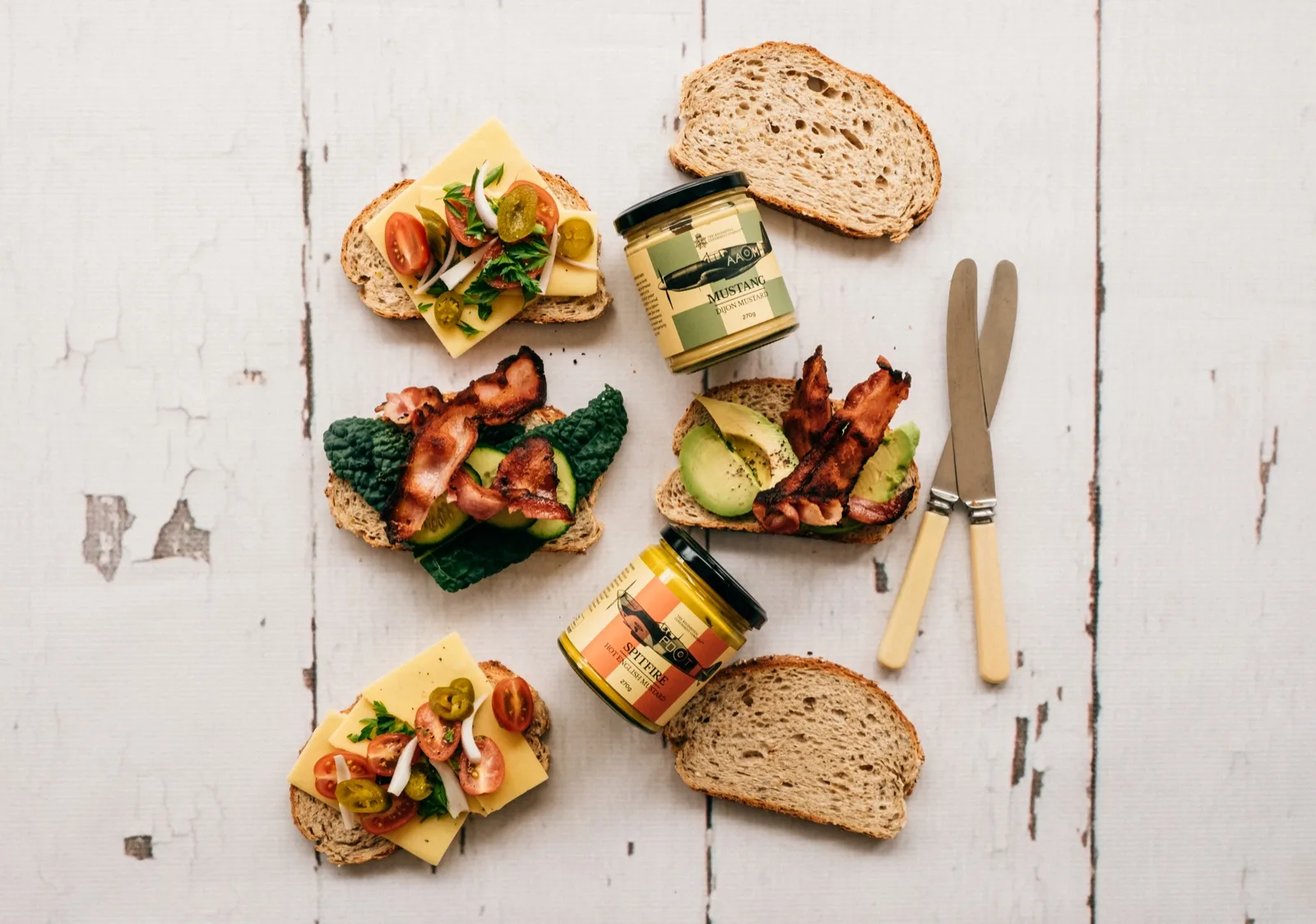
Most fridge doors hold one jar of mustard, opened last year and used for one thing. Four sounds excessive until you notice they are not really the same condiment. One is a hot sauce, one is an emulsifier, one is a texture, and one is closer to a chutney.
Four jars, four jobs
The four we range come from The Regimental Condiment Company, which names its jars after wartime aircraft: Spitfire, Mustang, Lancaster, Hurricane. It is a gimmick that happens to be useful, since once you know the names you stop staring at four near-identical labels.
| Mustard | Heat | What it is for | Sizes we range |
|---|---|---|---|
| Spitfire hot English | Fierce, over in a minute | Cold roast beef, ham, mash, cheese sauce | 110g and 270g |
| Mustang Dijon | Medium, steady | Vinaigrette, mayonnaise, pan sauces, roast beef | 110g and 270g |
| Lancaster seeded | Mild, tangy | Cured meats, sausages, potato salad, marinades | 110g |
| Hurricane honey mustard | Gentle, sweet | Sandwiches, cold cuts, slaw, chicken | 110g |
The 110g minis are $6.95 and the 270g jars are $12.95, so all four cost less than a bottle of decent wine and last a great deal longer.
Spitfire hot English: heat, and not much else
English mustard is the loud one. It is ground from a hotter seed blend, and the burn goes up the nose rather than across the tongue, arrives within a second and is gone within a minute. That short life is the point. It clears a mouthful of cold fatty meat and then gets out of the way, which is why Spitfire hot English mustard belongs beside roast beef and cold ham rather than inside a sauce.
Use it in a smear, not a spoonful. Two places it earns its keep away from the plate: a teaspoon stirred into cheese sauce before the cheese goes in, which sharpens the whole thing without tasting of mustard, and the same amount through mashed potato served with sausages. Keep it out of a long simmer, though. The heat cooks off and the bitterness stays.
Mustang Dijon: the one you cook with
If you keep only one, keep this one. Dijon is ground fine and made with wine or verjuice rather than water, so it tastes savoury and sharp, with warmth that sits rather than spikes. It is also an emulsifier, which is the quiet reason every dressing recipe asks for it: half a teaspoon holds oil and vinegar together long enough to reach the salad.
The working ratio is one part vinegar to three parts olive oil with half a teaspoon of Mustang Dijon mustard, salt, and a hard shake in a jar. From there it goes into mayonnaise, into a pan sauce with the sticky bits left after chicken thighs, and onto a sausage. The maker's own note calls it "sublime on a sausage, magnificent in mayonnaise", which is showing off, and also correct.
Lancaster seeded: texture first
Wholegrain mustard is milder than Dijon, not hotter, because the seeds stay whole and most of the heat stays locked inside them. What you get instead is texture and a tangy finish. Lancaster seeded mustard is built for cured meats, sausages, dressings and marinades, and it is the one to reach for when the mustard needs to be visible: through warm potato salad, folded into creme fraiche for smoked fish, spread under the crumb on a rack of lamb.
It is also the friendliest jar on a cheese plate, for the same reason a good tomato relish works there: grainy, sweet-sour and slow, sitting beside cheddar without demanding anything of the person eating.
Hurricane honey mustard: the sweet one
Hurricane honey mustard is the newest of the four and the jar that converts people who say they do not like mustard. It is aimed squarely at cold meats and sandwiches: sweet first, mustard second, no real burn. Put it out when there are children at the table; it empties faster than the other three.
Two jobs beyond the sandwich. Whisk it with oil and cider vinegar for a slaw dressing that suits roast pork. Brush it over chicken pieces or chipolatas for the last 10 minutes at 200°C and no earlier, because honey catches quickly. For honey and heat in one spoon, stir a little Spitfire into it, roughly one part to four: a honey hot mustard, sweet going in and sharp on the way out. There is a pourable honey mustard dressing as well, good over char-grilled chicken salad.
And the one for the ham
Hot English is the traditional partner for cold ham and honey mustard is the version everyone else will reach for, so put out both in small jars and let people choose. Seeded comes into its own the next day, in a sandwich. Keep mustard off the glaze itself, which is a sugar job; there is a separate piece on how to glaze a Christmas ham that covers it properly.
Ideas for the jars in the fridge door.
Christmas ordering reminders and new arrivals, one email when it matters. Unsubscribe any time.
Mini jar or full jar
The choice is less about value than about how the jar gets used. A 110g mini is a table jar: out for one lunch, passed around, back in the fridge door, finished while it still tastes of something. The honey mustard mini is a December jar for us, bought for hampers and the cold-cuts table, while the full-size Dijon sells steadily all year to people cooking with it rather than serving it.
So: minis for the table and for gifts, 270g jars for the two you cook with. The rest of the shelf sits with our gourmet condiments, and the jars that earn a place on a December table are gathered under festive entertaining essentials. Small jars travel better than almost anything else in an Australian summer, which is why so many go into the Christmas hampers we pack by hand in Corio, just outside Geelong. Shipping is free Australia-wide on orders over $100, and weekday orders placed before 12pm are dispatched the same day. The journey after that is Australia Post's, so December orders want a week of margin.
Mustard questions we get asked
What is the difference between Dijon and English mustard?
Dijon is ground fine and made with wine or verjuice, so it tastes sharp and savoury with a steady warmth that stays on the tongue. English mustard uses a hotter seed blend and hits the nose instead, arriving in a second and fading inside a minute. Dijon is the one to cook with, in dressings, mayonnaise and pan sauces. English is the one to serve in small amounts alongside cold meat.
Is seeded mustard hotter than Dijon?
Usually the opposite. Wholegrain mustards keep the seeds intact, so much of the heat stays inside them and the flavour reads as tangy and textured rather than hot. Dijon is ground fine, which releases more of that heat into the paste. For mild and interesting, choose seeded. For warmth that carries through a cooked sauce, choose Dijon.
How long does an open jar of mustard last?
Refrigerate it once opened and go by the label on your jar. Mustard keeps better than most condiments, since vinegar and mustard seed are both hostile to spoilage, but it loses heat and colour over time. A jar gone dull and mild is not unsafe, it has simply stopped being interesting. Use a clean dry spoon each time, and buy the size you will finish.
Where to start
Two jars cover most of it: a Dijon for cooking and a hot English for the table. Add seeded for potato salad, and honey mustard when there are sandwiches to build. All four come from The Regimental Condiment Company, on the same shelf as the rest of our gourmet condiments.
Four open jars in a fridge door is not excess. It is four different answers to the question of what the plate is missing.
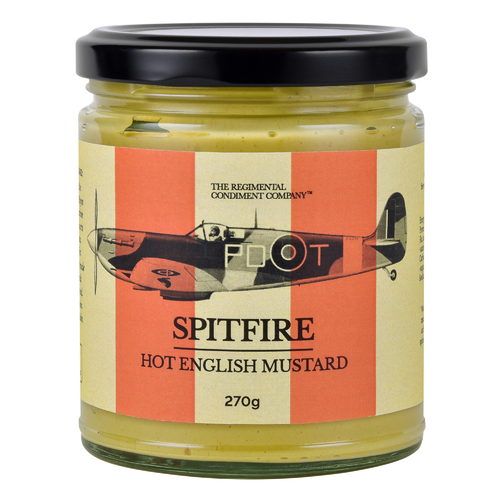
TRCC Spitfire Hot English Mustard 270g
$12.95
Hand-packed and dispatched from our Corio, Victoria warehouse, with free delivery Australia-wide on orders over $100.
More from the blog.
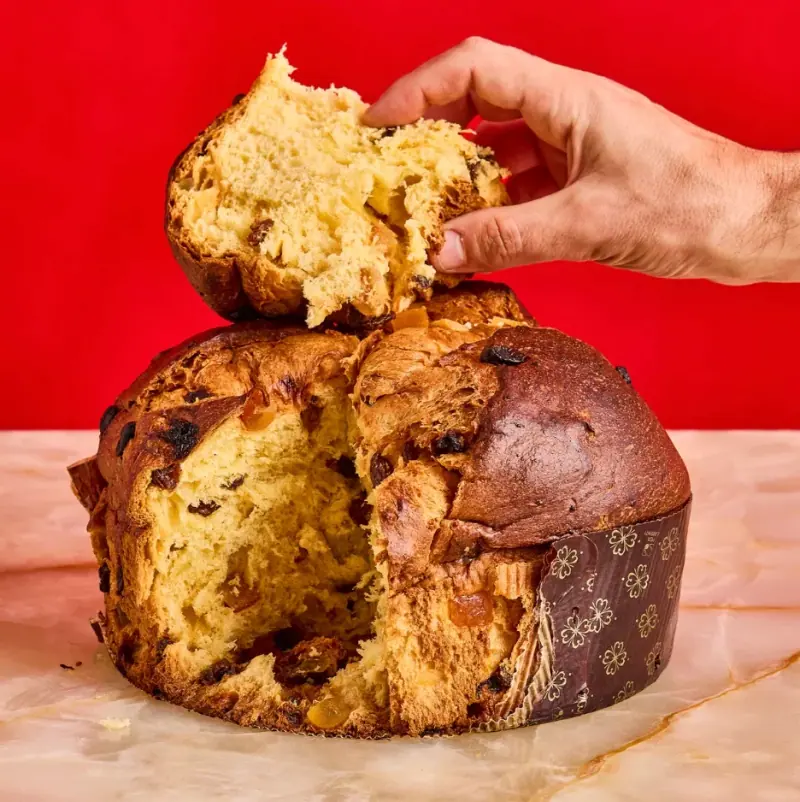
What Is Panettone?
A tall, domed Italian Christmas bread made over three days with a living sourdough starter. Here is what separates a good panettone from a cheap one.
Read now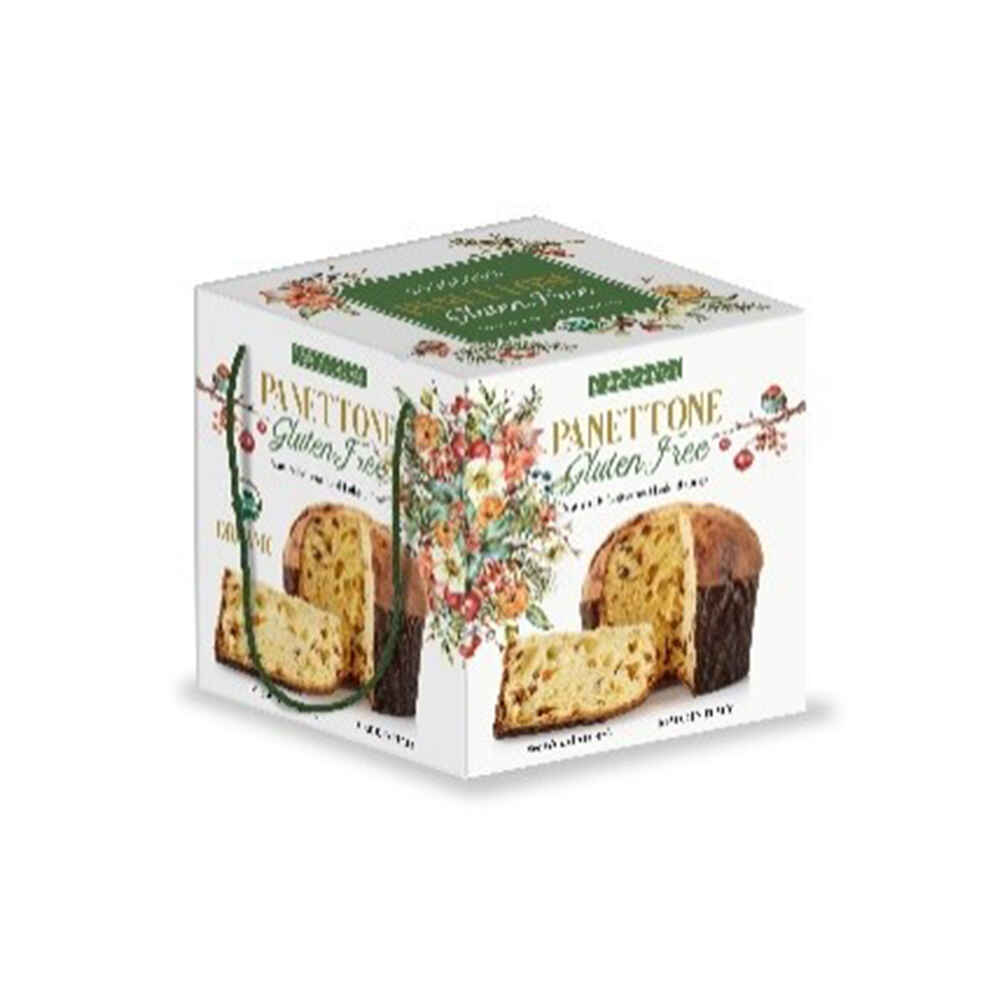
Gluten-Free Panettone in Australia
Gluten-free panettone is one of the hardest things in baking to get right. Here is why, what separates a good one from a dry one, and how to serve it.
Read now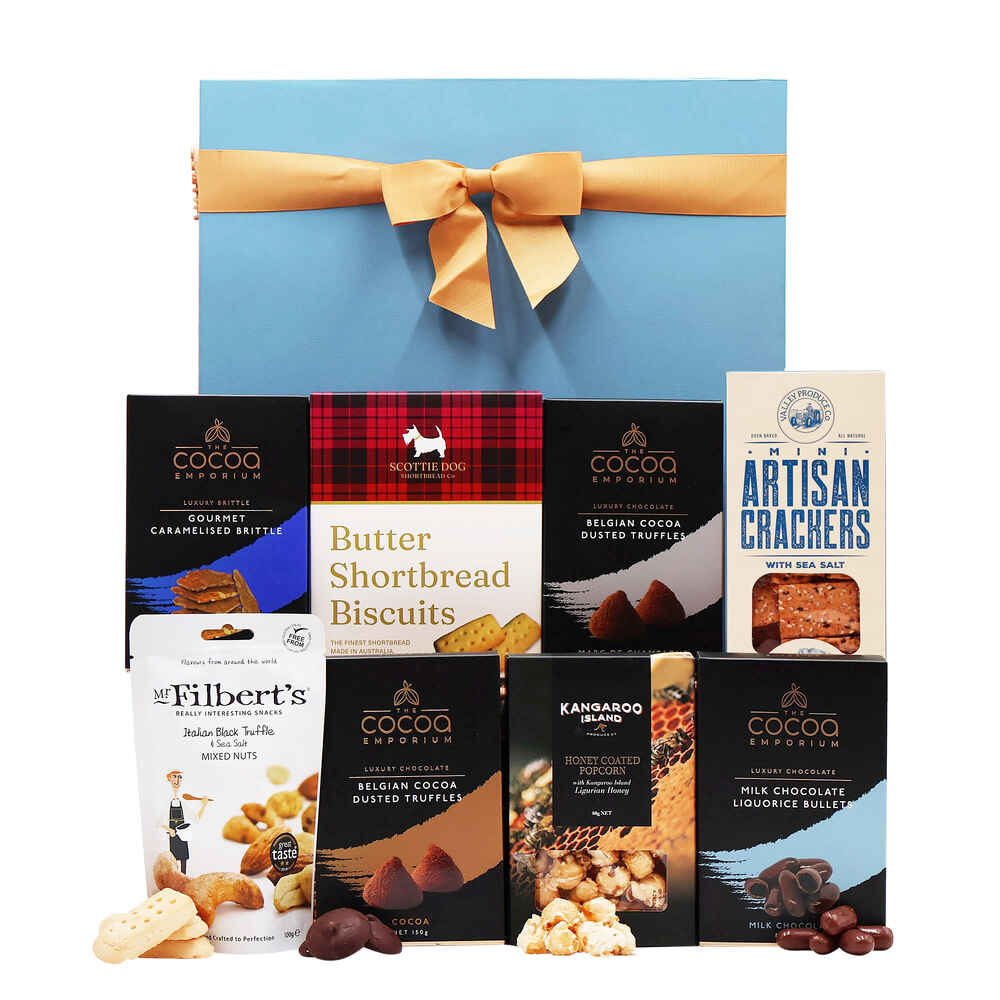
The Foodies Hamper: Eight Items, and What a Cook Does With Each
Eight packets, six of them sweet, and not a jar of anything in sight. What is actually in the box, and what somebody who cooks can do with each item once the ri
Read now