
What to Put Tomato Relish On, Beyond the Sausage Sandwich
By Jodie Smith, Product & Hamper Manager at The Gourmet Pantry.
Tomato relish belongs anywhere fat and salt need cutting through: a cheese toastie, a bacon and egg roll, cold roast meat, cheddar on a cracker, a burger, a meat pie. It also works stirred into pan juices, cream cheese or mayonnaise. Here is what to put it on, how much to use, and which jar suits which plate.
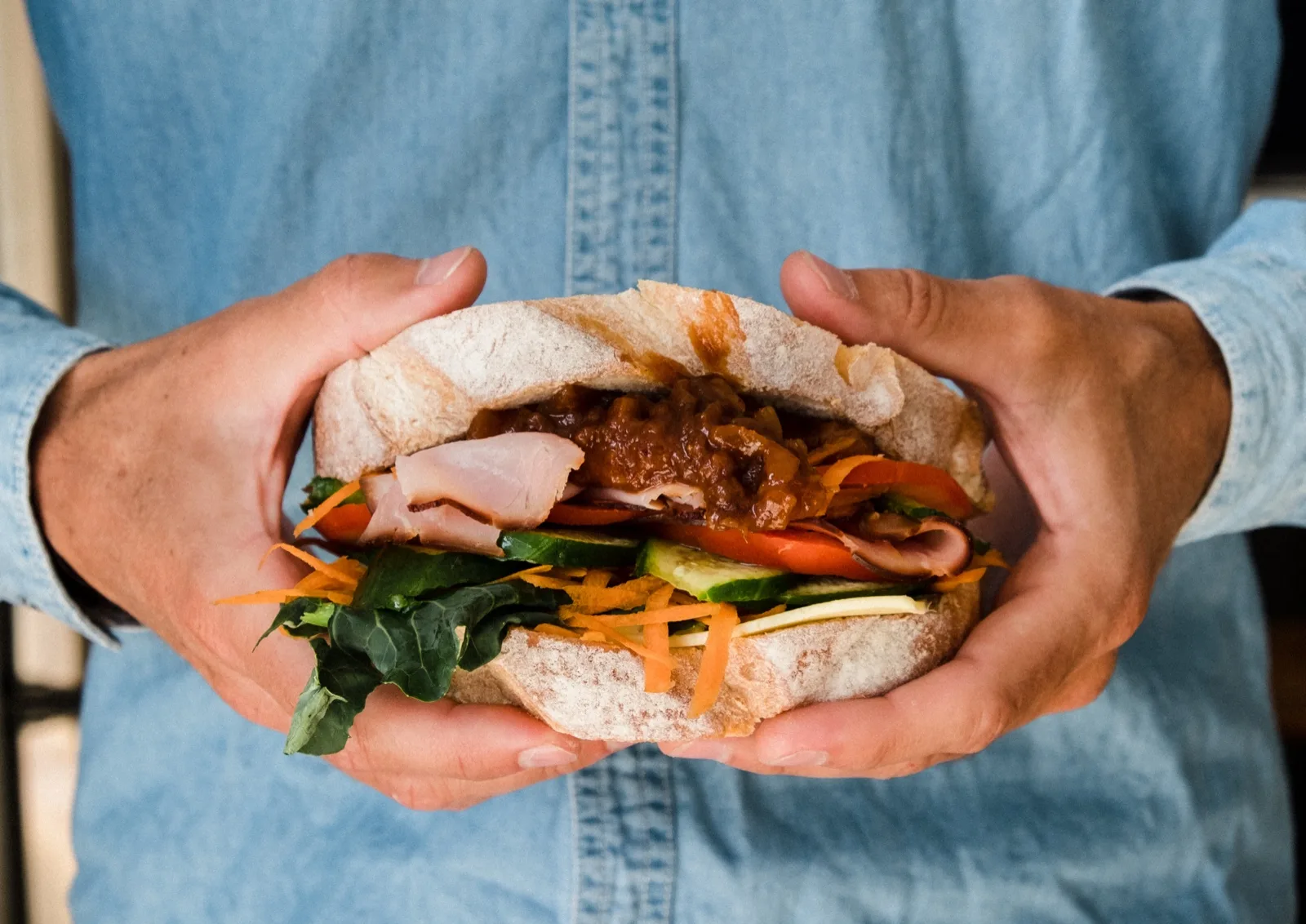
What a jar of relish is actually doing
Relish is tomato and onion cooked down with sugar and vinegar, chopped rather than blended. The sugar and the vinegar are the working parts. Sweetness and acid together cut through fat and salt, which is why relish lands so well on melted cheese, fried eggs, sausages, pastry and cold meat, and why a plate of any of those tastes flat without something sharp beside it.
That is also the difference between relish and tomato sauce. Sauce is smooth, sweet and mostly one note, and it sits on top of food. Relish has texture and a sour edge, so it behaves like an ingredient. You can taste where it is in a sandwich, which is the whole point of putting it there.
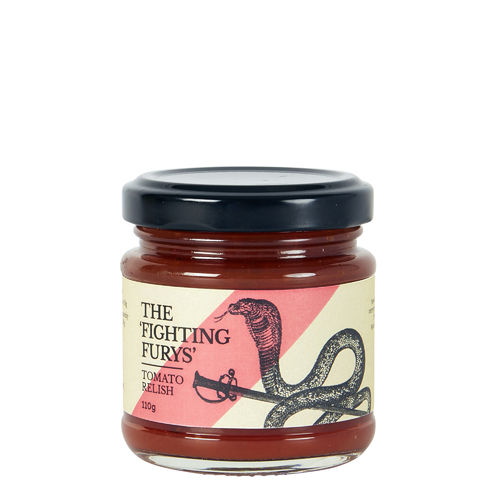
The jar we pack most often is the Fighting Furys tomato relish from The Regimental Condiment Company, at $12.95. Its own label points at sandwiches, curries, cheese and meatloaf, which is a fair summary of where any good relish goes. If you want the fruitier end of the shelf, the Valley Produce Company Ploughmans relish is built from tomatoes, onions, apples, sultanas and currants, and at $7.95 it is the cheapest way to find out whether you are a relish household.
Relish or chutney, and does it matter
Chutney cooks longer, carries dried fruit and spice, and comes out thicker and sweeter. Relish is a shorter cook, chunkier, and tastes more of tomato. In a sandwich you can swap one for the other and nobody will stop you. The place you notice the difference is next to a strong cheese or a curry, where chutney has the sweetness to stand up and relish can get lost.
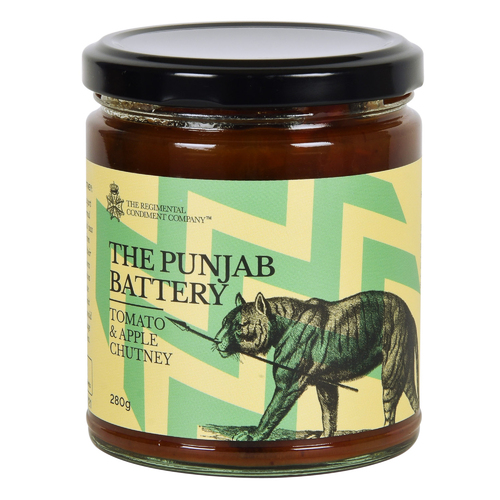
Two worth knowing on that side: Daylesford tomato chutney, which the Daylesford Condiment Company describes, in one line, as being for cheese and cold meats, and the Punjab Battery tomato and apple chutney, which is the one to open when there is curry on the table.
Toast, sandwiches and the things you eat standing up
The cheese toastie. A heaped teaspoon per sandwich, spread on the inside face of the top slice with the grated cheese underneath it. Keeping the relish off the outside matters: the sugar in it catches and burns in a hot pan long before the bread is golden. Butter goes on the outside, as always. Any more than a heaped teaspoon and the middle goes soggy.
Bacon and egg roll. Relish under the egg rather than over it. A hot yolk loosens the relish and it runs straight out of the roll onto your shoes.
The sausage sandwich. Where most Australians meet relish, usually from a squeeze bottle at a fundraiser. A jar changes the sandwich more than a better sausage does: relish on both slices, onions cooked slowly enough to be sweet, and one napkin more than you think you need.
Party pies, sausage rolls and anything in pastry. Put the relish on the plate in a small pile rather than piping it over the top. Pastry that has gone soft under a sauce is a sad thing, and a pile lets people take as much as they want. The same applies to a hot dog, where relish and mustard together beat either on its own.
Cold meat, day four. We have written about how much ham to buy per person. What nobody writes about is the fourth day of it. Relish, a firm cheddar and something crunchy turn the last of any cold roast into a sandwich you would choose rather than tolerate.
The cheese plate, and the cracker underneath it
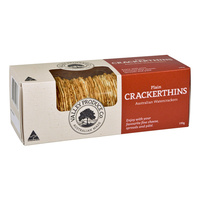
Sharp cheddar, a plain water cracker and a teaspoon of relish is the whole trick, and it costs very little to set up. VPC Crackerthins are $3.49 and deliberately neutral, which is what you want when the relish is doing the talking. The rest of our cracker range runs to seeded crisps and flatbreads if you would rather the base had an opinion. Blue cheese wants the sweeter chutney; a young cheddar wants the sharper relish.
The ploughman's plate is the older version of the same idea and still the best lunch on this page: cheddar, relish, a pickled onion, half an apple, bread and butter. That is the plate the Ploughmans relish is named for.
On a grazing board, use small jars rather than one big bowl. The 110g minis are $6.95, they sit on a board without being decanted, and two or three spaced along a long board means nobody has to reach past the person next to them. The Fighting Furys mini is the one to start with. Our cheese board guide covers how much cheese to buy per person, and the Christmas charcuterie board sets out a full board built around cured meat.
Cooking with it, not just spooning it out
- Pan sauce. After chops or steak, pour off the fat, add a tablespoon of relish and two of water, and scrape the pan for 30 seconds. Sauce, done, no stock required.
- Glaze. Brush relish over meatloaf or sausage rolls for the last 10 minutes at 200°C. It goes sticky and dark at the edges.
- Rissoles and burger patties. A tablespoon per 500g of mince, for seasoning and moisture at once.
- Burger sauce. Equal parts relish and mayonnaise, stirred. Two minutes, and better than most bottled versions.
- A quick dip. A heaped tablespoon through 250g of softened cream cheese, with crackers. That is the standing advice on the Daylesford jars, and it holds for any chunky relish.
- Under pastry. A teaspoon smeared into the base of a cheese and onion tart or an egg and bacon pie, before the filling goes in. It stops the bottom tasting flat.
- Eggs. Scrambled, fried, or in an omelette with cheddar. A teaspoon on the side of the plate rather than stirred through, so it stays sharp.
Which jar for which plate
| Jar | What it tastes like | Where it earns its place |
|---|---|---|
| Fighting Furys Tomato Relish, $12.95 | Classic, tomato forward, moderate sweetness | Toasties, sausages, cold meat, the everyday jar |
| King's Gunners Tomato & Red Pepper Relish, $12.95 | Rounder and mellower, capsicum behind the tomato | Steak, barbecued meat, burgers, curries |
| Daylesford Tomato Chutney, $12.95 | Longer cooked, thicker, sweeter | Strong cheddar, blue cheese, a cheese board |
| Ploughmans Relish, $7.95 | Fruity, with apple, sultanas and currants | The ploughman's plate, pork, chicken sandwiches |
All four keep for months unopened and none of them costs more than the sandwich you put it on. If you would rather make your own, our old-fashioned tomato relish is the version we cook when tomatoes are cheap in February.
Once the jar is open
Relish goes into the fridge after opening and comes out again for the length of a meal, not the length of an afternoon. Use a clean dry spoon every time. A knife with butter on it is what turns a jar early, not the calendar. Most makers put four to six weeks on an opened jar, and the label on yours wins over anything written here.
To finish a jar rather than lose it at the back of a shelf, loosen the last few spoonfuls with a splash of water and use it as the base of a pan sauce, or stir it through mince. A 300g jar is about twenty generous teaspoons, which sounds like plenty right up until a household of four discovers toasties.
The jobs a jar does at Christmas
Every December the same three things happen. There is more cold meat than anyone planned for, there is a board out on the table for most of a week, and somebody needs a gift by Friday. Relish answers all three, which is why it goes into so many boxes: our guide to what to put in a Christmas hamper puts condiments in the first tier for exactly that reason, and the same jars sit inside the Christmas hampers we pack by hand in Corio, just outside Geelong.
A jar is also the sturdiest thing in a summer parcel. Chocolate has opinions about a hot delivery van and relish has none, which is why it travels well to Queensland in December when softer gifts do not. If you are ordering jars on their own, shipping is free Australia-wide over $100, and orders placed before 12pm on a weekday are dispatched the same day.
Ideas for the jars in your fridge door.
Christmas ordering reminders and new arrivals, one email when it matters. Unsubscribe any time.
Tomato relish questions we get asked
What do you eat tomato relish with?
Cheese in any form, hot or cold: toasties, cheddar on crackers, a cheese board. Sausages, burgers, rissoles and steak. Cold roast meat in a sandwich. Fried and scrambled eggs, bacon, and anything that comes out of a pie warmer. It also cooks well, as a glaze on meatloaf or stirred into mince, and it turns cream cheese into a dip in about a minute.
How long does tomato relish last once opened?
Refrigerate it once open and use it within about four to six weeks, following the label on your jar. Keep it out of the fridge only while you are eating, and use a clean dry spoon each time: crumbs and butter carried back into the jar are what spoil relish early. Unopened, a sealed jar keeps in a cool cupboard until its best-before date.
What is the difference between relish and chutney?
Relish is a shorter cook and a coarser chop, so it stays chunky and tastes brightly of its main vegetable. Chutney simmers longer with more sugar, vinegar, dried fruit and spice, so it is thicker, darker and sweeter. In a sandwich the two are interchangeable. Beside a strong cheese or a curry, chutney has the sweetness to hold its own.
Can you cook with tomato relish?
Yes, and it is underused this way. A tablespoon deglazes a pan into an instant sauce for chops. Brushed over meatloaf or sausage rolls for the last 10 minutes at 200°C it becomes a sticky glaze. Stirred through mince it seasons and moistens at the same time. Keep it off a hot dry pan, where the sugar in it burns before anything else happens.
Start with one jar
Buy one jar, park it in the fridge door and work down this page: toastie, eggs, cheese and crackers, pan sauce. The Regimental Condiment Company range is where most people start, and the rest of the shelf sits with our gourmet condiments, alongside the mustards and chutneys that go on the same plates.
If the jar empties inside a month, buy the pair next time. The day you want relish is never the day you planned to shop.
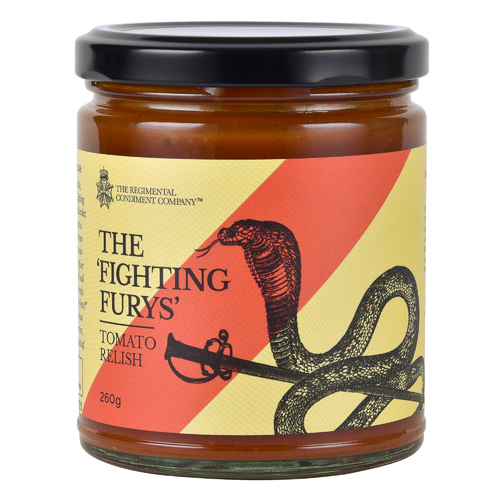
TRCC The 'Fighting Furys' Tomato Relish 260G
$12.95
Hand-packed and dispatched from our Corio, Victoria warehouse, with free delivery Australia-wide on orders over $100.
More from the blog.
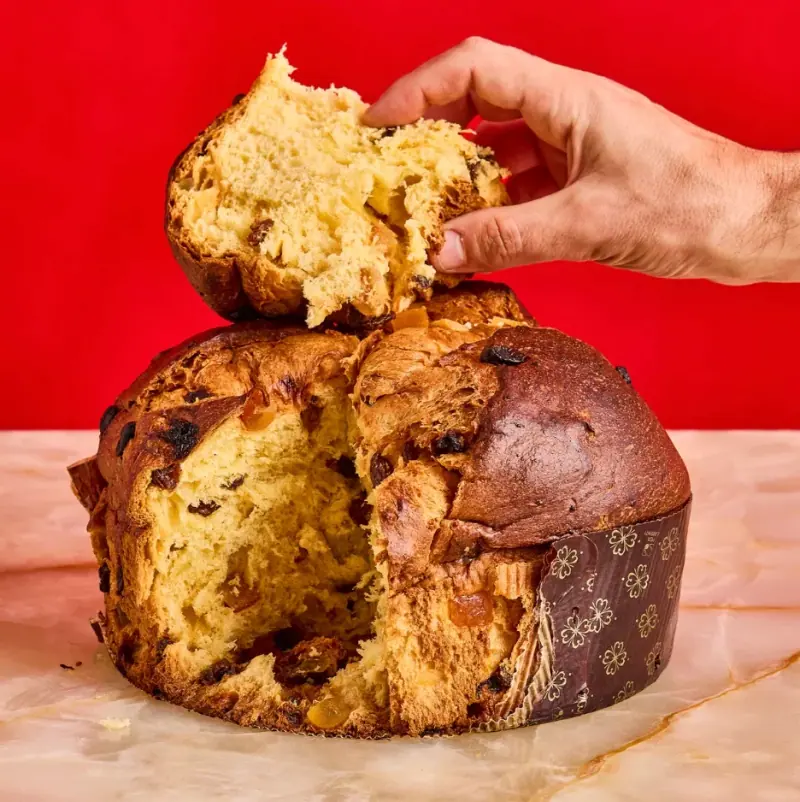
What Is Panettone?
A tall, domed Italian Christmas bread made over three days with a living sourdough starter. Here is what separates a good panettone from a cheap one.
Read now
Gluten-Free Panettone in Australia
Gluten-free panettone is one of the hardest things in baking to get right. Here is why, what separates a good one from a dry one, and how to serve it.
Read now
The Foodies Hamper: Eight Items, and What a Cook Does With Each
Eight packets, six of them sweet, and not a jar of anything in sight. What is actually in the box, and what somebody who cooks can do with each item once the ri
Read now