
Olive and Harissa Pasta With Tuna
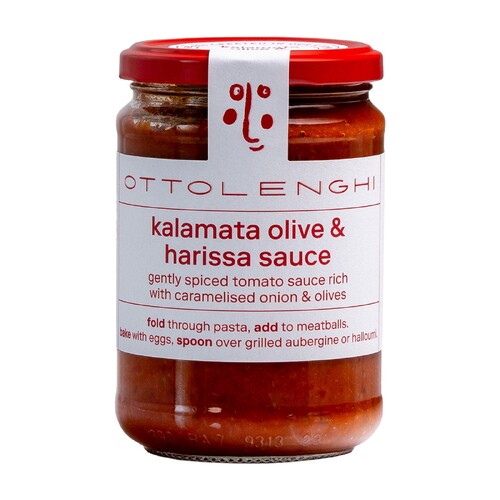
Ottolenghi Kalamata Olive & Harrisa Sauce (350g)
$14.95
Hand-packed and dispatched from our Corio, Victoria warehouse, with free delivery Australia-wide on orders over $100.
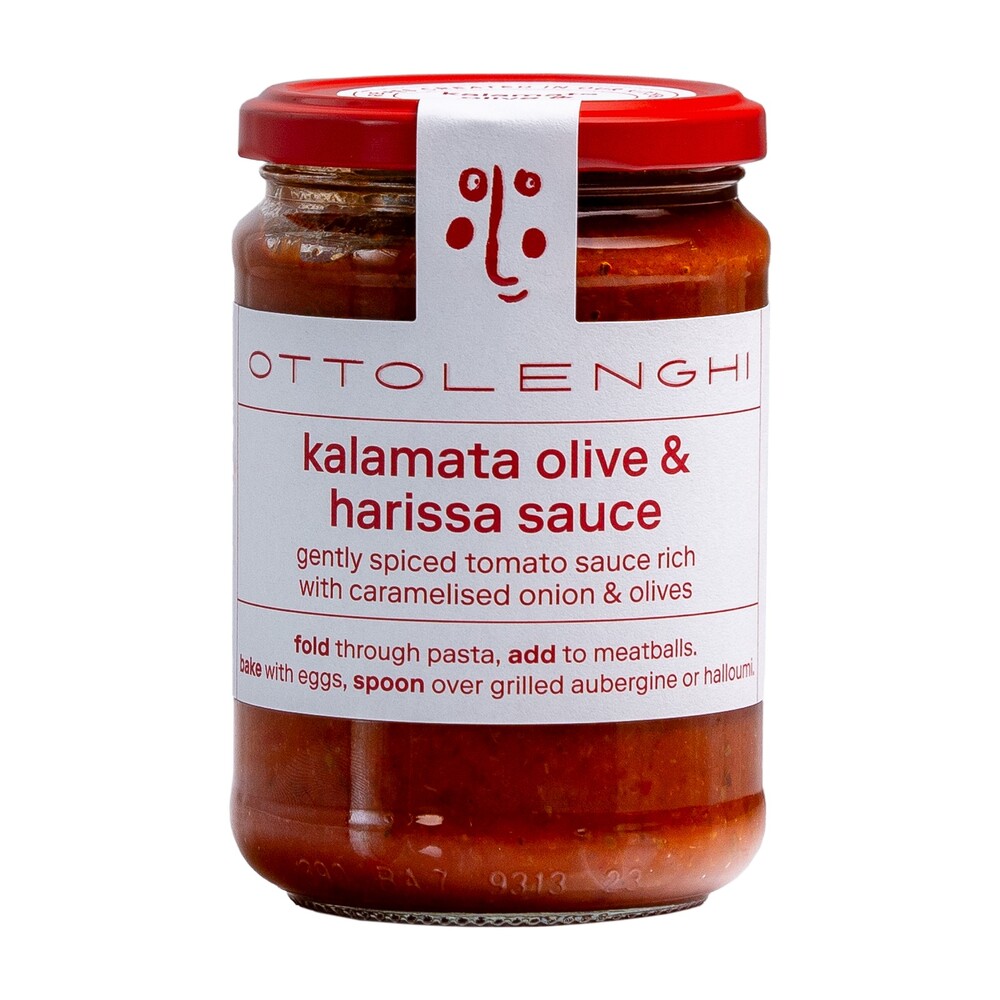
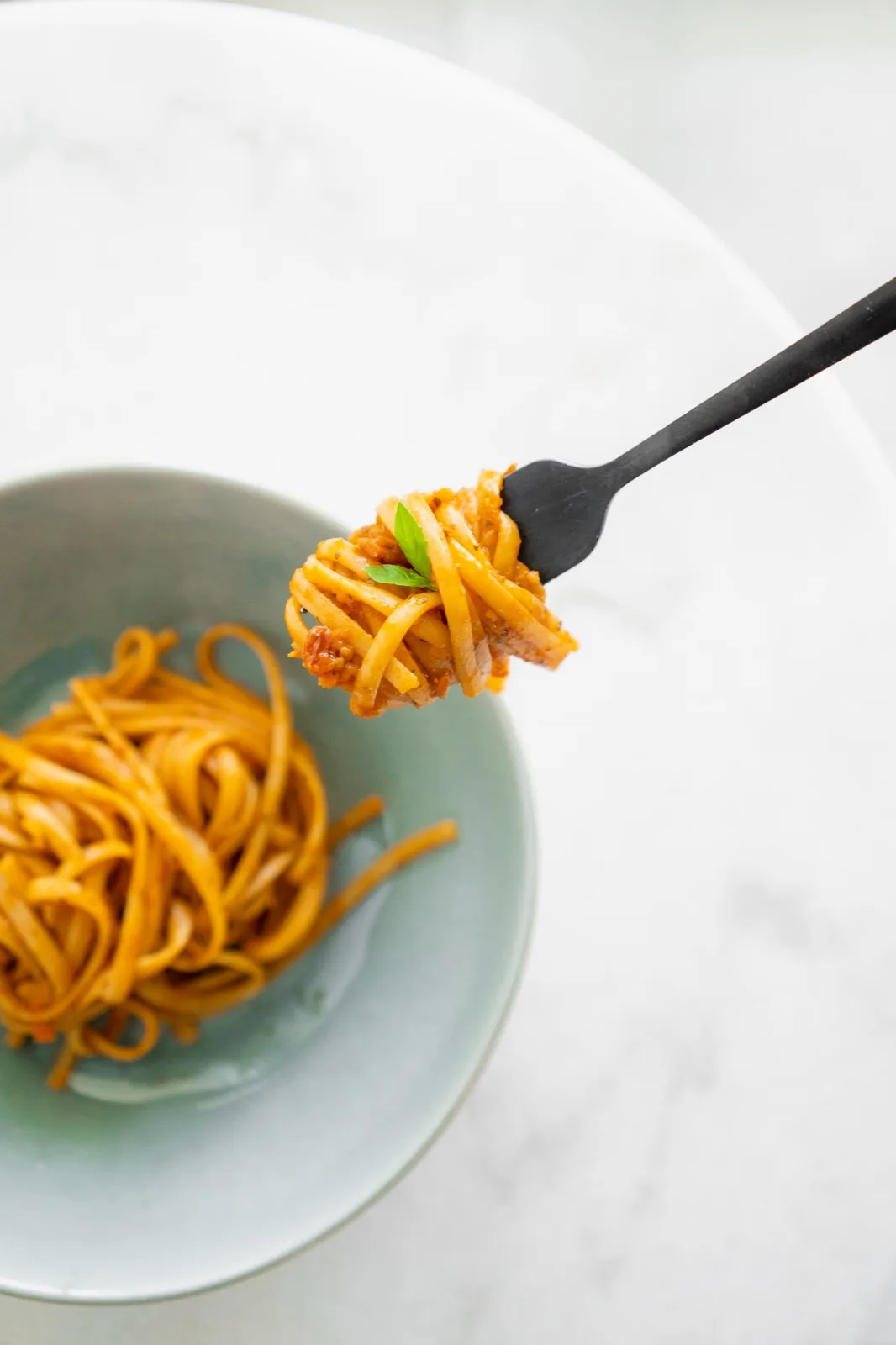
Olive and harissa pasta starts with a finished jarred sauce, not a paste. Warm half a 350g jar of Ottolenghi Kalamata olive and harissa sauce with oil and garlic, loosen it with pasta water, toss it through 500g of spaghetti, then fold flaked albacore tuna in off the heat. Serves 4 in about 25 minutes.
Sauce or paste: the jar size is the tell
The Kalamata olive and harissa sauce comes in a 350g jar at $14.95. The harissa pastes standing beside it on the same shelf are 170g and cost a dollar more. That is the clue most people walk past. The big jar is not a value pack of the small one, it is a different product doing a different job, and the price per gram is the giveaway.
A paste is a concentrate: chilli, garlic, salt and toasted spice ground thick, meant to be bloomed in hot oil and dosed by the teaspoon. A sauce has already been built out into a meal. Tomato and Kalamata olives carry the harissa, the salt is pitched for a plate rather than a pan, and it pours. If what you have is the concentrate, our guide to cooking with harissa paste sets out the doses, the blooming step and which style suits what.
Here is where the jar gets wasted. People open it, stir a tablespoon through a bowl of pasta the way they would a paste, taste something faint and salty, and put the lid back on. The harissa in it has been diluted on purpose, so at paste doses it does almost nothing. Used at sauce doses the same jar is one of the quicker good dinners on the Ottolenghi shelf.
What 500g of spaghetti actually takes
About 175g of finished sauce, which is half the jar, plus 100ml of the water the pasta cooked in. The ratio is worth committing to memory, because it holds for most jarred sauces that lead with tomato. A 165g jar of pesto goes through 500g of pasta. Half a 350g jar of this does the same. Two tablespoons is the dose only when what you are holding is a paste.
The pasta water is not a fussy extra step. Starch suspended in salted water is what takes a thick jarred sauce and makes it glossy and loose enough to coat every strand, instead of sitting in clumps at the bottom of the bowl. It is also how half a jar stretches to four serves without tasting thin. Tip the pot into the sink before you think about it and you have lost the one ingredient that costs nothing.
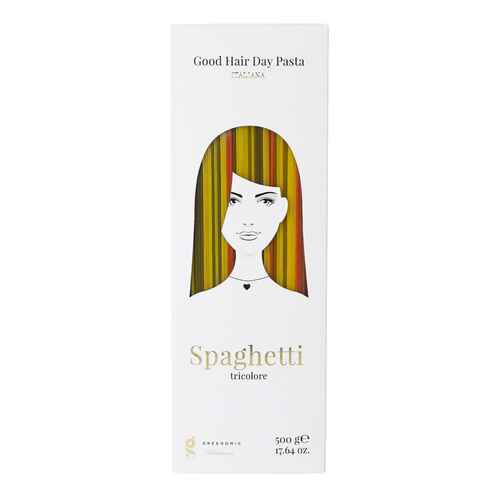
Shape matters less than people claim, but long pasta suits this sauce because the pieces of olive catch in the strands. We use Good Hair Day tricolore spaghetti, and anything else on the pasta and risotto shelf behaves the same way.
Method
Method
- Bring a large pot of water to the boil and salt it hard, about a tablespoon per four litres. This is the only salt the dish gets from you: the sauce brings its own, and so do the olives.
- Open both tins of tuna and tip them, oil included, into a small bowl. Break the loins into large flakes with a fork, nothing smaller than a thumbnail, then leave them alone.
- Put the spaghetti in and cook it two minutes short of the time on the packet. It finishes in the sauce, and pasta that goes into the pan already soft has nowhere left to go.
- While it cooks, warm the olive oil and the sliced garlic in a wide frying pan over a low heat for a minute, until the garlic smells sweet and is still pale. Browned garlic turns bitter under a chilli sauce.
- Spoon in half the jar of sauce, about 175g, and stir it over a low heat for a minute. Keep it warm rather than bubbling. A hard boil drives off the top notes of the harissa and leaves you with salt and tomato.
- Lift a mugful of pasta water out of the pot with a heatproof jug, then drain the spaghetti. Once it is down the sink there is no getting it back.
- Pour 100ml of the pasta water into the pan and stir until the sauce goes from thick and clinging to glossy and loose. This is the step that turns half a jar into dinner for four.
- Tip the drained spaghetti into the pan and toss it hard over a medium heat for a minute, adding more pasta water a splash at a time, until every strand is coated and a little sauce still moves in the pan.
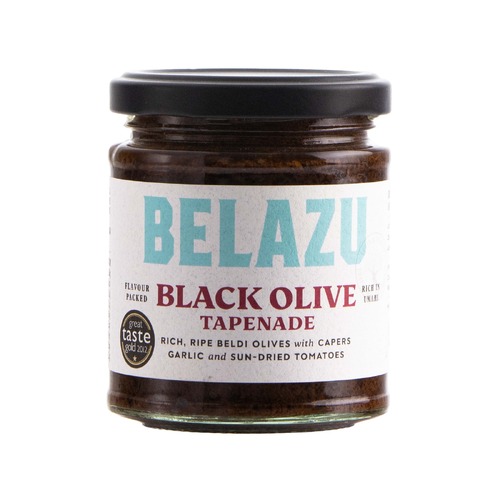
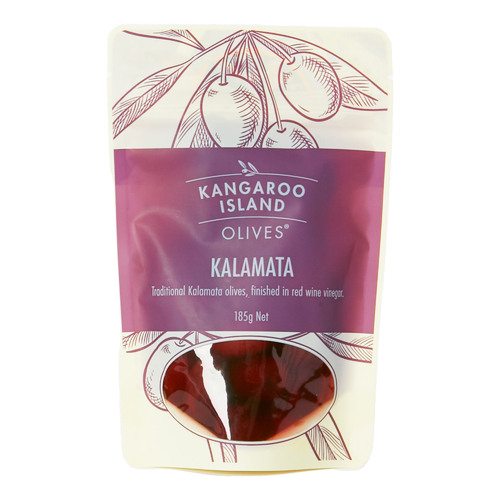
- Take the pan off the heat. Add the tuna with its oil, the tapenade if you are using it, the torn olives, the lemon zest and most of the parsley, and fold it through twice. No more than twice.
- Taste it, add a squeeze of lemon and a good grind of black pepper, then serve straight from the pan with the rest of the parsley scattered over.
The day after
Dressed pasta does not keep well, so cook what you will eat. Cold the next day it is better than reheated: loosen it with olive oil and lemon and eat it at room temperature as a lunchbox salad. If you do reheat it, use a pan with a splash of water rather than the microwave, which dries the surface and cooks the tuna twice.
Common questions
What is the difference between harissa paste and harissa sauce?
Concentration. Paste is chilli, garlic, salt and spice ground thick, and it behaves as a seasoning: bloom it in oil, dose it by the teaspoon. Sauce has already been loosened and carried, usually on tomato, and it goes straight onto pasta. Swap one for the other at the same quantity and it fails in both directions, bland or brutal. Our guide to cooking with harissa paste covers the concentrate side.
How much jarred sauce do you need for 500g of pasta?
Roughly 165g to 200g of finished sauce, plus 100ml of pasta water to loosen it. For this jar that is half of the 350g, which is why one jar is two dinners for four rather than one. If what you have is a paste rather than a sauce, the dose drops to about two tablespoons for the same 500g.
Can you use olive and harissa sauce on anything other than pasta?
Yes, and the second half of the jar is where it earns its keep. Pour it over chicken thighs or sausages in a roasting tin and bake at 200°C until the edges catch. Spoon it over roast cauliflower or pumpkin for the last ten minutes. Make wells in it in a frying pan and crack eggs in for a fast shakshuka. Warm it over a split baked potato, or over rice with a spoonful of yoghurt.
Does jarred harissa sauce keep once opened?
Refrigerate it as soon as it is open and go by the days stated on the label, which is the only figure that counts. This is a cooked tomato sauce, not a paste sitting under oil, so it will not last for weeks the way the unopened jar does. Use a clean dry spoon, and press the surface flat then pour a thin film of olive oil over it before the lid goes back on. If you will not get to the rest in time, freeze it in an ice cube tray and drop the cubes straight into a hot pan.
Ordering the jar
The sauce, the pastes and the rest of the Ottolenghi range sit on one page, and the tuna, the spaghetti and the olives go in the same order. Shipping is free Australia-wide over $100, and orders placed before 12pm on a weekday are dispatched the same day from our Corio, VIC warehouse, tracked with Australia Post. If it is a gift rather than your own cupboard, the Ottolenghi hampers put the same range in a box.
Products in this recipe
More recipes.
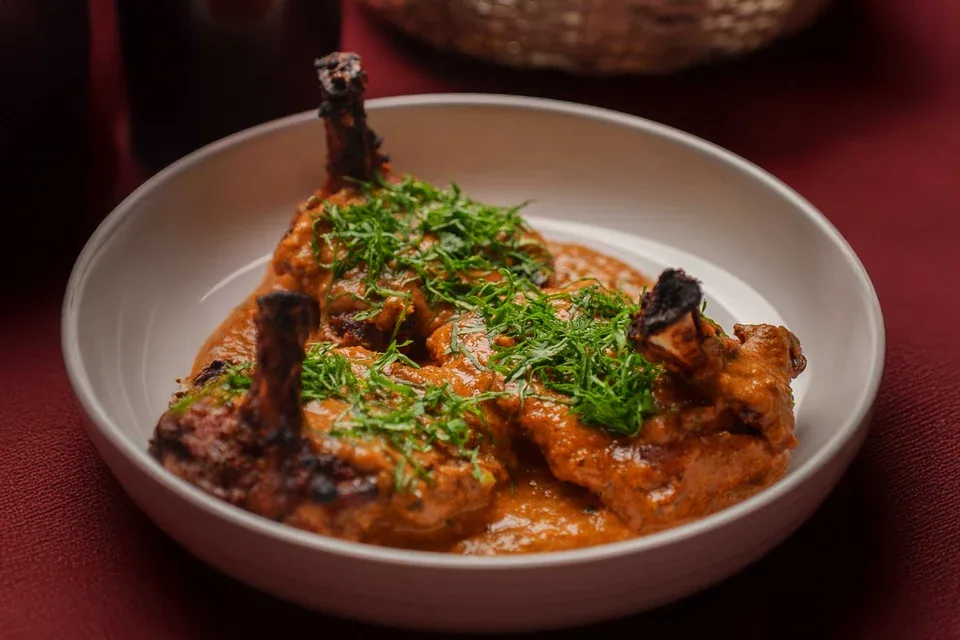
Gymkhana Butter Chicken Chops
The signature dish from Ambassador's Clubhouse, Gymkhana's sister restaurant in London. Bone-in chicken thigh cutlets are coated in tandoori marina
View recipe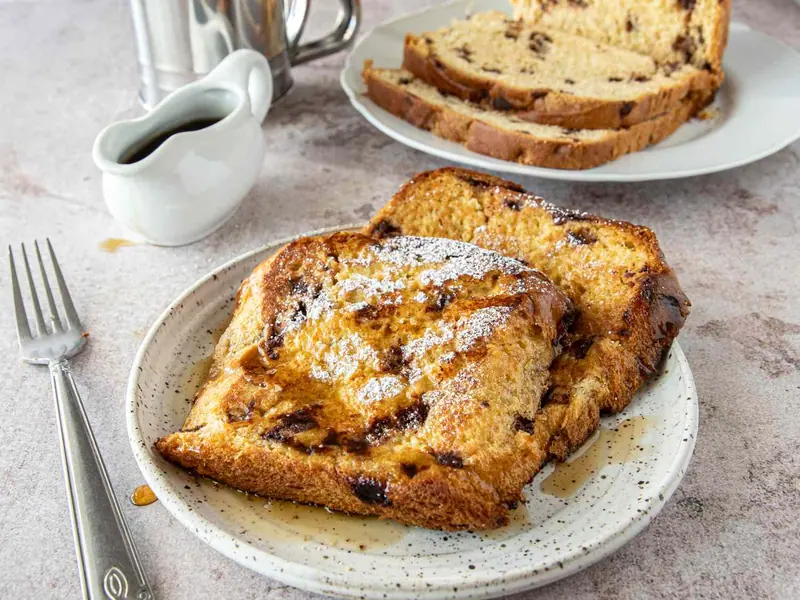
Panettone French Toast
The candied peel and butter already in panettone do most of the work here, so the custa
View recipe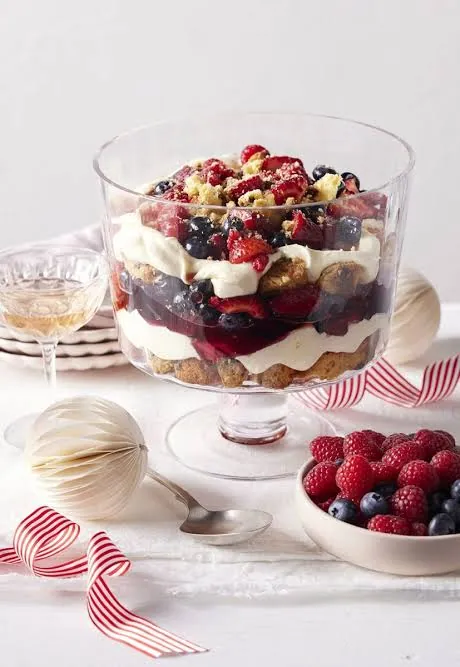
Panettone Trifle
Trifle is the easiest place to put leftover panettone . It replaces the sponge entirely,
View recipeNew recipes, first.
Recipes, new arrivals and gourmet gifting ideas from The Gourmet Pantry. No spam, unsubscribe any time.