
Christmas Menu Ideas: Three Menus, Start to Finish
By Jodie Smith, Product & Hamper Manager at The Gourmet Pantry.
Three menus cover almost every Australian Christmas: a traditional hot lunch, a cold summer table, and a low effort menu that never turns the oven on. Pick one in late November, then shop it as a list split into cupboard and fresh.
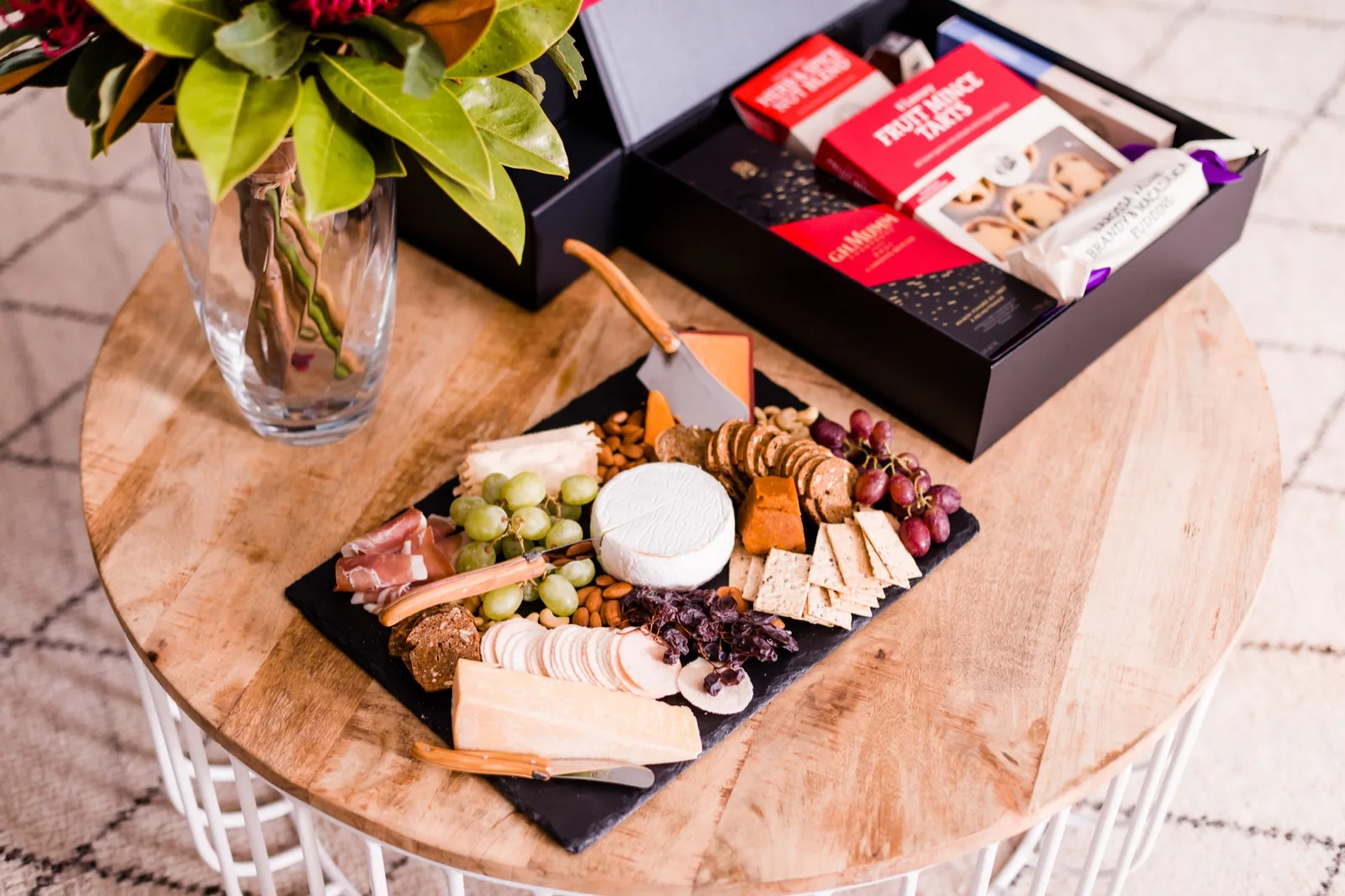
Most Christmas menus get published as a stack of recipes. That is not how anyone cooks on 25 December. A menu that survives the day is really two documents: a shopping list, split into the things that keep and the things that do not, and an order of work saying which job belongs to which morning. All three below are written that way. The cupboard half of each one can be bought in October and sits in our Christmas range, with the table side of it, the crackers, pastry cases and bon bons, gathered under festive entertaining essentials. If you want the wider picture first, our guide to Christmas food in Australia covers what actually lands on tables around the country.
Choose the menu before you choose the recipes
Three questions decide it, and none of them is about taste. How many people are coming. How much oven you have free between 11am and 3pm. How much of the day you are willing to spend in the kitchen instead of with your guests. Answer those and the menu picks itself.
| Menu | Suits | Oven on the day | Book the fresh half | Hands on time |
|---|---|---|---|---|
| Traditional hot lunch | 8 to 14 people, a cool room, a family that wants a roast | 3 to 4 hours | Mid November | About 3 hours |
| Cold table | 10 to 25 people, outdoors, guests arriving across a window | None, or 30 minutes for potatoes | Ham mid November, seafood 23 December | About 1 hour |
| Low effort | 4 to 10 people, a small kitchen, or a second lunch on Boxing Day | None | Late November | About 30 minutes |
Quantities sit underneath all three. Settle the weight of the centrepiece first, because that is where a menu usually goes wrong. Our guide to how much food per person at Christmas has the per head numbers.
Menu one: the traditional hot lunch
A roast bird or a leg of pork, roast potatoes, two hot vegetables, gravy, and a pudding or trifle to finish. It is the menu people picture, it makes the house smell right from ten in the morning, and it is the only one that needs a real plan, because every dish wants the same oven at once.
The fresh half, booked by mid November. The centrepiece, the potatoes, the vegetables, cream and butter. We do not sell the bird or the roast, a butcher does, and the good ones stop taking bookings well before December. Ring in the second week of November, give them the guest count, and let them tell you the weight.
The cupboard half, bought in October. This is the part that arrives by post and waits in a cupboard. The chutneys, relishes and mustards are the whole trick: a roast served at one o'clock in December is a fairly plain thing without something sharp beside it. A 110g jar of TRCC cranberry sauce at $6.95 is the right size, because nobody has ever finished a large one.
The order of work. The whole menu comes down to protecting the oven.
- 23 December. Make the gravy base, the sauces and the trifle custard. Peel the potatoes and hold them in cold water in the fridge.
- Christmas Eve. Set the table, put the bon bons out, chill the drinks, and take the meat out of the fridge last thing so it is not fridge cold.
- Christmas morning. Roast in early enough to be out an hour before you eat. A rested roast is better than a hot one, and that hour is when the potatoes get the oven to themselves.
- Last 30 minutes. Potatoes up high, vegetables on the stove, gravy finished in the roasting tin, and somebody else carries plates.
Menu two: the cold table
A grazing board while people arrive, a glazed ham or a poached side of salmon carved at room temperature, two or three salads, good bread, and something frozen to finish. It is the menu the Australian weather argues for, it scales further than any of the others, and almost all of it is made the day before.
We have written this one out at length already, so here it is as a list rather than a lecture: our Christmas lunch ideas for a hot Australian day is the long version, with the timings and the make ahead notes.
The fresh half. A cooked leg ham booked in mid November, or a side of salmon. Prawns and oysters collected on 23 or 24 December and kept on ice from the car to the table. Leaves, lemons, herbs and cheese in the last few days.
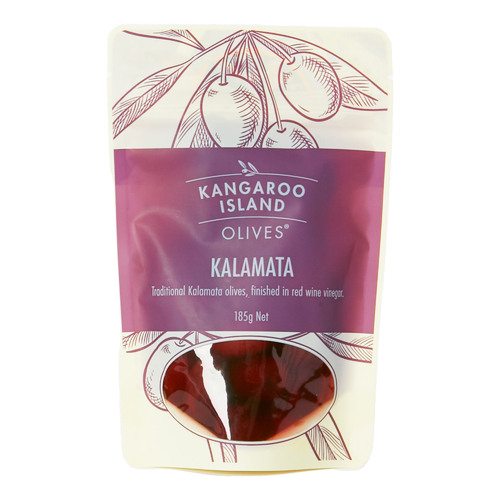
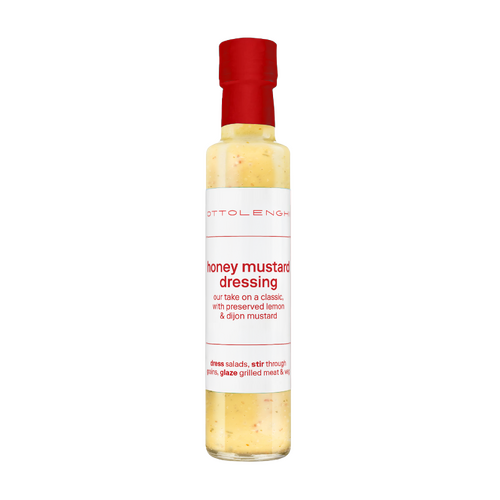
The cupboard half. A board needs three things beyond the cheese: something crisp, something salty, something sharp. Crackers and seed crisps run from about $3 to $8 a packet, and the fruited ones earn their place because they bridge the cheese and the ham. Kangaroo Island kalamata olives at $7.95 tip straight from the jar into a bowl, which on Christmas Day counts for a lot. For the salads, a bought dressing is not a compromise: Ottolenghi honey mustard dressing at $24.95 works across leaves, potatoes and shaved fennel, and it means the dressing is one less job at eleven in the morning.
The order of work. Poach, roast and boil on 23 December. Glaze the ham and build the board under cling film on Christmas Eve. On the day, carve an hour ahead and let the meat come up to room temperature, dress the salads last, and sit the seafood in a tray of ice rather than trusting a fridge you keep opening.
Menu three: the low effort menu
Nothing is cooked. Not as a compromise, but as a decision. This is the menu for a first Christmas in a small flat, for the year the kitchen is being renovated, for a second lunch on Boxing Day, and for anyone hosting who would rather be at the table. It is assembly, and assembly done well reads as generous rather than lazy.
What is on it. A board to start. Filled pastry cases as the one thing that looks like a canape. A bought cooked chicken or a side of smoked salmon as the centre, carved onto a platter. Two salads, one leafy and one with fruit in it. Bread. Then ice cream, dressed up.
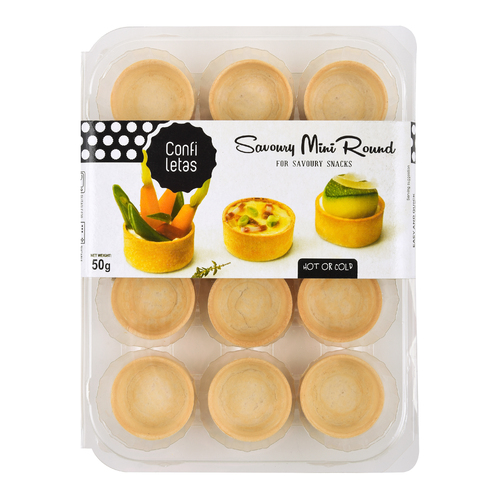
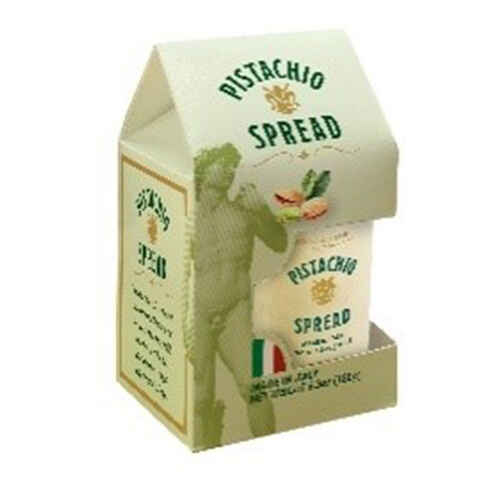
The cupboard half. Confiletas mini savoury pastry cases at $9.95 are the single most useful thing on this list. They are baked already, twelve to a box, and they take any cold filling you like: smoked salmon and creme fraiche, ricotta and roasted capsicum, or good tinned tuna with lemon. Fill them within the hour so the pastry stays crisp. For dessert, a jar of Borgo pistachio cream spooned over vanilla ice cream, with a squeeze of lemon and a shortbread biscuit crumbled over, is a five minute pudding that people ask about.
The order of work. Twenty minutes the night before to make the fillings and wash the leaves. Thirty minutes on the day to fill the cases, carve the chicken, dress the salads and set the board out. That is the entire commitment.
A note on which of the three to run. If you have hosted before and you are tired of the day, run menu three and spend the difference on better cheese. If it is your first year hosting a big group, run menu two, because cold food forgives a late start and a hot roast does not.
The shopping list, split by when to buy
Every one of the three menus splits the same way, and the split is what makes December calm.
- October to mid November, by post. Crackers, chutneys, relishes, mustards, dressings, olives, nuts, biscuits and bon bons. None of it spoils, and in October the range is still whole.
- Mid November, by phone. The centrepiece. Ham, turkey, a leg of pork, a side of salmon. This is a booking, not a purchase, and it is the one deadline that cannot be moved.
- Week of Christmas, in person. Leaves, herbs, lemons, cream, bread, cheese, and the seafood on 23 or 24 December. Nothing on this list can be bought early, so keep it short.
If cooking ahead is your instinct, our guide to make ahead Christmas food sets out what genuinely improves in the fridge for a few days and what does not.
What a menu costs to build
We will not quote a per head figure, because the centrepiece decides it and we do not sell centrepieces. A leg ham, a turkey or a kilo of prawns is priced by the kilogram at a butcher or a fishmonger, and it will be the largest line on your list by some distance.
The pantry side is much easier to predict. Most jars, packets and tins sit between $5 and $15 each, and a menu for eight to ten people needs eight to twelve of them across the whole day: two or three for the board, two or three beside the meat, a dressing, and two or three sweet things. One October order rather than six December top ups is the saving, and shipping is free Australia-wide over $100. Weekday orders placed before 12pm are dispatched the same day from our packing room in Corio, Victoria.
Questions we get asked
How do I plan a Christmas menu?
Start with the number of guests and the weather, not the recipes. Choose one of three shapes: hot roast, cold table, or no cooking at all. Write the menu as two lists, one for things that keep and one for things that do not. Book the centrepiece in mid November, order the cupboard half in October, and leave only fresh produce and seafood for the last week.
What is a simple Christmas Day menu?
A board of crackers, olives, cheese and a condiment while people arrive. A cooked leg ham or a bought roast chicken carved onto a platter. Two salads and good bread. Ice cream with something spooned over it. Nothing on that menu is cooked on the day, and it feeds ten people comfortably.
How much does Christmas lunch cost per person?
The centrepiece sets it. Ham, turkey and seafood are bought by the kilogram and dominate the total, so the answer depends on your butcher and how many you feed. The pantry side is steadier: jars, packets and tins mostly run $5 to $15, and eight to twelve of them cover a full menu for eight to ten people.
What Christmas menu works without an oven?
Menu three above. A board to start, pastry cases with a cold filling, a bought cooked chicken or smoked salmon as the centre, two salads, bread, and ice cream with pistachio cream and crumbled shortbread to finish. It takes about thirty minutes on the day and needs a fridge and a chopping board.
Whichever of the three you land on, the cupboard half is the part worth ordering now, while the range is complete and the courier network is quiet. It is all in the Christmas range. If you would rather send a Christmas table than host one, our Christmas hampers are packed by hand in the same room, and every product in them is one we have tasted.
Christmas ideas, before the rush.
Christmas ordering reminders and new arrivals, one email when it matters. Unsubscribe any time.
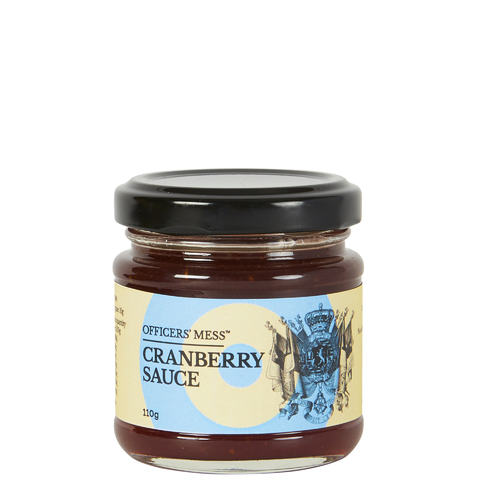
TRCC Cranberry Sauce Mini 110g
$6.95
Hand-packed and dispatched from our Corio, Victoria warehouse, with free delivery Australia-wide on orders over $100.
$14.95
More from the blog.
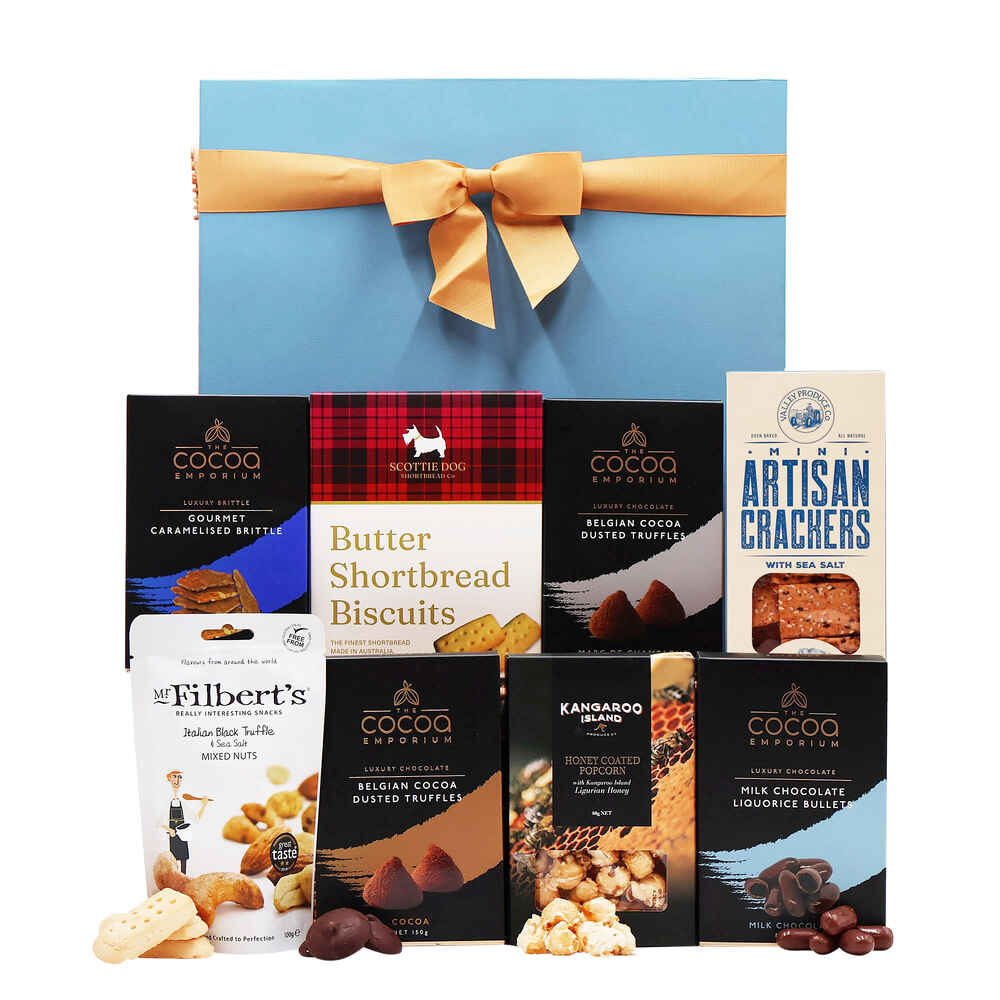
The Foodies Hamper: Eight Items, and What a Cook Does With Each
Eight packets, six of them sweet, and not a jar of anything in sight. What is actually in the box, and what somebody who cooks can do with each item once the ri
Read now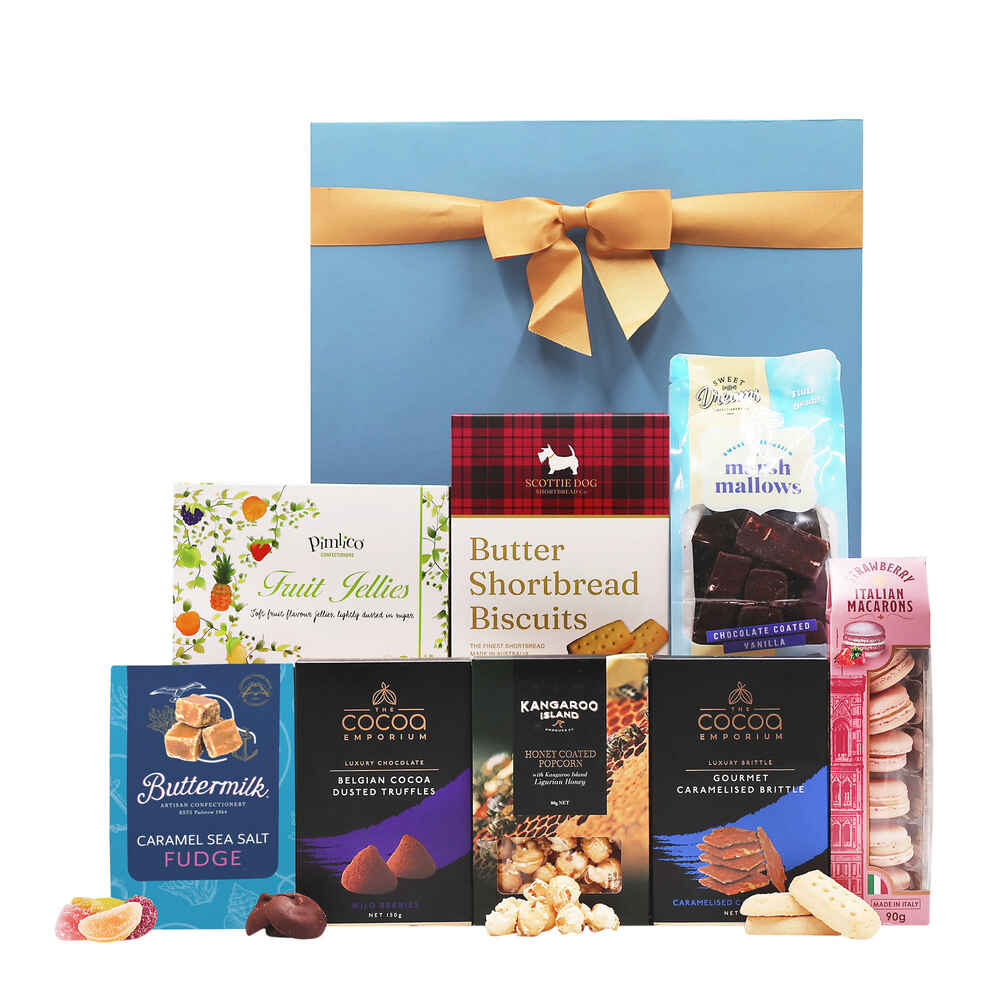
The Sweet Treats Hamper: The Kids-and-Grandparents Pick
Eight sweet packets that open by hand and sit on a table at room temperature, which is why this box works when a six-year-old and a grandparent have to be pleas
Read now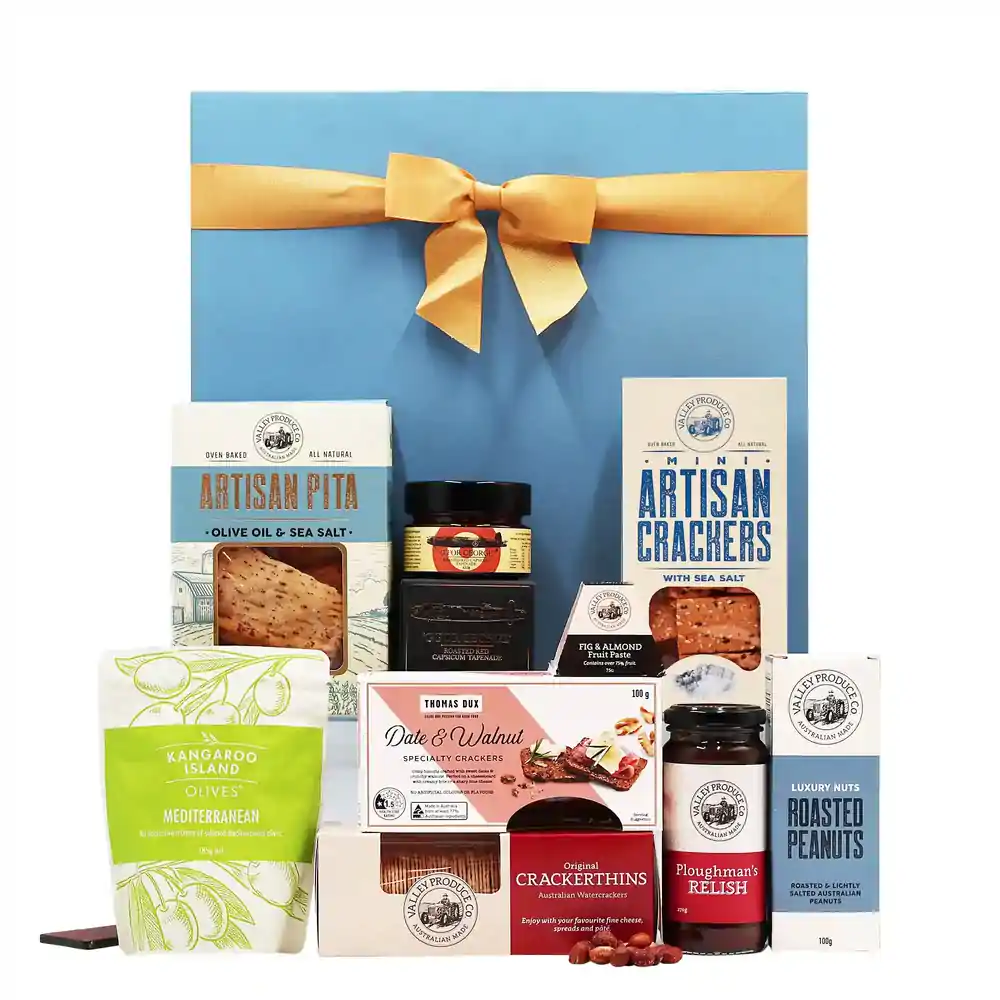
Just Add Cheese: Which Cheeses to Buy for the Hamper
Nine pantry items arrive and the cheese is yours to buy. Three cheeses, about 600g between them, and the box itself tells you which ones to ask for at the count
Read now