
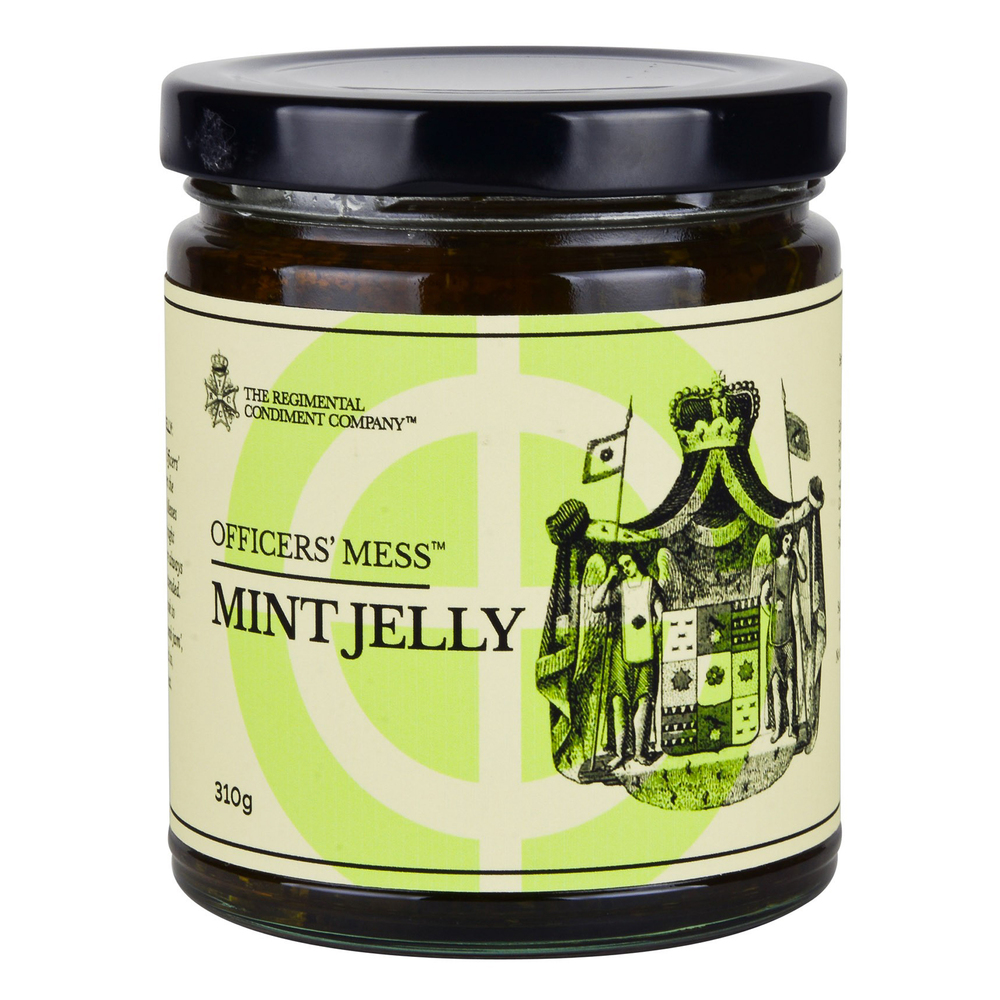
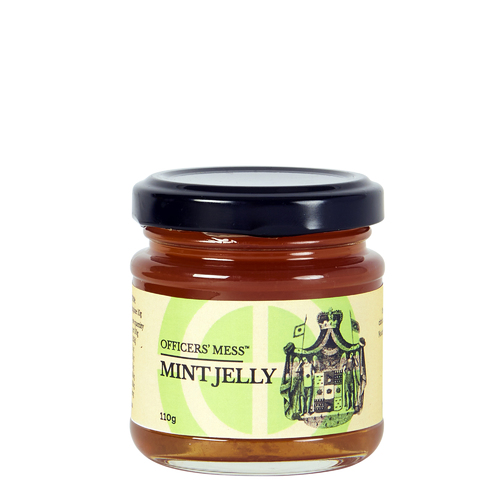
TRCC Mint Jelly Mini 110g
$6.95
Hand-packed and dispatched from our Corio, Victoria warehouse, with free delivery Australia-wide on orders over $100.
Roast lamb with mint jelly sauce is a roast leg served with mint jelly loosened into a pourable sauce using the strained resting juices and a splash of vinegar. This is a jar recipe rather than a scratch one. Serves 6. About 15 minutes of work, 1 hour 10 in the oven, 25 minutes resting.
A jar of jelly is not a sauce yet
Mint jelly is set. It is built on apple pectin and sugar with mint through it, it holds the shape of the spoon, and it stays exactly where you put it. That is the job it was designed for: a small green mound beside the meat that does not run into the gravy. Spooned straight from the 310g jar onto a plate of carved lamb it sits there as a lump, sweet and stiff, and half the table leaves it.
Three things turn it into a sauce. Gentle heat, enough to melt the set and no more. The strained resting juices from the lamb, which bring the salt and the meat flavour the jelly has none of. And acid, two teaspoons of white wine or cider vinegar, to push back against the sugar. Whisk those together off the heat and you have something that pours, coats the back of a spoon and tastes of the roast rather than of a boiled sweet.
Two things will wreck it. The first is heat: hold it below a simmer, because a hard boil drives off water, breaks the set and takes the jelly back toward toffee, and nothing brings it round from there. The second is fat. Let the roasting juices settle in a jug for a couple of minutes and spoon the fat off the top before any of it goes near the pan, or the finished sauce splits into greasy streaks on the plate. Loosened jelly does not re-set, so make it in the last five minutes of the rest and serve it warm.
Which cut, and how long it needs
A bone-in leg of about 2kg is the reliable choice for six people. The bone slows the heat reaching the centre, which widens the window between medium rare and grey, and it carves into slices that hold together. Shoulder is the slow option: 160°C for four hours covered, then uncovered to colour, and it pulls apart instead of carving. A rack suits two or three people and needs 25 minutes at 200°C, no longer. A butterflied leg on the barbecue is done in about 30 minutes and is the version to make in January.
Whatever the cut, cook to temperature rather than to the clock. Pull a leg at 55°C in the thickest part for medium rare or 63°C for medium, because it climbs another 4 to 5°C while it rests.
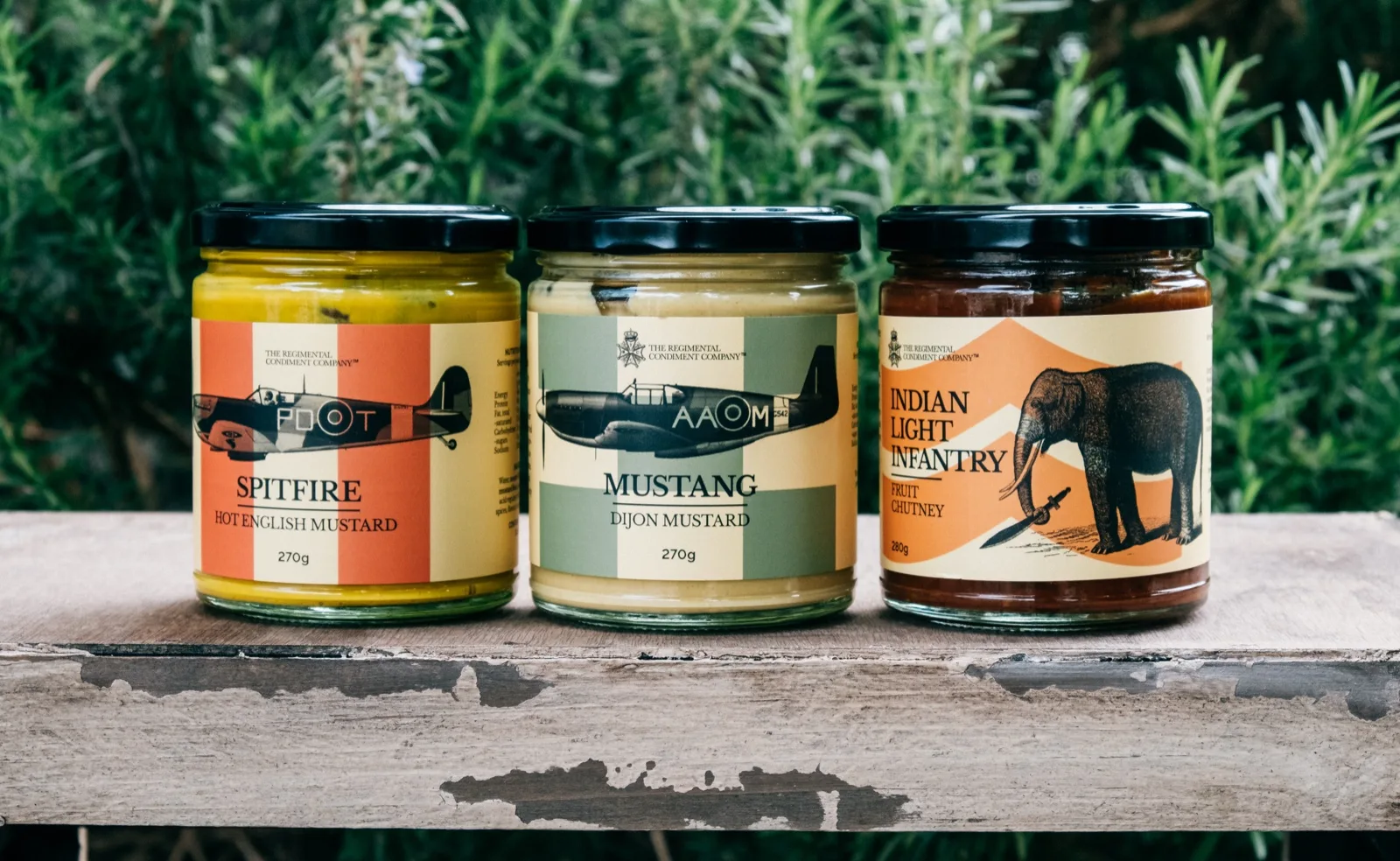
To be plain about it: we do not sell the lamb. Buy the leg from a butcher or the supermarket on the day, and order it ahead if you want a particular weight in December. What we sell is the jar that goes next to it, in this case the mint jelly from The Regimental Condiment Company, and that is the part that keeps in the cupboard for a year.
Method
Method
- Take the leg out of the fridge an hour before it goes in. Fridge-cold meat cooks unevenly and you overshoot the outside chasing the middle. Heat the oven to 220°C (200°C fan).
- Pat the lamb dry all over with paper towel. Wet meat steams before it browns.
- Make about 12 small incisions across the top with the point of a knife and push a sliver of garlic and a few rosemary needles into each.
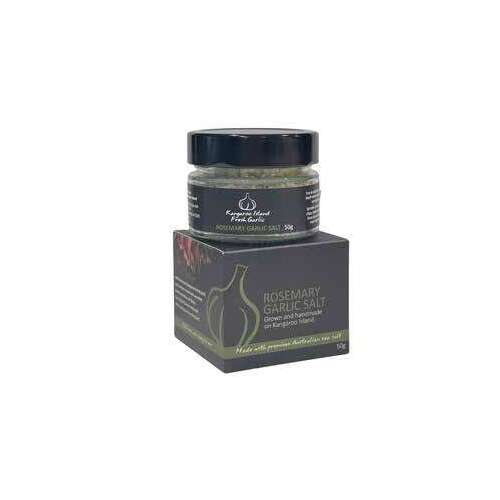
- Rub the olive oil over the whole leg, then the rosemary garlic salt flakes and a good grind of pepper, working it into the cuts.
- Sit the leg on a rack in a roasting tin with the remaining rosemary and the lemon halves underneath, and roast at 220°C for 20 minutes to colour it.
- Drop the oven to 180°C (160°C fan) and roast for a further 50 minutes for medium rare, or 65 for medium. The times are a guide; the thermometer is the answer.
- Check the thickest part, away from the bone: 55°C for medium rare, 63°C for medium. Pull it early, because it gains another 4 to 5°C as it rests.
- Lift the lamb onto a warm board, cover it loosely with foil and a tea towel, and leave it for 25 minutes.
- Tip everything from the tin into a jug and let it settle for two minutes. Spoon the fat off and keep 3 tablespoons of the dark juice underneath, plus whatever collects under the resting lamb.
- Put the mint jelly in a small saucepan over low heat and stir for about a minute until it melts. Keep it below a simmer, then take the pan off the heat.
- Whisk in the resting juices, then the vinegar and the Dijon if you are using it. Taste, and add vinegar half a teaspoon at a time until it stands up to the fat. Sweetness is the failure mode, not sourness.
- Stir the chopped mint through off the heat so it keeps its colour, season, and pour into a warmed jug. Carve across the grain and serve.
Leftovers, and the rest of the jar
The sauce keeps three days covered in the fridge. It thickens as it cools but never re-sets, so a splash of hot water brings it back to pouring. Cold lamb, a spoon of it and a piece of bread is the argument for a leg over a rack.
The jar earns its shelf space beyond the roast. Whisk a teaspoon into oil and vinegar for a dressing on tomatoes. Brush it onto cutlets in the last minute on the barbecue, where the sugar catches. And it belongs beside a sharp cheddar, which is why mint jelly is filed under jams and spreads rather than with the savoury jars in gourmet condiments.
Questions we get asked
What is the difference between mint jelly and mint sauce?
Texture, and where each lands. Mint jelly is set with sugar and apple pectin into a firm preserve that holds its shape, so it sits beside the meat in its own dish. Mint sauce is loose and pourable, traditionally chopped mint steeped in vinegar, and it goes over the meat. Same herb, two jobs.
How do you make mint jelly into a sauce?
Melt 4 tablespoons of jelly in a small pan over low heat, below a simmer. Off the heat, whisk in 3 tablespoons of strained resting juices with the fat spooned off, then 2 teaspoons of vinegar, then chopped mint at the last moment. With no roast to draw juices from, use hot chicken stock and an extra teaspoon of vinegar.
What cut of lamb is best for a Sunday roast?
A bone-in leg of about 2kg for six. The bone moderates the heat reaching the centre, so the margin between medium rare and overdone is wider, and the slices hold together on the board. Shoulder is the cut for slow cooking and pulling apart, four hours at 160°C covered.
Can you use mint jelly on anything other than lamb?
Yes, and the acid in it is what makes that work. It goes on a cheese board with cheddar or goat's cheese, melts into the pan juices after roast chicken, glazes carrots or cutlets in the last minute, and whisks into a vinaigrette. Treat it as a sweet-sharp preserve rather than a lamb-only condiment and the jar empties faster than you expect.
If the roast is part of a bigger table, mustards, relishes and sides for ham covers the cold end of the same meal, and four mustards and what they are for sorts out which jar does what. The jelly sits in The Regimental Condiment Company range, $6.95 for the 110g mini and $12.95 for the 310g jar. Orders placed before 12pm on a weekday are dispatched the same day from our Corio, VIC warehouse.
Products in this recipe

More recipes.
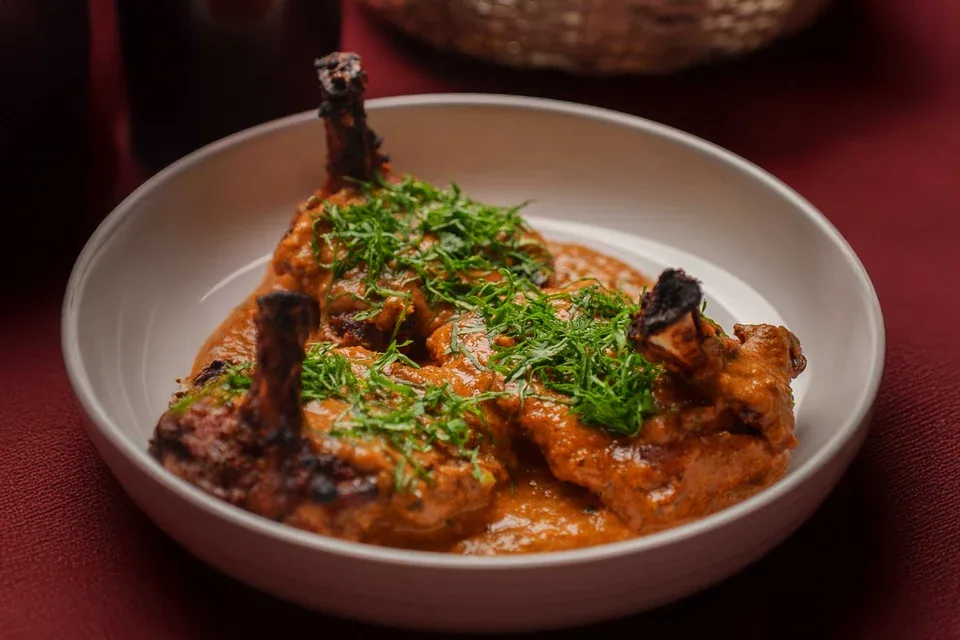
Gymkhana Butter Chicken Chops
The signature dish from Ambassador's Clubhouse, Gymkhana's sister restaurant in London. Bone-in chicken thigh cutlets are coated in tandoori marina
View recipe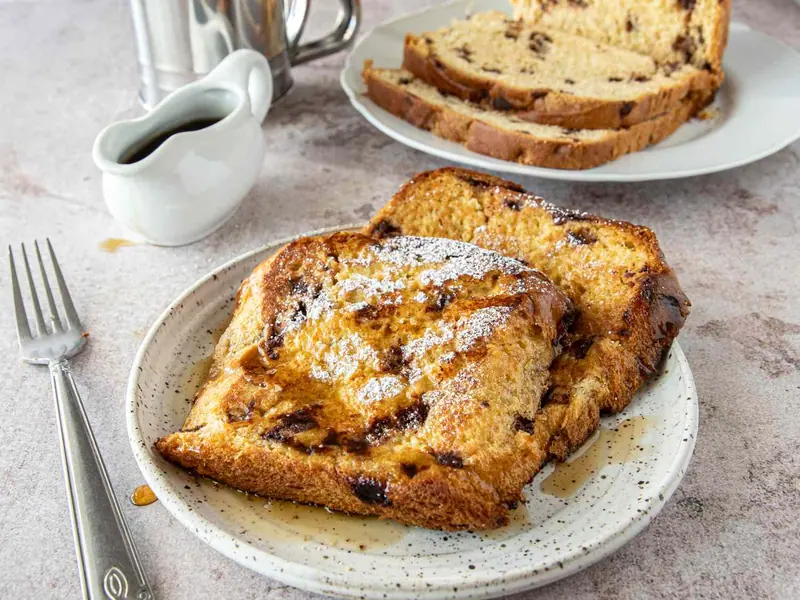
Panettone French Toast
The candied peel and butter already in panettone do most of the work here, so the custa
View recipe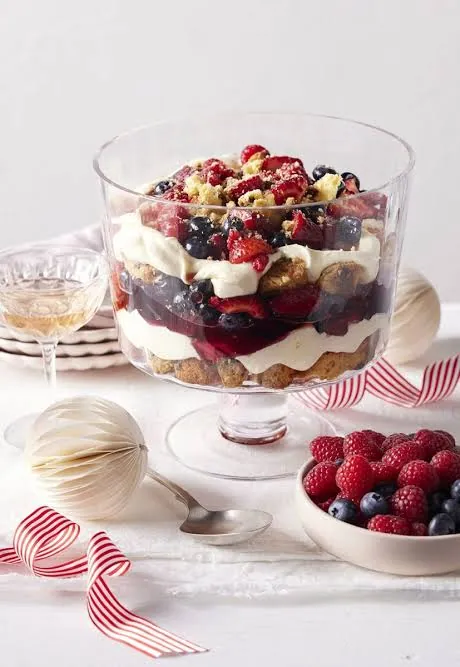
Panettone Trifle
Trifle is the easiest place to put leftover panettone . It replaces the sponge entirely,
View recipeNew recipes, first.
Recipes, new arrivals and gourmet gifting ideas from The Gourmet Pantry. No spam, unsubscribe any time.