
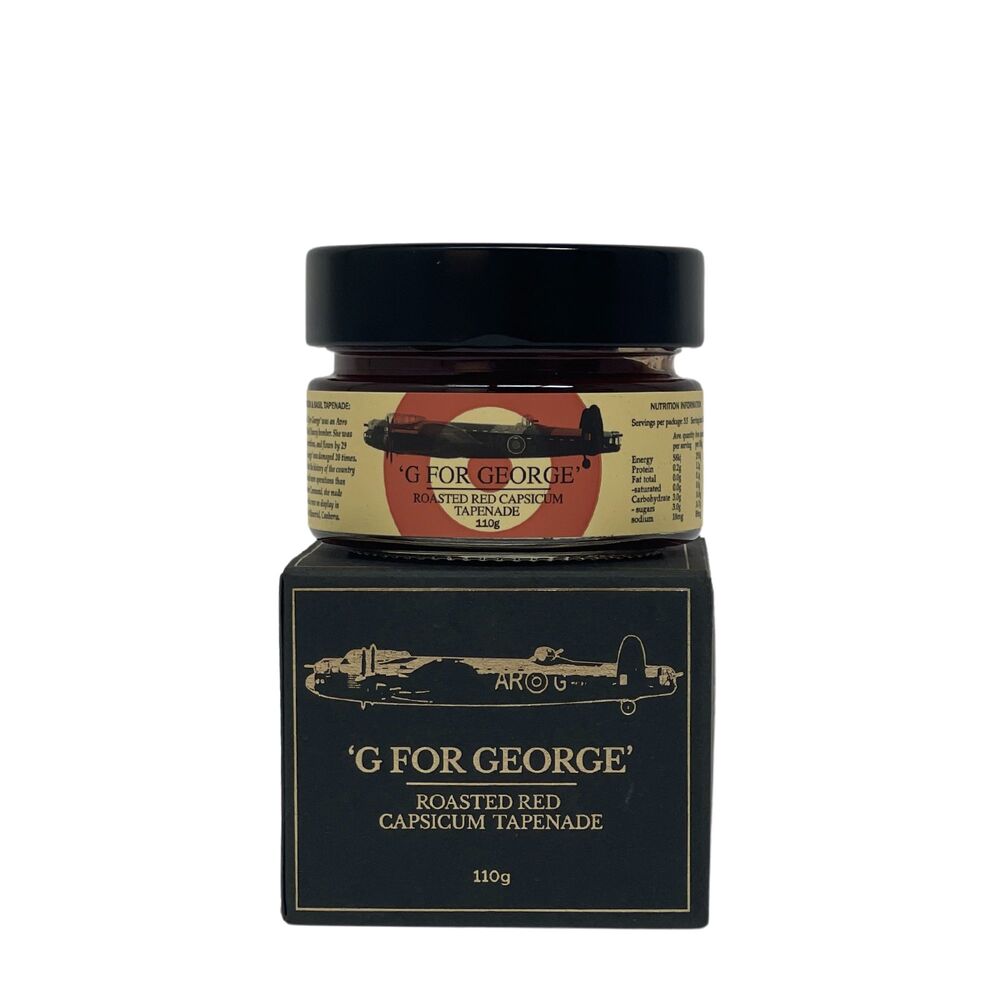

TRCC G For George Roasted Red Capsicum Tapenade - 110g
$6.95
Hand-packed and dispatched from our Corio, Victoria warehouse, with free delivery Australia-wide on orders over $100.
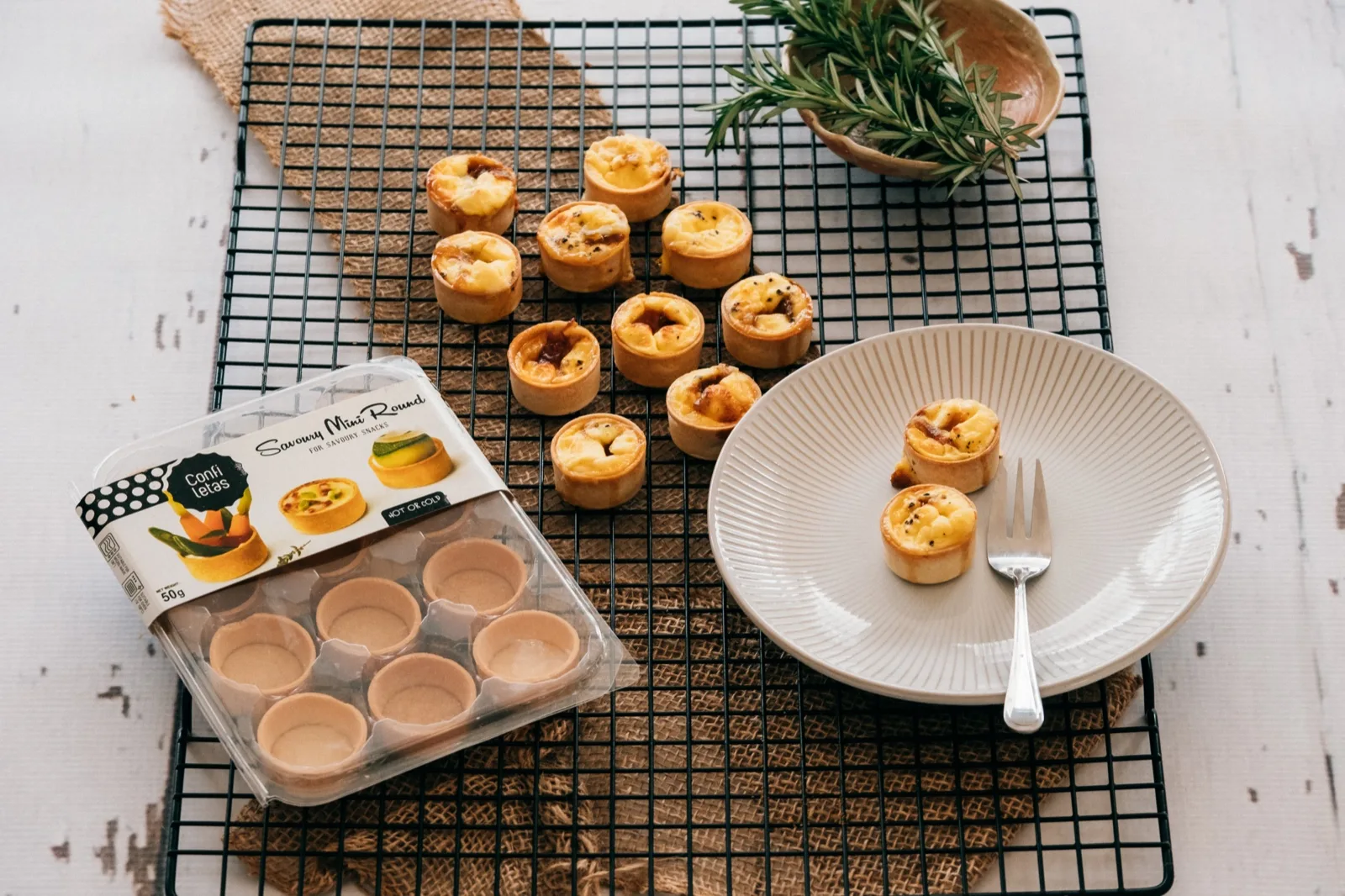
Whipped feta tartlets are ready-made pastry cases filled with feta whipped smooth in a food processor and topped with roasted red capsicum tapenade. Twenty-four of them take about 20 minutes of work, and the only oven time is three minutes to crisp the shells.
The topping decides whether this works
Whipped feta is easy. Keeping it in the pastry is the part that goes wrong, and the usual culprit is what goes on top. Roast your own capsicum and blitz it with oil and you get a sauce, and a sauce sinks into whipped feta within minutes, greys the surface and runs down the side of the case. By the time the tray reaches the room the tartlets are a puddle in a shell.
The fix is a paste rather than a sauce. G for George roasted red capsicum tapenade is thick enough to hold the shape of the spoon, so it sits on the feta instead of soaking into it. It is a 110g jar at $6.95 from The Regimental Condiment Company, whose jars are named after regiments and wartime aircraft, and it tastes sweet and gently smoky rather than salty.
It also has no olives in it, which surprises people who assume tapenade means olive. Capsicum versions borrow the name for the texture and the job. If you want the longer version of that, what tapenade actually is sets the four styles side by side.
Use the food processor, not the stick blender
Feta is a dense, low-moisture curd, and whipping it means shearing it against something while fat goes in slowly. A processor bowl does that: the blade throws the feta at the wall, the wall throws it back, and every gram passes the blade repeatedly.
A stick blender cannot. Its blade sits in a narrow well, the thick mixture packs around it and stops moving, and the motor spins in a pocket of air. What you do next is the actual problem: you add milk or cream to get it turning again. That is how a firm, pipeable feta becomes a dip that will not stay in a 37mm case. If a stick blender is all you have, use a tall narrow jug, keep the batch small, work the head up and down rather than holding it on the bottom, and accept a coarser texture instead of adding liquid.
Method
Method
- Heat the oven to 180°C (160°C fan). Sit the pastry cases on a dry tray, warm them for 3 minutes, then slide them onto a rack to cool. This drives off cupboard moisture, and a dry shell is what keeps its snap under a wet filling.
- Drain the feta, break it into rough 2cm pieces and pat every piece dry. Surface brine is water, and water is what thins the mixture later.
- Put the feta and the yoghurt in a food processor and run it for a full 2 minutes without stopping. It will look grainy at 30 seconds and stay grainy for a while. Keep going.
- Scrape the bowl down, start the motor again and pour the olive oil through the feed tube in a thin, steady stream. The slow stream is the whole trick: the oil emulsifies into the curd and the mixture turns pale and glossy rather than oily and slack.
- Add the lemon juice and a good grind of pepper and run for 20 seconds more. Taste it. Feta brings its own salt, so it almost never needs more.
- Scrape the feta into a piping bag, or a snap-lock bag with one corner cut off, and chill it for 20 minutes. Cold feta holds a peak; feta straight from the processor slumps.
- Smear a quarter teaspoon of tapenade across the base of each case you are building the under way, and leave the rest bare.
- Pipe a heaped teaspoon of whipped feta into each case, finishing with a small peak rather than a flat top. Twenty-four cases take a little under 250g, which leaves you enough for a bowl.
- Spoon half a teaspoon of tapenade onto the tartlets that are getting it on top, then finish every one with thyme leaves, a little lemon zest and a drop of olive oil.
- Serve within 30 minutes. The tray is happy on a bench in a cool room, not on a table in the sun.
Questions we get asked
How do you whip feta so it stays thick?
Buy block feta in brine rather than the pre-crumbled tubs, which are drier and often dusted to stop them clumping. Drain and dry it, use thick yoghurt instead of cream or milk, and add the oil in a slow stream with the motor running so it emulsifies. If it is still looser than you want, chill it. Twenty minutes in the fridge firms whipped feta more than any extra ingredient will, and thinning it to help the blades is the one move that cannot be undone.
Is tapenade always made from olives?
No. The name comes from tapena, the Provençal word for caper, and the classic version is olives, capers, olive oil and usually anchovy. Roasted capsicum versions carry the name for the texture and the job rather than the ingredient, and G for George has no olives in it at all. That is exactly why it earns a place at a table where somebody has never made peace with an olive.
Can whipped feta be made a day ahead?
The feta yes, the tartlets no. Whipped feta keeps three days covered in the fridge and is easier to pipe on day two. Filled cases are a different matter: the pastry starts drawing moisture out of the feta within the hour, so fill no more than 30 minutes before you need them. If you have to be early, use the tapenade-under method, which holds the base for about an hour.
What do you serve whipped feta with besides crackers?
Warm flatbread torn into pieces, cold raw vegetables that snap (radish, celery hearts, witlof leaves), roasted carrots or beetroot spooned onto it while still warm, or under grilled lamb in place of a sauce. It is also a good sandwich base with the tapenade over the top. Whatever is left after the tartlets goes in a bowl with cracked black pepper crackerthins and disappears first.
The jar is the part to get right. G for George roasted red capsicum tapenade is $6.95 for 110g, and the rest of The Regimental Condiment Company range comes in the same small jars, which is a sensible way to try mustards and relishes without committing to a shelf of them. The pastry cases sit with the other Confiletas shapes, and the jars sit with our wider gourmet condiments range. Shipping is free Australia-wide on orders over $100, and orders placed before 12pm on a weekday are dispatched the same day from our Corio, Victoria warehouse, tracked with Australia Post. If the tray is really a gift, the same jars turn up inside our Christmas hampers.
Products in this recipe

More recipes.
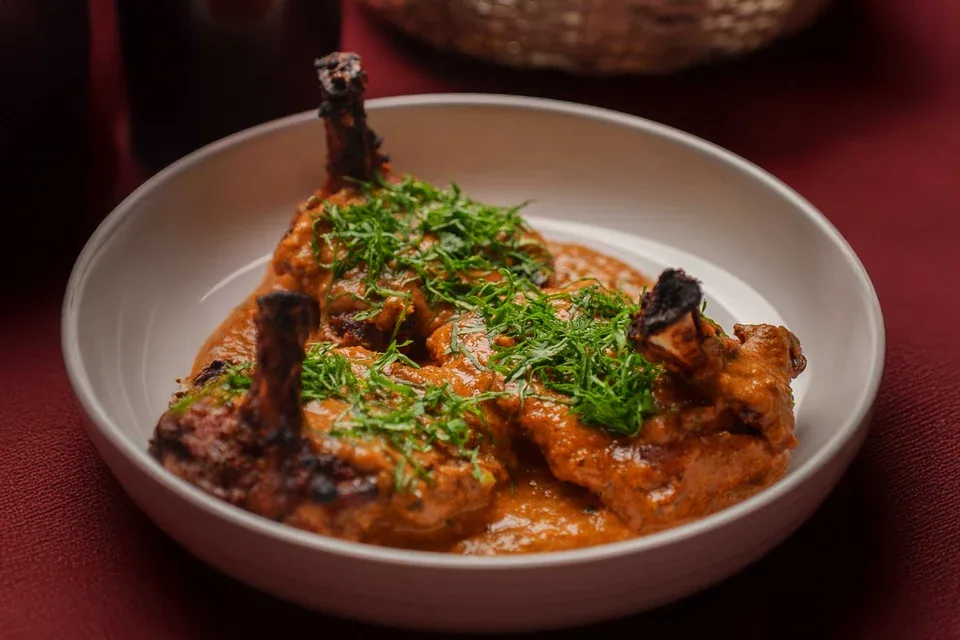
Gymkhana Butter Chicken Chops
The signature dish from Ambassador's Clubhouse, Gymkhana's sister restaurant in London. Bone-in chicken thigh cutlets are coated in tandoori marina
View recipe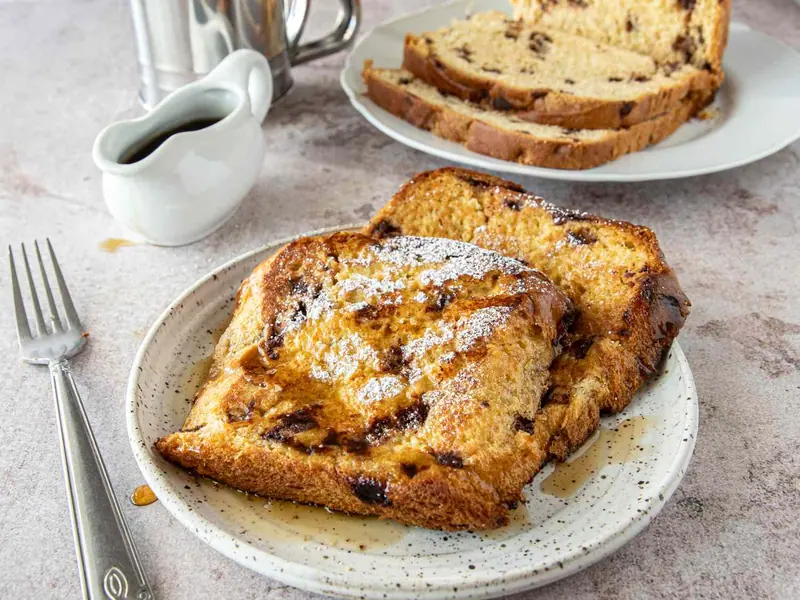
Panettone French Toast
The candied peel and butter already in panettone do most of the work here, so the custa
View recipe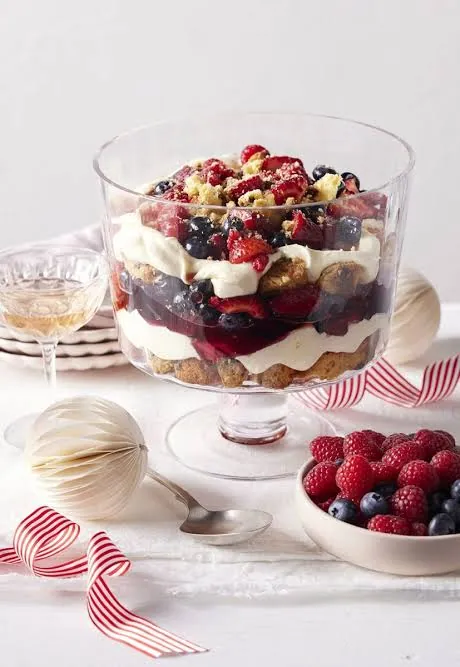
Panettone Trifle
Trifle is the easiest place to put leftover panettone . It replaces the sponge entirely,
View recipeNew recipes, first.
Recipes, new arrivals and gourmet gifting ideas from The Gourmet Pantry. No spam, unsubscribe any time.