
What Tapenade Is, and Eight Things to Do With a Jar
By Jodie Smith, Product & Hamper Manager at The Gourmet Pantry.
Tapenade is a Provençal paste made from olives, capers, olive oil and, in most traditional versions, anchovy, chopped into a coarse and very savoury spread. It is eaten cold, straight from the jar, on bread or crackers. It also cooks well, and that second life is what makes a jar worth keeping rather than opening once and forgetting.
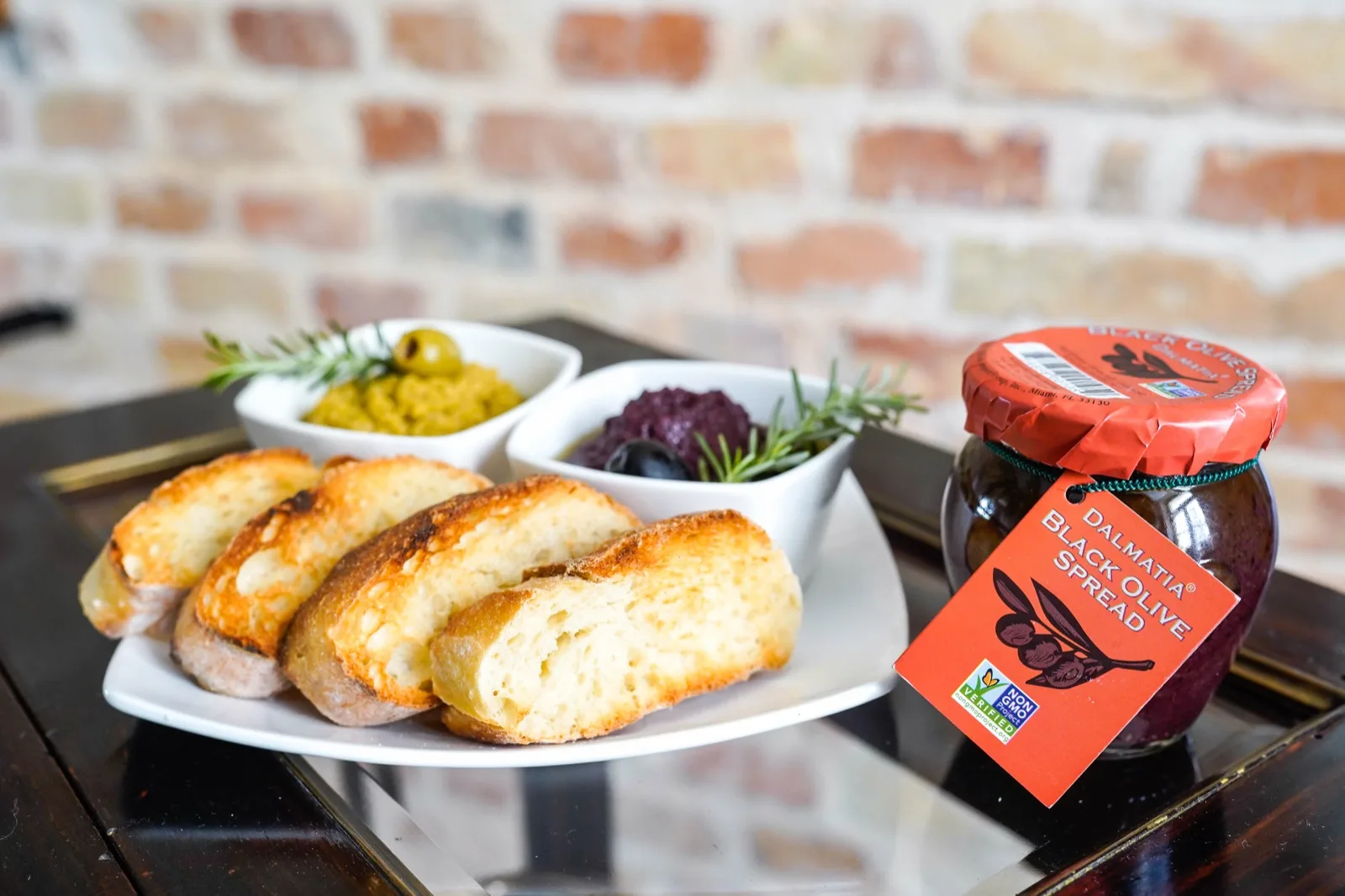
What is in a jar of tapenade
Four things do most of the work: olives, capers, olive oil and salt. Anchovy is traditional and still common. Garlic, lemon, thyme and semi-dried tomato turn up depending on who made it. Everything is chopped rather than blitzed smooth, so a good tapenade keeps its texture, with visible flecks of olive skin and caper instead of a uniform purée.
The name comes from tapena, the Provençal word for caper, which is a small injustice to the olives that fill most of the jar. Capers earn the billing on flavour rather than volume. They carry the sour, briny top note that stops the olives tasting flat and heavy, and a jar made without them is really just olive paste.
We taste everything we range, and the difference between a good tapenade and a dull one is nearly always the olive. Belazu Black Olive Tapenade is built on Beldi olives, a Moroccan variety left to ripen on the tree so they blacken naturally rather than being darkened during processing. They are chopped with capers, garlic and a little semi-dried tomato. What you notice first is a faint liquorice note that tree-ripened table olives have and hurried ones do not, with the capers and garlic arriving behind it.
Tapenade, olive paste and olive spread
Shelf labels use these interchangeably. They are not the same thing.
- Tapenade contains capers by definition, plus olive oil, and usually anchovy. Coarse texture, sharp finish.
- Olive paste or olive pâté is olives and oil blended smooth, with little else. Milder and more one-note, which suits cooking into a sauce where you want olive flavour without the caper sharpness cutting through.
- Olive spread is a shelf term rather than a recipe and can mean either. Read the ingredients.
For a board, buy tapenade. The acidity is exactly what makes it work beside cheese and cured meat. For stirring into a braise, an olive paste does the job.
Black, green, and the ones that are not olives at all
Tapenade is not one flavour, and the styles are not interchangeable. These are the four you will meet in Australia.
| Style | What is in it | Tastes like | Best on |
|---|---|---|---|
| Black olive | Ripe black olives, capers, garlic, olive oil, often anchovy | Deep and savoury, faint liquorice, long salty finish | Crackers, roast chicken, lamb, pasta, tomatoes |
| Green olive | Green olives, capers, sometimes almond, lemon or basil | Sharper and more bitter, brighter, less sweet | Fish, eggs, goat's cheese, spring vegetables |
| Roasted capsicum | Roasted red capsicum, oil, herbs, no olives at all | Sweet, mild, gently smoky | Sandwiches, dips, guests who dislike olives |
| Olive paste | Olives and oil, blended smooth | Simply olive, softer and rounder | Sauces, dressings, thin spreading |
We stock two of these. The Belazu jar is the classic black olive style. Roasted red capsicum tapenade from The Regimental Condiment Company is the outlier, sweet and capsicum-led rather than olive-led, and it is the one to put out when somebody at the table has never made peace with an olive. Both sit under $15.
Eight things to do with a jar of tapenade
The order is deliberate. The first three need no cooking. The last five are where tapenade stops being a dip and starts working as an ingredient.
1. Spoon it out and put something crisp beside it
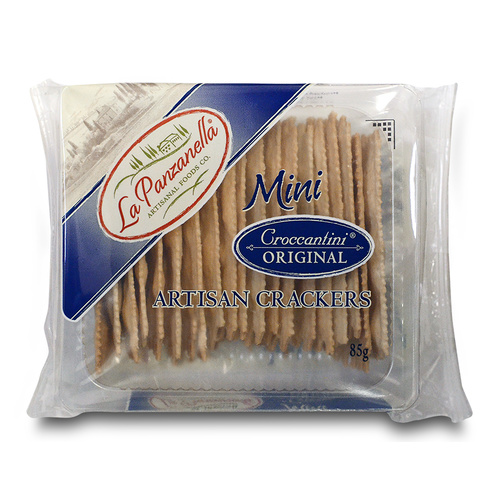
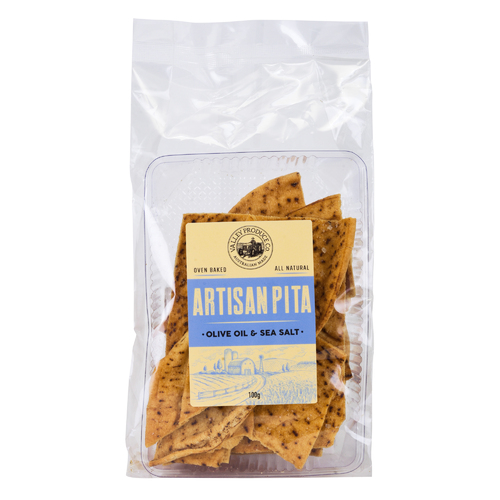
Tapenade in a small bowl, a slick of olive oil over the top so it does not dry out, crisp things alongside. La Panzanella mini croccantini are plain enough not to argue with it, and olive oil and sea salt pita gives you a sturdier scoop. Radishes and cold celery too: raw crunch against that much salt is the best version of this. Two minutes, and the cracker range offers a second option.
2. Load it into pastry shells
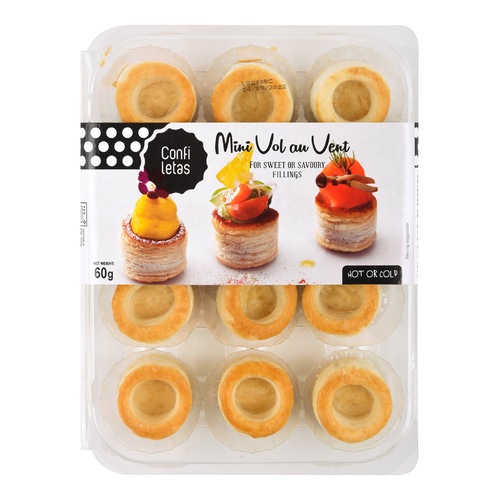
Fill mini vol au vent shells with whipped ricotta or soft goat's cheese, add half a teaspoon of tapenade and a scrape of lemon zest. Twelve canapés in five minutes, oven off. Mini savoury pastry cases do the same job in a flatter shape. Both sit in our tarts and pastry shells range and keep for months in the cupboard, which is their real argument.
3. Whisk it into a dressing
One tablespoon of tapenade, three of olive oil, the juice of half a lemon. Whisk, taste, then decide about salt. It goes on warm potatoes, green beans and sliced tomatoes, and thinned this way it will sit on a fried egg or grilled fish without taking over. A grassy Australian oil like the Kangaroo Island extra virgin olive oil suits it.
4. Stir it through hot pasta
Two heaped tablespoons for four, slackened with a ladle of pasta water so it coats rather than clumps, then parmesan and more pepper than feels reasonable. Good Hair Day fusilli holds a coarse sauce well. Add a tin of Australian albacore tuna and it is dinner.
5. Push it under the skin of a roast chicken
Belazu suggests this on the jar, and it is the best thing you can do with the rest of it. Work your fingers between skin and breast, spread two tablespoons underneath, then roast as usual. The oil bastes the meat from the inside and the salt seasons it through. Do not salt the bird beforehand.
6. Use it as a crust
A thin layer over a rack of lamb or a fillet of firm white fish works as marinade and seasoning at once, the answer for meat you forgot to marinate. Press breadcrumbs on top if you want crunch. Fifteen minutes at 200°C does a fish fillet.
7. Put it in a toasted sandwich
A thin scrape in a cheese and tomato toastie is the other use Belazu prints on the label, and it is right. Keep the layer thin: tapenade is salty enough that a generous hand turns lunch into a chore.
8. Stir it into things that taste like they need something
A spoonful into a slow-cooked lamb shoulder, a tray of roasting potatoes, a pot of braised white beans. It does what anchovy does in a braise, adding depth without announcing itself. Beaten into soft butter it is a compound butter for steak or corn. Tapenade is the same pantry shortcut as a jar of harissa paste: one jar doing the work of three.
Boards, jars and the things that go on them.
Christmas ordering reminders and new arrivals, one email when it matters. Unsubscribe any time.
What to serve with tapenade
Tapenade is salty, oily and sharp, so everything beside it should be one of three things: plain and crisp, fatty and mild, or cold and raw. That is the whole rule.
- Plain and crisp: water crackers, seeded crisps, pita, sourdough toasted and torn rather than sliced. The kalamata olive and sun-dried tomato seed crisps pick up the same flavours if you want the plate to sing in one key.
- Fatty and mild: soft goat's cheese, ricotta, a young brie, boiled eggs, cured meats. Fat is what stops the salt landing too hard.
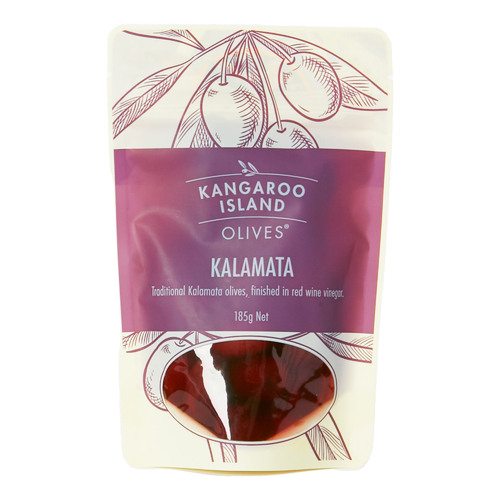
- Cold and raw: radishes, celery, fennel, cucumber, cherry tomatoes, and Kangaroo Island kalamata olives in a bowl next to it for the people who want more olive, not less.
On a grazing table it belongs at the savoury end, near the cured meats rather than the quince paste. Our cheese board guide covers how to lay that out, and the Christmas charcuterie board is the December version with quantities. The rest of the shopping list sits in festive entertaining essentials.
How much you need, and how long it keeps
A 170g jar is enough for eight to ten people as one element on a board, or four to six if it is the only dip on the table. As an ingredient it goes further: that same jar will do a roast chicken, a pasta for four and still have a few spoonfuls left.
Once opened, keep it in the fridge and it holds for around three weeks. Level the surface and keep a thin film of olive oil over the top, and always use a clean dry spoon, since water in the jar is what turns it sour early. Oil separating out is normal, so stir it back through. If you know you will not finish it, freeze it in an ice cube tray and drop a cube straight into a hot pan.
Tapenade questions we get asked
What is tapenade made of?
Olives, capers, olive oil and salt, chopped coarsely rather than blended smooth. Most traditional recipes include anchovy, and garlic, lemon, thyme or semi-dried tomato are common additions. Black olive tapenade is the standard style; green olive versions are sharper. Not every jar contains anchovy, so check the label if that matters to you.
What do you eat tapenade with?
Crackers, toasted sourdough and raw vegetables are the usual three, with soft cheese, boiled eggs or cured meats beside it. It also cooks: stirred through pasta, pushed under the skin of a roast chicken, spread on lamb or firm white fish before roasting, or whisked with olive oil and lemon into a dressing for warm potatoes and green beans.
Is tapenade the same as olive paste?
No. Tapenade contains capers, which is where the name comes from, and it is chopped rather than puréed, so it stays coarse. Olive paste or olive pâté is olives and oil blended smooth, milder and rounder. Tapenade is better on a board; olive paste is easier to cook into a sauce. Olive spread is a shelf term and can mean either.
How long does tapenade keep once opened?
About three weeks in the fridge with a film of olive oil over the surface and a clean spoon each time. Unopened, a jar keeps for a year or more in the cupboard. It freezes well, so spoon leftovers into an ice cube tray if the jar is outliving your interest in it.
Where to start
One jar covers a board, a roast chicken and a pasta, which is a better return than most things on the gourmet condiments shelf. Start with Belazu Black Olive Tapenade if you want the classic black olive style, or the roasted red capsicum tapenade if your table includes an olive sceptic. Both sit alongside the crackers, oils and pastry shells in our range, and if you are building a gift rather than a plate, our Christmas hampers cover the same ground. Orders placed before 12pm on a weekday are dispatched the same day, and shipping is free Australia-wide over $100. Belazu's full range sits on the Belazu page.
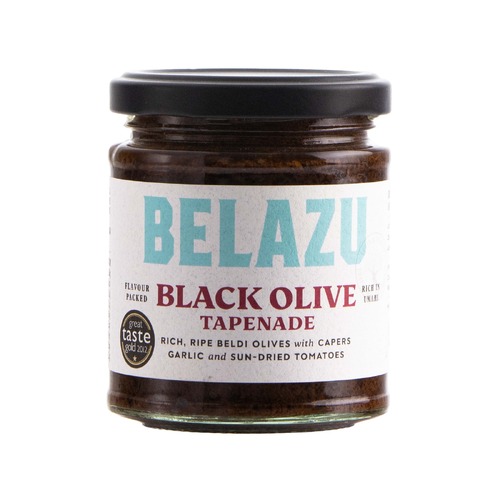
BELAZU Black Olive Tapenade (170g)
$12.95
Hand-packed and dispatched from our Corio, Victoria warehouse, with free delivery Australia-wide on orders over $100.

More from the blog.
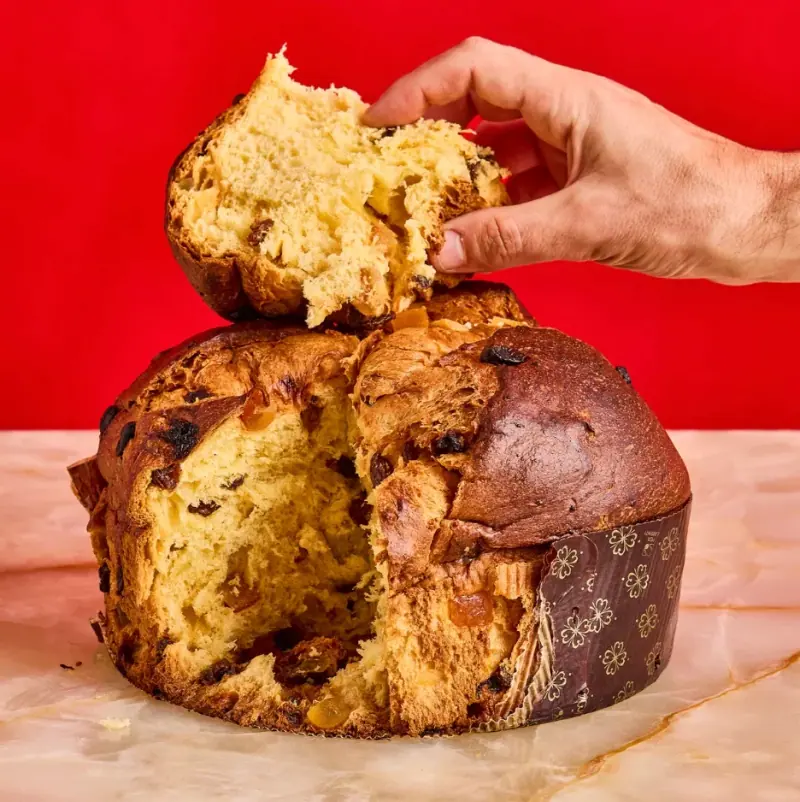
What Is Panettone?
A tall, domed Italian Christmas bread made over three days with a living sourdough starter. Here is what separates a good panettone from a cheap one.
Read now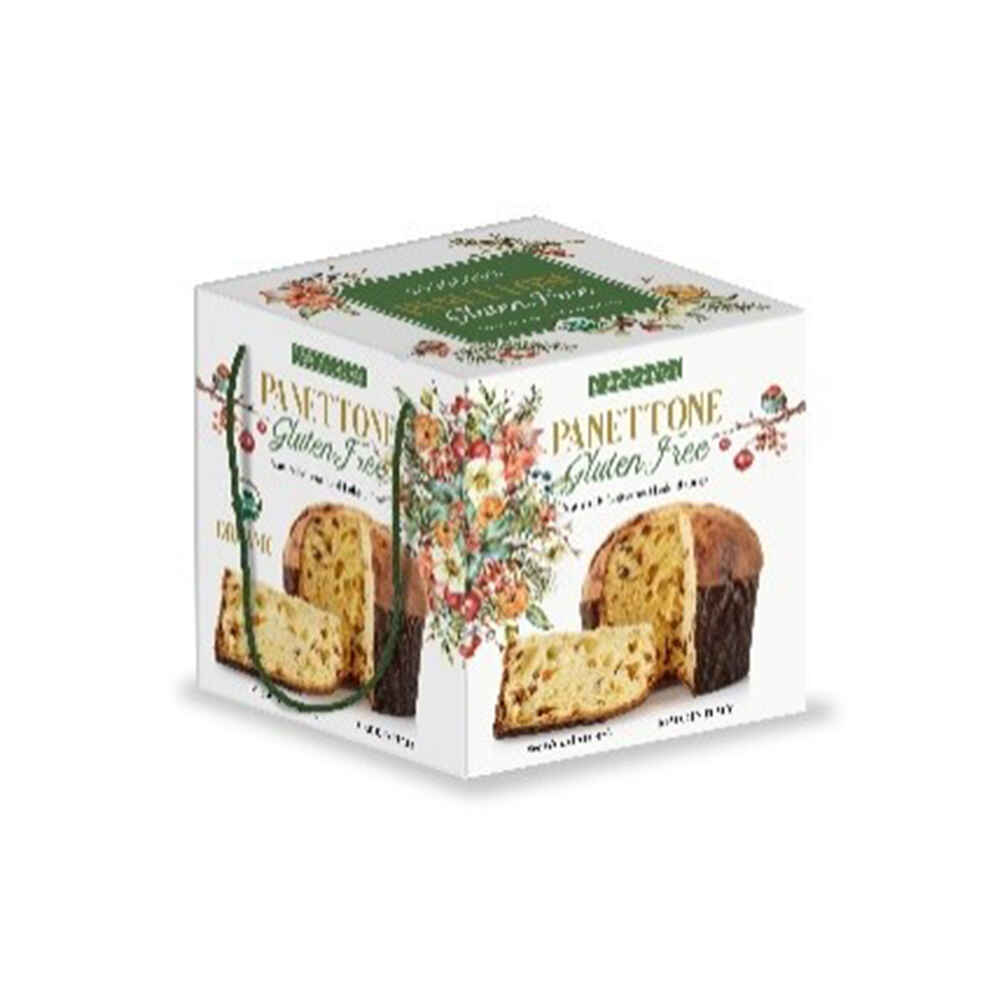
Gluten-Free Panettone in Australia
Gluten-free panettone is one of the hardest things in baking to get right. Here is why, what separates a good one from a dry one, and how to serve it.
Read now
The Foodies Hamper: Eight Items, and What a Cook Does With Each
Eight packets, six of them sweet, and not a jar of anything in sight. What is actually in the box, and what somebody who cooks can do with each item once the ri
Read now