
What to Do With Cranberry Sauce, After the Turkey Is Gone
By Jodie Smith, Product & Hamper Manager at The Gourmet Pantry.
Leftover cranberry sauce goes on cheese, in sandwiches, under roast chicken and pork, into pan sauces, salad dressings and glazes, and through yoghurt or cream for dessert. Keep the open jar in the fridge, use a clean dry spoon, and freeze what you cannot finish. One 110g jar covers a roast lunch and a week of leftovers.
Cranberry sauce has a calendar problem
Most households buy one jar a year, open it on 25 December and find it again in March, behind the mustard, still three quarters full. Nothing has gone wrong with the sauce. Sharp fruit, sugar and enough set to hold a spoon shape is a useful thing to have in a fridge. The only reason it sits there is that nobody suggests a second use.
The jar we sell most of is the TRCC cranberry sauce, a 110g mini at $6.95 from The Regimental Condiment Company, whose range is named after regiments and wartime aircraft: the mustards on the same shelf are Spitfire, Lancaster and Hurricane. The cranberry listing is blunt about where it belongs, enjoy with your favourite ham off the bone, which is fair and also why it vanishes for eleven months.
Nine places an open jar goes next
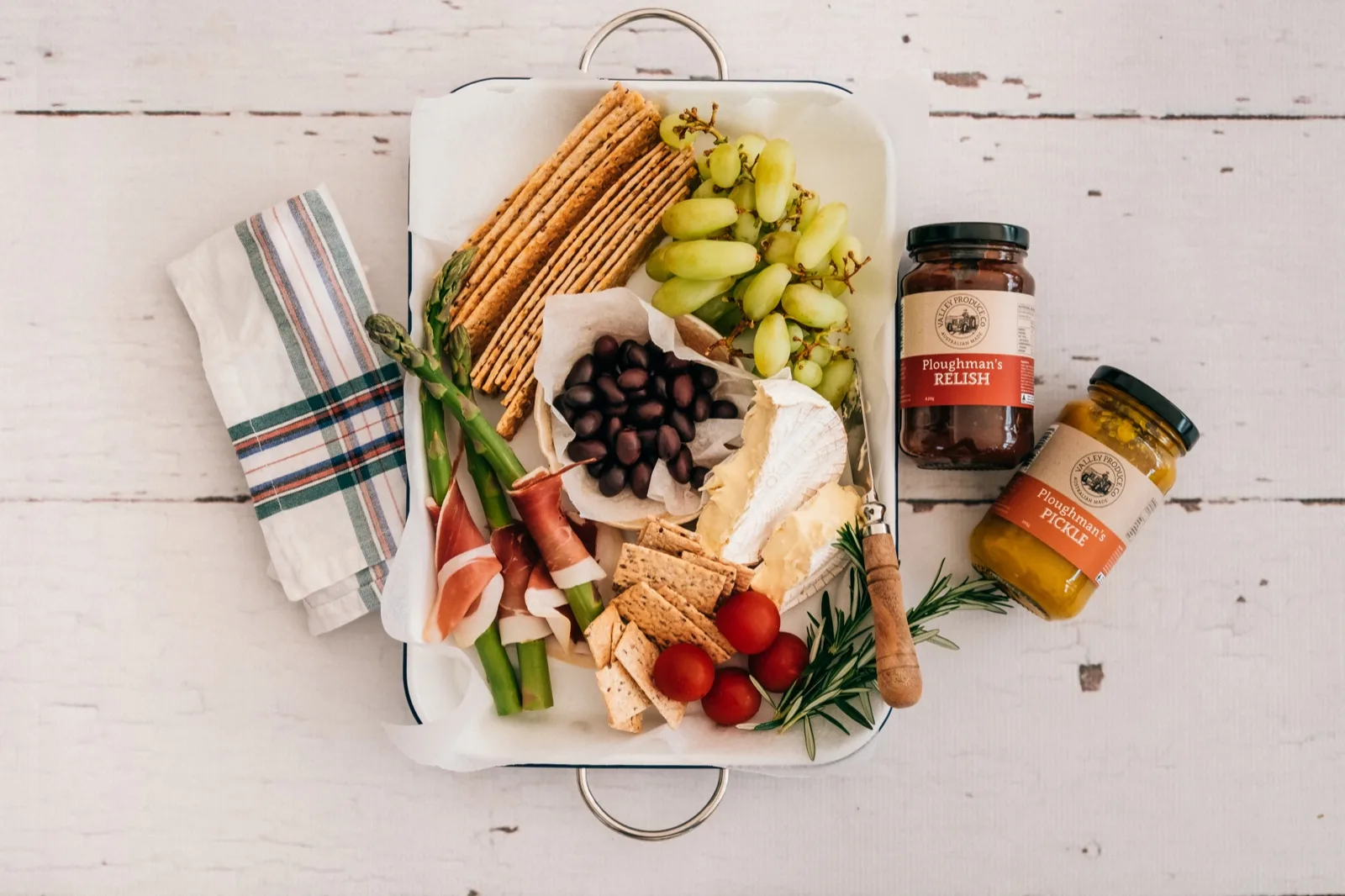
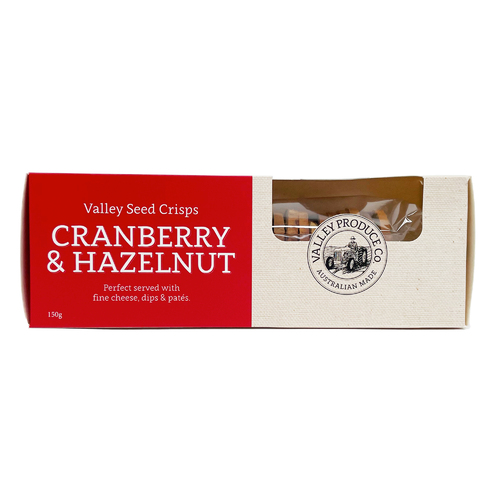
- Beside a soft cheese. A spoonful next to brie or camembert, with something crunchy under it. The cranberry and hazelnut seed crisps from Valley Produce Company are $6.95 and already halfway to the idea.
- The cold meat sandwich. Spread it on the bread rather than on the meat, so the bread stays dry. Butter, then cranberry, then cold chicken or leftover Christmas ham, then more pepper than feels reasonable.
- Roast chicken or pork on an ordinary Tuesday. Warm two spoonfuls with a splash of the pan juices and pour it over as the meat is carved.
- A pan sauce in 90 seconds. Pour the fat off the pan, add a tablespoon of sauce and two of water, scrape everything off the base and season.
- A glaze. Brush it over sausages, meatballs or chicken wings for the last 10 minutes at 200°C. Keep it off a hot dry pan, where the sugar catches long before anything else happens.
- Salad dressing. One spoon of sauce, one of red wine vinegar, three of olive oil, shaken hard. Built for bitter leaves, walnuts and a firm cheese.
- On toast, under ricotta. Or through porridge, the least festive use on this list and the one that empties a jar fastest.
- Folded through cream. Two tablespoons rippled, not stirred, through mascarpone or thick yoghurt, spooned into small glasses with a biscuit on the side.
- The toasted sandwich. Brie and cranberry, buttered outsides, medium heat. This is what Boxing Day lunch should be and it takes four minutes.
Cranberry sauce and cheese, properly
Yes, and it is the pairing most worth learning, because it costs nothing to set up. Sweet and sour together cut through fat, so the sauce does its best work against the richest cheeses on a board: brie, camembert, a triple cream. A teaspoon per wedge, on the cracker rather than the cheese.
Aged cheddar takes it if you keep the spoon small, since a long-matured cheddar has its own sweetness and the two can shout over each other. Blue cheese is the other reliable partner, on the logic that makes quince paste work there. Goat's curd is the one to skip; it is sharp enough already.
The base matters more than people expect. A plain water cracker lets the sauce lead; a seeded crisp brings its own sweetness and turns the mouthful into a composed thing. There is a fuller guide to which cracker goes with which cheese if you are building a board rather than raiding one, and the rule we set out for tomato relish on a cheese plate holds here too: small jars spaced along the board, not one big bowl at the end of it.
How long an open jar keeps
Into the fridge once opened, and out again for the length of a meal rather than an afternoon. Most makers allow a few weeks on an opened jar, and the label on yours beats anything written here. What turns a jar early is not the calendar, it is the buttery knife that went back in for a second go. Keep a clean dry spoon with it.
If a fortnight will pass before you get near it again, freeze it. Spoon it into an ice cube tray, freeze, bag the cubes, and drop one straight into a hot pan next time you cook chops or chicken thighs. Unopened, a sealed jar keeps in the cupboard until its best-before date.
Buying a jar you will actually finish
Small beats large here, which is not something we say often. The 110g mini at $6.95 is a little under half a cup: enough for a roast lunch for four with a couple of spoonfuls left over, and not so much that you are still looking at it in autumn. Two minis opened a month apart waste less than one big jar.
For a bigger jar from the same shelf, the 310g Officers' Mess range is $12.95, and the Officers' Mess mint jelly is the lamb equivalent of this whole page. The maker's own note on it is that a mess cook was judged on his mint jelly, or lamb jam as it was often called, at the weekly roast night. The rest sits with our gourmet condiments, and the jars that earn a place on a December table are gathered in festive entertaining essentials.
Jars are also the sturdiest thing you can send in an Australian summer. Chocolate has opinions about a hot delivery van and a condiment has none, which is why condiments go into so many of the Christmas hampers we pack by hand in Corio, just outside Geelong. Shipping is free Australia-wide over $100, and weekday orders placed before 12pm are dispatched the same day. The journey after that is Australia Post's, so December orders want a week of margin.
Ideas for the jars in the fridge door.
Christmas ordering reminders and new arrivals, one email when it matters. Unsubscribe any time.
Cranberry sauce questions we get asked
What can I do with leftover cranberry sauce?
Put it beside soft cheese, spread it in a cold meat sandwich, warm it with pan juices for roast chicken or pork, or brush it over sausages and wings as a glaze. It also makes a fast dressing with vinegar and oil, and ripples through mascarpone or thick yoghurt for a dessert. Anything rich, salty or fatty is a candidate.
Does cranberry sauce go with cheese?
It does, and it suits the rich end of the board best: brie, camembert and triple cream styles, where the acid cuts the fat. Blue cheese works for the same reason quince paste does. Keep the spoon small with aged cheddar, and skip goat's curd, which is sharp enough already. Serve it on the cracker rather than on the cheese.
How long does cranberry sauce keep in the fridge?
Refrigerate it once opened and go by the label on your jar, which usually allows a few weeks. Use a clean dry spoon each time, since crumbs and butter carried back into the jar are what spoil it early. If you will not finish it, freeze it in an ice cube tray and use the cubes straight from frozen in pan sauces and glazes.
Start with the small jar
Buy one TRCC cranberry sauce mini, park it in the fridge door and work down the list: cheese, sandwich, pan sauce, toastie. If it is empty inside a month, buy two next time and put the second one with the gourmet condiments that go on the same plates.
The day you want cranberry sauce is rarely the day you planned to shop for it.
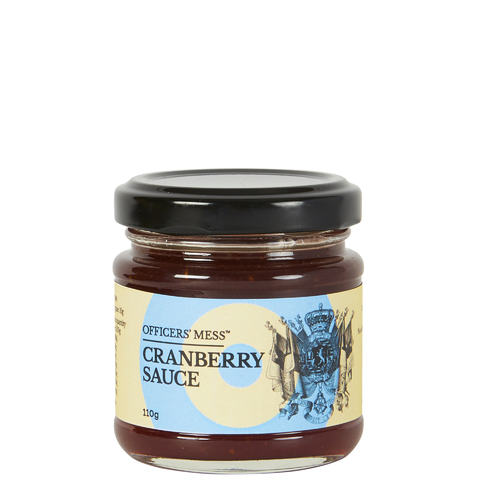
TRCC Cranberry Sauce Mini 110g
$6.95
Hand-packed and dispatched from our Corio, Victoria warehouse, with free delivery Australia-wide on orders over $100.
More from the blog.
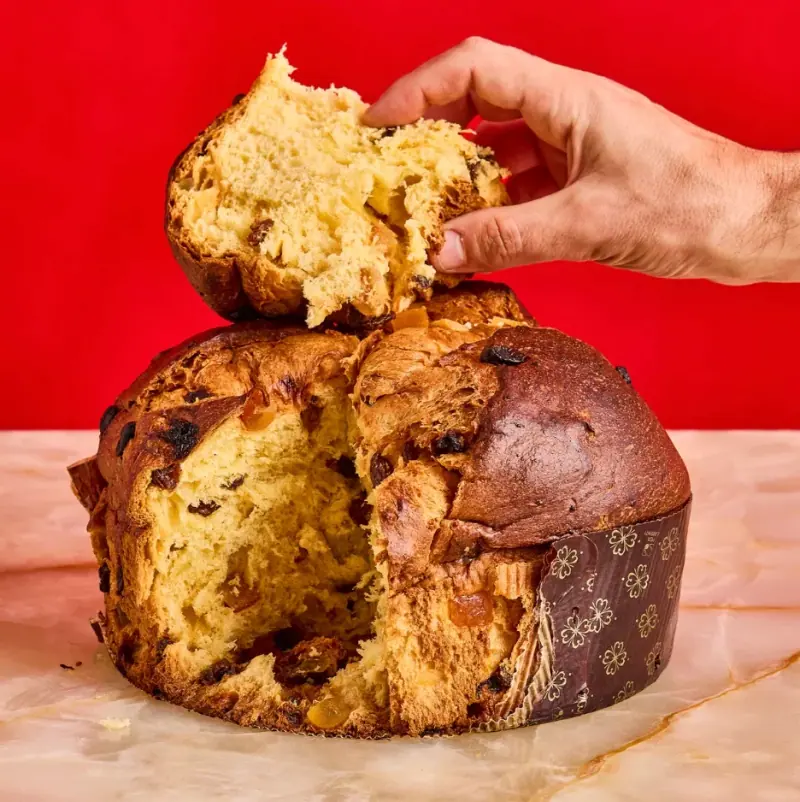
What Is Panettone?
A tall, domed Italian Christmas bread made over three days with a living sourdough starter. Here is what separates a good panettone from a cheap one.
Read now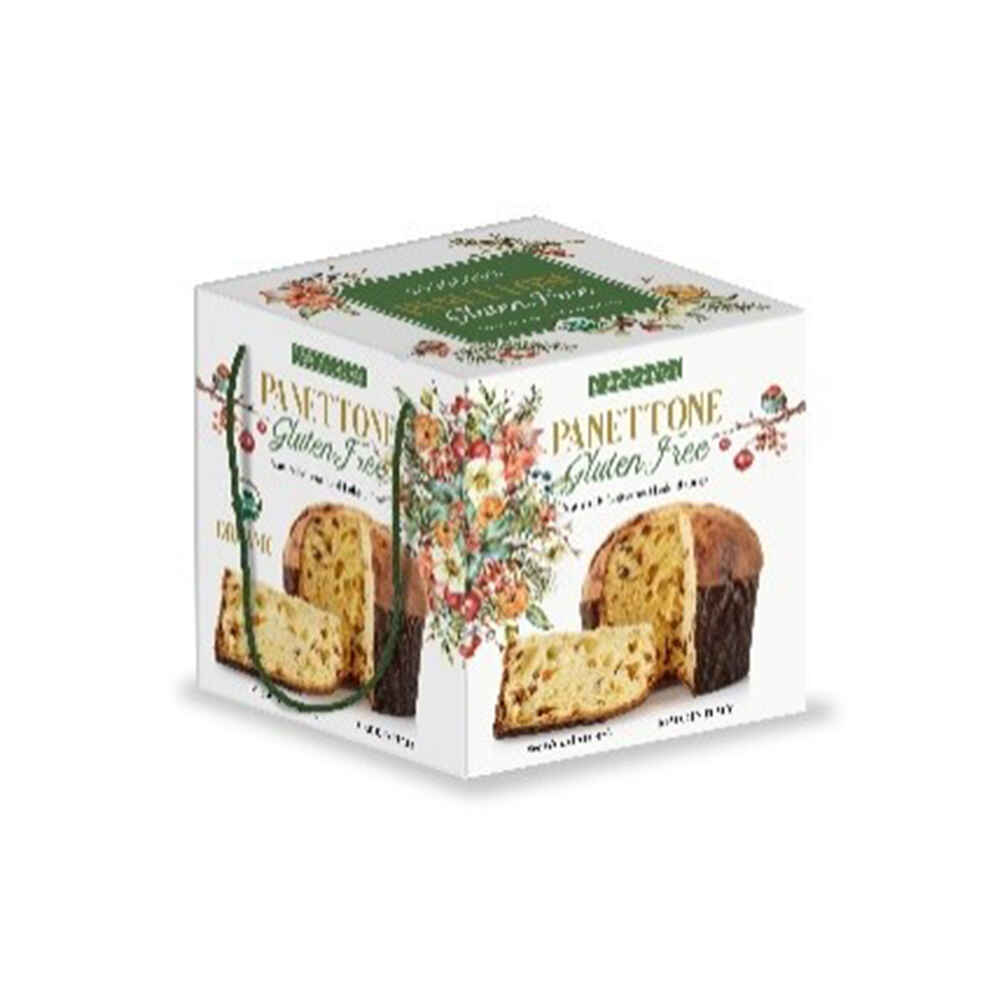
Gluten-Free Panettone in Australia
Gluten-free panettone is one of the hardest things in baking to get right. Here is why, what separates a good one from a dry one, and how to serve it.
Read now
The Foodies Hamper: Eight Items, and What a Cook Does With Each
Eight packets, six of them sweet, and not a jar of anything in sight. What is actually in the box, and what somebody who cooks can do with each item once the ri
Read now