

Chicken Tagine With Preserved Lemons and Olives

BELAZU Preserved Lemons (200g)
$12.95
Hand-packed and dispatched from our Corio, Victoria warehouse, with free delivery Australia-wide on orders over $100.
Chicken tagine is bone-in thighs browned hard, then simmered with onion, garlic and warm spices until the sauce thickens around them. Preserved lemon goes in early, olives go in at the end. You do not need a tagine pot: a heavy casserole with a lid does the same work. Serves 4, prep 20 minutes, cook 1 hour 20 minutes.
Use the skin, and throw the pulp away
This is the step most tagine recipes leave out, and it is the one that decides whether the pot tastes of lemon or of salt. A preserved lemon is a whole lemon cured in salt and its own juice until the rind goes soft and savoury and loses its bitterness. The rind is the ingredient. Quarter the lemon, run a small knife between the rind and the pulp, scrape the pulp away, rinse the rind under cold water for a second or two, then cut it into thin strips.
The pulp is not rubbish, but it is not what you want in a tagine either. It is salt, seeds and slack juice, and stirred into a pot it clouds the sauce and makes it aggressively salty without adding much flavour. One lemon's worth of skin is enough for this recipe, which is the argument for the jar: a 200g jar of Belazu preserved lemons, $12.95, is three or four tagines rather than one dinner, with enough left over for a dressing. Once it is open, keep it in the fridge with the fruit under the brine and use a clean dry spoon every time. If the brine drops below the top lemon, push it down or top the jar up with lemon juice.
The jar sits with the pastes, oils and molasses in the Belazu range, which is the shelf this whole recipe leans on.
You do not need a tagine pot
The cone lid on a real tagine catches steam and drips it back onto the food, so a long, low simmer stays wet without you topping it up. A heavy casserole with a tight lid does close enough to the same job that the pot is a nice thing to own rather than a requirement. Cast iron, enamelled cast iron, or any deep pan whose lid sits flush will all work.
Two things matter more than the pot. Keep the heat low enough that the surface barely moves, because a rolling simmer shreds chicken thighs and drives off the liquid you need for the sauce. And if your lid is loose, add another 50ml of stock at the start rather than lifting it to check halfway through. Every look costs you steam.
The shorter version, if you do not want to build the spicing
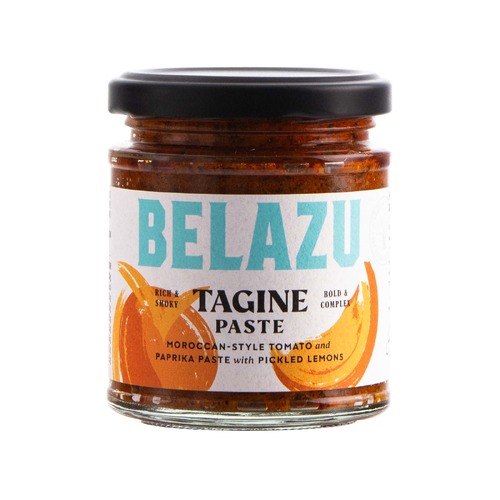
The five ground spices in the list below can be swapped for two tablespoons of Belazu tagine paste, 170g for $12.95, which carries smoked paprika, tomato and preserved lemon in one spoon. Stir it in where the spices go, keep the preserved lemon strips because the paste is a background note rather than a hit of citrus, and carry on from there. Our beef tagine is built on that paste from the start and sits in the pot for longer, and there is more on what else the tagine paste does if the jar is already open.
Method
Method
- Pat the chicken thighs dry with paper towel and season them on both sides with the salt and half the pepper.
- Heat 2 tablespoons of olive oil in a heavy casserole over medium-high heat.
- Brown the thighs skin side down for 6 to 7 minutes, in two batches if the pan is crowded, until the skin is deep golden and lifts away from the base on its own.
- Turn them, give them 2 minutes on the second side, then move them to a plate.
- Pour off all but about 2 tablespoons of the fat.
- Turn the heat to medium-low and cook the onions in that fat for 10 to 12 minutes, stirring now and then, until they are soft and starting to colour.
- Add the garlic and cook it for 1 minute, no longer, because it catches quickly in hot chicken fat.
- Add the cumin, ground ginger, paprika, turmeric, cinnamon stick and the rest of the pepper, and stir for 30 seconds until the spices smell toasted.
- Return the chicken to the pan skin side up, along with any juices left on the plate.
- Pour in the stock and scatter the preserved lemon strips around the chicken, not over the skin.
- Bring the pan to a bare simmer, cover it, and cook at the lowest simmer your stove will hold for 40 minutes.
- Take the lid off and cook for another 15 minutes, so the sauce reduces and thickens around the thighs.
- Stir the drained olives through the sauce and give them 3 minutes to warm.
- Taste the sauce for salt now, and only now, because the lemon and the olives have both been seasoning it while you were not looking.
- Scatter the coriander over the top, drizzle with the last tablespoon of olive oil, and serve with couscous, rice or flatbread.
Make ahead, and the second night
This is better on day two, which makes it a good pot to cook on a Sunday. Stop it at step 12, cool it, and keep it covered in the fridge for up to three days. Reheat it gently on the stove with a splash of water, then add the olives and the coriander as though you had just made it. The olives are the one thing that does not improve with sitting.
Leftover meat pulled off the bone, warmed through in its own sauce and piled onto flatbread with yoghurt, is the best lunch this recipe produces. Cold, the sauce sets to a jelly, which is a sign the thighs gave up what they were meant to. A crisp side cuts through all of it, and our green salad with preserved lemon dressing uses another quarter of the same jar.
Common questions
Do you use the whole preserved lemon or just the skin?
Just the skin. Quarter the lemon, run a knife between the rind and the pulp, scrape the pulp out and rinse the rind briefly before you slice it. The pulp is salt, seeds and loose juice, and it makes a sauce cloudy and over-salted. All the flavour you are after, the soft savoury citrus that behaves more like an aromatic than an acid, sits in the rind.
Do you need a tagine pot to make a tagine?
No. The pot's cone lid returns condensed steam to the food, and a heavy casserole with a lid that sits flush does close enough to the same thing. Cast iron or enamelled cast iron holds low heat best. If you do use an unglazed clay tagine on a gas flame, put a heat diffuser under it and bring it up slowly, because clay does not like a sudden hot ring.
How long do preserved lemons keep once opened?
Refrigerated, with the fruit kept under its brine and a clean dry spoon used every time, an opened jar goes a long way past a single meal. Check your jar's label for the manufacturer's advice on how long after opening it should be used. Top the brine up with lemon juice if it drops below the top lemon, and keep the rim clean so the lid seals properly.
What olives are best in a tagine?
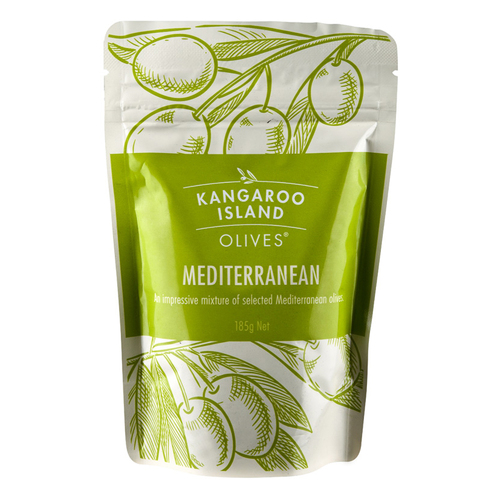
Firm green or purple-black olives in brine, added at the end. A mixed jar such as the Mediterranean olives gives you more variety on the plate, and kalamata are the choice if you want one variety with a deeper, more savoury bite. Avoid soft black olives from a tin, which collapse in a hot sauce. Whatever you use, keep it out of the pot until the last three minutes.
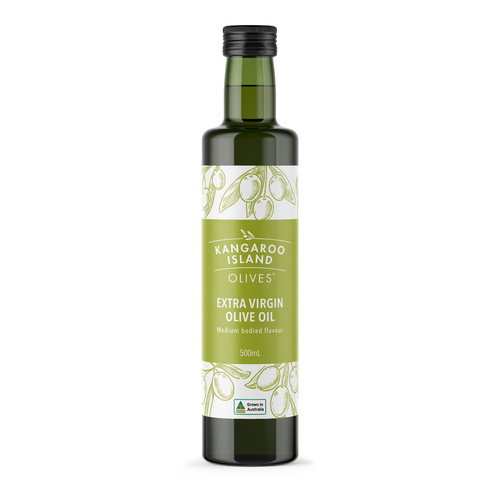
The preserved lemons, the olives and the oil for this recipe all sit within the Belazu range and our Kangaroo Island shelf, and shipping is free Australia-wide on orders over $100.
Products in this recipe
More recipes.
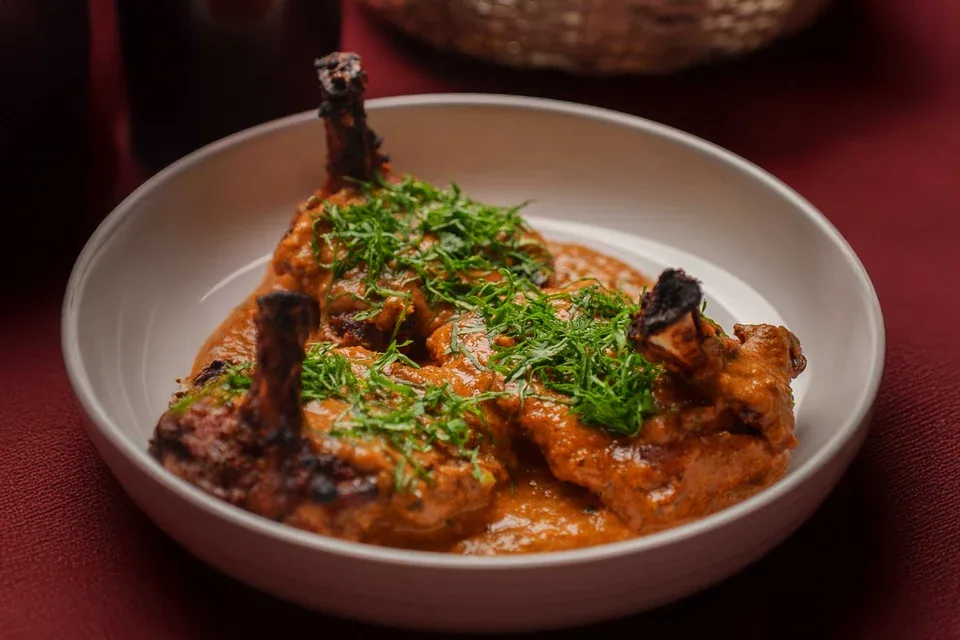
Gymkhana Butter Chicken Chops
The signature dish from Ambassador's Clubhouse, Gymkhana's sister restaurant in London. Bone-in chicken thigh cutlets are coated in tandoori marina
View recipe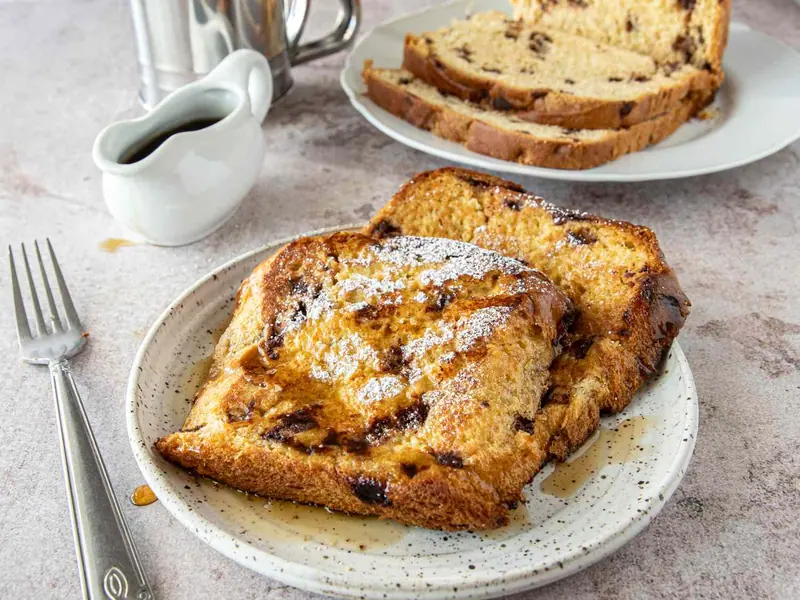
Panettone French Toast
The candied peel and butter already in panettone do most of the work here, so the custa
View recipe
Panettone Trifle
Trifle is the easiest place to put leftover panettone . It replaces the sponge entirely,
View recipeNew recipes, first.
Recipes, new arrivals and gourmet gifting ideas from The Gourmet Pantry. No spam, unsubscribe any time.