

Kangaroo Island Olives - Extra Virgin Olive Oil 250ml
$19.25
Hand-packed and dispatched from our Corio, Victoria warehouse, with free delivery Australia-wide on orders over $100.
A Dijon vinaigrette is oil, vinegar, salt and a teaspoon of mustard, shaken. The mustard is not there for flavour. It is what holds the oil and the vinegar together, all the way from the jar to the table. Three parts oil to one part vinegar. Makes about 250ml.
Mustard is the emulsifier, not the flavour
Oil and vinegar do not dissolve into one another. Shake them and the oil breaks into droplets, which is why the jug looks creamy for about a minute. Leave it alone and those droplets find each other, merge and float back to the top. Nothing in a plain vinaigrette stops that. It separates in the jug while you carry it to the table, and the first plate gets oil while the last gets vinegar.
Mustard is what stops it. Ground mustard seed does two useful things at once. The seed coat gives up a soluble gum that thickens the watery half of the mix and slows the droplets moving through it, and the ground particles are fine enough to sit on the surface of each oil droplet and get in the way when two of them try to join up. One teaspoon holds a jarful together for the length of a meal. Two will hold it in the fridge for days.
At that quantity you do not taste mustard. Make the same dressing twice, with and without, and the one carrying mustard reads as rounder and more of the olive oil rather than more of the mustard. That is the emulsion doing its work: the oil is suspended right through the dressing instead of sitting on top of it.
Which Dijon, and how much
Reach for a smooth Dijon, and not for flavour reasons. It is ground fine, so a spoonful carries far more particles and releases far more of that seed-coat gum than the same spoonful of a coarse mustard, where most of it is still locked inside whole seeds. Dijon also brings a heat that arrives late and fades fast, so it does not fight the leaves.
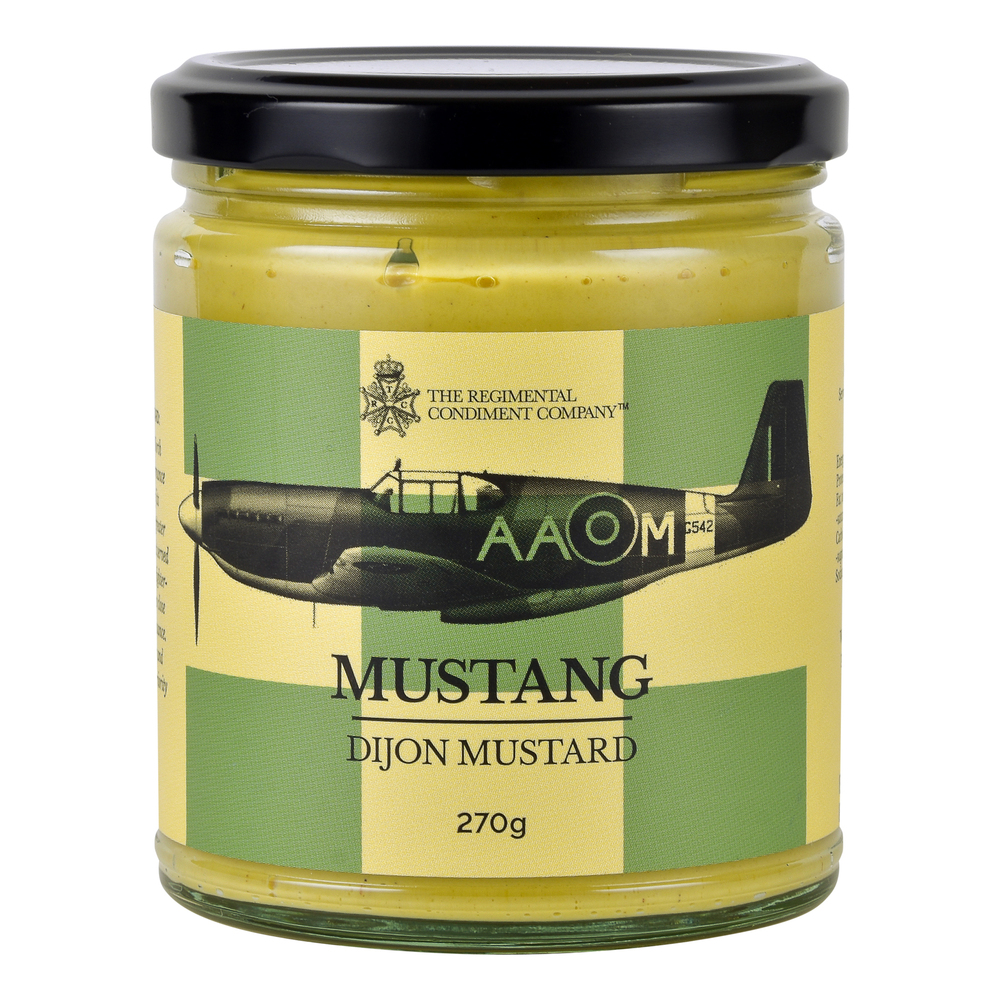
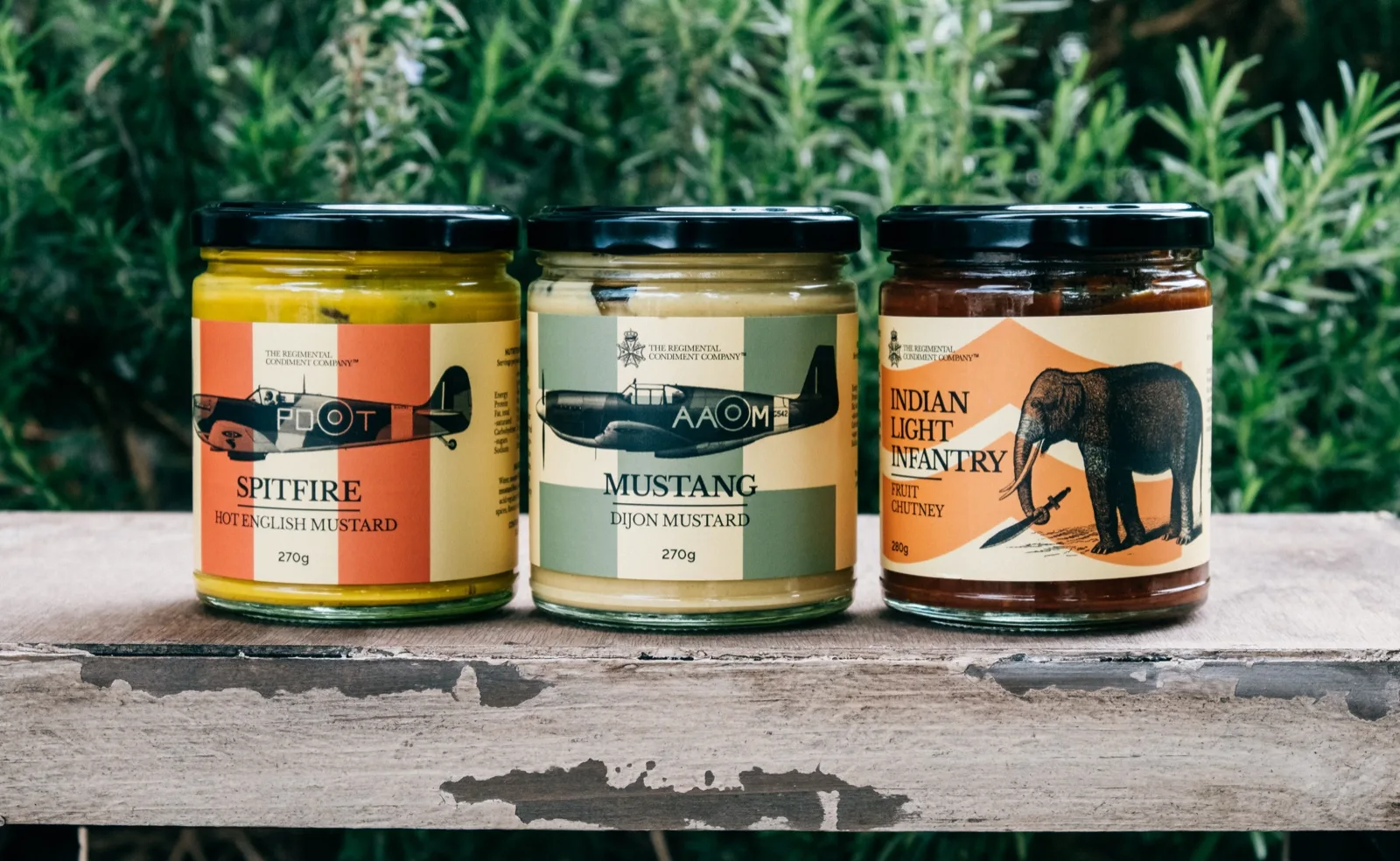
We use Mustang Dijon mustard, $12.95 for 270g, from The Regimental Condiment Company, whose jars are named after regiments and wartime aircraft. A teaspoon at a time, a 270g jar is a long-running thing rather than a single-salad purchase, and it will still be going when the salad weather ends. For a household of two, the 110g mini at $6.95 is the honest recommendation, and it fits in a fridge door. Stock on both sizes comes and goes, so if neither is showing when you look, our gourmet condiments range is where the mustards live. If you are choosing between jars, four mustards and what they are for puts Dijon, hot English, seeded and honey mustard side by side and gives each one a job.
The ratio, and when to break it
Three parts oil to one part vinegar is the number worth remembering, and it suits most salads. There are two departures worth knowing. Delicate leaves such as butter lettuce, mizuna or young spinach take 4 to 1, because a sharp dressing bruises them and you taste vinegar instead of leaf. Bitter leaves such as radicchio and witlof, and any salad carrying cheese, bacon or roasted vegetables, take 2 to 1.
The reason for that second one is fat. Fat coats the tongue and blunts the acid arriving behind it, so a rich salad needs a sharper dressing simply to taste balanced. This is where the mustard pays for itself twice over. At 2 to 1 an unemulsified dressing splits quickly and tastes thin, and the same ratio with mustard in it holds together and reads as full.
Method
Method
- Put the vinegar, salt and a good grind of pepper in a clean jar with a tight lid, and swirl it until the salt has dissolved. Salt dissolves in vinegar and not in oil, so the order matters.
- Add the mustard, seal the jar and shake for 10 seconds. The vinegar should turn cloudy and thicken slightly.
- Add the shallot now if you are using it, so the acid takes the raw edge off it while you finish the dressing.
- Pour in about a third of the oil.
- Seal and shake hard for 15 seconds, until the mixture looks pale and opaque rather than layered.
- Add another third of the oil and shake hard again for 15 seconds.
- Add the last of the oil and give it a final 20 seconds.
- Taste it on a leaf rather than off a spoon. Neat vinaigrette always tastes sharper than it will on a salad.
- Adjust with a pinch of salt, a splash of vinegar or the teaspoon of honey, then shake once more.
- Dress the leaves a minute or two before they go to the table, and use less than you think. They should look glossy, not wet.
This is the dressing to make when the salad is the point rather than the side. For what those salads look like in December, salads for Christmas lunch works through the leaves that survive a hot room, and our green salad with preserved lemon dressing is a different jar built on the same shake.
Questions we get asked
Why does mustard stop a vinaigrette from splitting?
Ground mustard seed is an emulsifier. The seed coat gives up a soluble gum that thickens the vinegar and slows the oil droplets moving through it, and the fine particles settle on the surface of each droplet so two of them cannot merge on contact. The effect is not permanent, which is why a homemade dressing still wants a shake before it goes on. It is the difference between a dressing that holds for a whole meal and one that separates on the way to the table.
What is the ratio of oil to vinegar in a vinaigrette?
Three parts oil to one part vinegar by volume, which is 180ml of oil to 60ml of vinegar in the jar above. Go to 4 to 1 for delicate leaves that a sharp dressing would flatten, and 2 to 1 for bitter leaves or a salad carrying cheese, bacon or roasted vegetables, where the fat blunts the acid. Mustard is what lets you hold the sharper end of that range without the dressing splitting.
How long does homemade vinaigrette keep?
A plain oil, vinegar and mustard dressing keeps in a sealed jar in the fridge for around two weeks. Add fresh shallot, garlic or soft herbs and it becomes a few-day proposition, and it belongs in the fridge rather than on the bench. Expect the oil to cloud and set when cold. Twenty minutes at room temperature and a hard shake brings it back, and if it has separated in the meantime it will re-emulsify, because the mustard is still in there.
Can you use seeded mustard instead of Dijon in a dressing?
You can, and it will taste good, but it will not hold as well. Whole seeds keep most of their gum and their surface area locked inside, so a seeded mustard does far less emulsifying work than the same spoon of smooth Dijon. The useful move is both: a teaspoon of Dijon to hold the dressing together, plus a teaspoon of Lancaster seeded mustard for the pop of whole seeds through it.
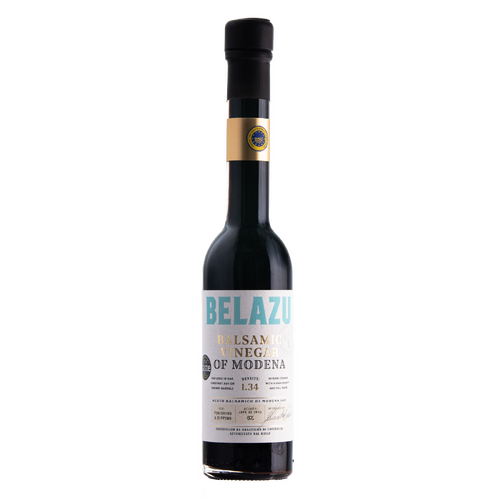
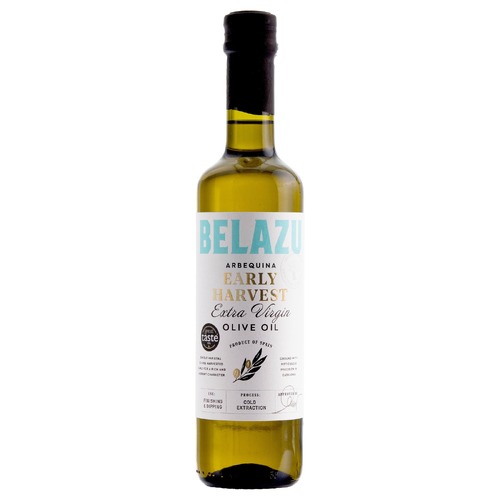
A jar of Dijon earns its shelf space several times a week. Mustang Dijon mustard is $12.95 for 270g and the 110g mini is $6.95, both from The Regimental Condiment Company, and the bottles that go with them sit in olive oil and vinegars. Shipping is free Australia-wide on orders over $100, and orders placed before 12pm on a weekday are dispatched the same day from our Corio, Victoria warehouse, tracked with Australia Post. If the jar is for somebody else's kitchen, the same condiments turn up inside our Christmas hampers.
Products in this recipe
More recipes.
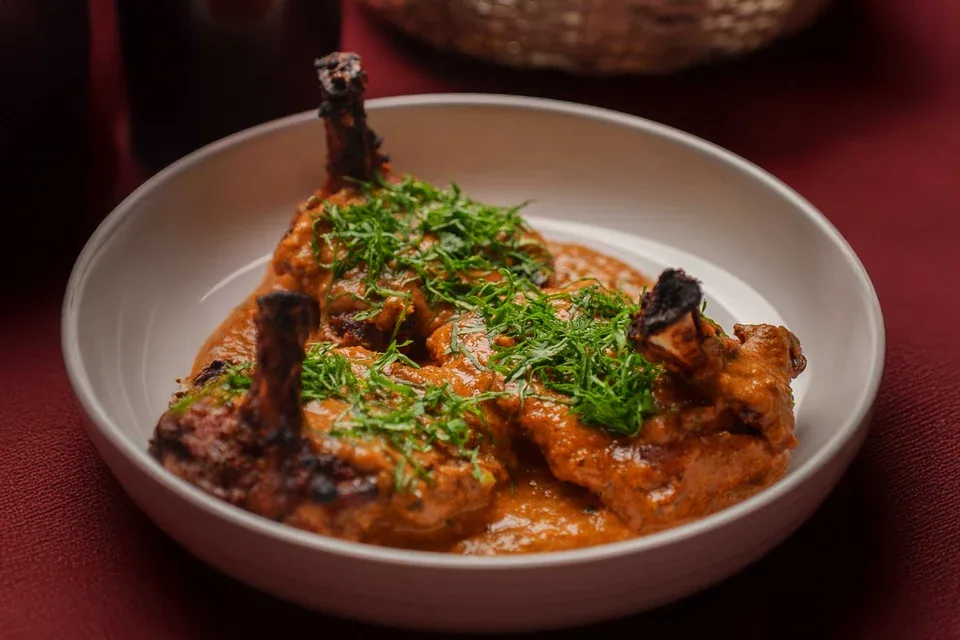
Gymkhana Butter Chicken Chops
The signature dish from Ambassador's Clubhouse, Gymkhana's sister restaurant in London. Bone-in chicken thigh cutlets are coated in tandoori marina
View recipe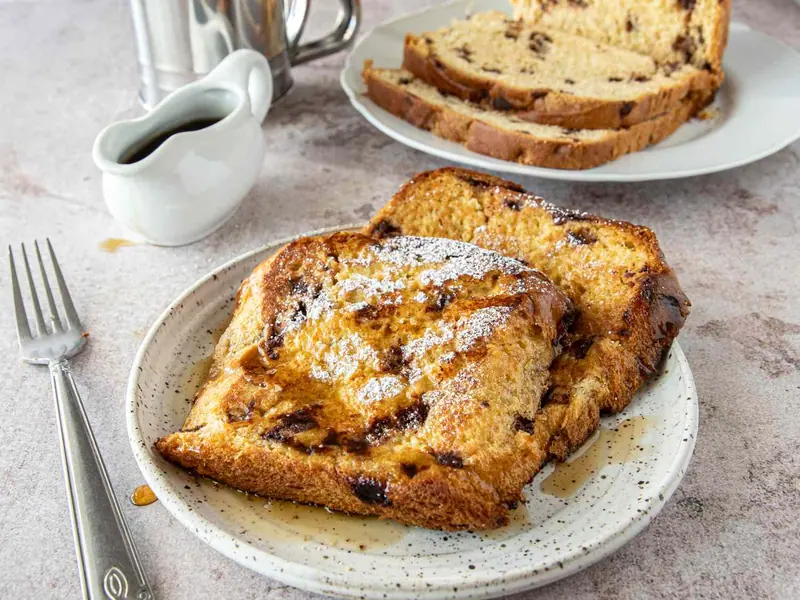
Panettone French Toast
The candied peel and butter already in panettone do most of the work here, so the custa
View recipe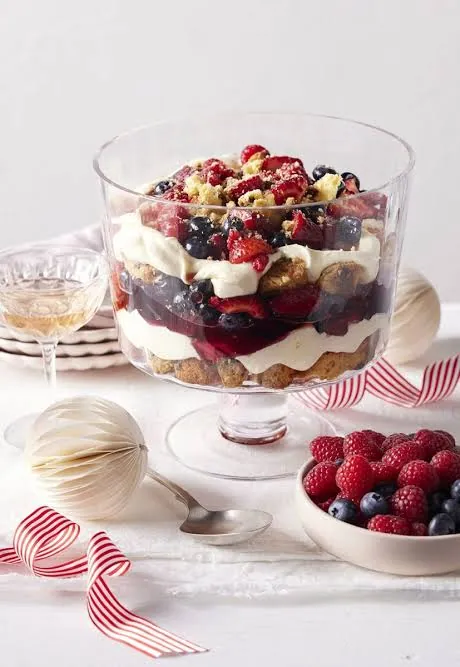
Panettone Trifle
Trifle is the easiest place to put leftover panettone . It replaces the sponge entirely,
View recipeNew recipes, first.
Recipes, new arrivals and gourmet gifting ideas from The Gourmet Pantry. No spam, unsubscribe any time.