
Christmas Hamper Ideas: What Goes In, What Gets Eaten, What Gets Left
By Dewi Salim, Hamper Building Lead at The Gourmet Pantry.
A Christmas hamper works when every item has a job: one thing to open standing up in the kitchen, something savoury to share, something sweet that holds up in the heat, one item they would never buy for themselves, and a box worth photographing. Fill those five roles and the size of the hamper stops mattering.
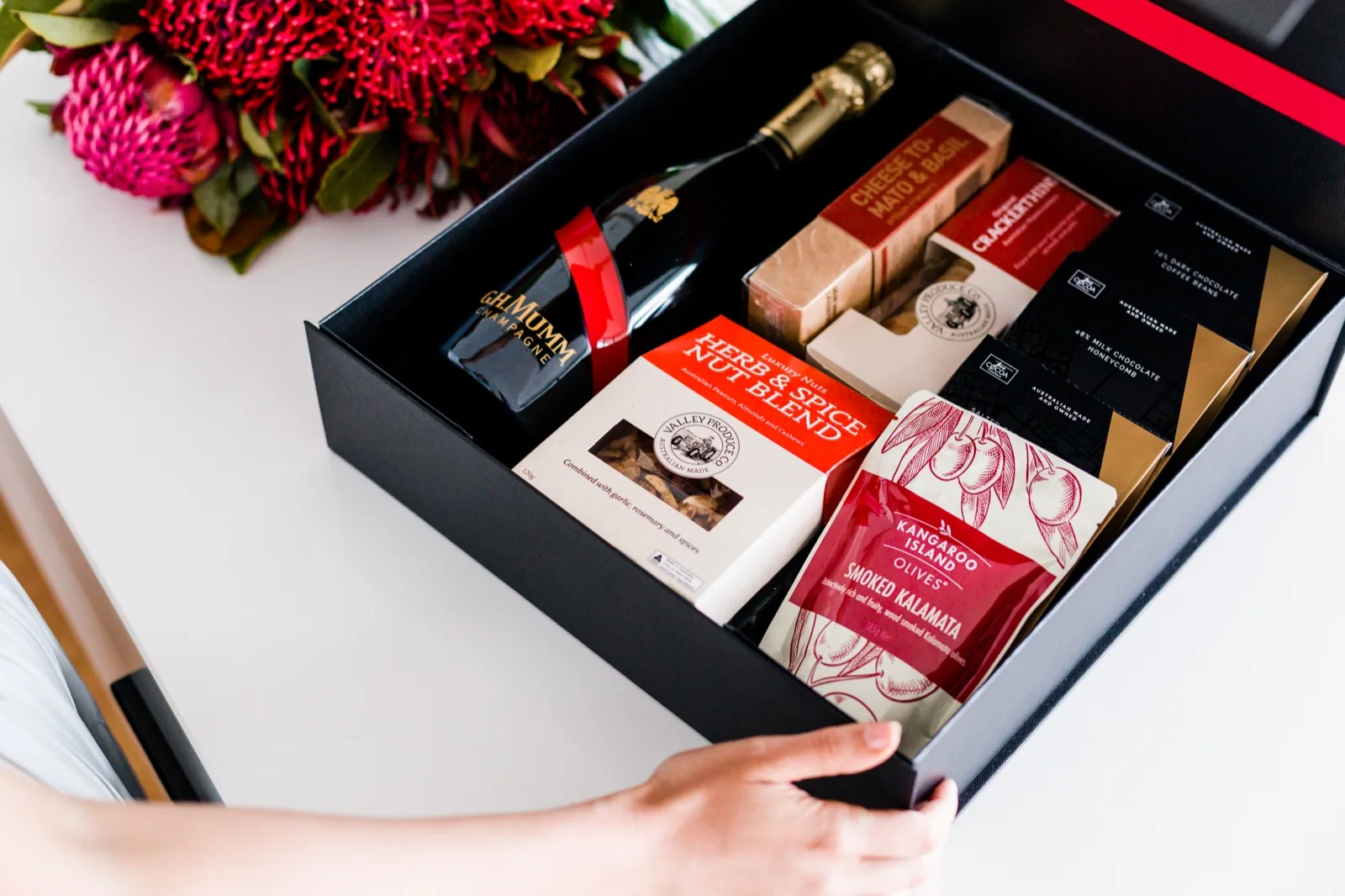
Three piles, not one list
Most hamper ideas articles are shopping lists with prices attached. That is not how a hamper gets built, and it is not how one gets opened either.
We hand-pack every hamper in Geelong, which means a person stands at a bench and decides where each item sits and why it has earned the space. Watch a box get unpacked at the other end and the contents sort themselves into three piles within about ten minutes. Pile one gets eaten in the first hour, usually standing up. Pile two goes into the cupboard and gets used slowly until autumn. Pile three moves from bench to shelf to the back of the pantry and never gets opened at all.
Good hamper ideas are the decisions that grow the first two piles and shrink the third. The same test applies to a box you put together at home and to the ones we pack: our Christmas hampers are built to it.
Pile one: what gets eaten in the first hour
The first hour belongs to food that needs no preparation, no fridge and no decisions. Something crisp, something to put on it, and something to pick at while everyone talks over the top of each other.
Crackers do the heavy lifting. A box of artisan crackers costs about $3 to $8 and turns whatever else is in the hamper into a plate of food rather than a collection of jars. Pack them in the top layer. A cracker that has spent three days under a bottle of olive oil arrives as crumbs.
Then something to put on them. A chutney, a relish, a pesto, a tapenade: small jars, long life, and they are what stops a hamper reading as a snack box. Our gourmet condiments range is where a box gets its personality, and a jar of Belazu Rose Harissa at $14.95 says more about how well you know someone than a second box of chocolates does.
Finish the pile with something to pick at. Nuts, olives, chocolate-coated anything. This is the part that disappears fastest and the part people remember eating, so it is the wrong place to economise in order to afford a bigger jar of something else.
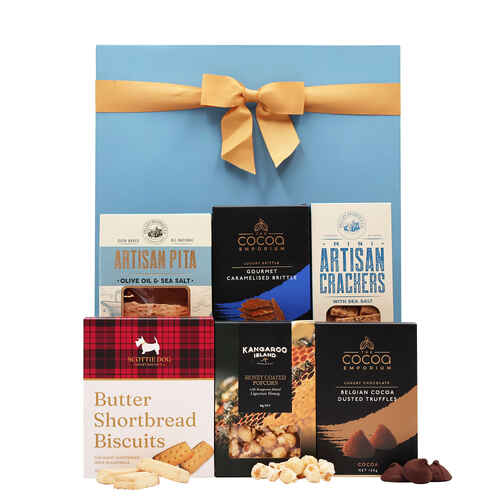
The smallest hamper we build is exactly this shape. The Gourmet Bites Hamper at $59.95 is sea salt crackers, something savoury, something sweet, and nothing that needs a plan. Pile one, boxed.
Pile two: what gets kept
Pile two is the reason a hamper beats a gift card. A jar of something good sits in a cupboard being used for four months, and every time it comes out, the person who sent it gets a little credit. Not much else in gifting has that tail.
What earns a place there: a single origin olive oil, a balsamic thick enough to spoon, a spice paste, a preserve that is clearly not the supermarket version, a tin of biscuits that keeps its shape. All of it shelf stable, none of it competing for fridge space that is already full of things for the 25th.
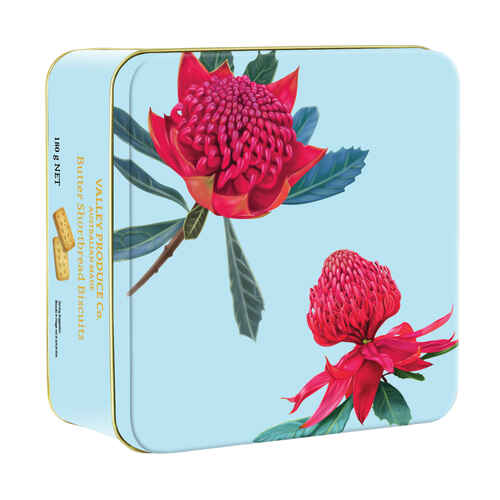
Biscuits are the quiet winner. A VPC Shortbread Tin at $19.95 is pure butter shortbread in a tin that stays in the house long after the shortbread is gone, and a tin photographs better than a plastic sleeve when the box is opened. The rest of our shortbread and biscuits sit between about $4 and $20, which makes them the cheapest way to add generosity without adding weight.
If you want the whole of pile two decided for you, the Foodies Hamper at $79.95 is built around it: sea salt crackers, savoury and sweet in balance, no alcohol, and enough shelf-stable food to keep turning up in the kitchen through January.
Pile three: what gets left
Nobody writes this section, which is why hampers keep getting it wrong. Five things end up in pile three with real consistency.
Anything that needs cooking. A risotto kit or a pasta sauce is good food and a poor gift in the last week of December, when the recipient's kitchen is already committed. It gets shelved with good intentions and stays there until Easter.
The fourth jar of the same idea. Three chutneys in one box is two chutneys too many. Vary the job the item does, not just the flavour on the label.
Novelty instead of food. A plastic reindeer, a branded stubby holder, a tea towel. They pad a box out cheaply and they are in the bin by January. Space in a hamper is expensive, so spend it on something edible.
Anything that has to go straight in the fridge. Australian fridges are at capacity on 22 December. Shelf-stable food is not the compromise option here, it is the correct one.
Alcohol for someone who does not drink. Obvious, still common. Our alcohol-free hampers run from $59.95 to $169.95, and an alcohol-free box is not a smaller gift, just a different one.
Hamper ideas by who is opening it
The three piles shift with the household. This is where a hamper stops being generic and starts looking like it was chosen for a specific person.
| Who is opening it | Lead with | Where to start |
|---|---|---|
| The family hosting lunch | Crackers, condiments and grazing food. They are feeding people from 11am onwards and everything helps. | Gourmet Bites Hamper, $59.95 |
| Someone who actually cooks | One serious ingredient they would not buy for themselves: a spice paste, an aged balsamic, a proper oil. | Gourmet Emporium Hamper, $169.95 |
| A friend you do not know well | Sweet and savoury in equal measure, nothing polarising, no alcohol. | Foodies Hamper, $79.95 |
| A gluten-free household | Gluten-free crackers and biscuits, so nobody is reading labels on Christmas Eve. | Gluten Free Gourmet Hamper, $114.95 |
| A plant-based household | Olive oil, olives, nuts and preserves, which is most of a good hamper anyway. | Vegan Gourmet Hamper, $114.95 |
| Interstate family | Shelf-stable everything, sent early, with the fragile items off the bottom layer. | our full hamper range |
None of that is a rule. It is the same question asked six ways: which pile is this person going to build, and what have you given them to build it with.
What a Christmas hamper should cost
Our hampers start at $59.95 and run to just under $300, and the useful bands are narrower than that spread suggests. Under $80 buys a genuine but focused box, three or four items with one of them good enough to be noticed. Between $80 and $150 is where most Christmas gifting sits and where a hamper starts to feel like an occasion rather than a gesture. Above $150 you are buying either a serious food selection or a bottle that would be a gift by itself.
Two things worth knowing before you fix a budget. Shipping is free Australia-wide on orders over $100, so a $95 hamper plus postage can land higher than a $105 one. And the price of a hamper is not only food: the box, the packing and the ribbon are a real share of it, which is precisely why an assembled hamper reads as a gift and the same food in a shopping bag does not.
Item count matters as much as spend. A box looks full at six to eight items and looks sparse below five, whatever the receipt says, which is why one expensive bottle on its own rarely reads as generous and four well-chosen jars usually do. If you are assembling your own on a tight budget, buy more small things rather than fewer large ones, stand the tallest item at the back, and keep the front row visible the moment the lid comes off.
Assemble one yourself or buy one
Building your own is a genuinely good idea, and it is usually not the cheaper one. Price it honestly: crackers at about $5, a tin of shortbread at $19.95, a jar of harissa at $14.95, nuts and chocolate at $8 to $17 each, and you are at $60 to $70 in food before the box, the shred, the ribbon, the card and the trip to the post office. Postage on a heavy parcel across state lines adds more again.
What the extra effort buys is specificity. If you know the person eats chilli on everything, or bakes, or drinks nothing but tea, a box you assembled beats anything sitting on a shelf. Our guide to what to put in a Christmas hamper goes item by item on what survives an Australian summer delivery, and a jar of old-fashioned tomato relish you made yourself is the one thing a bought hamper can never include.
Buy instead when you are sending more than two or three, when the box is going interstate, or when you would rather it arrived looking like a gift than like a parcel. Our full hamper range is hand-packed in Geelong, and orders placed before 12pm on a weekday are dispatched the same day.
Either way, plan for the leftovers. A hamper outlasts the day it lands, and the sweet half of one is a decent head start on a dessert board on Boxing Day.
Gift ideas, before the December rush.
Christmas ordering reminders and new arrivals, one email when it matters. Unsubscribe any time.
Christmas hamper questions
What do you put in a Christmas hamper?
Cover five jobs rather than five products: something crisp to open straight away, something to spread on it, something sweet, one item the recipient would not buy for themselves, and packaging that presents well. In practice that is crackers, a chutney or spice paste, biscuits or chocolate, one good oil or preserve, and a box rather than a bag.
How much should a Christmas hamper cost?
Most Christmas gifting sits between $60 and $150. Under $80 buys a focused box of three or four items with one worth noticing. Between $80 and $150 is where a hamper starts to feel like an occasion. Above $150 you are paying for a serious food selection or a bottle worth giving alone.
Is it cheaper to make your own Christmas hamper?
Rarely, once everything is counted. The food alone for a decent box runs $60 to $70, then comes the box, the shredded filler, the ribbon, the card and the postage, which on a heavy interstate parcel is not small. Make your own when you want something specific to that person, not when you want to save money.
What is usually in a food hamper?
A gourmet food hamper holds crackers or biscuits, one or two savoury condiments such as chutney, relish or a spice paste, something sweet like chocolate or shortbread, and usually nuts or olives. Larger hampers add olive oil, preserves or a bottle. Everything in a good one is shelf stable, so nothing has to be eaten the day it arrives.
When should you send a Christmas hamper?
Earlier than feels necessary. Australia Post confirms its Christmas cut-off dates in October, and mid-December is the practical limit for interstate parcels in a busy year. Ordering in late November or the first week of December avoids the queue. Orders placed before 12pm on a weekday are dispatched the same day.
If you would rather not think in piles at all, our Christmas hampers are already built this way: hand-packed in Geelong, alcohol-free options from $59.95, free shipping Australia-wide over $100. Pick the one that matches the household, add your message at checkout, and it is done.
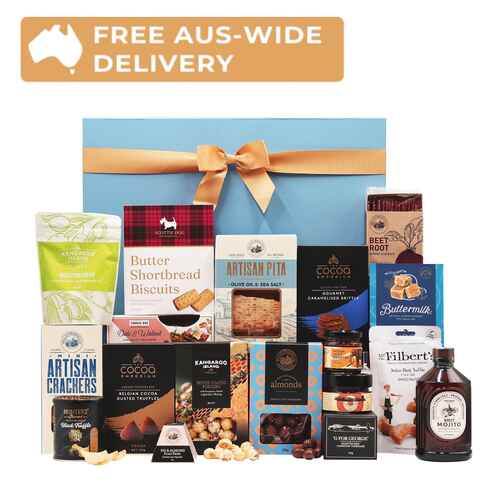
Gourmet Bites Hamper
$64.95
Hand-packed and dispatched from our Corio, Victoria warehouse, with free delivery Australia-wide on orders over $100.
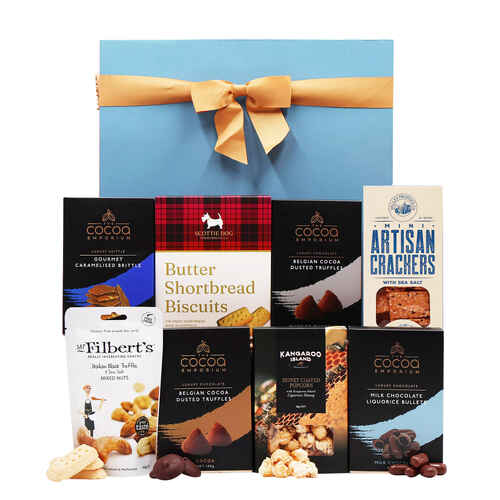
$79.95
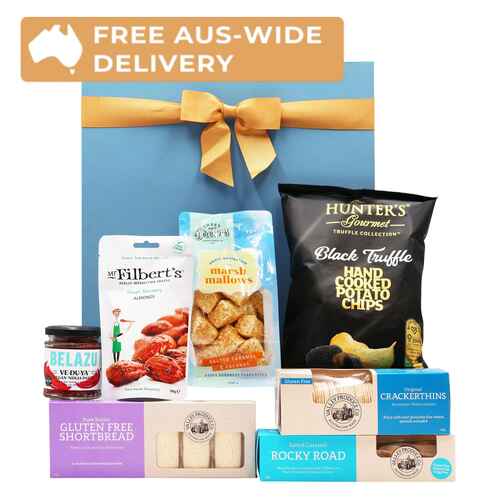
$64.95
More from the blog.
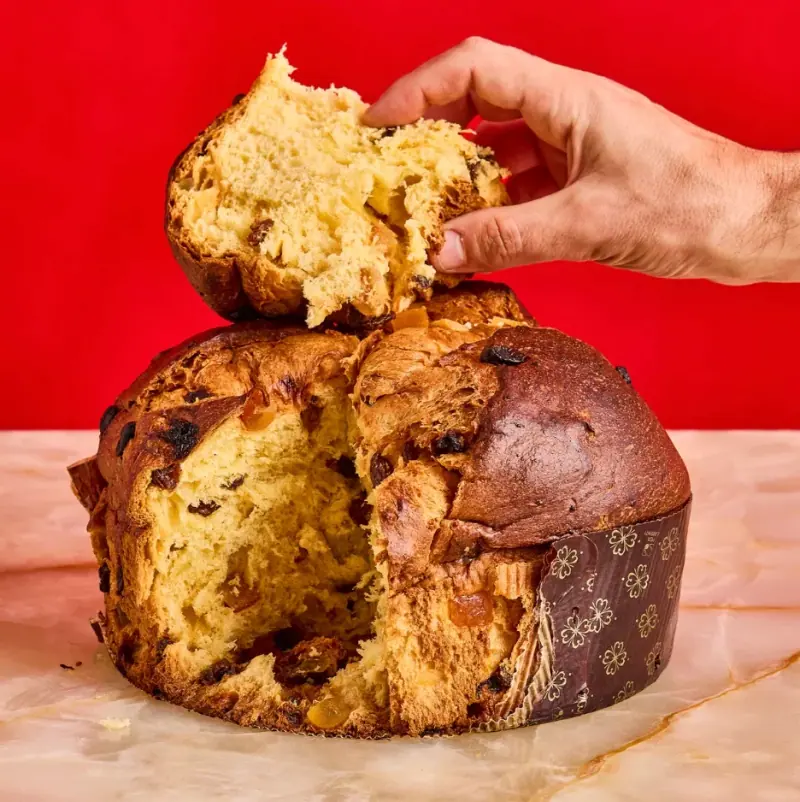
What Is Panettone?
A tall, domed Italian Christmas bread made over three days with a living sourdough starter. Here is what separates a good panettone from a cheap one.
Read now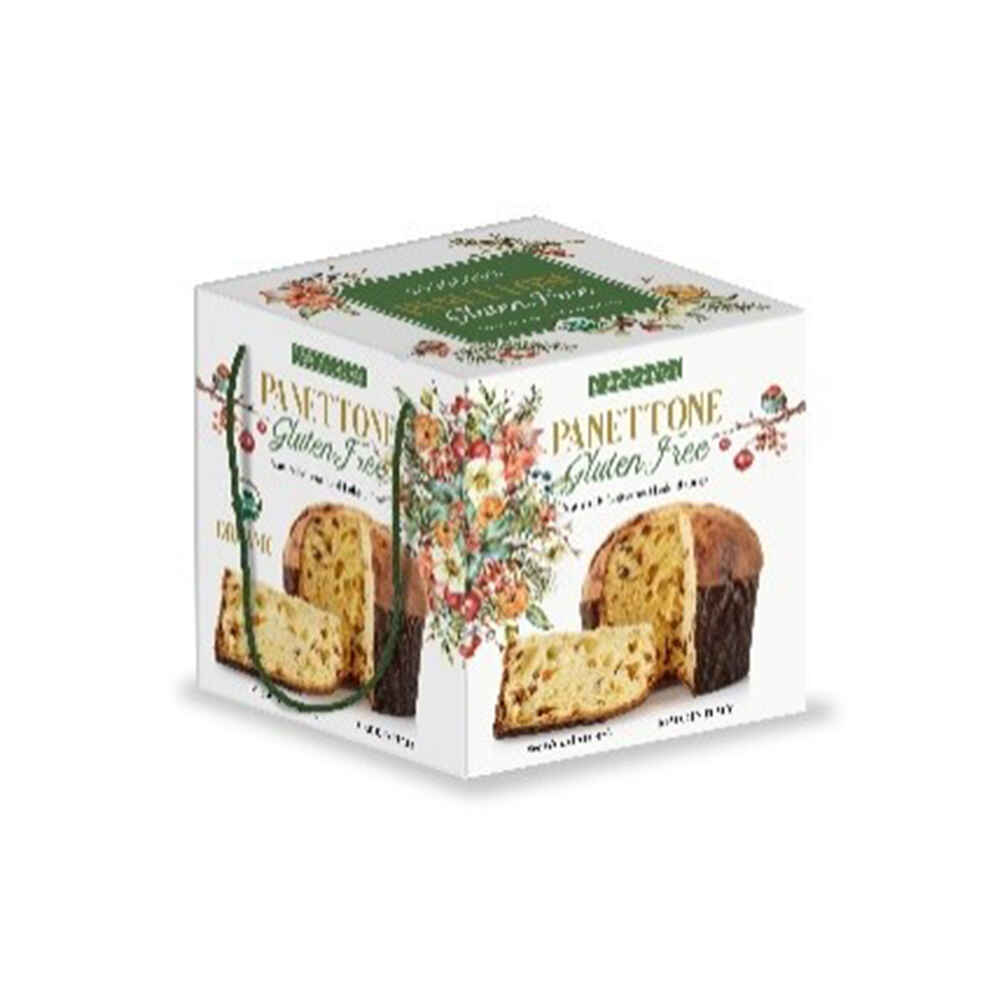
Gluten-Free Panettone in Australia
Gluten-free panettone is one of the hardest things in baking to get right. Here is why, what separates a good one from a dry one, and how to serve it.
Read now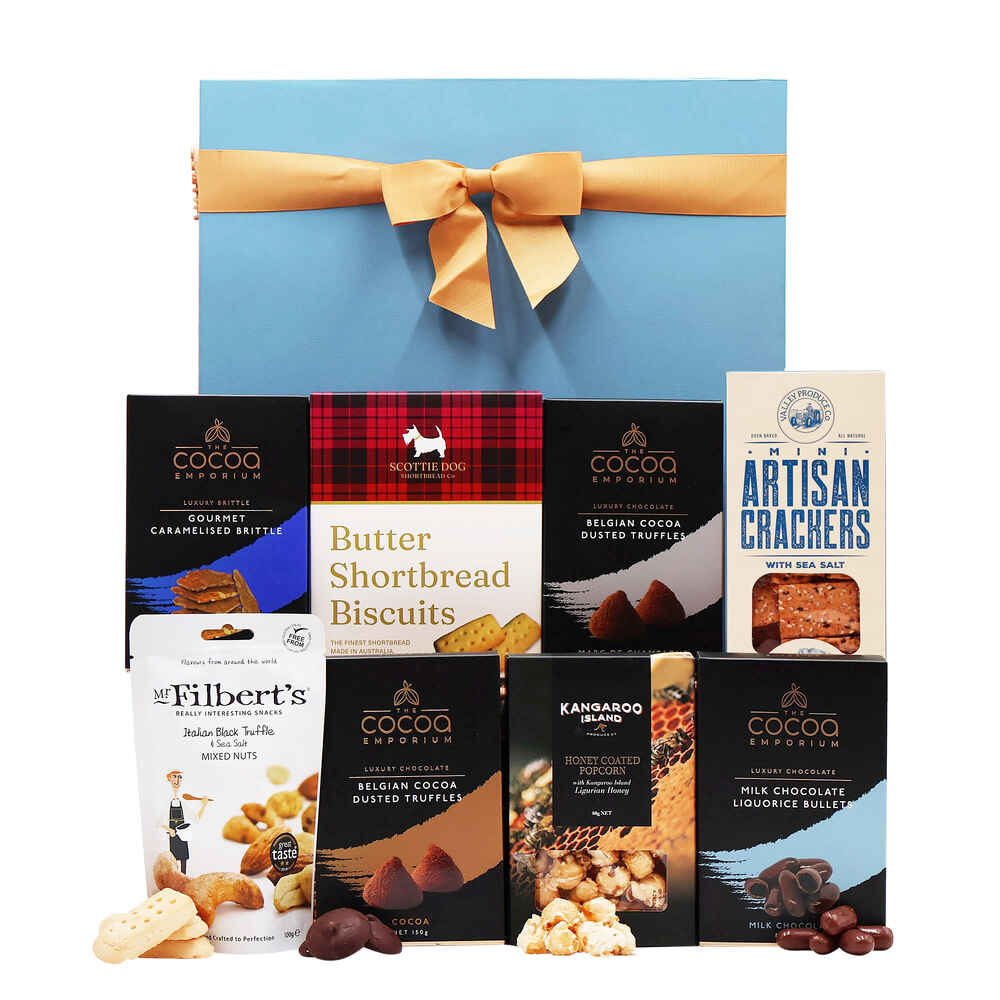
The Foodies Hamper: Eight Items, and What a Cook Does With Each
Eight packets, six of them sweet, and not a jar of anything in sight. What is actually in the box, and what somebody who cooks can do with each item once the ri
Read now