
Chutney, Relish or Jam: What the Difference Actually Is
By Jodie Smith, Product & Hamper Manager at The Gourmet Pantry.
A chutney is cooked long and low until it goes soft and sweet, so it belongs beside cheese and cold meat. A relish is cooked less, keeps its texture and its sharpness, and holds up on hot food and inside cooking. A jam is the sweet end of the same idea. Three names, one method, three different jobs at the table.
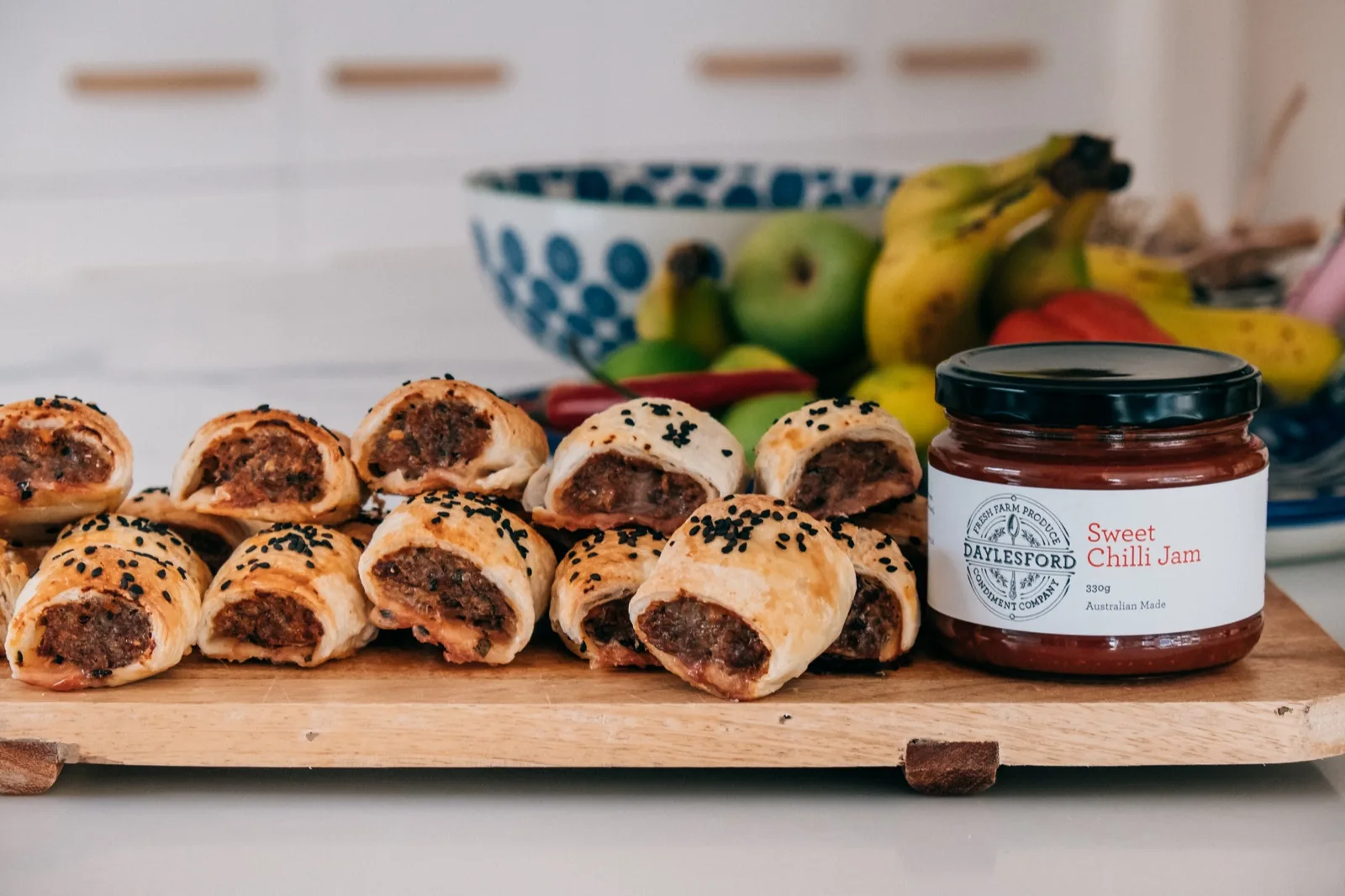
Chutney, relish or jam: the difference in one line each
All three come from the same old idea: fruit or vegetables cooked with sugar, vinegar and spice until they keep. What separates them is how far the cooking goes and what is left at the end.
Chutney is cooked longest and furthest down. The pieces collapse, the vinegar mellows, and what comes out is soft, jammy and sweeter than it went in. That softness is why chutney sits on a cheese plate and beside cold meat, where nothing has to fight back.
Relish is cooked less and keeps more of itself: texture, and a sharper edge. It survives heat, so it works on hot food and it can be cooked into a dish rather than spooned onto one. A relish behaves like an ingredient. A chutney behaves like an accompaniment.
Jam is the sweet end, fruit and sugar set with the fruit's own pectin and no vinegar doing the preserving. The exception is a chilli jam, which takes the name from its set rather than its sugar and belongs with the savoury jars every time.
A 330g jar of any of them stretches across a lot of meals rather than one, which is why the whole range is the same size.
Five sweet, five savoury, and one jar that crosses the line
The range splits cleanly, and the price follows the split. The five sweet preserves are $9.99 a jar: strawberry, apricot, triple berry, peach and raspberry, and Seville orange marmalade. The five savoury ones are $12.95: tomato chutney, apple and fennel chutney, woodcutters chilli chutney, pepper steak relish and sweet chilli jam. Every jar in the Daylesford Condiment Company range is 330g, so there is no small print to read on size.
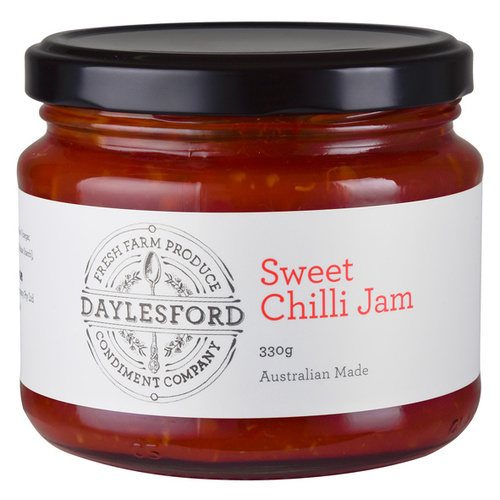
The jar that catches people out is the sweet chilli jam. It is called a jam, it is priced with the savoury jars, and it belongs with them. Chilli, sugar and vinegar cooked down to a set, it goes on a cheese plate and next to barbecued prawns, not on morning toast. If you buy one jar from this range to find out whether the range is for you, buy that one.
The savoury five, and what to put them beside
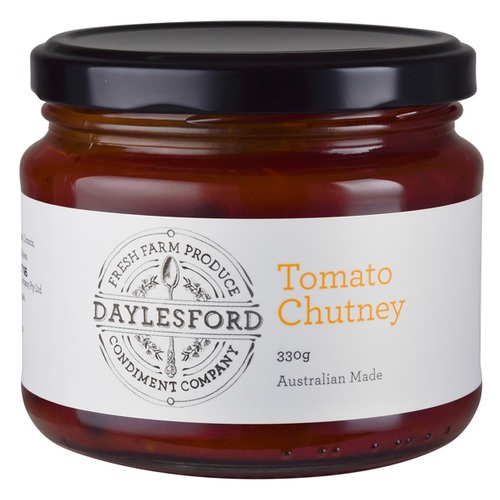
Tomato Chutney is the default. Cheese and cold meats, a cheddar sandwich, a plate of leftovers on Boxing Day. If you keep one savoury jar in the house this is the one, and it is the jar we would send to someone whose taste we did not know. For the wider set of uses, our guide to what to put tomato relish on covers the same ground with a sharper condiment.
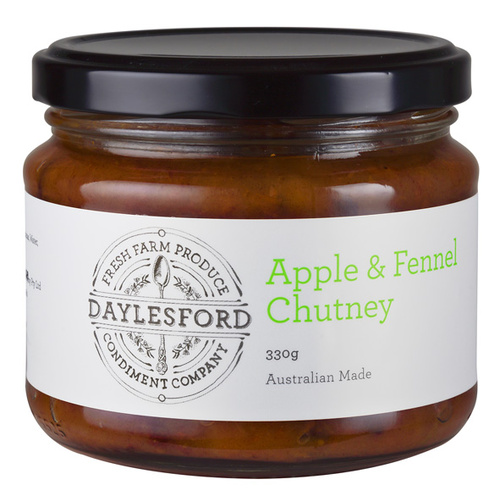
Apple and Fennel Chutney is the cook's jar. Fennel brings an aniseed note that sits against the tartness of Granny Smith apples, and the whole thing was built for slow-roasted pork. Spoon it over the meat at the table rather than cooking with it, or work a spoonful into the pan juices at the end.
Sweet Chilli Jam earns its place next to cold or barbecued meat, poultry and seafood, and it is very good with cheese or with nothing but fresh crusty bread. Woodcutters Chilli Chutney is the hotter, chunkier answer to the same question: good with anything off the barbecue, useful as a marinade, and stirred into cream cheese it becomes a dip in about a minute.
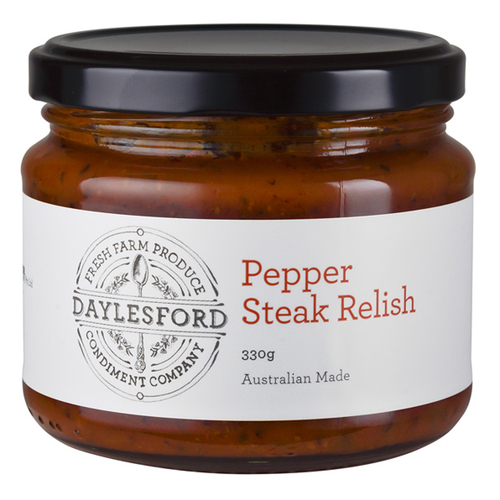
Pepper Steak Relish does the most actual work in a kitchen. Use it as a marinade and then as the sauce for the same dish, or stir it through a weeknight stir fry right at the end. It behaves like an ingredient rather than an accompaniment, which is the difference between a relish and a chutney in one jar.
If the jars are headed for a cheese plate, what goes underneath matters as much as what goes on top. Our guide to which cracker goes with which cheese sorts that out.
The sweet five, from breakfast to baking
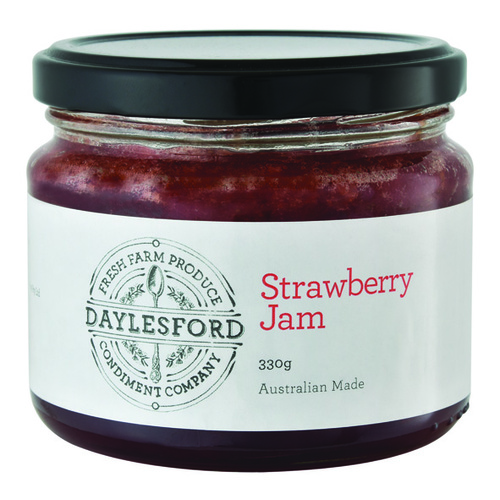
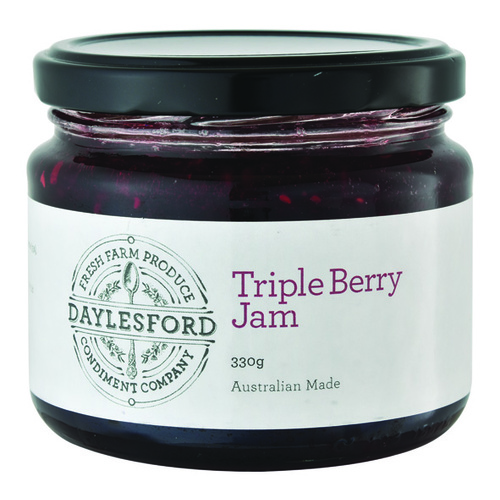
Triple Berry Jam is the flagship, a blend of berries reduced slowly, and the safest of the five to give away because almost nobody dislikes it. Strawberry Jam is the scone jam, and the one to buy if clotted cream is anywhere in the plan.
Apricot Jam is the useful one. Good on toast, better warmed and brushed over a cake or a fruit tart, which is what pastry kitchens have used apricot jam for since long before anyone put it on a bench at home. Peach and Raspberry Jam tastes like summer, and it holds its shape in the well of a thumbprint biscuit instead of running out across the tray.
Seville Orange Marmalade is the grown-up jar. Bitter, as marmalade is supposed to be, and it glazes as happily as it spreads. Two of these five earn their keep in baking rather than at breakfast, which is worth knowing before you buy five jars of jam for one household: in a house where nobody eats toast, the apricot and the marmalade will outlast the strawberry every time.
Every jar, what it is and what it costs
All ten are 330g, and all ten sit in our jams and spreads range. Sweet is $9.99, savoury is $12.95, and there is nothing else to work out.
| Jar | What it is | Price |
|---|---|---|
| Tomato Chutney | The cheeseboard default. Cheese, cold meats, sandwiches. | $12.95 |
| Apple & Fennel Chutney | Aniseed against tart Granny Smith. Built for roast pork. | $12.95 |
| Sweet Chilli Jam | Sweet and sharp. Barbecued meat, poultry, seafood, cheese. | $12.95 |
| Woodcutters Chilli Chutney | Hotter and chunkier. A marinade, and a dip with cream cheese. | $12.95 |
| Pepper Steak Relish | Marinade first, sauce second. The one that cooks. | $12.95 |
| Triple Berry Jam | The flagship. Berries reduced slowly, and the easiest to give. | $9.99 |
| Strawberry Jam | The scone jam, and the one clotted cream is waiting for. | $9.99 |
| Apricot Jam | Toast, then warmed and brushed over a cake or a tart as a glaze. | $9.99 |
| Peach & Raspberry Jam | Summer in a jar. Holds its shape in a thumbprint biscuit. | $9.99 |
| Seville Orange Marmalade | Properly bitter. Spreads at breakfast, glazes at dinner. | $9.99 |
Buying across the two halves is the sensible move. One sweet jar and one savoury jar cover breakfast and the cheese plate for about $23.
Buying, keeping and Christmas timing
Jars are the part of an order people underbuy. Any nine of the ten clear $100, which is where Australia-wide shipping becomes free, so the sweet five plus four savoury jars lands you the range minus one and no delivery cost. There is no minimum the other way either, if one jar is all you want.
Orders placed before 12pm on a weekday leave our warehouse in Corio, just outside Geelong, the same day. That is dispatch, not arrival, and how long the parcel takes afterwards depends on where it is going. Australia Post confirms its Christmas dates in October, and mid December is the practical limit for anything crossing the country.
Keeping them is simple. Sealed, a jar waits in the cupboard until the date printed on it. Open, it belongs in the fridge, and a clean dry spoon every time is the difference between a jar that lasts and one that grows a skin at the top. Glass is heavy, so if jars are going into a Christmas order, put them in the same parcel as everything else and order in November rather than December.
New jars, before they sell through.
Christmas ordering reminders and new arrivals, one email when it matters. Unsubscribe any time.
Common questions about Daylesford Condiment Company
Who makes Daylesford Condiment Company jams?
We range them, we do not make them. The line comes to us under the Daylesford Condiment Company name and is listed by its DCC initials on our shelves: ten lines across jams, chutneys and relishes, all of them in 330g jars. As with any packaged food sold in Australia, the label on the back of the jar is the authority on who made it and where, so check there before you make a claim about it.
What is the difference between a chutney and a relish?
Both are fruit or vegetables preserved with sugar, vinegar and spice. A chutney is cooked longer and further down, so it is softer, jammier and sweeter, and it sits happily beside cheese and cold meat. A relish keeps more texture and a sharper edge, which is why it works on hot food and inside cooking. The apple and fennel is a chutney. The pepper steak is a relish, and it behaves like an ingredient.
What goes with sweet chilli jam?
Cold or barbecued meat, poultry and seafood first. Cheese second, where the sugar and the chilli do roughly the job a fruit paste does for a hard cheddar. After that, fresh crusty bread and nothing else, or a spoonful stirred through cream cheese or mayonnaise to make a dip or a sandwich spread. It is a condiment rather than a cooking sauce, so add it at the end.
Start with the tomato chutney and the sweet chilli jam if the jars are for a cheese plate, or the triple berry and the marmalade if they are for breakfast. All ten sit together on the Daylesford Condiment Company range page, with the rest of our gourmet condiments alongside them and free Australia-wide shipping over $100. If the jars are meant as a gift rather than a cupboard restock, our Christmas hampers do that job instead, hand packed by our team in Corio.
DCC Tomato Chutney 330g
$12.95
Hand-packed and dispatched from our Corio, Victoria warehouse, with free delivery Australia-wide on orders over $100.
$12.95
$9.99
$12.95
$12.95
More from the blog.
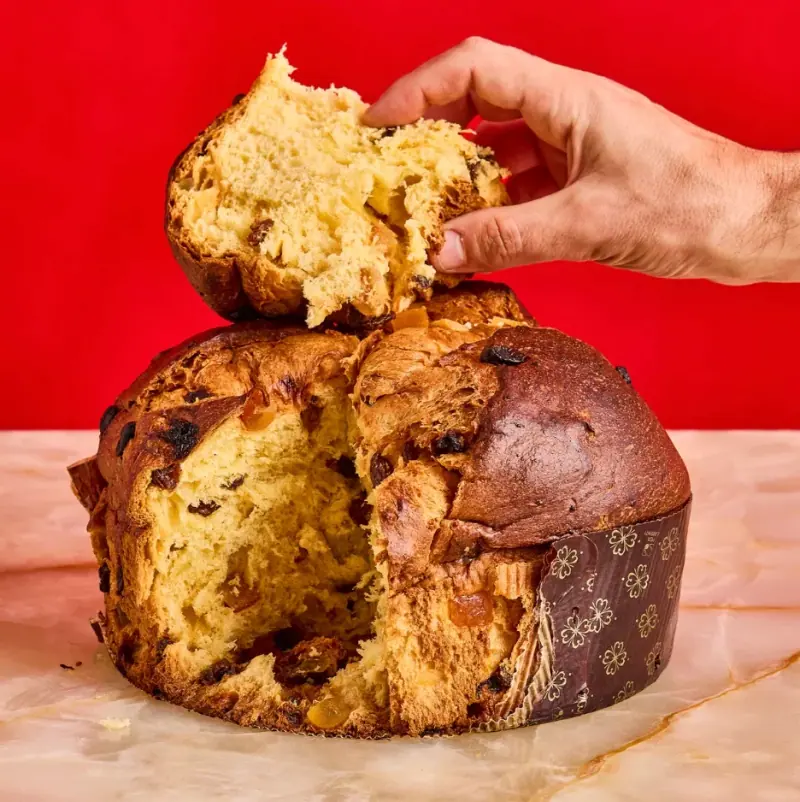
What Is Panettone?
A tall, domed Italian Christmas bread made over three days with a living sourdough starter. Here is what separates a good panettone from a cheap one.
Read now
Gluten-Free Panettone in Australia
Gluten-free panettone is one of the hardest things in baking to get right. Here is why, what separates a good one from a dry one, and how to serve it.
Read now
The Foodies Hamper: Eight Items, and What a Cook Does With Each
Eight packets, six of them sweet, and not a jar of anything in sight. What is actually in the box, and what somebody who cooks can do with each item once the ri
Read now