
How to Use Tahini When You Are Not Making Hummus
By Jodie Smith, Product & Hamper Manager at The Gourmet Pantry.
Tahini is roasted sesame seeds ground to a paste, and nothing else. Before it can do anything useful, stir the separated oil back through it. After that it works three ways: thinned with lemon and water into a sauce, spooned straight over hot food, or stirred into sweet things. Hummus is the least of it.
Stir it before you do anything else
Open a new jar and there is usually a pool of pale oil on top and a dense, claggy layer underneath. Nothing is wrong. Tahini is one ingredient with no emulsifier in it, so the oil the seeds gave up slowly rises. Pour that oil down the sink and you are left with a jar of sesame cement, which is how most tahini ends its life at the back of a cupboard.
Getting it back together takes about a minute.
- Stand the jar somewhere warm for half an hour. Cold paste fights the spoon.
- Use a table knife or a narrow palette knife rather than a teaspoon. You need something that reaches the corners of the base.
- Push the blade down through the solid layer, then lift and fold it up through the oil. Keep turning the jar as you go.
- If the jar is filled to the shoulder, tip a little oil into a cup first so you have room to work, then stir it back in at the end.
- Store it upside down between uses. The oil still travels, but it travels towards the lid, and the next stir is easier.
It will separate again. That is the jar behaving properly, not a fault, and it is worth knowing before you start.
Why the jar is 500g when everything beside it is not
Belazu tahini comes in a 500g jar at $19.95. Every paste and pesto in the Belazu range comes in a 130g to 170g jar priced between $9.95 and $14.95, so the tahini is by a distance the biggest jar on that shelf, and only the oils match it for size. The size is the instruction. A finishing paste comes in a small jar because you use it by the teaspoon. Tahini comes in a big one because it is a base ingredient, closer to olive oil or flour than to a condiment.
An Australian tablespoon holds 20ml, so a 500g jar runs to roughly twenty five spoonfuls. Treat it as a jar for one dish and it is expensive. Treat it as the thing that turns roast vegetables into dinner twice a week and it is not.
What is in the jar, and what the label should say
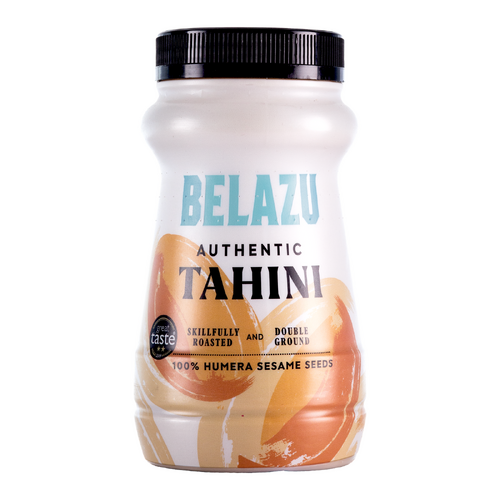
Sesame seeds, roasted, then ground. That is the whole ingredient list on a good jar, and anything with added oil, sugar or emulsifier is doing work the seeds should be doing themselves. Belazu's is roasted then double ground, which is why it pours in a ribbon rather than breaking into lumps.
Hulled seeds give the pale, mild paste most Australian recipes assume. Unhulled tahini is darker, greyer and noticeably more bitter, and it will change any sauce you make with it. One more thing to read before you buy: sesame is a declared allergen in Australia, so it must appear on the label. If you are cooking for someone with allergies, that statement on the pack is the only authority worth trusting.
It will seize when you add liquid, and that is normal
The first time you thin tahini it does the opposite of what you expect. Add lemon juice and the smooth paste stiffens, turns pale and goes grainy, as though it has split. Almost everyone stops here and throws it out. Keep going.
Add cold water a tablespoon at a time, whisking hard between each one. It stays claggy, then loosens all at once into something ivory and pourable. Cold water works better than warm. Acid goes in first, water second, salt last, because salt tastes different once the sauce is thin. If you overshoot and it runs like milk, whisk in another spoon of tahini rather than waiting for it to thicken, because it will not.
That single technique is most of what people mean when they say they cannot cook with tahini. Below is the rest of what goes wrong.
| What you see | What is happening | What to do |
|---|---|---|
| Oil floating on top of the jar | Natural separation, no emulsifiers | Stand it in a warm spot, fold from the base with a knife |
| It seizes when you add lemon | Water shocking the paste | Keep adding cold water by the spoon and whisk through it |
| Sauce tastes chalky | Too thick and under seasoned | More water, more salt, more lemon, in that order |
| Bitter enough to be unpleasant | Unhulled seeds, or an old jar | Salt and acid will mask a little; a stale jar is not worth saving |
| Dry crust around the rim | Air and a dirty thread | Scrape it off, wipe the rim, screw the lid down properly |
| Sauce splits on a hot plate | Too much direct heat | Spoon it on after cooking, or whisk in a splash of cold water |
Where the rest of the jar goes
Straight over hot food, with no thinning at all
This is the use that turns a jar over fastest and the one people never think of. A tablespoon spooned over a hot tray loosens in the residual oil and heat by itself, so roast cauliflower, pumpkin, carrots or a tray of potatoes need nothing more than tahini, salt and something sharp over the top. A thread of pomegranate molasses across the plate is the classic partner, sour against the sesame.
The same spoon works in a bowl of rice and lentils, on a baked sweet potato, and stirred into soup off the heat. A spoonful whisked into pumpkin soup with hawaij and toasted seeds at the end gives it body without cream.
Next to the big flavours in the cupboard
Tahini is mild, fatty and slightly bitter, which makes it the calming half of a plate rather than the loud one. Stir a teaspoon of rose harissa through a bowl of tahini sauce and drag a spoon through it once, so the chilli sits in streaks. Marinate chicken thighs or lamb in shawarma marinade, then serve them on flatbread with tahini, sliced onion and parsley, which is the whole point of shawarma and the reason a jar of tahini belongs beside that one.
If you like this way of cooking from the cupboard, there are ten more ways to use rose harissa, and the same logic applied to a jar of miso in how to use miso paste when you only have miso pesto.
In sweet things, where it behaves like a nut butter
Sesame goes with sugar as happily as it goes with salt, which is why halva exists. Two tablespoons rippled through a brownie batter just before it goes in the tin gives you bitter streaks through the chocolate. A spoonful in biscuit dough works the same way. On toast it wants honey and a pinch of salt over the top, and in a banana smoothie it does what peanut butter does without dominating.
One rule holds across all of it: sweet tahini needs salt. Without it the paste tastes flat and faintly dusty, and people blame the jar.
Cooking ideas, before the rush.
Christmas ordering reminders and new arrivals, one email when it matters. Unsubscribe any time.
What to open beside it
- Belazu Tahini, 500g, $19.95. Roasted, then double ground, which is what makes it pour.
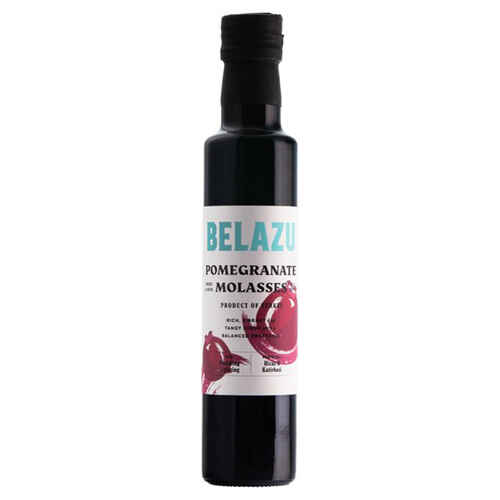
- Belazu Pomegranate Molasses, 250ml, $29.95. Sour, dark and thick, and the thing to thread over a tahini plate.
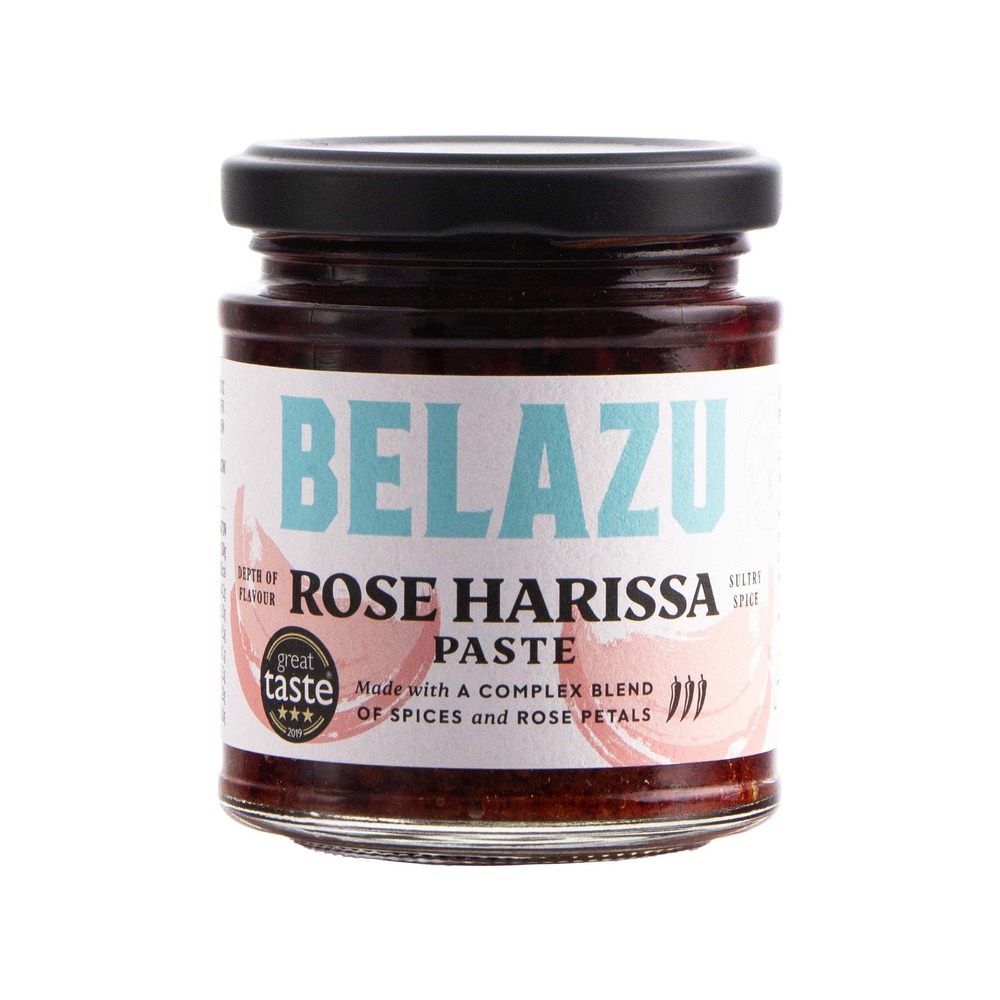
- Belazu Rose Harissa Paste, 130g, $14.95. A teaspoon stirred through tahini sauce is a different sauce.
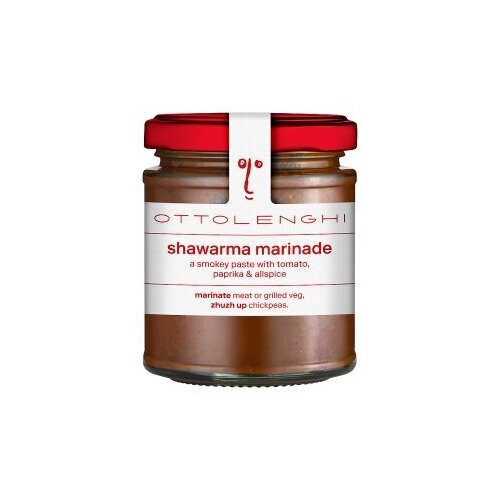
- Ottolenghi Shawarma Marinade, 180g, $12.95. Meat in this, tahini alongside, flatbread underneath.
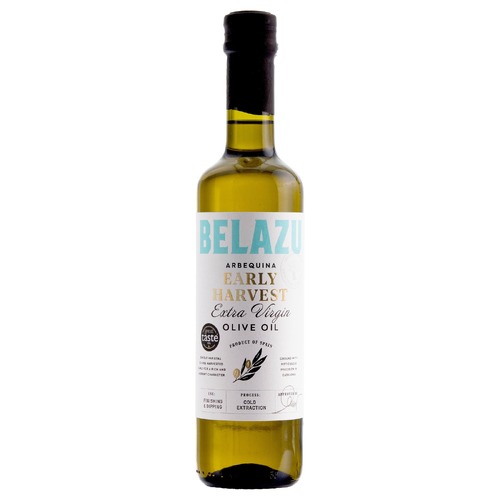
- Belazu Early Harvest Extra Virgin Olive Oil, 500g, $59.95. Peppery and green, for the days the sauce needs a bite.
Tahini questions we get asked
What is tahini made from?
Sesame seeds, roasted and then ground to a paste. A good jar lists that and nothing else. Hulled seeds give the pale, mild tahini most recipes assume; unhulled seeds give a darker, more bitter paste that suits robust dishes and overwhelms delicate ones.
How do you fix tahini that has separated?
Do not pour the oil off. Let the jar come up to room temperature, then push a table knife down to the base and fold the thick paste up through the oil, turning the jar as you go. A minute of that brings it back. For a jar filled to the top, decant everything into a bowl, whisk it smooth and spoon it back in.
Does tahini need to be refrigerated?
Follow the label first. In practice an opened jar keeps well in a cool, dark cupboard and stays soft enough to stir there. The fridge sets it hard and makes the separation much harder to fix, so if you do refrigerate it, let it warm up before you go near it with a spoon.
What can I use instead of tahini?
Nothing swaps in cleanly, because you are asking one ingredient for sesame flavour and a smooth ground seed texture at once. In a dressing, cashew or almond butter loosened with lemon and cold water gets the texture right and the flavour wrong. In baking, unsweetened peanut butter works but takes over.
Is tahini nut free?
Tahini is made from sesame seeds rather than nuts, which is not the same as being safe. Sesame is a declared allergen in Australia and must be listed on the label, and jars are often made or packed on shared equipment. Read the allergen statement on the pack in front of you, check for a shared equipment warning, and ask before you serve it to anyone avoiding nuts.
Where the jar earns its keep
Tahini fails in Australian kitchens for one reason, and it is not flavour. It gets bought for a batch of hummus, separates, defeats a teaspoon and stays at the back of the cupboard until it turns bitter. Stir it properly on day one, keep it near the olive oil, and it becomes the jar you reach for when a tray of roast vegetables has to be dinner.
The 500g jar sits with the rest of the Belazu range on our wider shelf of pantry ingredients. Shipping is free Australia wide on orders over $100, and orders placed before 12pm on a weekday are dispatched the same day from our Corio, VIC warehouse, tracked with Australia Post. If the jar is a present rather than a Tuesday, our Christmas hampers handle the wrapping.
BELAZU Tahini (500g)
$19.95
Hand-packed and dispatched from our Corio, Victoria warehouse, with free delivery Australia-wide on orders over $100.
$19.95
More from the blog.
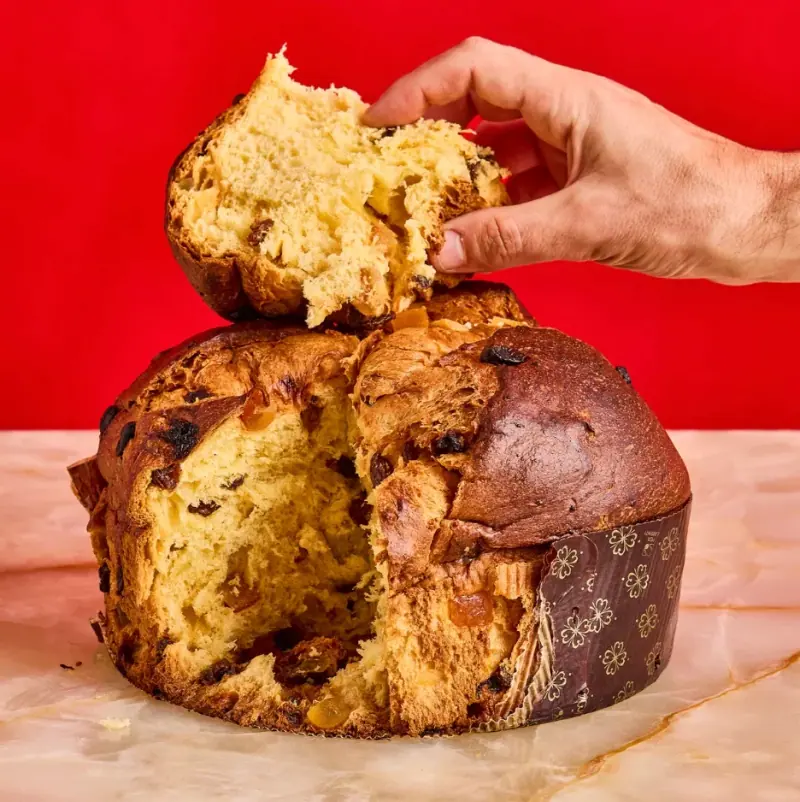
What Is Panettone?
A tall, domed Italian Christmas bread made over three days with a living sourdough starter. Here is what separates a good panettone from a cheap one.
Read now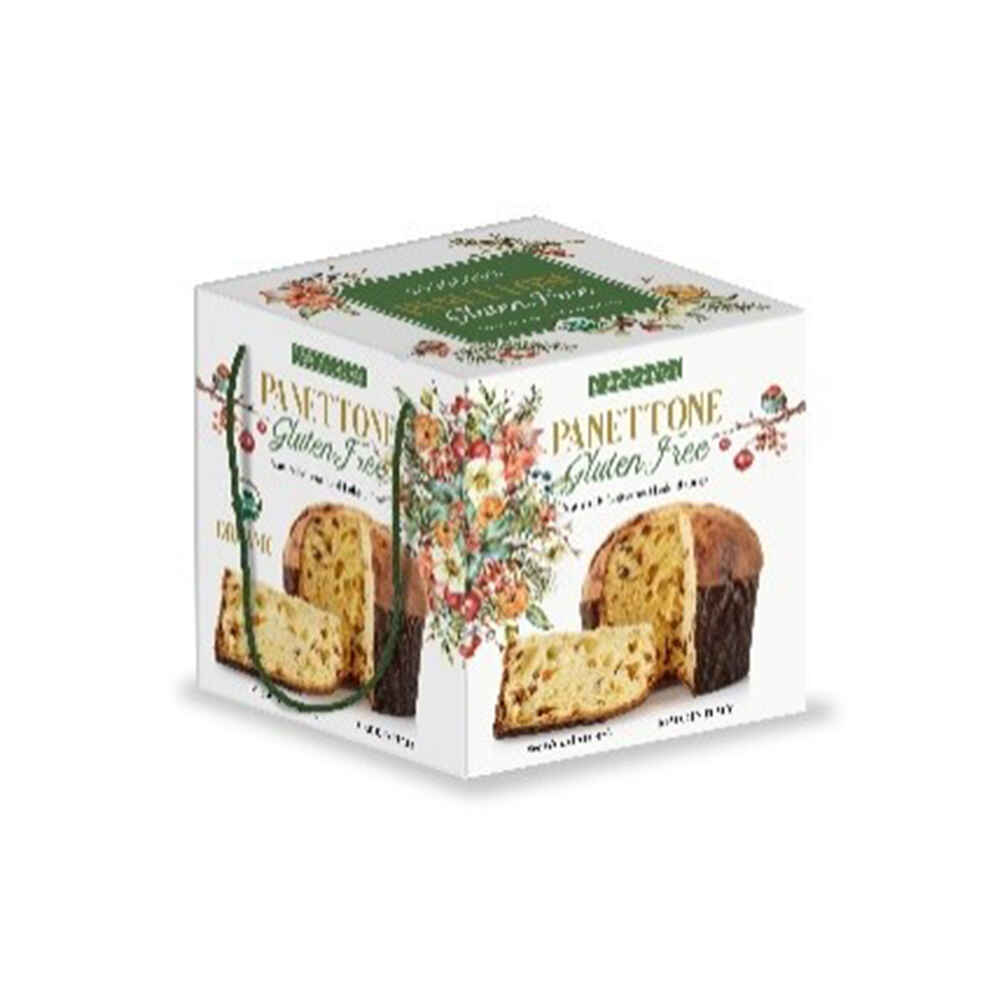
Gluten-Free Panettone in Australia
Gluten-free panettone is one of the hardest things in baking to get right. Here is why, what separates a good one from a dry one, and how to serve it.
Read now
The Foodies Hamper: Eight Items, and What a Cook Does With Each
Eight packets, six of them sweet, and not a jar of anything in sight. What is actually in the box, and what somebody who cooks can do with each item once the ri
Read now