
Vegan Christmas Food That Is Not an Afterthought
By Jodie Smith, Product & Hamper Manager at The Gourmet Pantry.
Vegan Christmas food works best when it sits on the main table rather than on a separate plate. Build the spread from olives, good olive oil, a spiced paste with depth, relish, bread and one hot dish, then keep the sweet end free of gelatine. Most of it comes out of a jar. The centrepiece is the part you cook.
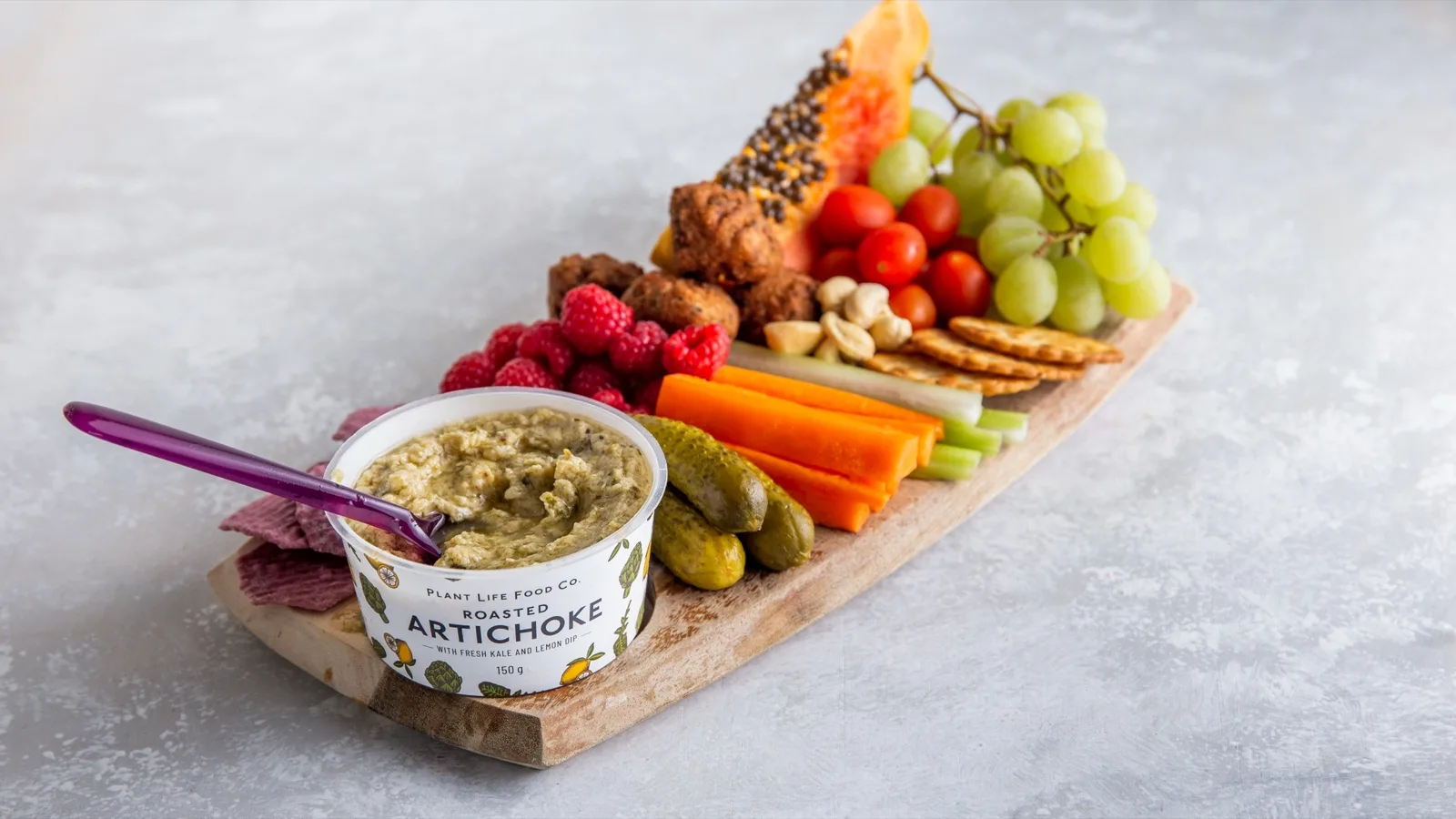
What makes a vegan Christmas feel like an afterthought is rarely the food. It is the staging. A dish carried out on its own, five minutes after everybody else has started, reads as a problem somebody solved late. Cook two or three things the whole table eats and put them in the middle with everything else.
Nearly all of that work is done by jars and bottles, and the useful ones are the same all year: oil, olives, relish, and one paste with heat in it. The oils and condiments we range as suitable sit under vegan options, which is mostly a condiment shelf rather than a whole menu. The olives and the paste sit elsewhere in the range, so those two are a read-the-jar job.
Depth is the problem, not protein
Nobody complains that a vegan Christmas plate is short on protein. The complaint is that it tastes flat beside a table built on roasting fat, cured meat and butter. What is missing is savoury depth, the salty and slightly funky background note that a ham or a jug of gravy puts under everything else.
The most direct answer we range is Belazu Ve-du-ya vegan 'nduja, $13.95 for 170g. It is made as a substitute for Calabrian 'nduja and uses the same Calabrian chillies, and the part that matters is the mouthfeel: it melts into a hot tray rather than sitting on top of it. Two tablespoons stirred through potatoes or pumpkin for the last fifteen minutes of roasting puts back the heat and the fat the plate is asking for. The rest of the jar becomes the base of a ragu, which is a good use for Boxing Day.
The second layer is oil, because on a vegan table it does the job butter usually does. Kangaroo Island Olives extra virgin olive oil is first cold pressed and listed as suitable for vegans and vegetarians, at $19.25 for 250ml or $29.95 for 500ml. Keep the good bottle for the raw jobs, over tomatoes and bread and anything just off the heat, and use a plainer oil in the roasting tray.
Seven things that carry the table
None of this is a separate menu. It is the ordinary Christmas spread with the dairy and the meat taken out of the middle of it rather than bolted on at the side.
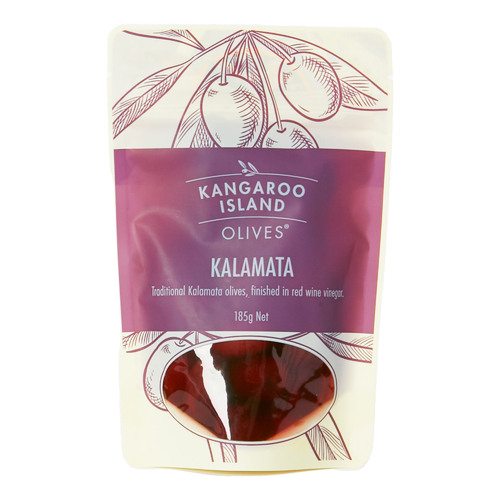
- Olives in a bowl. Kangaroo Island kalamata olives at $7.95 for 185g are finished in red wine vinegar and want nothing done to them. Tip them out and keep a second bowl for the pits.
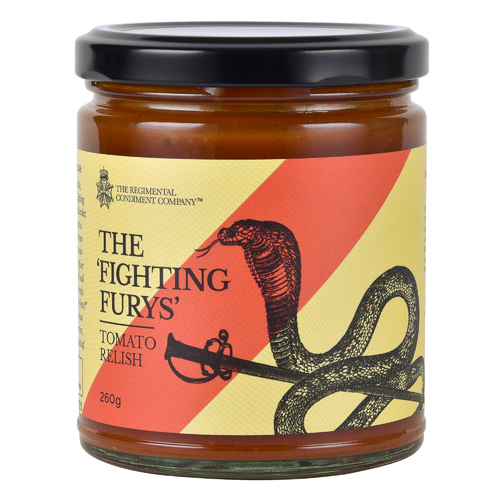
- One sharp jar. A relish does the work of a sauce without anybody making one. The Regimental Condiment Company tomato relish at $12.95 sits on our vegan options shelf and cuts through roast vegetables and bread the way cranberry cuts through ham.
- A hot dish with structure. A whole cauliflower roasted hard, a mushroom and lentil pie with a proper lid, or a tray of pumpkin wedges finished with the vegan 'nduja. Pick one that can be cut in front of people, because that is what makes it read as a centrepiece rather than a side.
- Potatoes in olive oil. Parboil, rough up the edges, roast in oil instead of duck or goose fat. They come out crisper than people expect, and this is the dish that quietly makes the whole plate feel like Christmas.
- Bread and something to put on it. Read the packet on crackers. Plenty are made with butter, milk powder or parmesan, and it is far easier to check one label in October than to work it out standing in a kitchen on the day.
- Something green and sour. Beans with lemon, a herb salad, a bowl of pickles. A vegan Christmas plate tips rich very quickly, and acid is what holds it back.
- Sweets with no gelatine in them. The lolly bowl is where a vegan guest usually gets caught out, and it is the easiest thing on this list to fix.
The sweet end, and the pudding question
Christmas pudding is where most vegan plans come unstuck. The traditional recipe is built on suet, eggs and butter, so a standard pudding is not vegan and there is no way to hedge that. We do not range puddings, so I will not pretend to have a version to sell you. Poached stone fruit, or a pavlova made with aquafaba in place of egg white, both do the job of a big shared dessert.
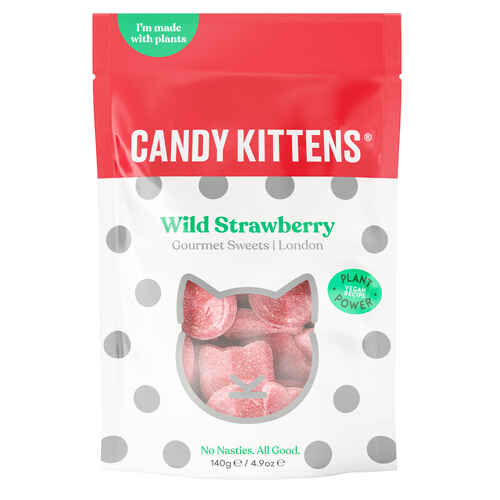
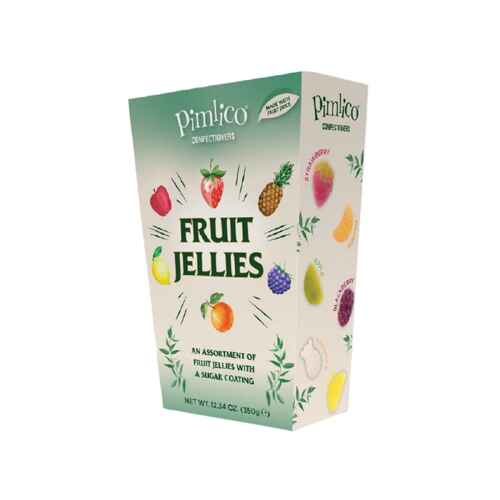
Confectionery is simpler, because gelatine is the only usual problem and some makers have already solved it. Candy Kittens at $10.95 for 140g are made with fruit juice and no gelatine or palm oil, and wild strawberry and sour watermelon are the two flavours we pack most often. Pimlico vegan fruit jellies at $13.50 come in a 350g box that looks like a gift rather than a bag of lollies, which makes them the ones to put on the table.
How to be sure something is actually vegan
Start with the vegan options range, which is the shelf we build plant-based platters and gifts from. It is narrower than people expect, mostly oils and condiments, so plenty of what suits a vegan table is not on it: the olives, the jellies and the 'nduja paste are all vegan by recipe rather than by shelf. That means reading the jar, which is the honest answer anyway. We taste everything we range, but the label is what settles it, and recipes change without asking us first.
Worth knowing before December: none of this is fresh. Oil, olives, relish, paste and confectionery all keep for months, so the vegan part of Christmas is the part you can buy in October and then leave alone. The rest of the table, and when to buy it, is covered in our guide to Christmas food in Australia, and if you are laying it out flat rather than plating it, the Christmas grazing table piece has the quantities.
Common questions about vegan Christmas food
What can vegans eat at Christmas lunch?
Most of the table, if it is built that way. Roast potatoes cooked in olive oil, roast vegetables, bread, olives, relish, salads, and one hot dish with structure such as a whole roasted cauliflower. The three things to check are the fat the potatoes are roasted in, the butter in the vegetables, and the gelatine in the sweets.
What is a good vegan main for Christmas?
One that can be cut at the table. A whole cauliflower roasted until it is dark at the edges, a pie with a proper lid, or a tray of pumpkin finished with vegan 'nduja all serve in front of people, which is what makes a main feel like a main. A bowl of something, however good it tastes, reads as a side.
What vegan snacks can I buy for Christmas?
Olives, nuts, relishes, spiced pastes and gelatine free confectionery cover the snacking end, and all of it is shelf stable. Expect from about $7.95 for a jar of olives and $10.95 to $13.50 for a bag or box of sweets. Buy it early, because none of it needs a fridge.
If you are sending the food rather than serving it, the Vegan Gourmet Hamper at $114.95 is built around the same Kangaroo Island oil and olives and arrives without alcohol in it, with other builds in our vegan hampers range. Every box is packed by hand in Corio, Victoria, weekday orders placed before 12pm are dispatched the same day, and shipping is free Australia-wide on orders over $100. If you are cooking rather than gifting, the jars start in vegan options.
Christmas ideas, before the rush.
Christmas ordering reminders and new arrivals, one email when it matters. Unsubscribe any time.

Kangaroo Island Olives - Extra Virgin Olive Oil 250ml
$19.25
Hand-packed and dispatched from our Corio, Victoria warehouse, with free delivery Australia-wide on orders over $100.
More from the blog.
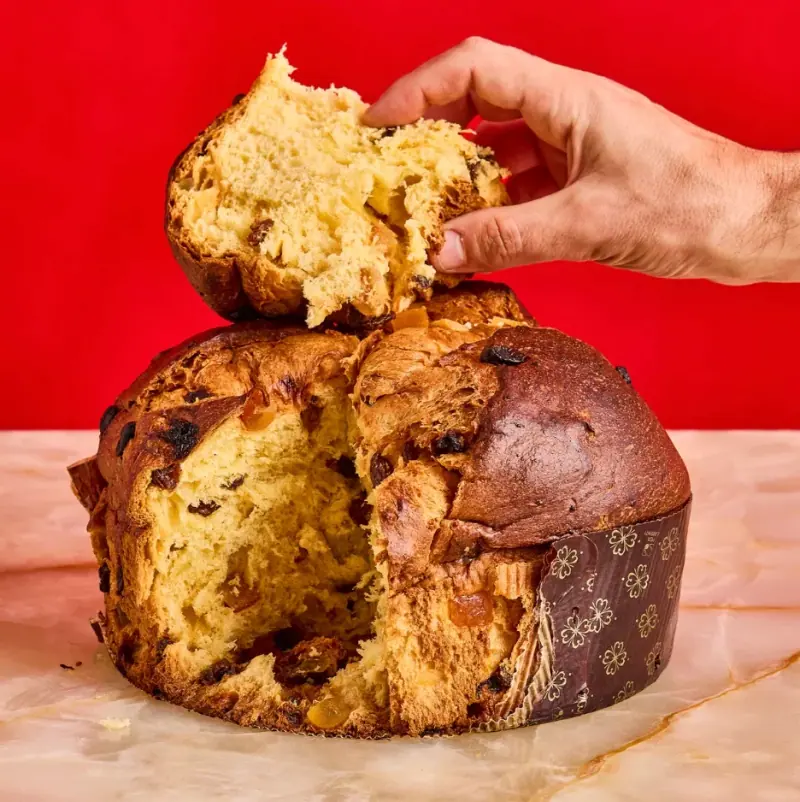
What Is Panettone?
A tall, domed Italian Christmas bread made over three days with a living sourdough starter. Here is what separates a good panettone from a cheap one.
Read now
Gluten-Free Panettone in Australia
Gluten-free panettone is one of the hardest things in baking to get right. Here is why, what separates a good one from a dry one, and how to serve it.
Read now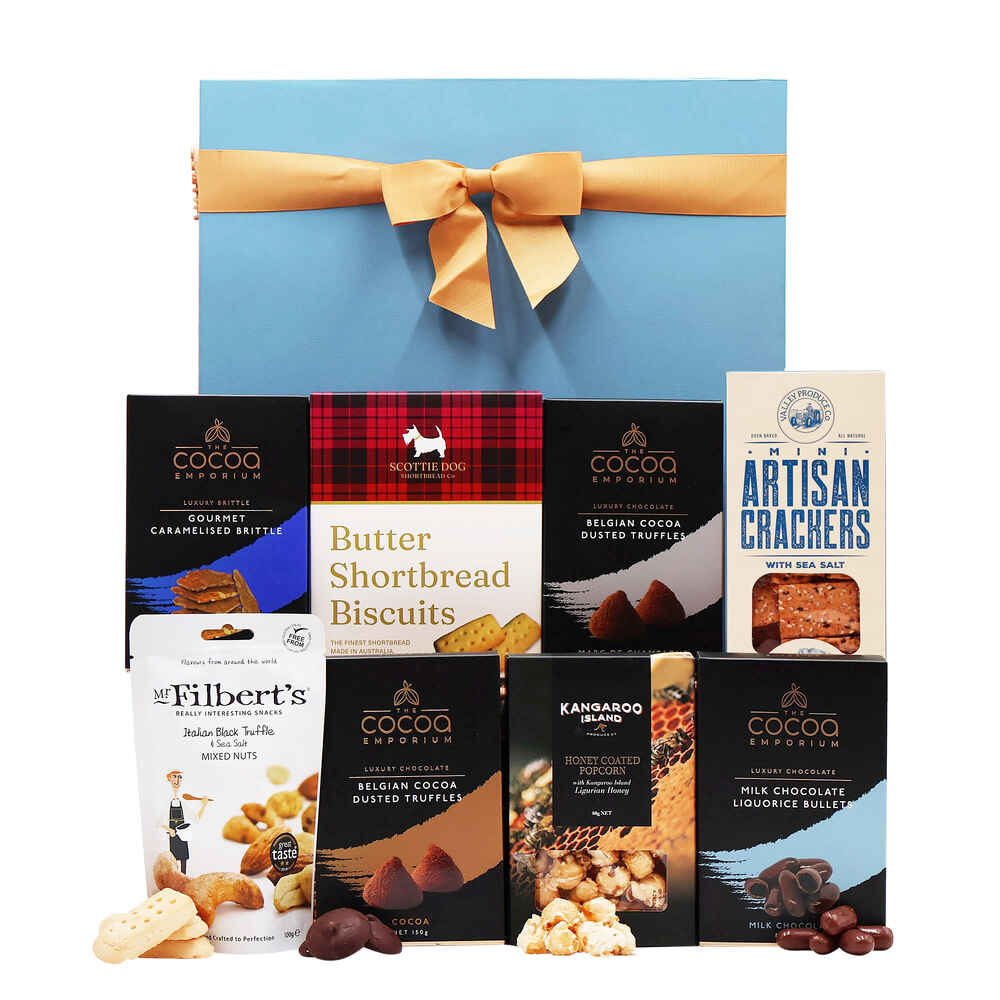
The Foodies Hamper: Eight Items, and What a Cook Does With Each
Eight packets, six of them sweet, and not a jar of anything in sight. What is actually in the box, and what somebody who cooks can do with each item once the ri
Read now