
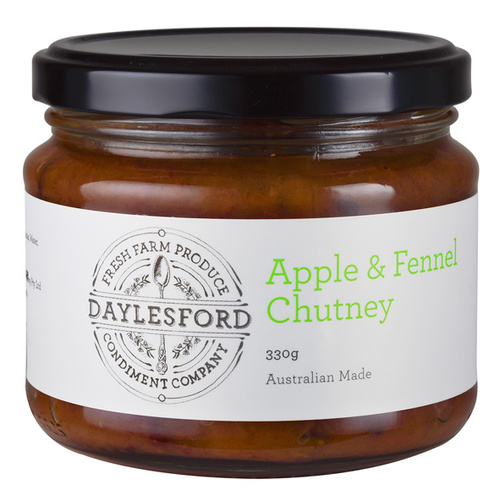
Slow Roast Pork Shoulder With an Apple and Fennel Chutney Glaze
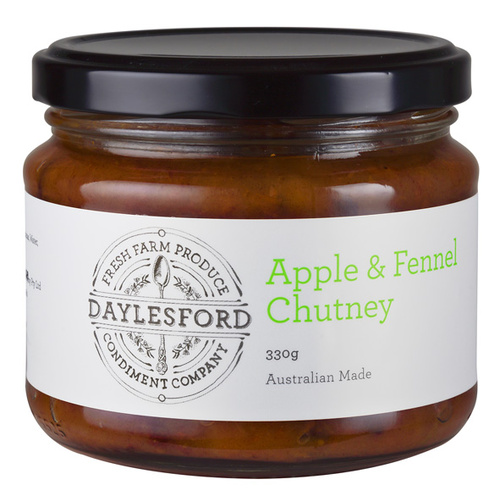
DCC Apple & Fennel Chutney 330g
$12.95
Hand-packed and dispatched from our Corio, Victoria warehouse, with free delivery Australia-wide on orders over $100.
Slow roast pork shoulder with apple and fennel chutney glaze: cook a 2.5kg shoulder covered at 160°C for four hours, then brush it with warmed chutney loosened with Dijon and cider vinegar and give it 20 minutes at 200°C. The rind comes off first and crackles on its own tray. Serves 8.
Serves 8. Prep 20 minutes, plus an hour of drying for the rind. Cook 4 hours 25 minutes. Rest 20 minutes.
Take the rind off before you think about glaze
Glaze and crackling want opposite things. A glaze is sugar and moisture, brushed on so it catches and goes tacky. Crackling is the absence of moisture, held under dry heat until the rind blisters. Put one on top of the other and the sugar draws water back into the skin, and four hours of work slumps into something chewy in about ten minutes.
The fix is to stop treating them as one piece of meat. Slide a knife under the rind and take it off in a single sheet before the pork goes near the oven, leaving roughly 5mm of fat behind on the shoulder. Salt it, dry it, and roast it flat on a rack in the last half hour while the shoulder is being glazed below it. You end up with two things done properly: a dark lacquered shoulder you can brush as often as you like, and a sheet of crackling that snaps.
It also solves the timing problem. Rind left on a shoulder has to survive four hours of covered, steamy heat and then somehow crisp at the end. Taken off, it needs 30 to 35 minutes at 200°C and nothing else.
Why apple and fennel, out of ten jars
The Daylesford Condiment Company range runs to ten jars here, five sweet preserves and five savoury. Apple and fennel is the only one that puts pork's oldest partner together with a whole spice, and the fennel seed is what stops the glaze reading as apple sauce with ambitions. Fennel and pork is not a new idea. Porchetta is built on it. What the jar does is get you there without toasting and grinding anything.
Straight from the spoon it is too thick and too chunky to brush. Warm it with a spoon of Mustang Dijon and a splash of cider vinegar, then blitz it or push it through a sieve, and it goes on in a thin even coat instead of sitting in lumps that scorch. The Dijon is not there for heat. It is there for the mustard's emulsifying pull, which is what makes the glaze cling to a wet surface rather than run off it.
We sell the jar, not the pork
To be plain: The Gourmet Pantry does not sell fresh meat. The shoulder is a butcher or supermarket buy, and it is worth ordering ahead in December if you want a particular weight with the rind still on. What we sell is the shelf-stable half of this recipe, the chutney and the mustard and the oil, which sit with the rest of the jars under gourmet condiments and keep in the cupboard long after the roast is a memory.
Method
Method
- Slide a sharp knife under one corner of the rind and work it off in a single sheet, leaving about 5mm of fat on the shoulder.
- Score the rind at 1cm intervals through the fat, stopping short of cutting right through.
- Pat the rind dry, rub the plain sea salt flakes over it and sit it uncovered on a rack in the fridge for an hour, or overnight.
- Take the shoulder out of the fridge an hour ahead and heat the oven to 160°C (140°C fan).
- Pat the meat dry, rub it with 1 tablespoon of the oil, then the garlic salt flakes and plenty of pepper.
- Scatter the onion, fennel and herbs across a deep roasting tin and pour in the cider.
- Sit the pork on top, cover tightly with foil and roast for 4 hours, until a fork twists in the meat with no resistance.
- Warm the chutney, Dijon, vinegar and water in a small pan over low heat until it loosens.
- Blitz it with a stick blender or push it through a sieve so it brushes on thinly, and taste before adding any sugar.
- Lift the pork onto a clean tray, strain the tin juices into a jug and turn the oven up to 200°C (180°C fan).
- Wipe the salt off the rind, rub it with the remaining oil, lay it flat on a rack over a tray and give it 30 to 35 minutes in the hot oven.
- Fifteen minutes later, slide the pork onto the shelf below and brush a third of the glaze over it.
- Brush again after 7 minutes, and a third time after another 7, then give it 6 more so the surface is dark and tacky.
- Rest the pork for 20 minutes loosely covered, and leave the crackling in open air where it stays crisp.
- Spoon the fat off the strained juices, warm what is under it and stir in a teaspoon of leftover glaze for a sauce.
- Pull the pork apart with two forks or carve it thickly, snap the crackling over the top, and put the open jar on the table.
Resting, and the day after
Twenty minutes is the minimum and half an hour does no harm on a piece this size. Cover it loosely, never tightly, or the glaze turns from tacky to wet. Cold, it beats most things you can carve: the meat slices thinly straight from the fridge, and glaze gone sticky overnight is what you want in a sandwich with more of the same chutney.
Questions we get asked
How long does pork shoulder take to slow roast?
About four hours at 160°C for a 2.5kg bone-in shoulder, covered, plus 20 minutes uncovered at 200°C for the glaze. Reckon on 1 hour 35 minutes per kilogram, then check by feel: a fork in the thickest part should twist with no resistance. If it grips, cover it and give it another 30 minutes.
When do you put a glaze on pork?
In the last 20 minutes, in three thin coats rather than one thick one. A chutney glaze is mostly sugar, and sugar held at roasting heat for an hour goes from amber to bitter without much warning. Brushing late and often builds the layers instead, each coat drying before the next goes on, which is what makes a lacquer rather than a wet smear.
How do you keep crackling crisp with a glaze?
Keep them apart. Take the rind off in one sheet before roasting, salt it, dry it uncovered in the fridge, then roast it flat on a rack at 200°C for 30 to 35 minutes while the glazed shoulder cooks below. Glaze never touches it. Once out, leave it on a board in open air: covering crackling or piling it into a bowl traps steam and softens it.
Can you glaze pork shoulder the day before?
Make the glaze ahead, not the roast. It keeps a week in the fridge and warms back to brushing consistency with a teaspoon of water. Reheating an already glazed shoulder drives the sugar past where you want it.
The chutney is $12.95 for a 330g jar, one of ten from Daylesford Condiment Company and covered jar by jar in all ten jars explained. For a smaller cut on the same late-glazing logic, see sticky date and tamarind pork ribs. The rest of the range sits under gourmet condiments, beside the festive entertaining essentials, and the same jars turn up inside our Christmas hampers. Shipping is free Australia-wide on orders over $100, and orders placed before 12pm on a weekday are dispatched the same day from our Corio, VIC warehouse, tracked with Australia Post.
Products in this recipe

More recipes.
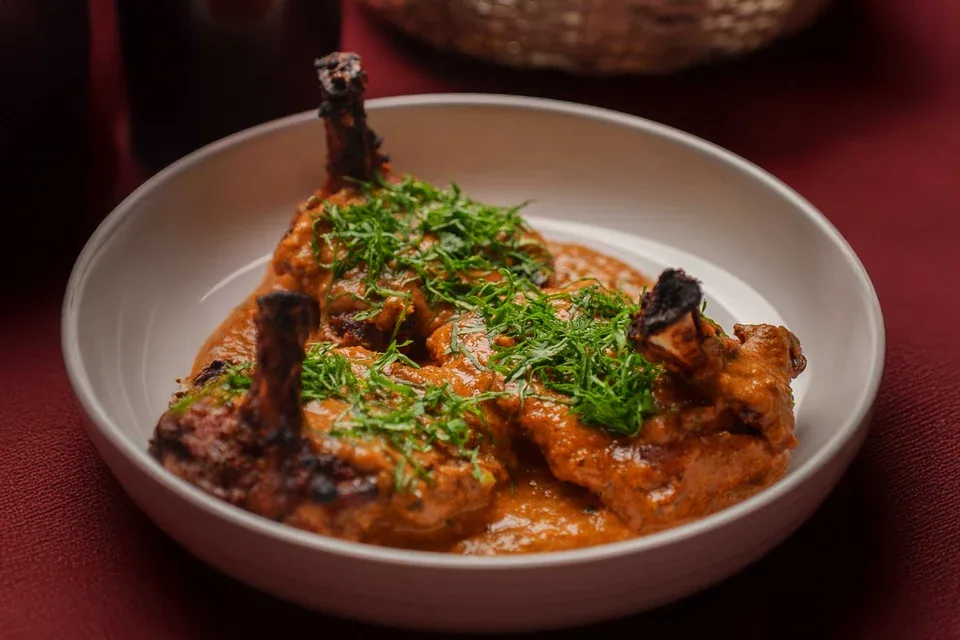
Gymkhana Butter Chicken Chops
The signature dish from Ambassador's Clubhouse, Gymkhana's sister restaurant in London. Bone-in chicken thigh cutlets are coated in tandoori marina
View recipe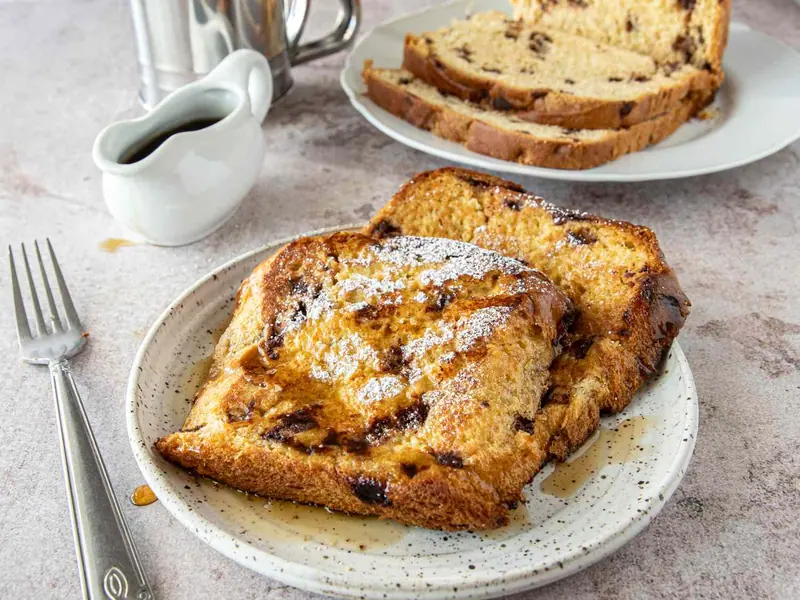
Panettone French Toast
The candied peel and butter already in panettone do most of the work here, so the custa
View recipe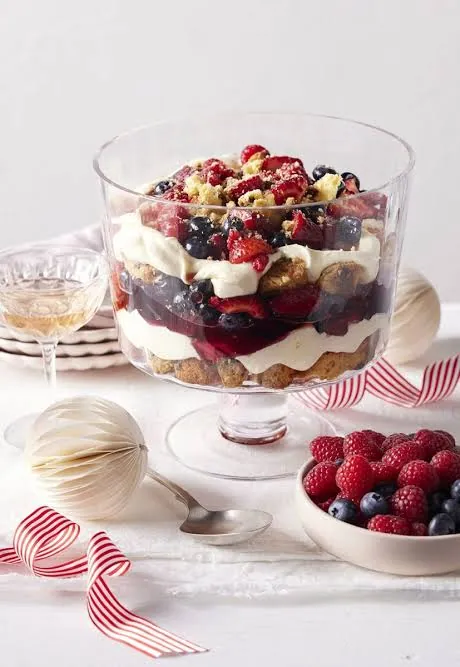
Panettone Trifle
Trifle is the easiest place to put leftover panettone . It replaces the sponge entirely,
View recipeNew recipes, first.
Recipes, new arrivals and gourmet gifting ideas from The Gourmet Pantry. No spam, unsubscribe any time.