
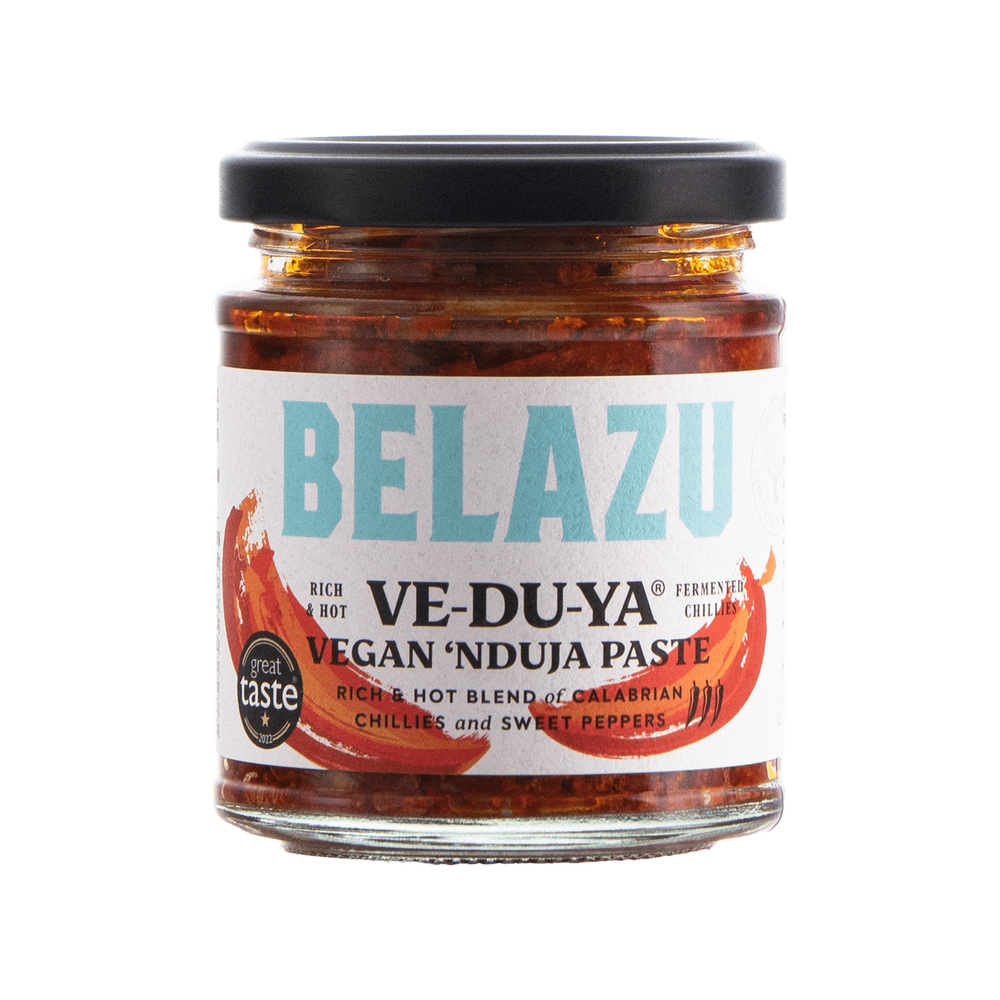
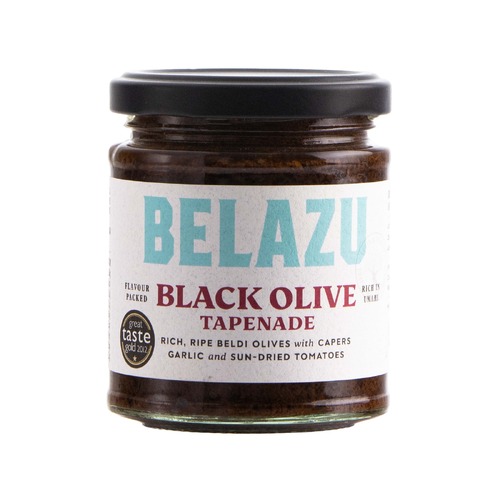
BELAZU Black Olive Tapenade (170g)
$12.95
Hand-packed and dispatched from our Corio, Victoria warehouse, with free delivery Australia-wide on orders over $100.
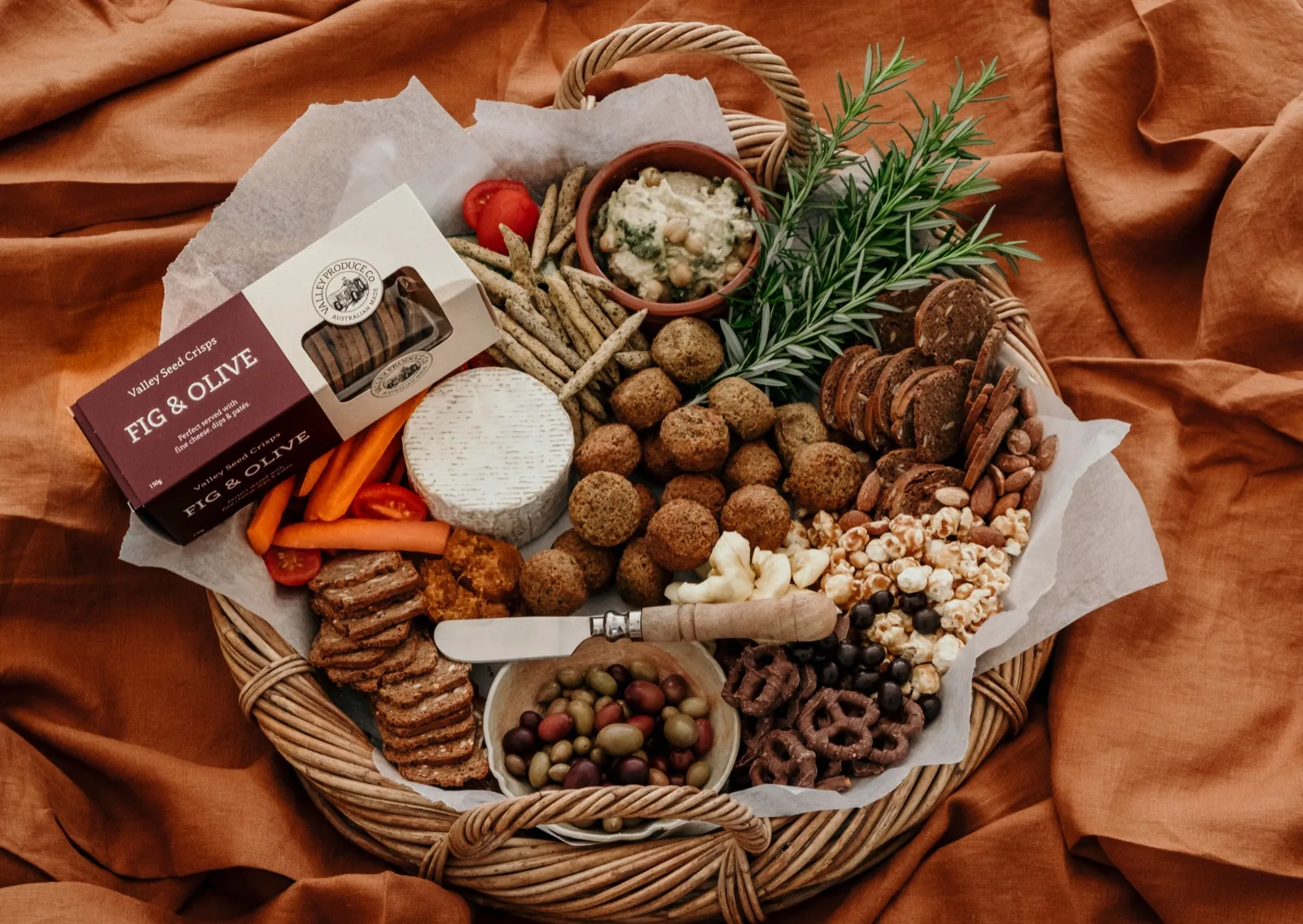
A vegetarian charcuterie board works when you replace what the meat was doing rather than leaving a gap. Cured meat brings salt, fat, chilli and something to smear. Vegan nduja, tapenade, caramelised onion and marinated vegetables cover all four. For eight people, allow 500g of cheese, four spreads, two crackers each and about 30 minutes to build.
What the cured meat was actually doing
Take the prosciutto off a grazing board and the first thing people notice is the colour. What they miss half an hour later is the salt. Cured meat does four jobs at once: it seasons everything around it, it carries fat that makes a plain cracker taste better, the salami brings chilli heat, and it gives people something to drape over cheese. Leave it out and you have a board of mild, pleasant things that nobody goes back to.
So this is not a charcuterie board with the meat removed. It is built job by job. One jar covers salt and heat, three cover the smear, roasted and marinated vegetables bring the fat and the colour, and the sweet end stays where it always was. Cheese is your call, but ask at the counter for vegetarian rennet if that matters in your house, because most parmesan-style hard cheeses are not made with it.
The jar that makes it read as charcuterie
The item doing the heavy lifting is Belazu Ve-du-ya vegan nduja, a spreadable paste built on Calabrian chillies and sweet peppers. Real nduja is soft, fatty pork you spoon rather than slice. This one has the same melting texture and the same slow burn without the pork, and it is the single item that stops a meat free board reading as an antipasto plate. A 170g jar is under $15 and there is enough in it for two boards.
It is a year round line from Belazu rather than a Christmas one, which is why this board is worth learning in September. What you do not use goes on toast in February. Most of the rest of the list sits in our vegan options range or on the cracker shelf, and keeps in a cupboard for months.
Method
Method
- Loosen the nduja. Spoon half the jar into a small bowl, add the olive oil and vinegar, and beat it with a fork until it spreads with a knife. Straight from the jar it is firm and fierce; loosened, the heat sits behind the sweetness of the peppers rather than in front of it.
- If you are roasting capsicums, do it now or the day before. Whole, 220°C, 20 to 25 minutes, turning once, until the skins blacken in patches. Cover for 10 minutes, slip the skins off, tear into wide strips and dress with olive oil and salt.
- Take the cheese out of the fridge 45 minutes before guests arrive. Cold cheese tastes of very little, and in December it will soften on the board anyway.
- Bowls go down before anything else. Four small ones: loosened nduja, black olive tapenade, capsicum tapenade, and caramelised onion with its own teaspoon. Space them out, because everything else is arranged around them.
- Place the three cheeses well apart and cut each one differently. Wedge the hard cheese, score the top of the soft one and leave it whole, crumble the blue. From across the room, different shapes read as different cheeses.
- Run the capsicum strips beside the nduja bowl. Heat needs a carrier, and a strip of sweet roasted capsicum with a smear of nduja on it is the thing people come back for. Olives and artichokes fill the next gaps.
- Fan the crackers along one long edge and stand a few upright against a bowl. Keep half of each packet back. A board refilled at 2pm beats one piled high at midday and picked over by half past twelve.
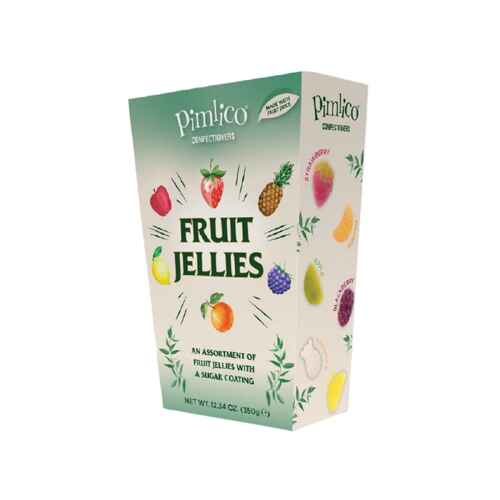
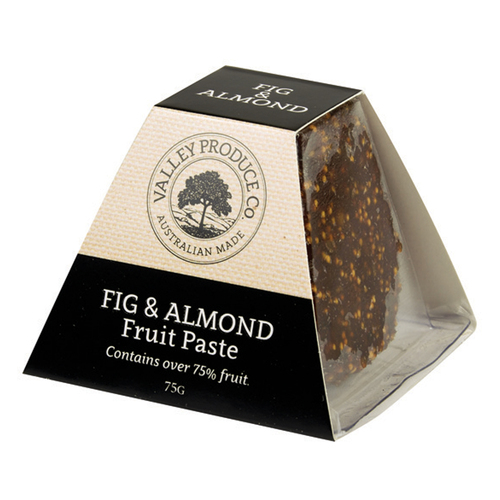
- Build the sweet end into one corner: fingers of fig and almond paste next to the blue cheese, fruit jellies in a small bowl, grapes in loose clusters. Sugar in one place saves people working out what goes with what.
- Finish with the almonds in the last gaps, a drizzle of olive oil over the soft cheese, salt flakes, pepper and a few sprigs of rosemary. Radishes go on last so they stay crisp.
Leftovers are the best argument for this board. The nduja goes into a tomato sauce or under roasted potatoes, the tapenade into a dressing with olive oil and lemon, the caramelised onion into mayonnaise for Boxing Day sandwiches.
Three questions we get about meat free boards
What goes on a vegetarian charcuterie board?
Four spreads, three cheeses, two or three marinated vegetables, one crisp cracker, nuts, and a sweet corner. The spreads matter most, because they replace the salt and fat the meat used to bring: vegan nduja for heat, olive tapenade for salt, a sweeter capsicum tapenade, and caramelised onion for the cheese. Roasted capsicum and artichokes bring colour and something to fold.
How do you make a grazing board without meat?
Work by job rather than by substitute. Salt, fat, heat, something to spread and something sweet are what a charcuterie board delivers, and none of it has to come from an animal. Put the bowls down first, place the cheese, then run vegetables between them so no two similar colours touch. Sliced meat substitutes are the one thing to skip. They read as an apology.
Is nduja vegetarian?
Traditional nduja is not. It is a soft, spreadable Calabrian salami made from pork, chilli and fat. Vegan versions rebuild it from the chilli side. Belazu's Ve-du-ya uses the same Calabrian chillies and sweet peppers to get the heat and the melting texture without the pork, and it is labelled vegan.
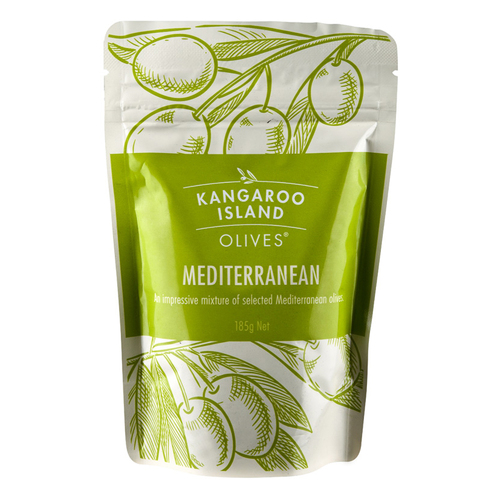
Build the cupboard half whenever you like; the jars, crackers and jellies keep for months, and most of them sit in our vegan options range. If you would rather send a board than build one, the Vegan Gourmet Hamper packs the same thinking into a box, with Kangaroo Island olive oil and olives at the centre, and it sits alongside the rest of our Christmas hampers. Hampers are packed by hand in Corio, shipping is free Australia-wide over $100, and orders placed before 12pm on a weekday are dispatched from Geelong that day. For the version with meat, the Christmas charcuterie board uses the same bones, and the Christmas grazing table guide scales it up to twenty people.
The underlying rules are the same on any board. Our guide to cheese board ideas covers the quantities, the order things go down in, and which crackers do which job.
Products in this recipe

More recipes.
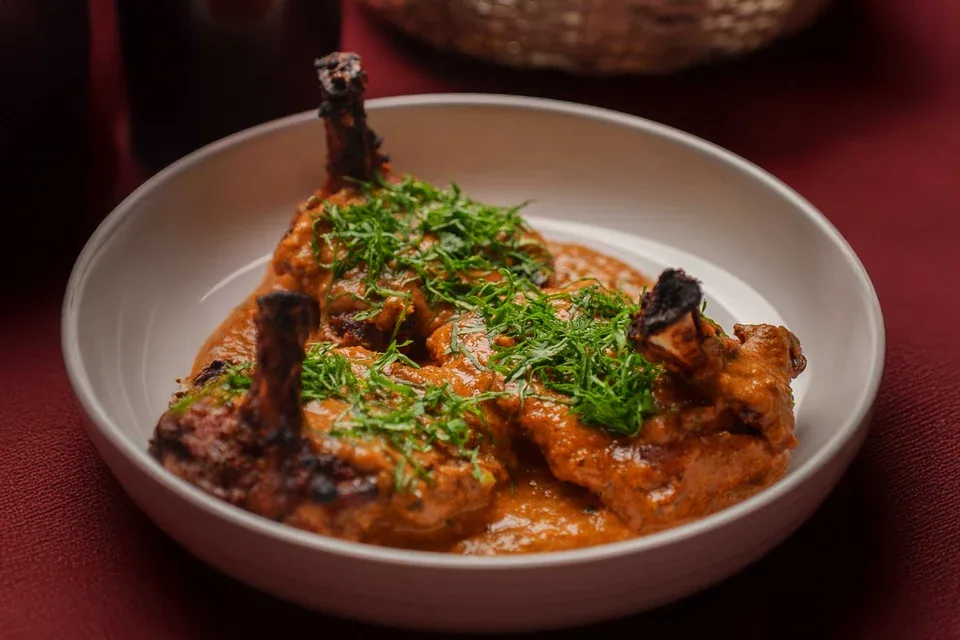
Gymkhana Butter Chicken Chops
The signature dish from Ambassador's Clubhouse, Gymkhana's sister restaurant in London. Bone-in chicken thigh cutlets are coated in tandoori marina
View recipe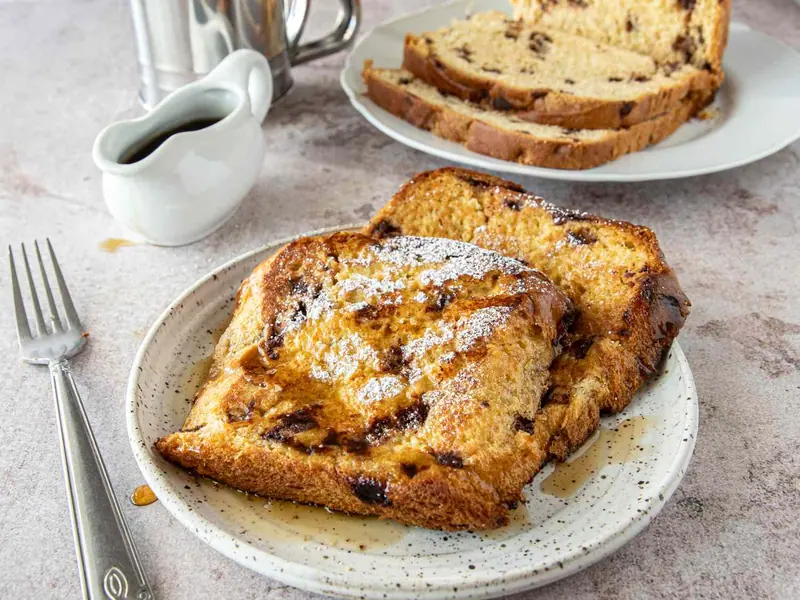
Panettone French Toast
The candied peel and butter already in panettone do most of the work here, so the custa
View recipe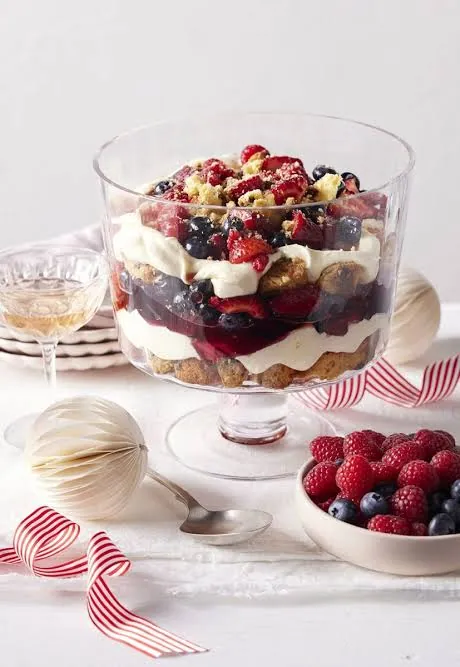
Panettone Trifle
Trifle is the easiest place to put leftover panettone . It replaces the sponge entirely,
View recipeNew recipes, first.
Recipes, new arrivals and gourmet gifting ideas from The Gourmet Pantry. No spam, unsubscribe any time.