
Christmas Leftover Recipes: What to Do With Everything Left in the Fridge
By Jodie Smith, Product & Hamper Manager at The Gourmet Pantry.
Boxing Day is a sorting job before it is a cooking job. Chill everything within two hours, work through the cold cuts, cheese and seafood first, and treat the half-used jars in the fridge door as ingredients rather than clutter. Most of what is left wants one good chutney and something crisp to sit on.
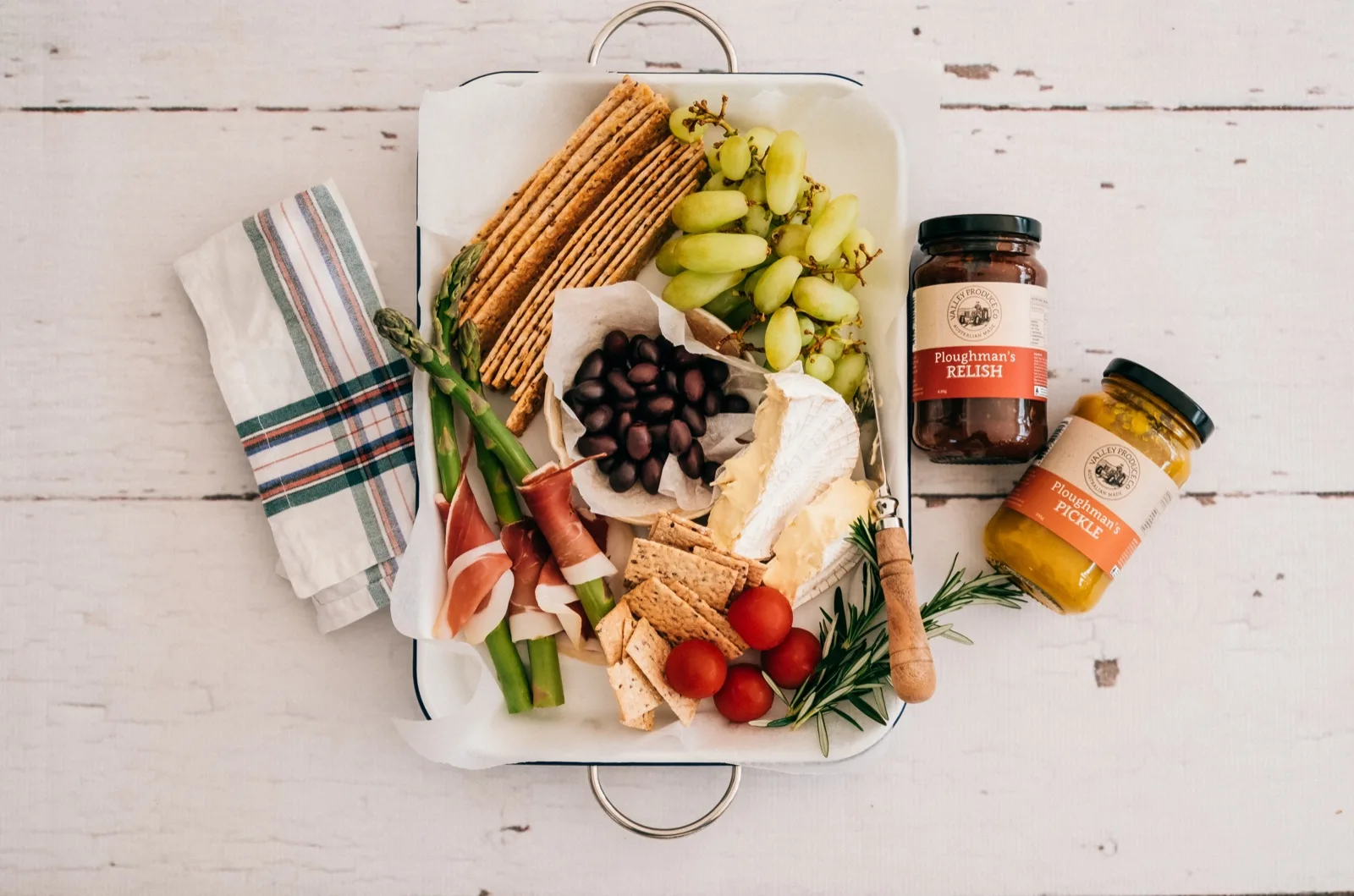
Almost nothing on this page is food we sell. We do not stock ham, turkey or seafood, and the leg already has a page of its own, so take it over to twelve things to do with leftover Christmas ham and come back for the rest. What we do stock is the shelf that rescues everything else: the chutneys, relishes and mustards that go into hampers all November and turn out to be the most useful thing in the house on the 26th.
Sort the fridge before you cook anything
The useful work on the morning of the 26th takes twenty minutes and no heat. Get the cold food back under 5°C, break the big platters into containers that stack, and write on the lids, because by the 28th nothing in a fridge is identifiable.
Australian food safety guidance turns on two numbers. Food that sat out under two hours can go back in the fridge, between two and four hours it should be eaten rather than saved, and past four hours it goes in the bin. Cooked leftovers then keep two to three days refrigerated, and a shorter window on the label always wins.
| What is left | First move on the 26th | Roughly how long |
|---|---|---|
| Turkey or roast chicken | Strip the meat off the bones, chill it flat and covered | Two to three days |
| Prawns and cold seafood | Coldest shelf, covered, peeled while you still have the patience | Two to three days |
| Soft cheese | Rewrap in paper, never cling film | Days rather than weeks, by the label |
| Hard cheese | Baking paper first, then loosely in foil | Weeks, and it freezes grated |
| Dressed salads | Eat today, they do not improve | The 26th |
| Pavlova, trifle, anything with cream | Covered, coldest shelf, finish it | The 26th |
| Opened jars | Clean dry spoon, back in the fridge door | Weeks, by the label |
| Biscuits, shortbread, chocolates | Airtight tin, out of the sun | Weeks in a cool cupboard |
The other half of the triage is what you already know you will not eat again. Freeze it on the 26th while it is still good, flat and labelled, so it thaws in an hour.
The cheese board does the heavy lifting
Cheese is the leftover with the longest runway and the least work. Rewrap it first: baking paper then loose foil for the hard cheeses, paper rather than cling film for anything soft, which suffocates and tastes of plastic inside a day. Then put it out again at lunchtime, because a board already cut is the fastest meal in the house.
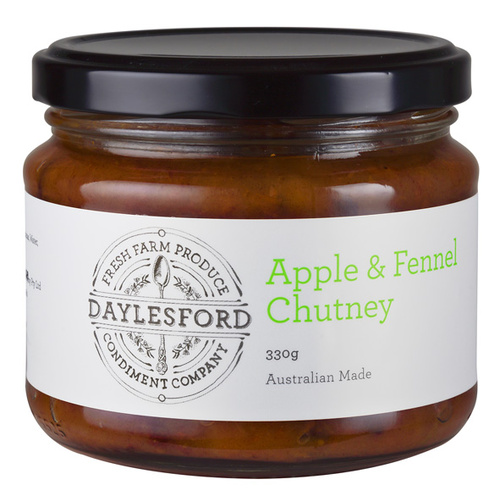
What changes is what sits beside it, since the grapes are gone and the good crackers went first. Plain Crackerthins at $3.49 are worth keeping a spare box of: thin, quiet enough to stay out of the way of a washed rind, cheap enough that nobody rations them. A spoonful of apple and fennel chutney at $12.95 does the job the quince paste did on the 25th, tart Granny Smith against fennel seed, and it takes cold pork just as happily. If the board is being rebuilt rather than raided, the Christmas cheese board has the quantities.
Cold seafood, and the second day of it
Prawns are the leftover with the shortest fuse. If the platter sat out into the afternoon it goes out, which is the four-hour rule doing its job. What went back in the fridge in time keeps two to three days on the coldest shelf, covered, over a little ice if the fridge is struggling.
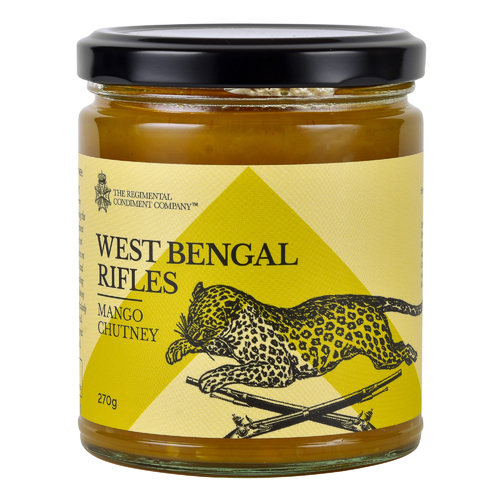
Peel them on the 26th rather than the 27th, because peeling gets less appealing by the hour. Cold peeled prawns then have three good jobs: a buttered roll with a cos leaf, a bowl with lime and coriander, or prawns folded through mayonnaise loosened with a teaspoon of West Bengal Rifles mango chutney at $12.95. Sweet mango and a little chilli against cold prawn meat is the seafood cocktail idea without the bottled dressing. Smoked salmon offcuts go the same way.
The jars are the real leftovers
Every year the fridge door fills with jars opened once: cranberry sauce for the turkey, a mustard for the ham, the chutney somebody brought and nobody claimed. Those are not leftovers so much as ingredients you have already paid for.
Cranberry has the most obvious afterlife, enough of one that it earned its own page, so cranberry sauce after the turkey covers the cheese, the glazes and the dessert. The rest follow the same logic. Fruit chutney goes on cold meat, tomato relish goes on eggs, mustard becomes a dressing at one part mustard to three parts oil. Anything sharp belongs wherever fat needs cutting, which on the 26th is most of the table.
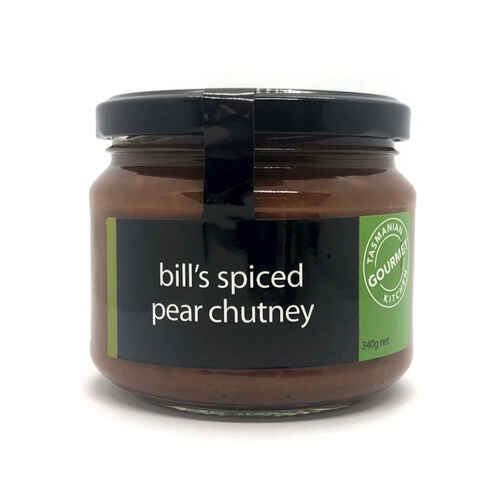
Two jars carry a week of leftovers, and they are worth buying in November rather than in the last fortnight when the shelf thins. The chutney range runs from apple and fennel at $12.95 for 330g up to Bill's Spicy Pear Chutney at $16.95 for 340g, the one to park next to a strong cheddar. The rest of what keeps for months without refrigeration sits in the pantry range, the part of a Christmas order you can safely place early.
Sweets, biscuits and the tail end
Sweet leftovers keep better than anything else on the bench, which is why they are still there in January. Biscuits and shortbread want an airtight tin the moment the day ends, and the broken ones become a crumb base for a cheesecake. Stray chocolates get chopped into hot milk, a better end than the bowl by the front door. Pavlova has no second day worth waiting for: crush it through the last of the berries and cream, call it Eton mess, finish it on the 26th.
Christmas ideas, before the rush.
Christmas ordering reminders and new arrivals, one email when it matters. Unsubscribe any time.
Boxing Day questions we get asked
What can I do with Christmas leftovers?
Work cold before you work hot. Rebuild the cheese board with fresh crackers and a spoonful of chutney, peel and use the prawns, turn the roast meat into sandwiches, and finish anything with cream on it that day. The cooking can wait until the 27th.
How long do Christmas leftovers keep in the fridge?
Australian food safety guidance puts cooked leftovers at two to three days in a fridge running at 5°C or below, provided they went in within two hours of coming off the table. Food left out between two and four hours should be eaten rather than saved, and anything past four hours goes out. Reheat until steaming hot right through, once only.
What do Australians eat on Boxing Day?
Cold food, mostly, and rarely at the dining table. Ham sandwiches with relish, prawns, the remains of the cheese board, cold chicken and whatever pudding survived, grazed across the cricket or a beach. The most useful things in the fridge are the ones needing no cooking and no cutlery.
Can you freeze leftover Christmas cheese?
Hard cheese, yes, with a caveat: it comes back crumbly and belongs in a sauce, a toastie or on a pasta bake rather than on a board. Grate it first and freeze it in a bag. Soft and fresh cheeses split on thawing, so eat those inside their label window.
One shelf, most of the answers
Boxing Day rewards the household that put two extra jars and a spare box of crackers in the November order. Our chutneys, relishes and mustards run from $6.95 for the 110g minis up to $16.95 for the big Tasmanian jars, they keep unopened for months, and orders placed before 12pm on a weekday are dispatched the same day from our Corio, VIC warehouse, tracked with Australia Post. Shipping is free Australia-wide on orders over $100. If you would rather send the food than store it, our Christmas hampers are packed by hand in the same room, and our guide to Christmas food in Australia works through the season in order.
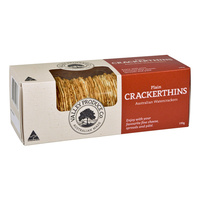
VPC Crackerthins Plain 100g
$3.49
Hand-packed and dispatched from our Corio, Victoria warehouse, with free delivery Australia-wide on orders over $100.
More from the blog.
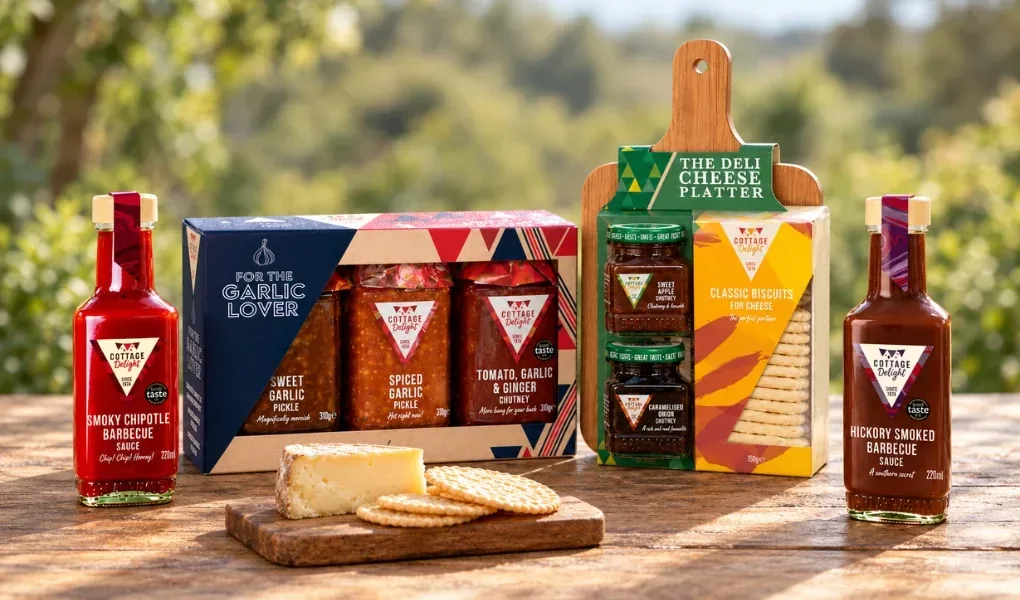
Christmas Gifts for the Dad Who Loves to Eat: 2026 Gift Guide
Seven Cottage Delight gift packs for the dad who loves to eat, from $29.95 stocking fillers to a six-jar Cheese Tree, with what is inside each one.
Read now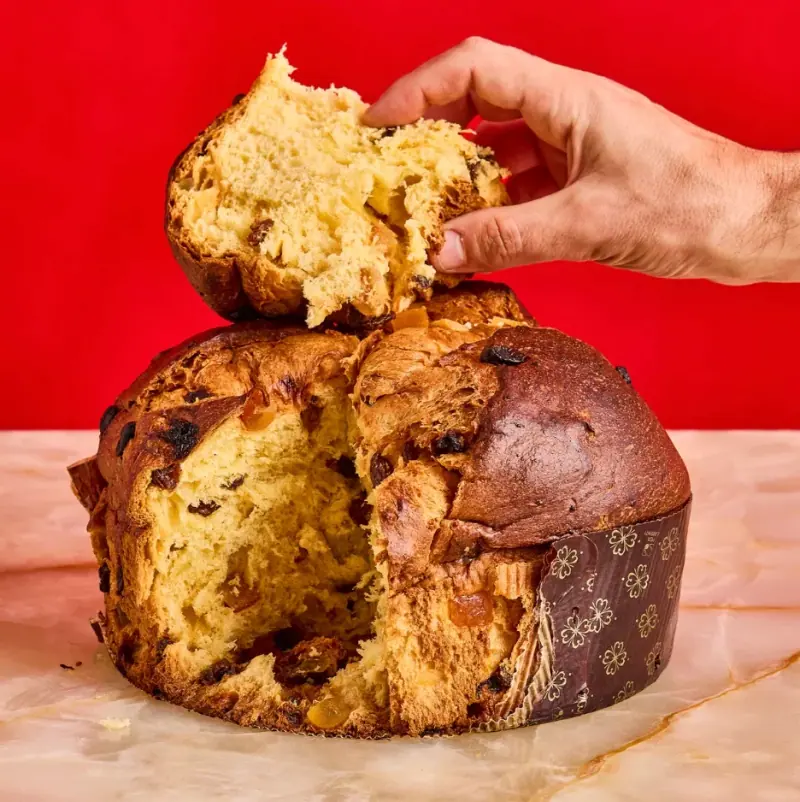
What Is Panettone?
A tall, domed Italian Christmas bread made over three days with a living sourdough starter. Here is what separates a good panettone from a cheap one.
Read now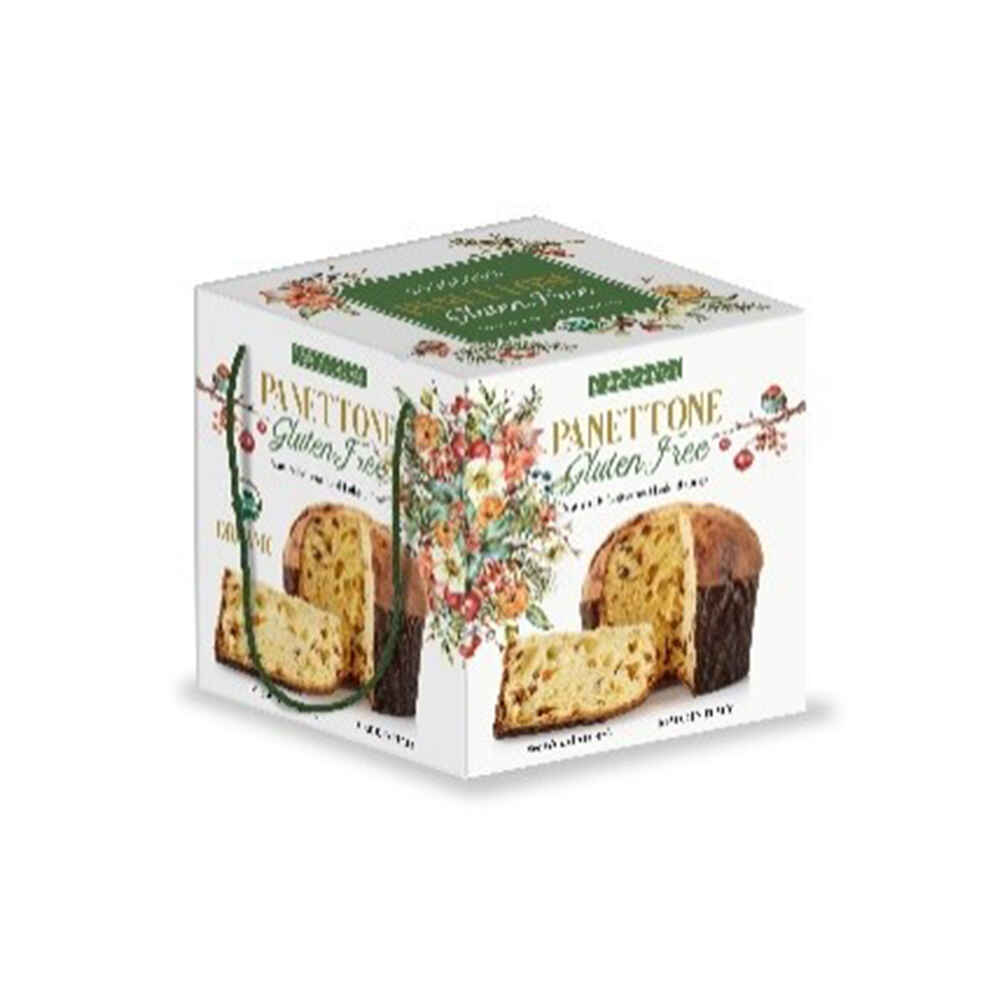
Gluten-Free Panettone in Australia
Gluten-free panettone is one of the hardest things in baking to get right. Here is why, what separates a good one from a dry one, and how to serve it.
Read now