
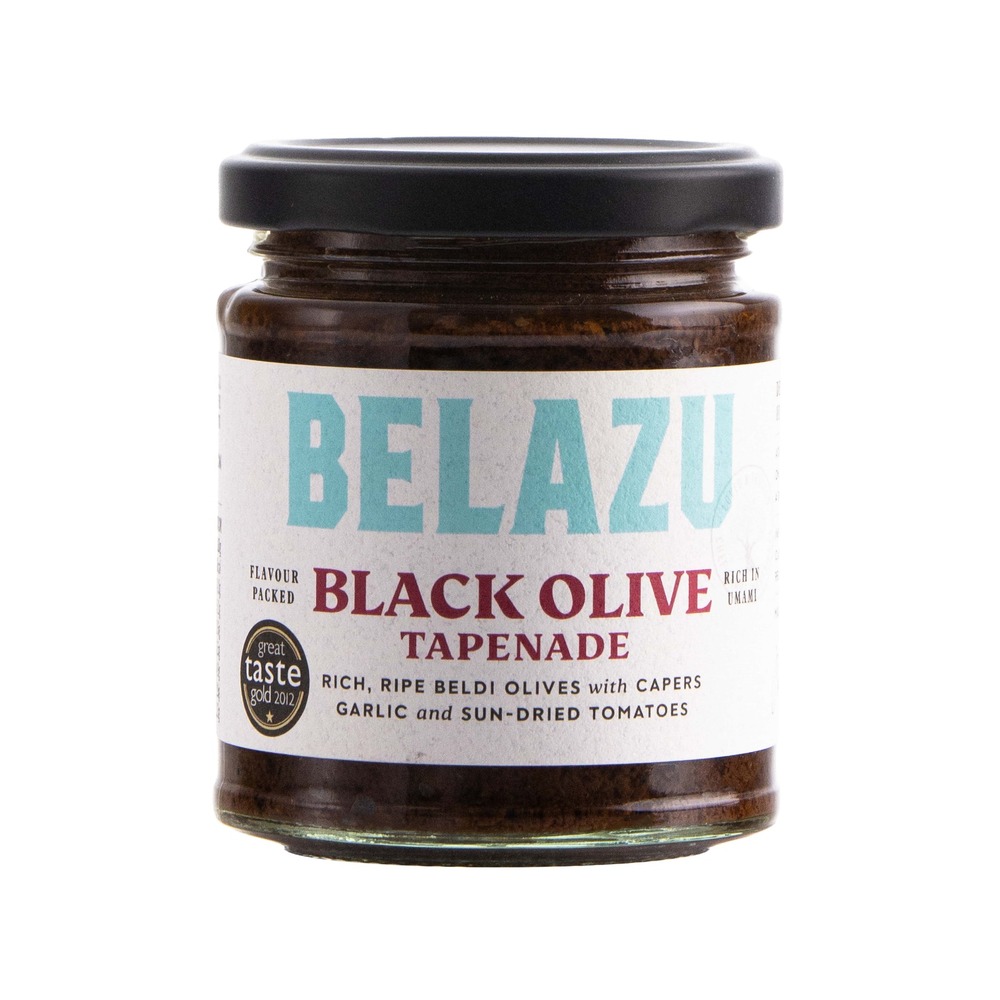
Italian Antipasto Platter for Christmas Eve
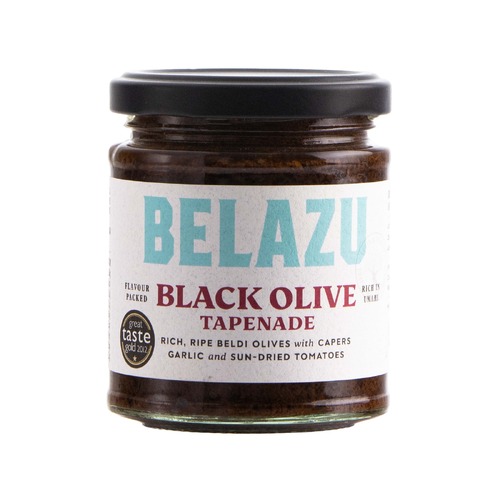
BELAZU Black Olive Tapenade (170g)
$12.95
Hand-packed and dispatched from our Corio, Victoria warehouse, with free delivery Australia-wide on orders over $100.
An Italian antipasto platter is the salty course that comes before the meal: things kept under oil, a bowl of something dressed, crackers or bread, and cheese. This one serves eight on Christmas Eve, takes 30 minutes and never goes near the oven. Most of it can be ordered in September and left in the cupboard.
Serves 8 as a first course | Prep 30 minutes | No oven
Antipasto is a course, not a grazing table
Antipasto means before the meal, and in Italy it behaves like a course. It arrives, it gets eaten, it gets cleared, and then dinner starts. That is what separates it from a board you leave out for three hours, and it changes what goes on it: fewer items, a proper amount of each, and enough salt and acid to make people hungry rather than full.
Traditionally it comes in three groups. Sott'olio, the things kept under oil, which covers olives, artichokes, capsicum and tuna. Something dressed, usually beans or seafood, spooned into a bowl. Then salumi and cheese. Our half of that list is the shelf-stable half, and it sits in festive entertaining essentials. The salami and the mozzarella come from a deli on the day, because that is where they belong.
Christmas Eve gives the platter its shape. La Vigilia, the vigil, is kept lean in much of Italy, with no meat until after midnight, which is why the seafood version of that dinner is the one everybody has heard of. You do not have to observe it to borrow the idea. A tuna and white bean bowl in place of the prosciutto makes a better 24 December platter anyway, because the ham and the turkey are coming tomorrow and there will be plenty of both by Boxing Day.
Antipasto platter ideas: what to buy in November, what to buy on the 23rd
Split the shopping in two and the platter stops being a December job. The cupboard half keeps for months: two kinds of olive, one mild and one dark, something crisp enough to carry a heavy spoonful, a dark jar to spread and a sweet one to balance it, seasoned nuts, and a saucer of olive oil with pepper cracked through it. Order that in October, because the better jars sell through by the second week of December. The fresh half is two decisions made near home on the 23rd or the morning of the 24th: one cheese that spreads and one that slices, then prosciutto and a fennel salami. Cheese out of the fridge 45 minutes before, meat 10 minutes before.
The afternoon before does more here than on most boards. Fill the bowls, cover them and leave them on the bench rather than in the fridge, and slice the cheese ahead. Lay the platter down wet to dry: bowls first, spaced across the board rather than lined up, cheese into the gaps with the first few pieces already cut, meat loosely folded so the slices do not weld into a sheet, and anything crisp last and on the outside. That leaves a 20 minute job on the night. Our guide to Christmas food in Australia sets out what to buy when across the rest of the week.
Method
Method
- Take the cheese out of the fridge 45 minutes before anyone arrives. Cold cheese tastes of very little, and in an Australian December it will soften on the platter regardless.
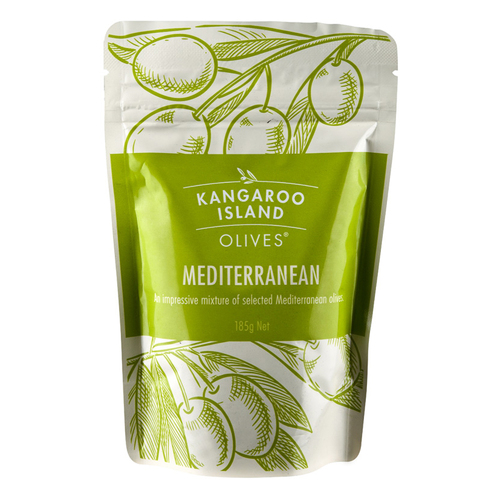
- Drain the olives and tip them into a small frying pan with 2 tablespoons of the olive oil, the orange peel, the rosemary sprig, the flattened garlic clove and the chilli flakes.
- Warm the pan over low heat for 4 minutes, tilting it now and then. You want the oil barely moving and the kitchen smelling of orange and rosemary. If it sizzles, it is too hot.
- Take the pan off the heat and leave the olives to sit for at least 10 minutes. They go out warm, not hot, and they are better after half an hour.
- Fork the tuna into a bowl along with the oil from the tins, keeping the flakes as large as they will stay.
- Add the beans, the red onion, the vinegar, 1 tablespoon of the olive oil, the parsley, a good pinch of salt and plenty of pepper.
- Fold it over twice with a spoon and stop. Beans turn to paste if you stir them, and the dressing needs 10 minutes to soften the onion anyway.
- Spoon the tapenade into a small bowl and loosen it with a tablespoon of the olive oil, dragging the spoon through it once so the oil sits in a ripple on top. Do not beat it smooth.
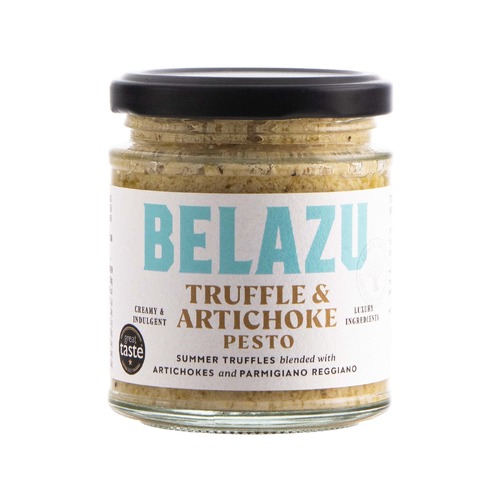
- Put the truffle and artichoke pesto in a second bowl, straight from the jar and with no oil added. It is already rich, and the Parmigiano in it does the seasoning.
- Set the four bowls on a long platter or board first, spaced well apart. Everything else is arranged around them, and moving a full bowl later is how the oil ends up on the tablecloth.
- Break the firm cheese into rough shards with the tip of a knife rather than slicing it, and leave the soft cheese whole with a spoonful of oil and a grind of pepper over it.
- Pile the marinated vegetables in loose heaps between the bowls, oil still clinging to them, and lay the salumi in folded ribbons if you are serving it.
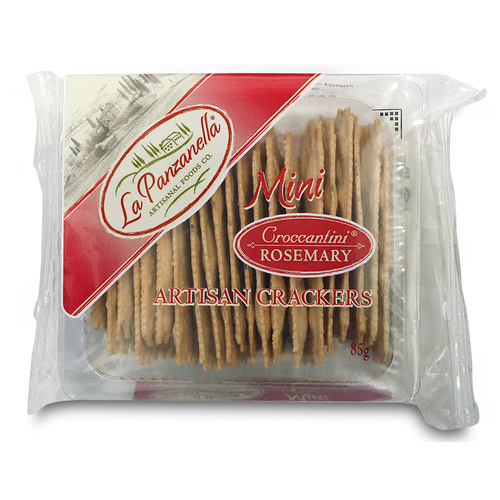
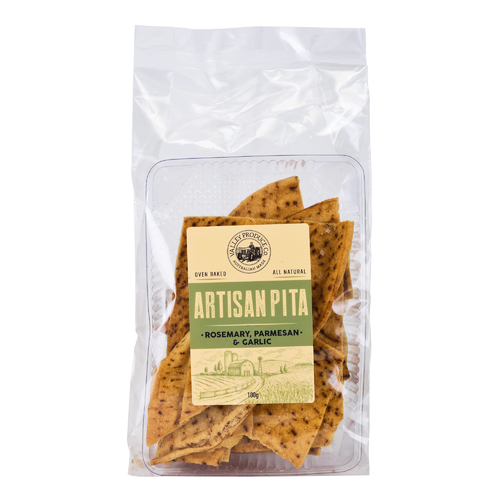
- Stand the croccantini and the pita crisps in two blocks along the long edges, and keep the packets nearby so you can refill rather than laying everything out at once.
- Scatter the Italian herb nuts into whatever gaps are left, tip the warm olives into the last bowl, and drizzle the remaining olive oil over the cheese and the beans just before it goes to the table. Serve with the bread.
Questions we get asked
What goes on an Italian antipasto platter?
Three groups. Things under oil, which is olives, artichokes, roasted capsicum and tuna. Something dressed and spooned into a bowl, usually white beans or seafood. Then cured meat and cheese, with bread or crackers to carry it all. An Italian platter runs to fewer items than a grazing board and gives each one proper space, so pick two or three per group rather than a dozen.
What is the difference between antipasto and charcuterie?
Charcuterie is cured meat, so a charcuterie board leads with prosciutto, salami and pancetta and treats everything else as the accompaniment. Antipasto is a whole course and leads with the vegetables and the preserves, with meat as one element among several. It is also the reason the two look different on the table. Our Christmas charcuterie board builds the meat-led version if that is the night you are catering.
How much antipasto per person?
About 150g a head as a first course before a real dinner. That is roughly 30g of cheese, 30g of marinated vegetables, a spoonful or two from each bowl and four or five crackers. Double it to 300g if the platter is the meal, and add bread rather than more cheese, because bread is what stops people filling up on the salty things first.
The pantry side of this platter is a short shopping list and it keeps until December, so it is worth ordering while everything is still in stock. The jars, crackers and olives all sit in festive entertaining essentials, orders placed before 12pm on a weekday are dispatched the same day, and shipping is free Australia-wide over $100.
For the general build, with how much cheese to buy per head and which two crackers cover a whole board, our guide to cheese board ideas is the place to start.
Products in this recipe

More recipes.
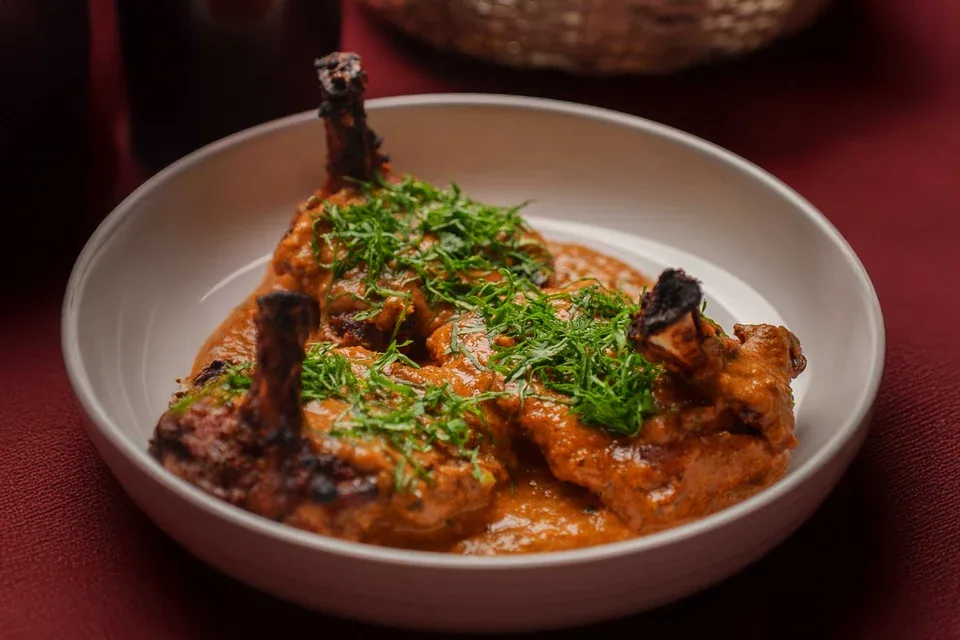
Gymkhana Butter Chicken Chops
The signature dish from Ambassador's Clubhouse, Gymkhana's sister restaurant in London. Bone-in chicken thigh cutlets are coated in tandoori marina
View recipe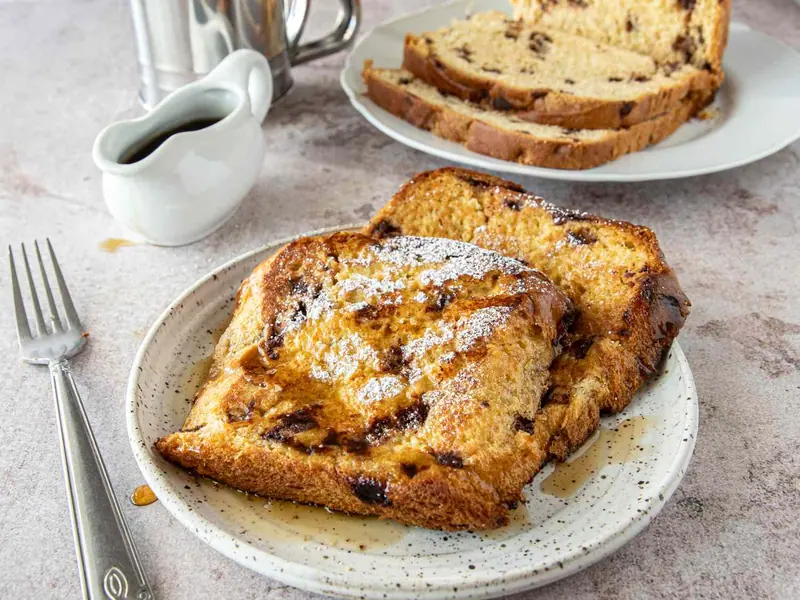
Panettone French Toast
The candied peel and butter already in panettone do most of the work here, so the custa
View recipe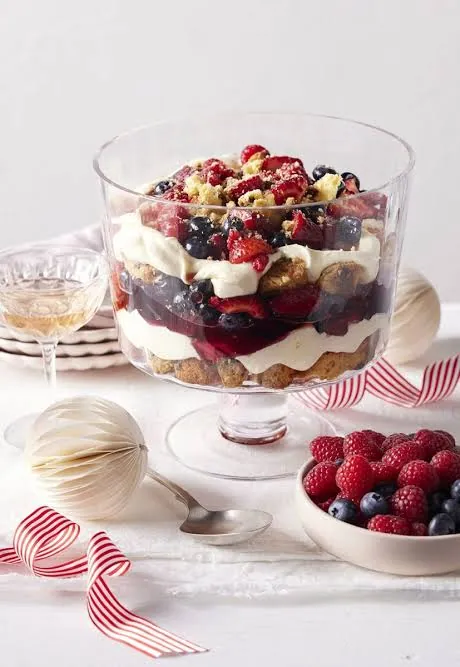
Panettone Trifle
Trifle is the easiest place to put leftover panettone . It replaces the sponge entirely,
View recipeNew recipes, first.
Recipes, new arrivals and gourmet gifting ideas from The Gourmet Pantry. No spam, unsubscribe any time.